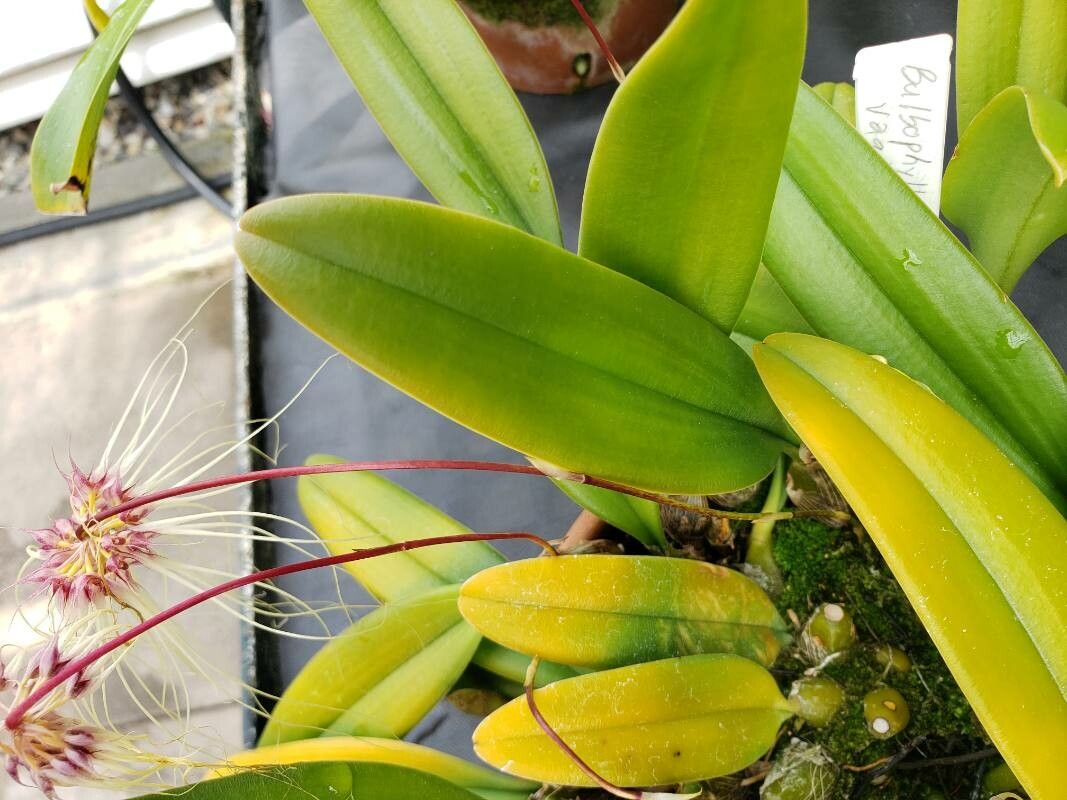
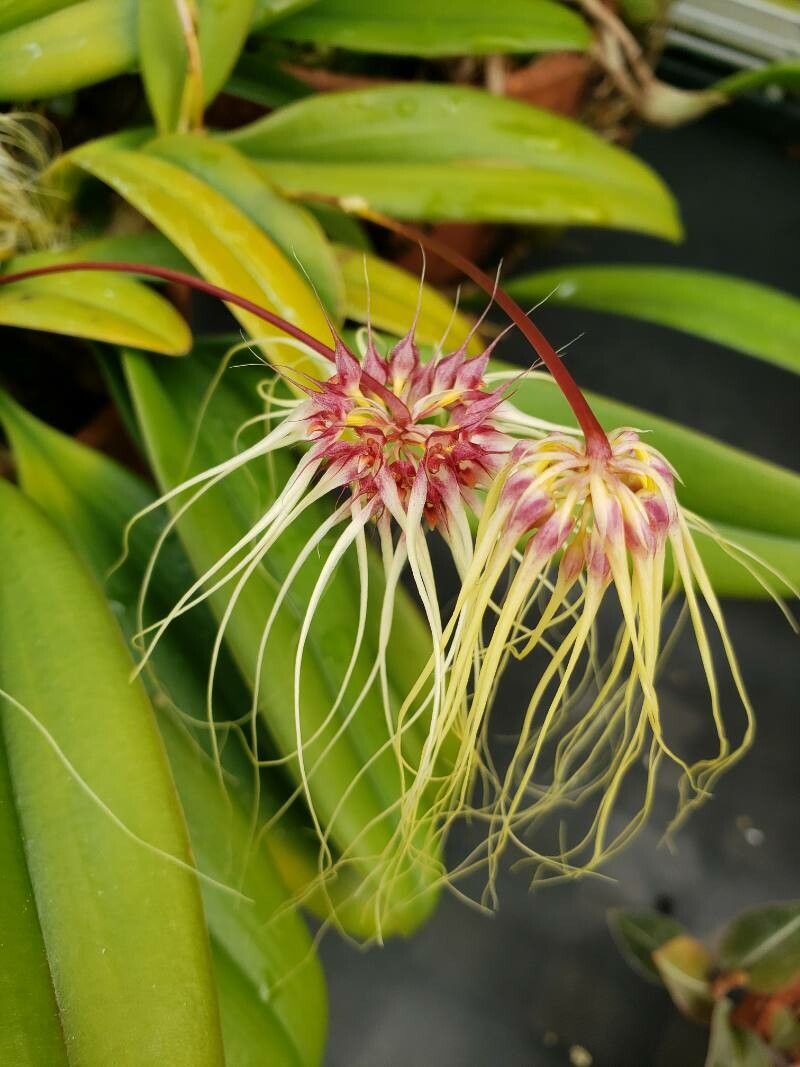
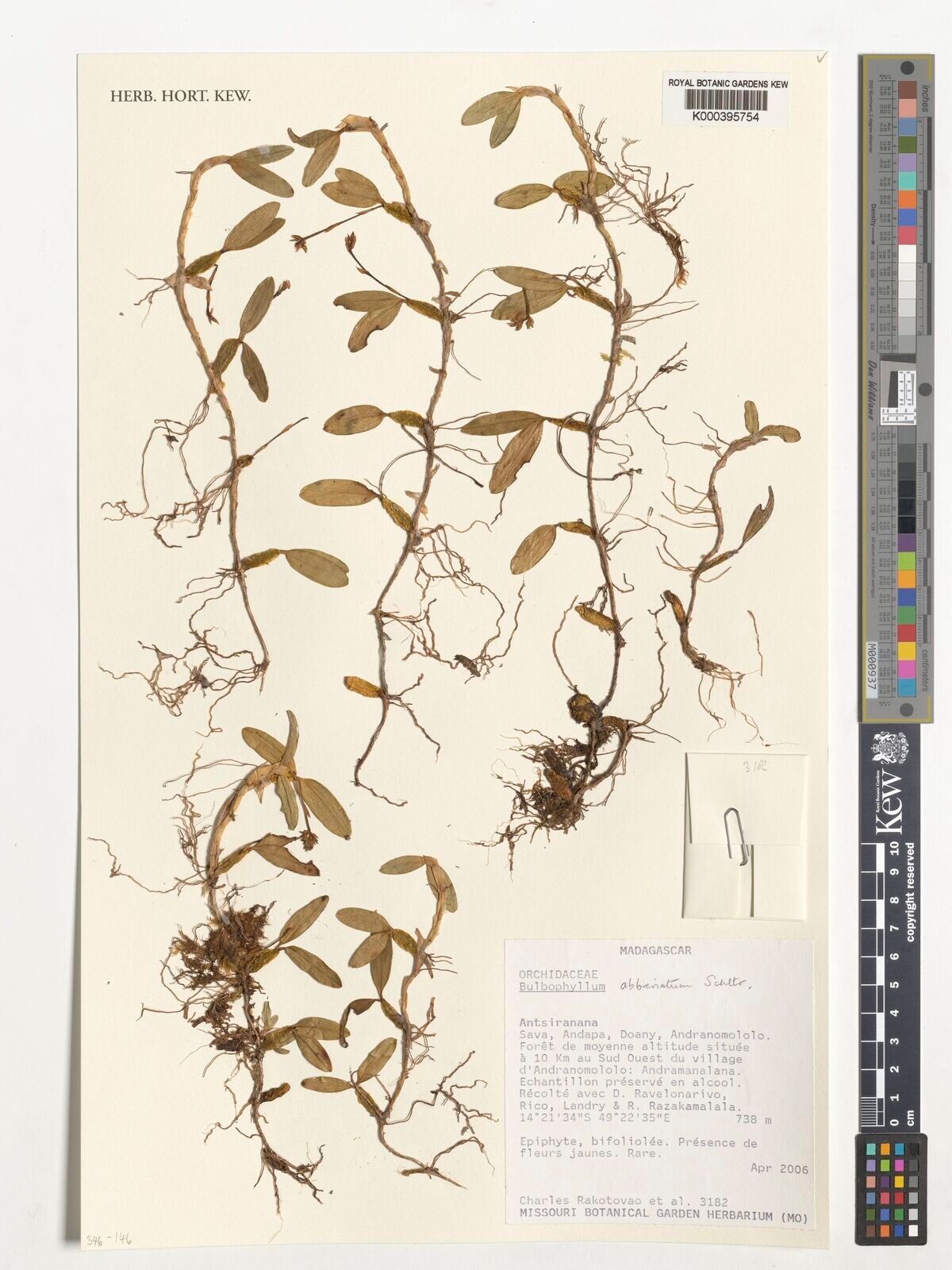
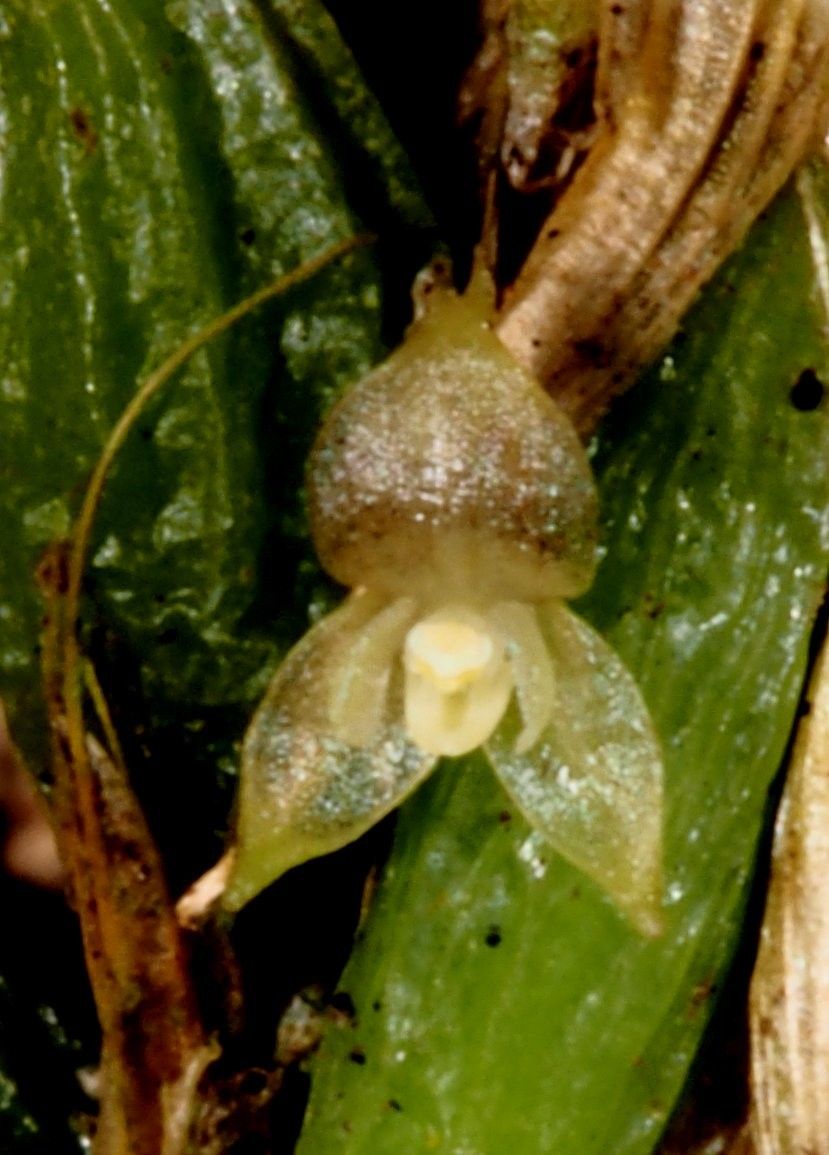
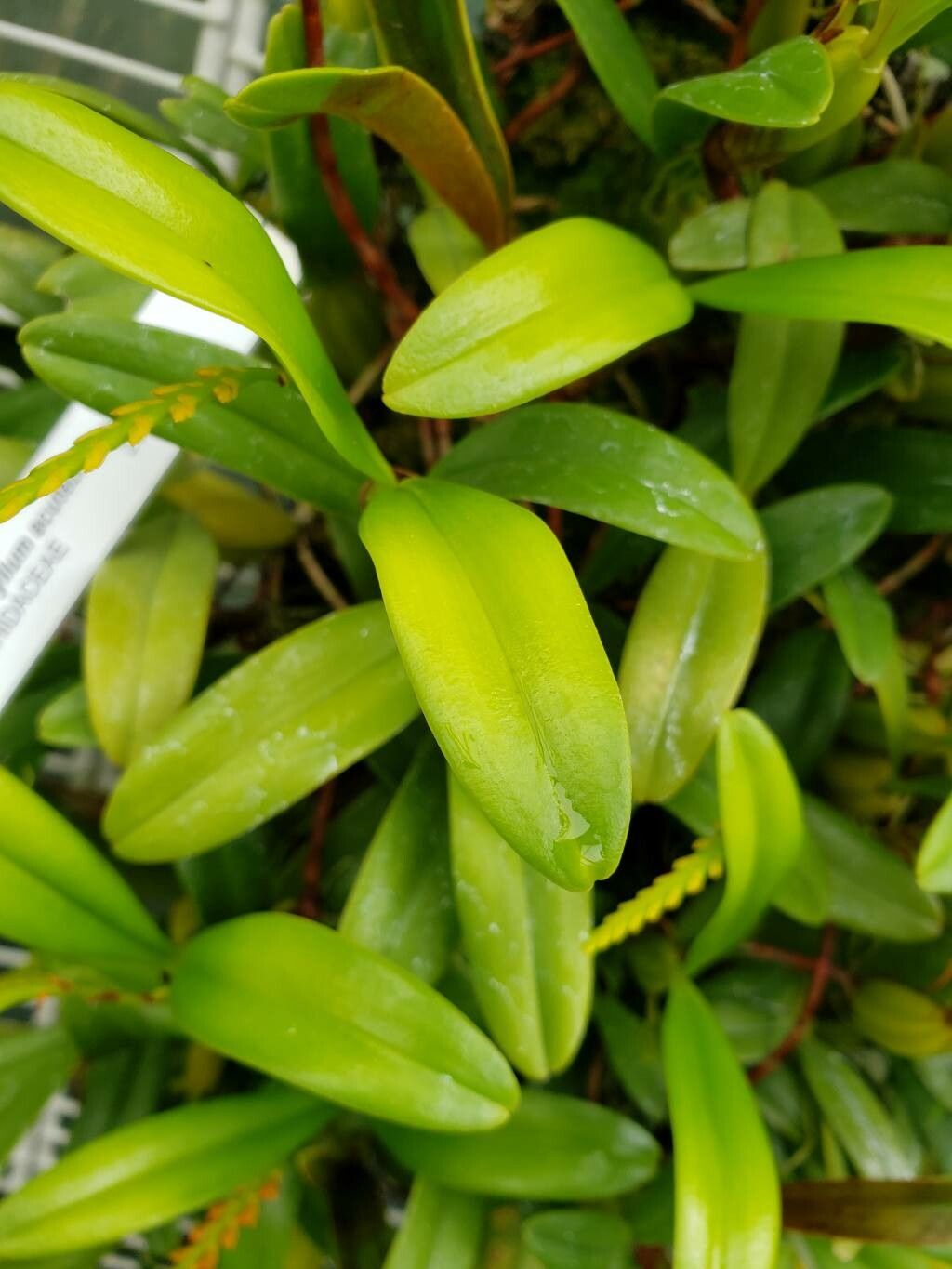
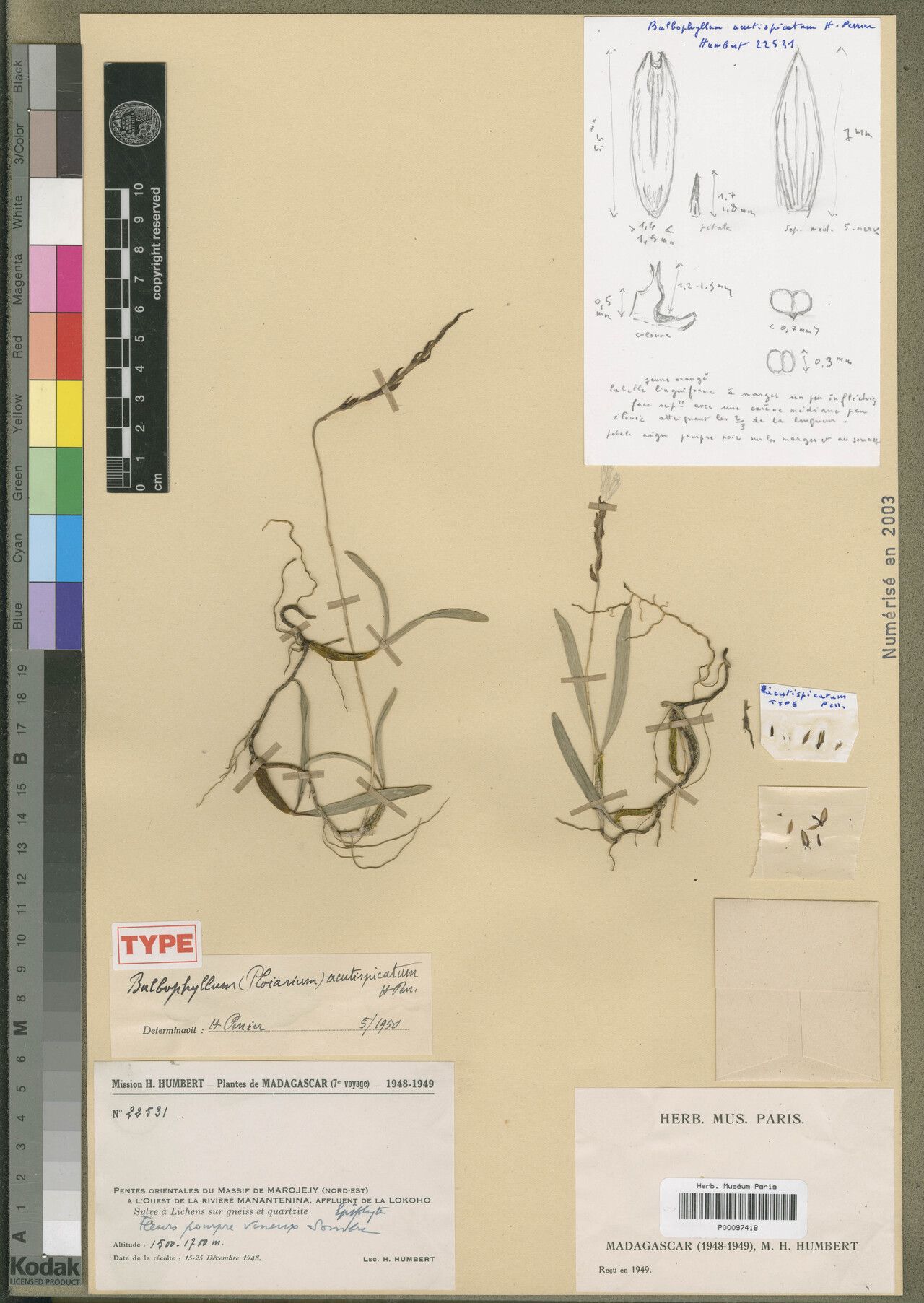
Bulbophyllum vaginatum is a species of orchid. Bulbophyllum vaginatum contains the two phenanthrenes 4,9-dimethoxyphenanthrene-2,5-diol and 4,6-dimethoxyphenanthrene-2,3,7-triol, and the two dihydrophenanthrenes 4-methoxy-9,10-dihydrophenanthrene-2,3,7-triol and 4,6-dimethoxy-9,10-dihydrophenanthrene-2,3,7-triol.
Bulbophyllum vaginatum is generally resistant to disease and tends to have relatively few insect pests. Its care is considered difficult because it needs high humidity together with good ventilation and a low presence of harmful pathogens. Overwatering can cause root rot. Although anyone can grow Bulbophyllum vaginatum, maintaining its health and getting it to flower again requires more cultivation experience.
How to keep Bulbophyllum Vaginatum.
Light
Bulbophyllum vaginatum naturally occurs in places like forest understories and rocky habitats, where it usually experiences shaded conditions. It prefers partial sun but can tolerate both full sun and full shade, illustrating its adaptable, hardy nature.
Water
Bulbophyllum vaginatum thrives in humid, tropical rainforest environments and needs consistent moisture, which means it should be watered twice a week. This plant is well-suited for indoor settings, where it should be placed in containers with well-draining soil. This setup mimics its natural epiphytic habitat, promoting healthy root growth and preventing water retention.
Temperature
Bulbophyllum vaginatum does best in warm conditions. It prefers moderately high temperatures but not extreme heat and humidity. Sunlight helps warm the plant and encourages flowering. However, long periods of direct sun in summer can cause sunburn, so the amount of light it receives should be limited during that season. The plant generally does not tolerate cold well, so it needs adequate protection and warmer temperatures in winter to avoid freezing.
Fertilizer
Appropriate fertilization is essential for Bulbophyllum vaginatum's health and appearance. Apply fertilizer in summer, repeating the application once a month throughout the summer. Nutrients fuel growth and help maintain the plant's tissues. Fertilizing improves Bulbophyllum vaginatum's floral display, helping ensure the best blooms.
Pruning
To enhance the growth and flowering of Bulbophyllum vaginatum, it's beneficial to perform strategic pruning in early spring. Start by removing any dead pseudobulbs and gently trimming the roots to reduce stress. This proper pruning technique not only improves air circulation and pest resistance but also helps maintain the plant's beauty without stunting its growth.
Pot & Repot
When repotting Bulbophyllum vaginatum, select a pot that is slightly larger and provides good drainage, preferably a clear orchid pot. Use an orchid-specific, well-draining mix that includes bark or moss. Carefully clean the roots and trim any that are dead or rotting. Repot after flowering, usually in spring or fall, water thoroughly, and place the plant in bright, indirect light. Do not disturb the roots once repotted.
Botanical profile.
- Plant Type
- Herb
- Life Cycle
- Perennial
- Genus
- Bulbophyllum
- Family
- Orchidaceae
- Hardiness Zone
- 10-12
- Mature Height
- 30 cm to 61 cm
- Mature Spread
- 20 cm to 40 cm
- Leaf Color
- Dark Green
- Leaf Type
- Evergreen
- Flower Color
- Yellow, Brown
- Flower Size
- 1.02 cm to 2.03 cm
- Bloom Time
- All year round
- Planting Time
- Spring, Summer, Autumn
- Harvest Time
- All year round
- Native Area
- Malaysia, Indonesia, Philippines, Singapore, Laos, Brunei, Thailand