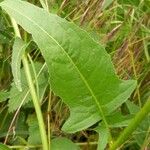
Bunias orientalis
Turkish rocket · Hill mustard · Warty-cabbage · Turkish wartycabbage · Turkish warty cabbage
Description
Source: leafsnapBunias orientalis, the Turkish wartycabbage, warty-cabbage, hill mustard, or Turkish rocket, is a edible wild plant species in the genus Bunias. It is classified as an invasive neophyte in most of Middle Europe and parts of North America.
🌳 Although Turkish wartycabbage is often regarded as a persistent weed, it has an uncommon flavor that has encouraged its use in inventive culinary applications. Its young leaves can be used as a bitter, peppery seasoning in salads, and its roots can be eaten much like parsnips, contributing a distinctive element to dishes. Additionally, there is potential to develop new food products that take advantage of its unique taste profile.
Care Guide
💧 Water
Native to moderate climates, Turkish wartycabbage requires consistent moisture and should be watered weekly to prevent waterlogging. Although it flourishes in temperate regions, this plant is resilient to fluctuating rainfall and can endure short periods of dryness, thanks to its efficient water storage mechanisms.
How should I water my Turkish wartycabbage?
To ensure the Turkish wartycabbage stays healthy, use filtered water at room temperature. Tap water can have harmful particles, so filtered water is better. The plant comes from a warm environment, so avoid using cold water which can be shocking. Instead of overhead watering, apply filtered room temperature water to soak the soil completely. This benefits the plant by moisturizing the roots and aiding in nutrient absorption.
What should I do if I give my Turkish wartycabbage too much or too little water?
Overwatering and underwatering can both harm your Turkish wartycabbage, but overwatering is a more common issue. When this plant gets too much water, its stems and leaves may wilt and turn yellow. Overwatering for a long time can also cause diseases like root rot, mold, and mildew, which can be fatal for your plant. Underwatering is less likely for the Turkish wartycabbage because it can tolerate drought, but it can still happen. If it does, you'll notice that the leaves become dry and brown. It's important to detect signs of overwatering early when caring for your Turkish wartycabbage. Some diseases caused by overwatering, like root rot, might not be fixable if you wait too long. If you see initial signs of overwatering, reduce your watering schedule immediately. Also, check the soil quality where your Turkish wartycabbage is growing. If it drains poorly, replace it with loose, well-draining potting mix. On the other hand, if you see signs of underwatering, simply water more regularly until the signs go away.
How many times do I need to water my Turkish wartycabbage?
If your plant is in a pot, the most precise way to determine if your Turkish wartycabbage needs water is by checking the soil moisture. Simply stick your finger into the soil and if the first two to three inches are dry, it's time to water. Similarly, if you grow your Turkish wartycabbage outdoors in the ground, you can use the same method. When the top few inches of soil have dried out, it's a sign to water. In spring and early fall, watering once a week is typically sufficient. However, in hot weather, watering may need to be increased to twice or more per week. It's worth noting that mature, well-established Turkish wartycabbage plants have a remarkable ability to withstand drought.
How much water does my Turkish wartycabbage require?
When watering your Turkish wartycabbage, don't hesitate to give it a good amount of water. Make sure the top few inches of soil are dry before watering. Give the plant a thorough watering, making sure the soil is completely soaked. Add enough water so that it drains through the bottom of the pot. If there is no excess water draining, then you have likely not watered enough. However, be careful not to let the water accumulate in the soil, as this can harm the plant. On the other hand, if there is no water draining through the pot, it could mean that the soil doesn't drain well, which is not good for the plant's health. If the plant is outside, it will need about 1 inch of rain per week.
How should I water my Turkish wartycabbage as it grows?
The water needs of the Turkish wartycabbage can vary depending on its growth stages. In the early years or when it is newly transplanted, more water is required. During these stages, the plant focuses on developing new roots, which need extra moisture for optimal growth. As the plant matures, it will need less water. Another stage that may require additional watering is during the bloom period when the flower development requires more moisture.
☀️ Light Full sun
Turkish wartycabbage does best beneath a clear sky with abundant sunlight for most of the day. The typical plentiful sunlight in its native habitat promotes healthy growth. However, exposure to either too much or too little light can negatively affect this plant.
What are the sunlight requirements for Turkish wartycabbage?
Turkish wartycabbage (Bunias orientalis) needs to be in full sun, which means it requires more than 6 hours of sunlight daily to thrive. Ensuring the plant receives ample sunlight is crucial for its health, as its native habitat is characterized by clear skies and abundant sunshine. If you're planning your garden, observe how sunlight moves through the area to find spots that offer a good balance of light and shade, aiming to meet the plant's needs while avoiding any potential harm from excessive exposure.
How can artificial lighting support Turkish wartycabbage growth indoors?
When natural sunlight is insufficient, especially during winter or in less sunny spaces, artificial lighting can be vital for the growth of Turkish wartycabbage indoors. Such lighting promotes faster, healthier growth. LED lights are a popular choice as they can be tailored to provide specific light wavelengths needed by plants. For full sun plants like Turkish wartycabbage, 30-50W per square foot of artificial light is recommended. The light source should be placed 12-36 inches above the plant to mimic natural sunlight and should be kept on for 8-12 hours per day to simulate the natural daylight hours most plants need.
What are the symptoms of improper lighting for Turkish wartycabbage?
Symptoms of inadequate lighting for Turkish wartycabbage include smaller new leaves, leggy or sparse growth, faster leaf drop, slower or no new growth, lighter-colored new leaves, chlorosis, sunscald, leaf curling, wilting, and leaf scorching. These symptoms can indicate either too much or too little light. Insufficient sunlight leads to weak growth and pale leaves, while too much sunlight can cause damage like leaf scorching and chlorosis. Monitoring your plant's exposure to sunlight and adjusting its environment accordingly can prevent these issues.
What solutions exist for correcting light conditions for Turkish wartycabbage?
To correct lighting conditions for Turkish wartycabbage, gradually move the plant to receive at least 6 hours of direct sunlight daily, if indoors use a south-facing window and consider artificial lighting if it's not movable. Outdoors, find the best spot for sunlight and adapt plant placement gradually to avoid shock. Pruning obstructions like tree branches can help increase sunlight exposure. For ground-level issues, transplanting during the plant's dormant period to a sunnier location is advised. It's important to note, while affected parts might not recover, new growth after increasing light exposure will be healthy.
🌡️ Temperature 10–35°C
Turkish wartycabbage does best in warmer climates, favoring temperatures of 68 to 95 °F (20 to 35 ℃). Native to temperate regions, it can cope with changing seasonal temperatures. In particularly cold winters, it may need extra care.
What is the ideal climate for Turkish wartycabbage?
Turkish wartycabbage, known botanically as Bunias orientalis, thrives in warmer climates, with an ideal temperature range of 68 to 95 °F (20 to 35 °C). Although it is native to temperate regions and can adjust to varying seasonal temperatures, it requires extra care during particularly cold winters. Despite its strong cold resistance, in areas where winter temperatures are expected to drop below -25°C, it's crucial to provide protection by covering the plant with soil or straw. Additionally, watering the plant abundantly before the first freeze in autumn helps keep the soil moist and prevents drought and water scarcity during winter and early spring.
How does Turkish wartycabbage react to low temperatures?
Turkish wartycabbage is cold-tolerant, performing best when the temperature remains above 20°C and should ideally be kept above 0°C during winter. When the temperature falls below -25°C, there might not be noticeable changes during the winter; however, there could be a decrease in sprouting or even no sprouting come springtime. The solution for any parts of the plant that fail to sprout in the spring is to remove them, allowing for new growth.
What should I do if my Turkish wartycabbage experiences high temperatures?
During the summer, it's important to ensure that the temperature around your Turkish wartycabbage stays below 35°C. If temperatures exceed 38°C, the plant's leaves may become lighter, more prone to curling, susceptible to sunburn, and in severe cases, the entire plant may wilt and become dry. To combat this, trim away any sunburned or dried-up parts of the plant. Moving the plant to a shaded location or using a shade cloth to protect it from the midday and afternoon sun can also be beneficial. Additionally, watering the plant in the morning and evening will help keep the soil moist and support the plant's health in high temperatures.
💨 Humidity
🪴 Soil 6-7
🌱 Fertilizer
A single spring application of fertilizer is generally enough for Turkish wartycabbage, though several feedings can help maximize growth. Feed it every month to every month and a half. Fertilization improves the leaves’ appearance and function, maintaining uniform color and a healthy texture. It also encourages root development and nutrient uptake for the plant’s long-term health.
Why should I put fertilizer on my Turkish wartycabbage plant?
The Turkish wartycabbage relies on its leaves for structure, so fertilization is important for both appearance and function. With proper fertilization, the leaves will have consistent color and a healthy texture. Fertilization also benefits the plant below the surface by promoting new root growth and maintaining the existing roots. This not only ensures current plant health but also enhances its ability to absorb nutrients from the soil in the future.
When should I fertilize my Turkish wartycabbage for the best results?
If you grow your Turkish wartycabbage outdoors, it will begin to grow new leaves in early spring. This is a sign that it's time to start fertilizing for the year. Usually, just one application of fertilizer is enough for a Turkish wartycabbage in the spring. But, if you want to get the most growth out of it, you can fertilize multiple times during the spring and early summer. If you choose this option, you can feed your Turkish wartycabbage once every month to a month and a half.
When should I not put fertilizer on my Turkish wartycabbage?
During the late fall and winter, your Turkish warty cabbage will go into a dormant phase and stop producing new growth. It is best to avoid fertilizing it during this time. When spring and summer arrive, you can choose to fertilize multiple times, but remember to reduce the fertilization rate as summer approaches because the growth rate of your Turkish warty cabbage will slow down. In general, it is not a good idea to fertilize your Turkish warty cabbage when the weather is unusually hot or the soil is extremely dry as this can cause stress and premature death of the plant.
Which fertilizer should I use for my Turkish wartycabbage?
Choosing the ideal fertilizer for a Turkish wartycabbage is actually quite simple. These plants thrive with a general-purpose garden fertilizer that contains equal amounts of nitrogen, phosphorus, and potassium, commonly known as a 10-10-10 ratio or similar. It's best to steer clear of fertilizers with high nitrogen content if you're unsure. The majority of recommended fertilizers for Turkish wartycabbage are in granular form, which conveniently provides slow-release nutrients when applied to the soil. Additionally, using an organic soil amendment like compost can be beneficial for feeding your Turkish wartycabbage.
How can I make my Turkish wartycabbage grow better?
In early spring, when you notice your Turkish wartycabbage starting to sprout its first leaves, it's time to apply a granular slow-release fertilizer with a balanced formula to the soil around the base of the plant. You can repeat this process later in the season if desired. When applying fertilizer to a Turkish wartycabbage, remember to focus on the soil at the base of the plant rather than applying it directly to the plant itself. Sometimes, you may need to move some leaves aside to access the soil above the roots. It's also a good idea to water your Turkish wartycabbage before and after fertilizing.
🪴 Pot & Repot
✂️ Pruning
To promote growth and flowering, prune Turkish wartycabbage from early to late spring. Concentrate on removing dead stems and shaping the plant to improve airflow and light penetration. Trim back spent blooms to prolong the flowering period. These practices enhance the plant's health, vigor, and appearance while also preventing disease.
🌿 Propagating
🐛 Diseases & pets
☠️ Toxicity
Characteristics
- Plant Type
- Herb
- Life Cycle
- Perennial, Annual
- Genus
- Bunias
- Family
- Brassicaceae
- Hardiness Zone
- 6-9
- Mature Height
- 61 cm to 91 cm
- Mature Spread
- 30 cm to 91 cm
- Leaf Color
- Green, Dark Green
- Leaf Type
- Semi-evergreen
- Flower Color
- Yellow
- Flower Size
- 1.02 cm
- Bloom Time
- Late spring, Early summer, Mid summer
- Planting Time
- Spring, Summer, Autumn
- Harvest Time
- Mid summer
- Native Area
- Turkey, Romania, Bulgaria, Armenia, Croatia, Slovenia, Belarus, Serbia, Russia, Iraq, Kyrgyzstan, Kazakhstan, Mongolia, Iran, Azerbaijan, Hungary