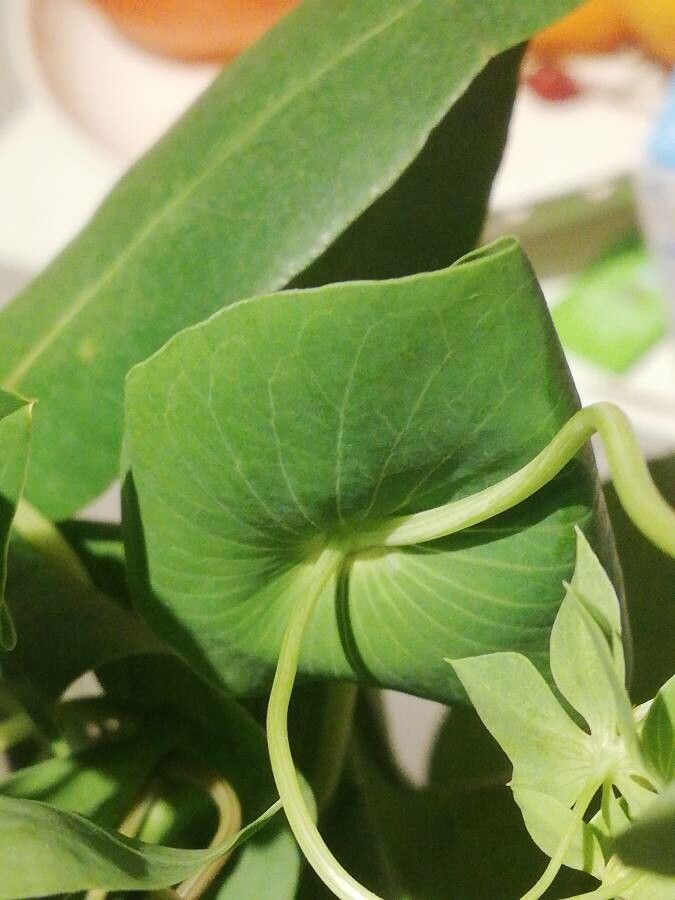
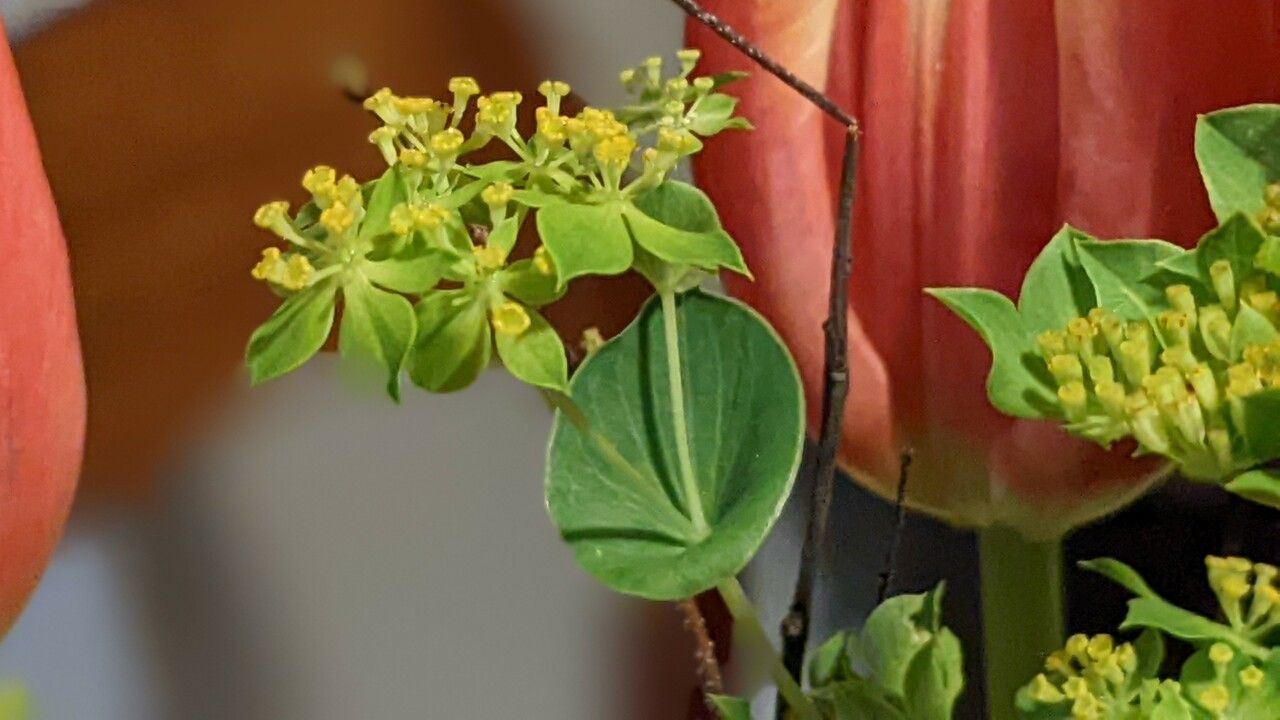
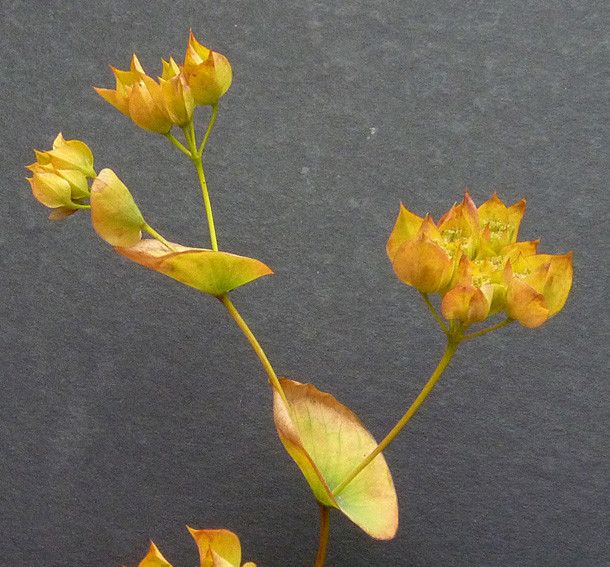
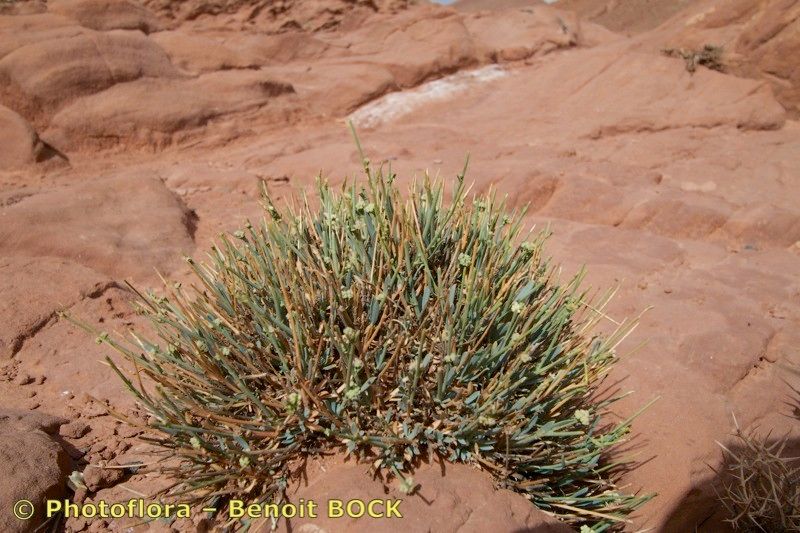
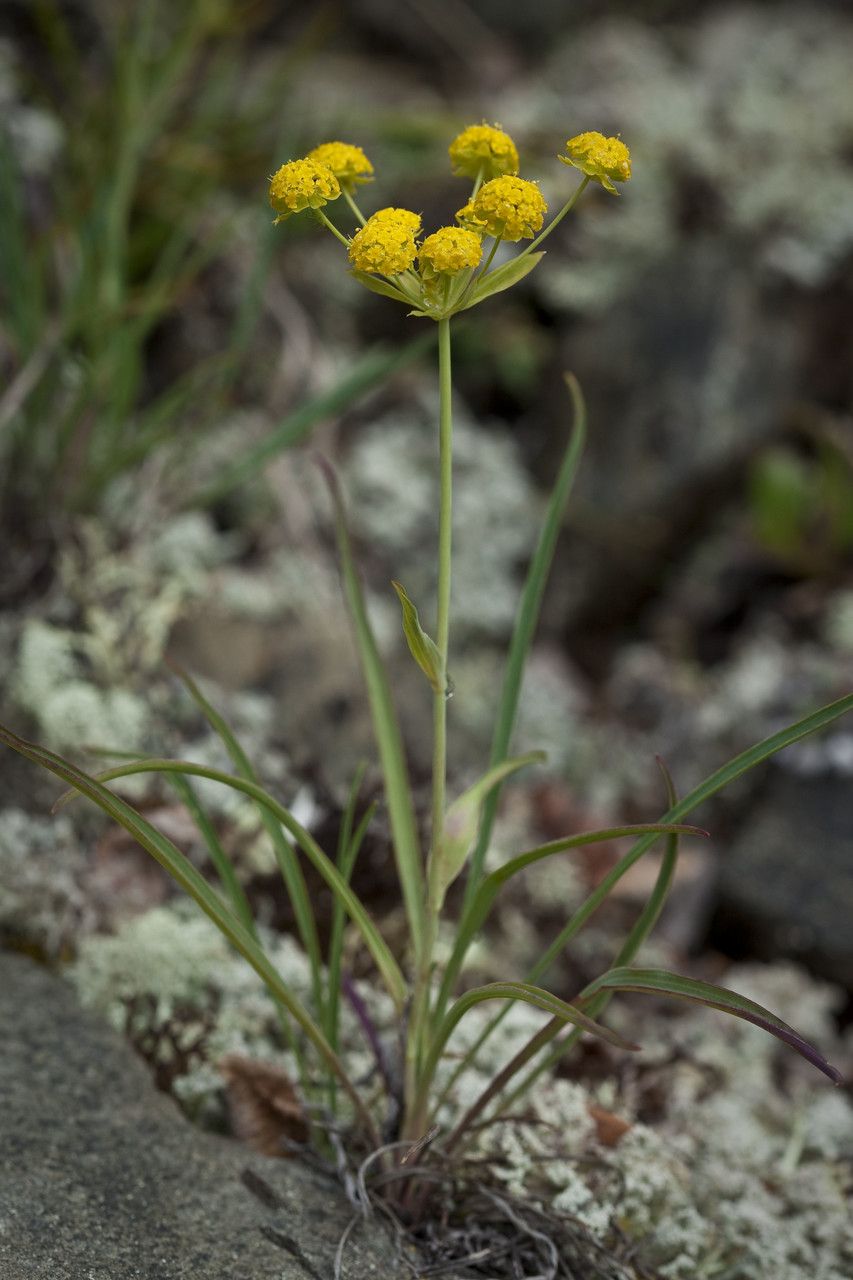
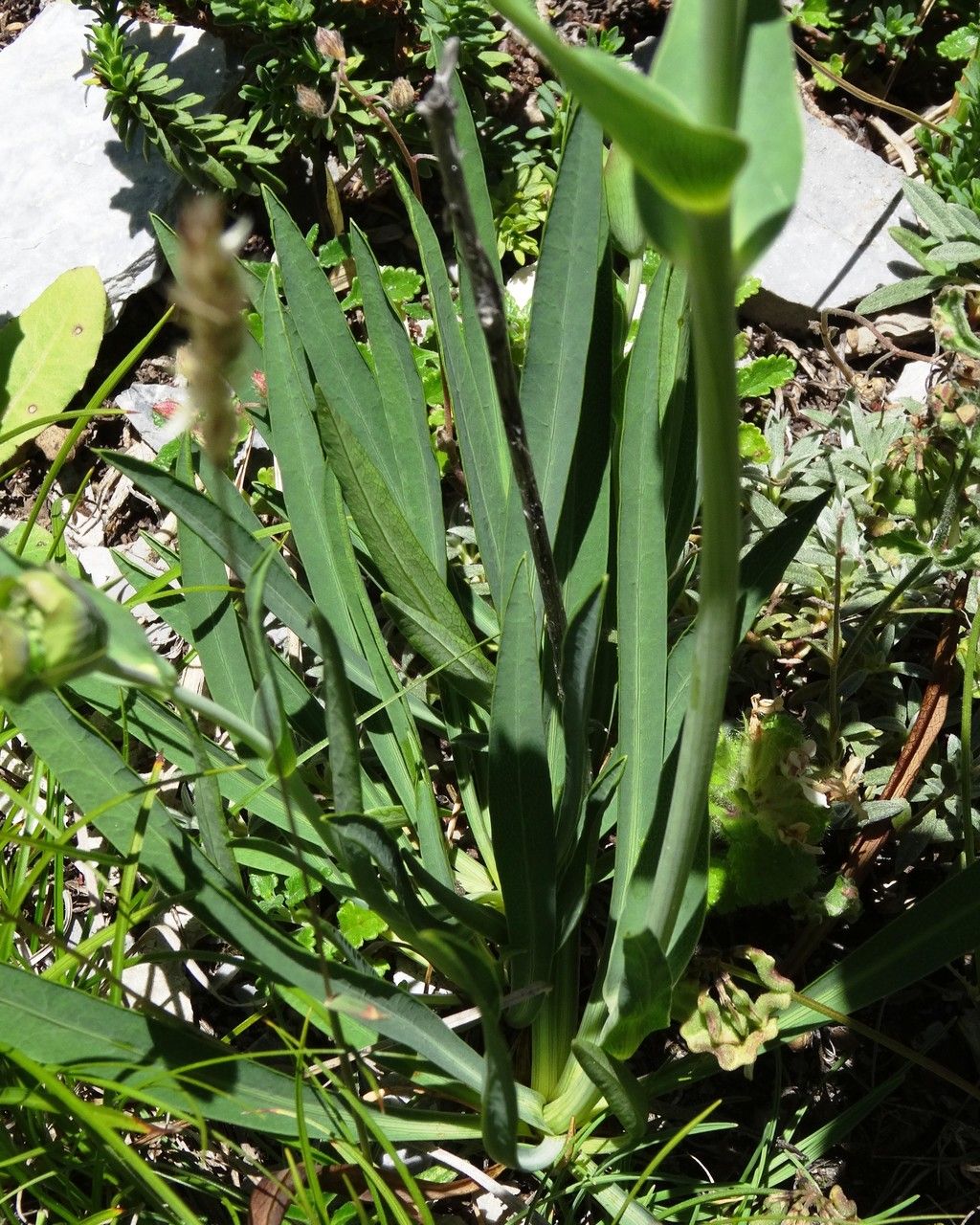
Bupleurum rotundifolium is a perennial herbaceous plant belonging to the Apiaceae family. Native to Europe and Asia, it typically grows in meadows, grasslands, and rocky slopes. The plant features a slender stem that can reach up to 60 cm in height, with round leaves arranged alternately along the stem.
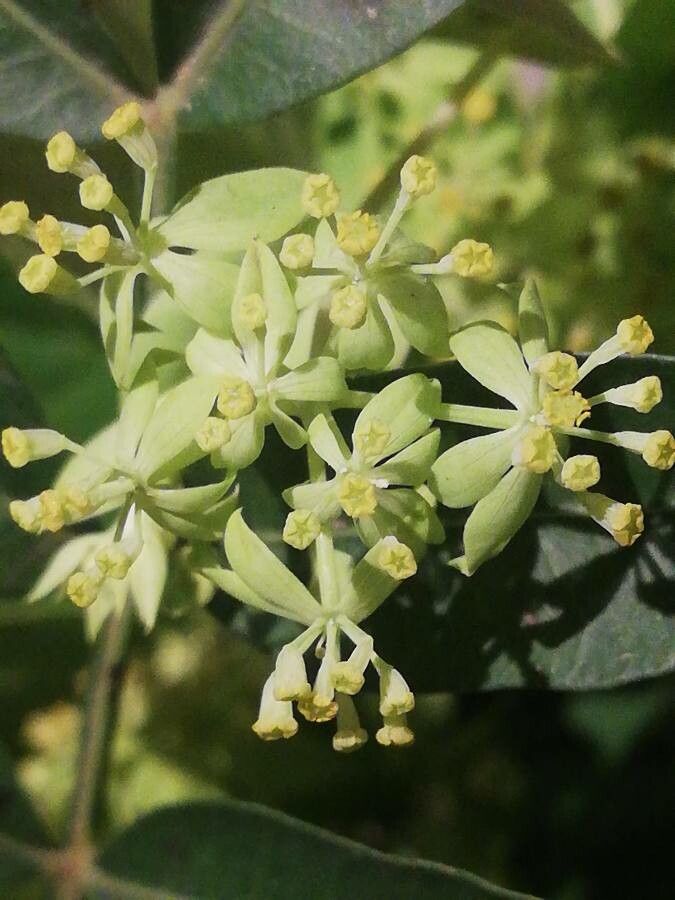
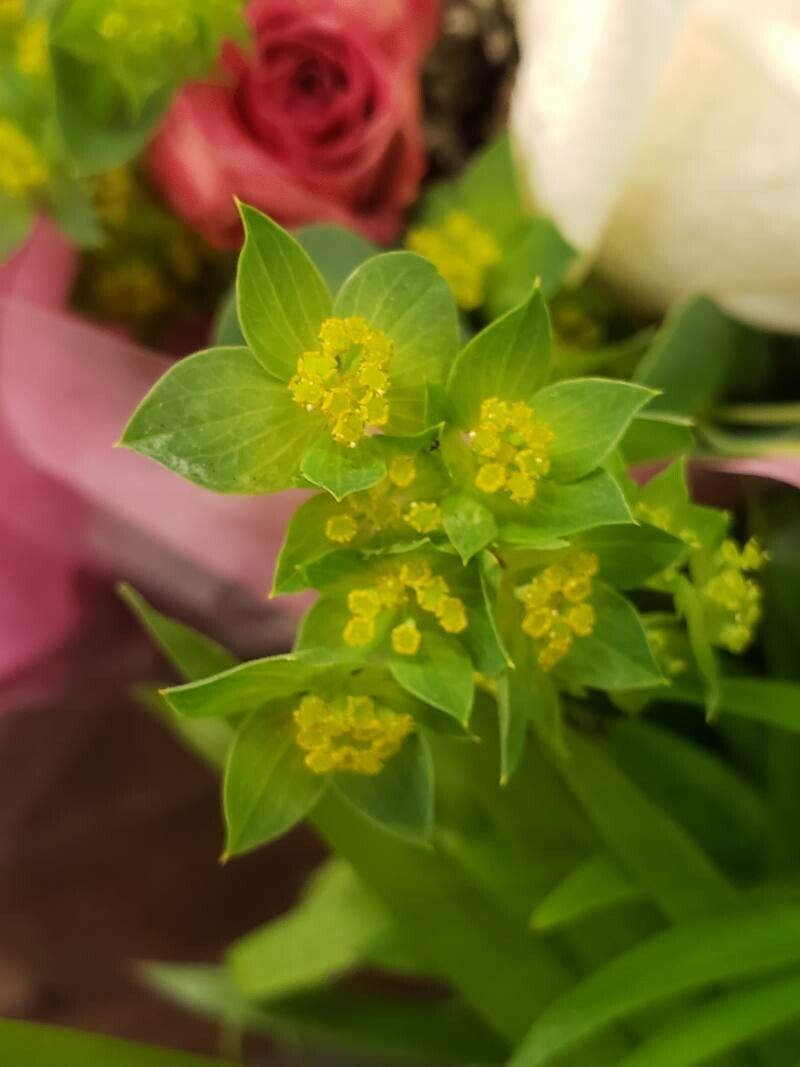
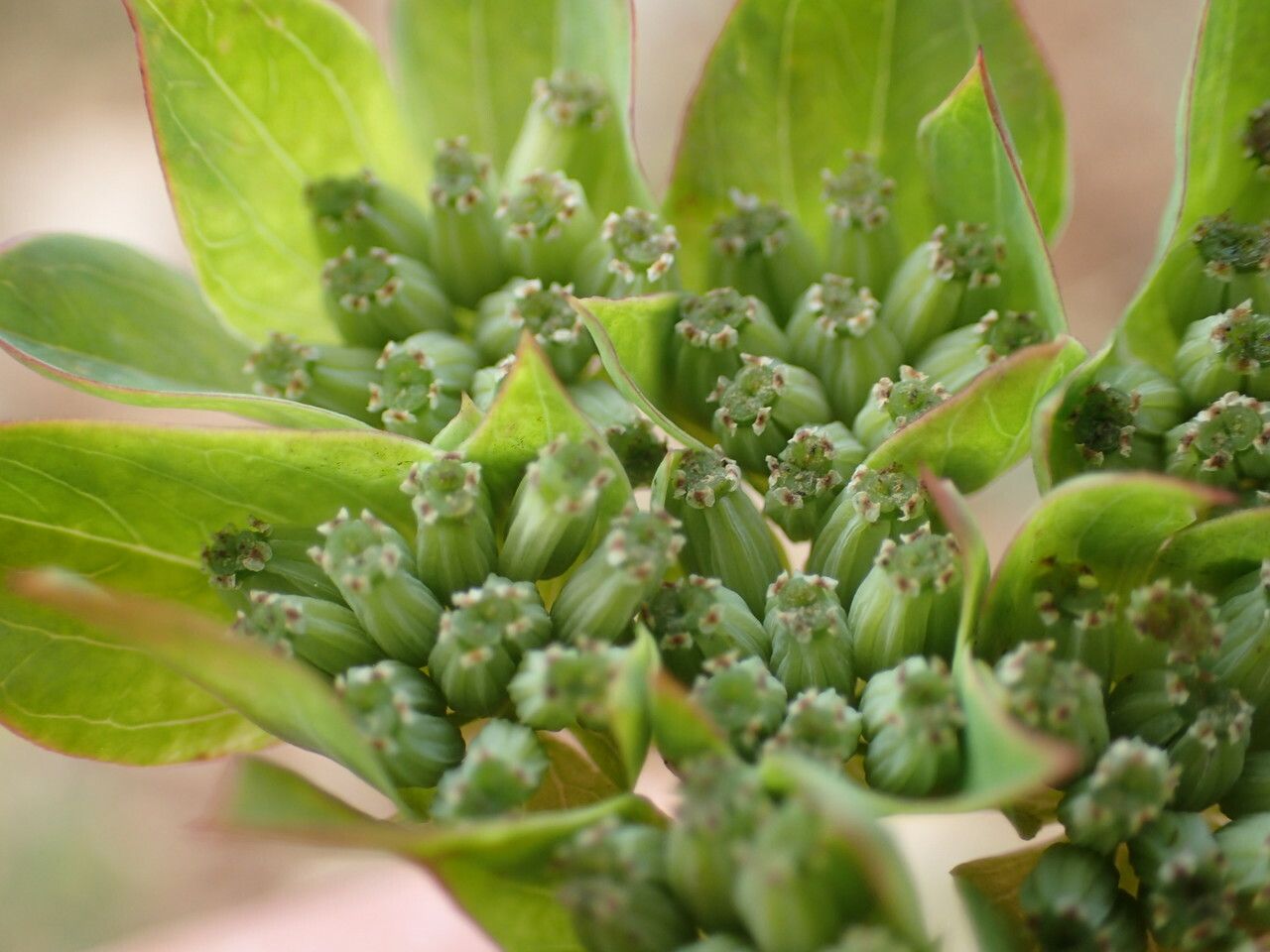
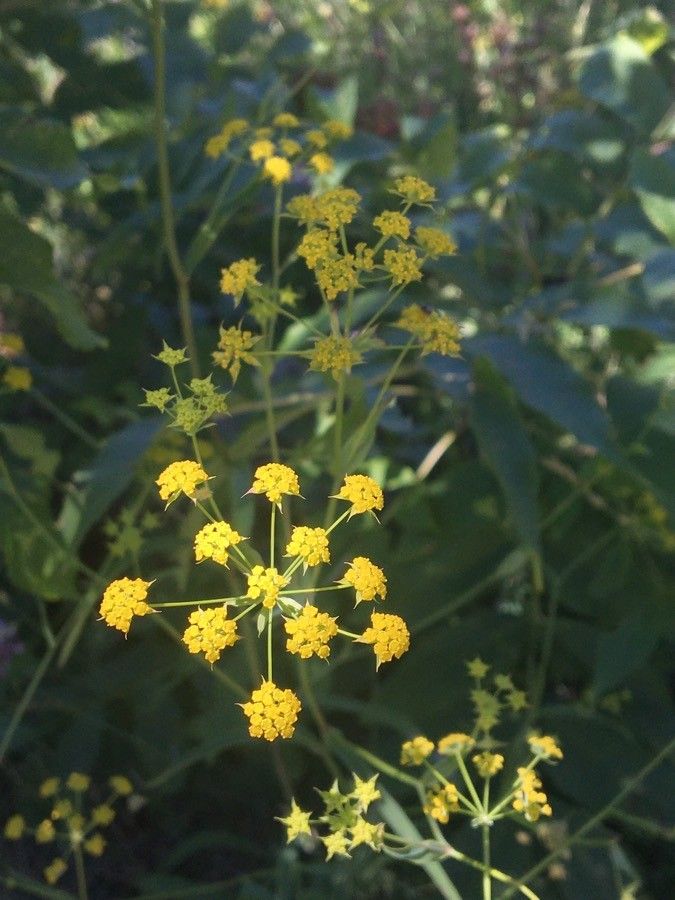
The flowers of Bupleurum rotundifolium are small, yellow-green, and arranged in umbels at the top of the stem. The plant blooms from June to August.
This plant has been valued for its medicinal properties for centuries, particularly for its anti-inflammatory effects. Traditionally, it has been used as a natural remedy for a variety of ailments, including fever, coughs, colds, digestive disorders, and liver problems.
Besides its medicinal uses, Bupleurum rotundifolium is also an attractive ornamental plant. Its delicate foliage and small yellow-green flowers make it an ideal addition to gardens or borders.
In summary, Bupleurum rotundifolium is a versatile herbaceous perennial with both ornamental appeal and medicinal benefits, making it an interesting choice for gardeners and those interested in natural remedies.
The plant Bupleurum rotundifolium is often called "Hare's Ear" or "Green Gold." Its Latin name has an interesting origin: the first part, "Bupleurum," is derived from Greek words meaning "ox" (bous) and "rib" (pleuron). The second part, "rotundifolium," translates to "round-leaved." The common name "Hare's Ear" likely refers to the shape of the leaves, which resemble a rabbit’s ear.
Green Gold shows strong resistance to diseases and is generally not vulnerable to them. Still, it can be affected by pests and illnesses that exist in its environment. Such infections are typically mild. Regarding maintenance, this plant requires a moderate level of care. It should be pruned regularly to preserve a neat appearance and support healthy growth. Applying fertilizer can also encourage blooming. Green Gold is well-suited for anyone who has outdoor space, like a garden or patio, and does not demand extensive gardening experience. It may need more attention when kept indoors.
How to keep Bupleurum Rotundifolium.
Light
Green Gold performs best when it gets plenty of sunlight each day. The abundant sunlight in its native habitat helps support its healthy growth. The plant does not need changing light conditions during different growth stages. However, too much sun can cause damage, while too little light can hinder its growth.
Water
Green Gold thrives best with moderate soil moisture, requiring weekly watering for optimal growth. This herbaceous plant benefits from rainwater during its growing season, as it supports its growth cycles while preventing waterlogging. Properly balancing soil moisture is crucial for maintaining the plant's health and promoting lush foliage.
Temperature
Green Gold naturally grows in environments with temperatures ranging from 68 to 95 °F (20 to 35 °C). The plant favors warmer climates and may need adjustments during colder seasons to maintain an optimal temperature.
Fertilizer
When most of Green Gold's blooms have opened to full size, resume fertilizing. Around the time the blooms are at their peak, fertilize once every three to four weeks, as weather permits. Then, when Green Gold begins producing fewer new blooms, stop fertilizing; there's no need to feed the plant when it can no longer produce more blooms.
Pruning
Green Gold is an annual herb with rounded leaves and vibrant green-gold flowers. For optimal growth and to prevent legginess, it should be pruned from early to late spring. Focus on removing dead stems and thinning out dense areas. Regular pruning encourages bushier growth and enhances the plant's appearance in your garden.
Pot & Repot
When repotting Green Gold, choose a pot that is 1-2 inches (2.5–5.1 cm) larger in diameter and that has good drainage. Use a well-draining potting mix and consider adding perlite for extra drainage. Repot in spring or early summer, then water thoroughly and keep it in a shady spot at first.
Botanical profile.
- Plant Type
- Herb
- Life Cycle
- Annual, Biennial
- Genus
- Bupleurum
- Family
- Apiaceae
- Hardiness Zone
- 5-9
- Mature Height
- 30 cm to 61 cm
- Mature Spread
- 40 cm
- Leaf Color
- Green
- Leaf Type
- Semi-evergreen
- Flower Color
- Yellow
- Flower Size
- 0.20 cm to 0.25 cm
- Bloom Time
- Late spring, Early summer, Mid summer
- Planting Time
- Spring
- Harvest Time
- Mid summer
- Native Area
- Turkey, India, Austria, Slovakia, Montenegro, Bulgaria, Pakistan, Armenia, Poland, Croatia, Slovenia, Greece, Belarus, Ukraine, Serbia, Russia, Hungary, Germany, Kyrgyzstan, Italy, Spain, Switzerland, Iran, Albania, Azerbaijan, Algeria, Romania, Belgium, Moldova, Turkmenistan, France
Other names.
Reader questions.
How should I water my plants?
To water Green Gold, you have a few options. You can use a garden hose with a spray nozzle, a watering can, or just about any other common watering tool. Green Gold is not too particular about where its water comes from. It can survive on rainwater, tap water, or even filtered water. However, be careful not to water this plant from overhead. This can harm the leaves and flowers and potentially lead to disease. Instead, a drip irrigation system is often the best choice. These systems distribute water evenly and directly to the soil. If you have a container-grown Green Gold, the same principles apply but you'll need different tools. Use a cup, watering can, or your tap to water the plant directly at the soil.
Why should I put fertilizer on my Green Gold?
Plants need nutrients to survive, and this is a well-known fact for most gardeners, regardless of their experience. Without food, Green Gold plants will not last long after their first pollination. To ensure their survival and promote large, beautiful flowers throughout the blooming season, it is crucial to provide the right type and amount of nutrients. Fertilizer is particularly beneficial as it helps Green Gold plants develop a strong and healthy root system. This is important because the plant's root system is delicate and easily damaged. By fertilizing at planting, Green Gold plants can establish a solid root structure that not only provides stability but also sets the stage for an exceptional flowering performance. Proper timing of fertilization can even prolong the flowering period of Green Gold plants.
What are the sunlight requirements for Green Gold plants?
Green Gold plants require above 6 hours of sunlight daily to thrive. It's important to observe how sunlight moves through your garden and choose locations that provide a balance of light and shade. This ensures that your Green Gold plants receive the ample sunlight they need from their original habitat for healthy growth. They do not require light variations across different growth stages, but it's crucial to avoid overexposure that could lead to damage, as well as inadequate light which might impede growth.
What is Green Gold and what are its optimal growing conditions?
Green Gold, scientifically known as Bupleurum rotundifolium, flourishes in environments where temperatures range from 68 to 95 °F (20 to 35 °C). This plant is better suited to warmer climates and may require adjustments during the colder seasons to reach an ideal temperature range. Despite its strong cold resistance, when winter temperatures are forecasted to drop below -25°C, cold protection measures should be taken by covering the plant with materials such as soil or straw. It's advisable to water the plant abundantly before the first freeze in autumn so that the soil remains moist and freezes, which helps in preventing drought and water scarcity during winter and early spring.
What should I do if I give too much or too little water to my Green Gold?
If you notice that your Green Gold plant is not getting enough water, the solution is simple: water it more regularly. However, overwatering can be a more serious problem if not addressed early. It can cause diseases that can lead to the decline and death of your Green Gold. To prevent this, choose a location with plenty of sunlight to dry out the soil and ensure good drainage to avoid waterlogging. If your Green Gold is in a pot and you have overwatered it, consider changing it to a new pot with better drainage. When repotting, use loose soil and a pot that drains efficiently.
When should I fertilize my Green Gold?
Green Gold experiences tremendous growth early in the growing season, after the risk of frost has passed. To achieve this growth, it is important to fertilize Green Gold during planting. Whether you plant it in the ground or in planters, the first dose of fertilizer should be applied. This will be the only dose of fertilizer until later in the year, when the blooms are at their fullest. Once the season is in full swing and Green Gold has opened most of its blooms, it is time to resume fertilizing. Begin fertilizing every three to four weeks, depending on the weather, when the blooms are producing at their peak. Once Green Gold starts producing fewer new blooms, stop fertilizing as it is unnecessary when the plant cannot produce more blooms.
How can artificial lighting benefit indoor Green Gold plants?
For indoor Green Gold plants, artificial lighting is key when natural sunlight is insufficient, especially during winter or in less sunny spaces. Artificial lights, such as LED lights, can promote faster and healthier growth by providing the specific wavelengths of light that plants need. The amount of artificial light needed varies depending on the plant's sunlight requirements, ranging from 30-50W/sq ft for full sun plants to 10-20W/sq ft for full shade plants. Positioning the light source 12-36 inches above the plant and ensuring it receives 8-12 hours of light per day are also important steps to mimic natural sunlight conditions effectively.
How does low temperature affect Green Gold and what are the remedies?
Green Gold exhibits a robust tolerance to cold, thriving best when the temperature stays above 20°C. During the winter months, it's essential to ensure temperatures remain above 0°C. If temperatures drop below -25°C, the plant may not show immediate adverse effects, but a decrease in sprouting or a complete absence of sprouting may be observed come springtime. To combat this, any parts of the plant that fail to sprout in spring should be removed to encourage new growth.
How frequently should I water my Green Gold?
Green Gold requires regular watering throughout the growing season. In the spring, it should be watered once a week. As the season progresses and temperatures increase, you may need to water it two to three times a week. However, exceeding this rate can harm the plant. Regardless of watering frequency, you should aim to keep the soil relatively moist but not wet. If Green Gold is in a pot, you'll need to water it more frequently due to the soil heating up and drying out faster. In most cases, container-grown Green Gold should be watered a few times per week, compared to once per week for plants in the ground.
When is it not a good idea to add fertilizer to my Green Gold?
Regular fertilizing is crucial for Green Gold, but it must be done at the right time. There are instances where it is better to hold off on applying fertilizer. These situations are primarily climate-related, but they also involve various factors that can be controlled. In essence, if there is something wrong with the plant, soil, or climate, it is advisable to wait until the issue is resolved and the plant has recovered. For example, it is not recommended to fertilize when there are severe or unexpected weather changes. If there is a sudden cold spell in the middle of summer, it is best to wait until the temperature warms up before fertilizing. The same goes for when the soil becomes too dry or compacted to absorb anything. In such cases, the fertilizer will simply go straight to the roots instead of being properly dispersed by the soil. This is unfavorable for the roots of Green Gold. During the hottest parts of the day when temperatures rise to around 90 degrees Fahrenheit, it is advisable to avoid applying fertilizer. The breakdown of fertilizer can vary depending on temperature, so it is important not to let high temperatures cause it to break down too quickly. Additionally, it is necessary to address and resolve any pest or disease issues before reapplying fertilizer.
What are the common symptoms of light deficiency in Green Gold plants?
When grown indoors with inadequate light, Green Gold plants may exhibit several symptoms indicating light deficiency. These include smaller new leaves, leggy or sparse growth, faster leaf drop, slower or no new growth, and lighter-colored new leaves. These symptoms arise as the plant struggles with poor light conditions and enters survival mode, leading to reduced growth and overall health.
What are the effects of high temperature on Green Gold and how can they be mitigated?
During the summer, keeping Green Gold below 35°C is crucial for its health. Should temperatures exceed 38°C, the plant's leaves might begin to lighten in color, becoming prone to curling, susceptible to sunburn, and in severe cases, the entire plant might wilt and dry out. To mitigate these effects, trim away any sunburned or dried parts of the plant. It's also advised to move the plant to a shaded location, especially away from the midday and afternoon sun, or use a shade cloth to provide protection. Watering the plant in the morning and evening will help keep the soil moist and further protect the plant from high temperature stress.