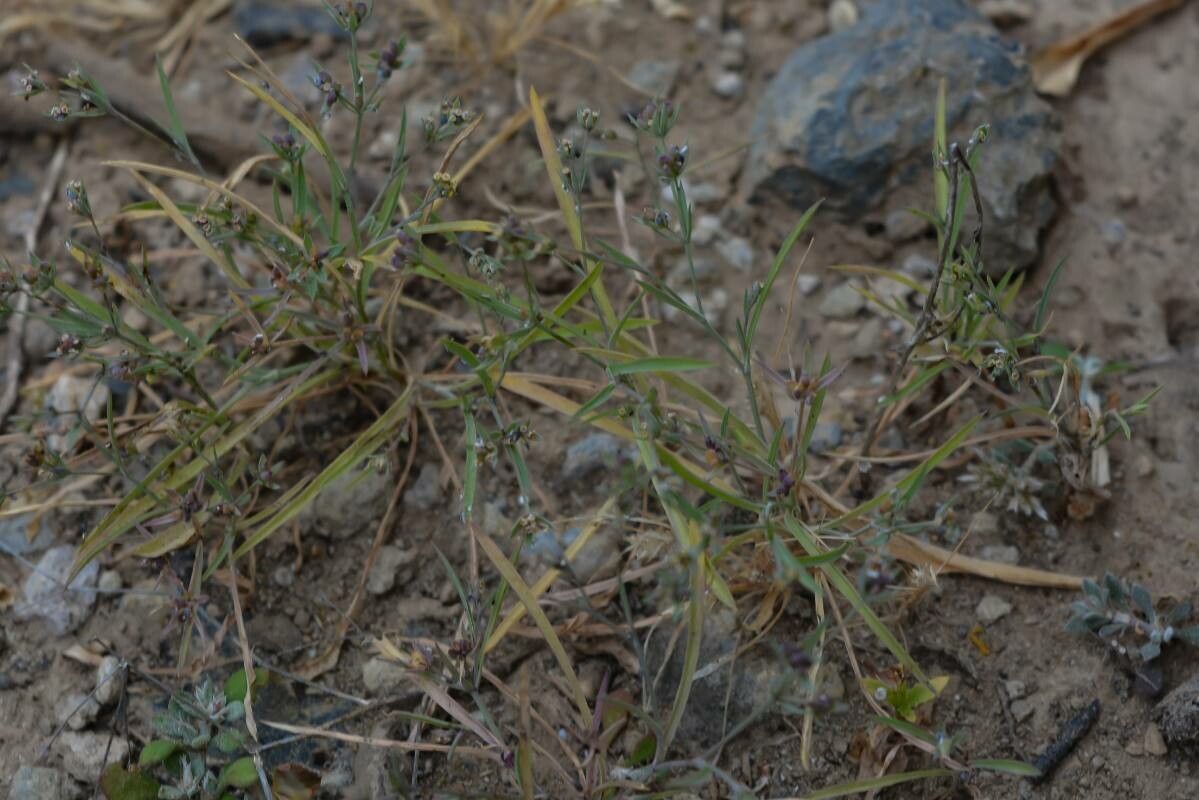
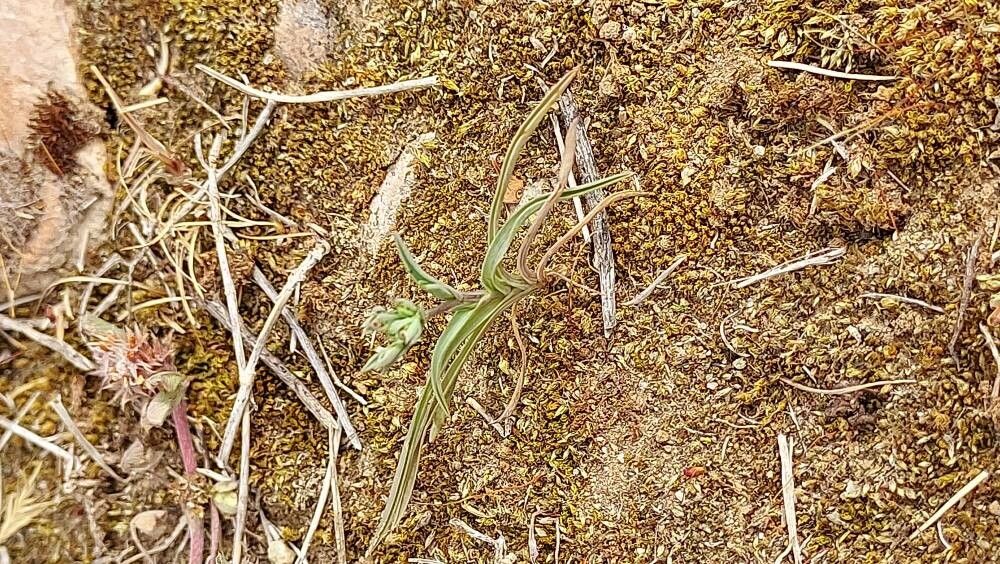
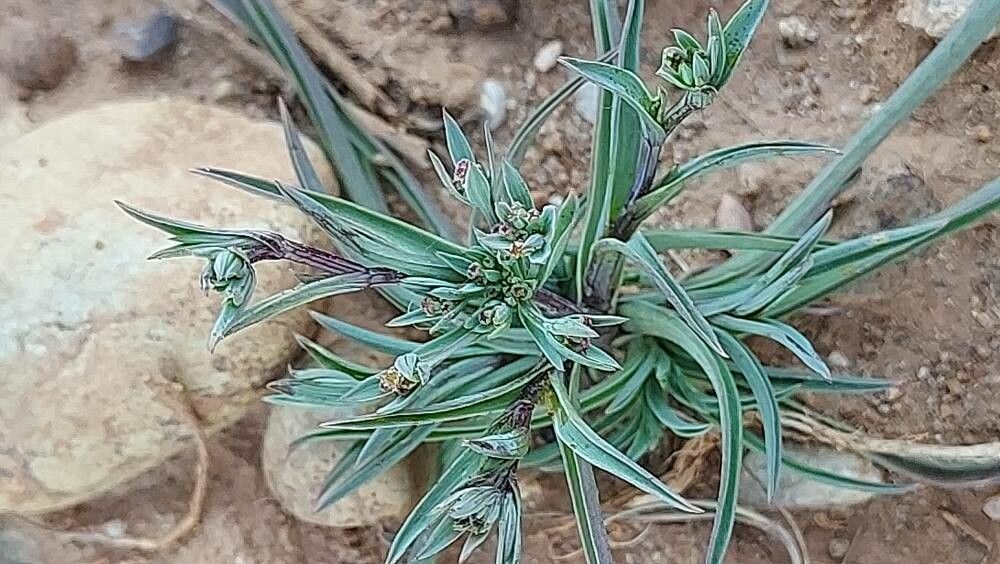
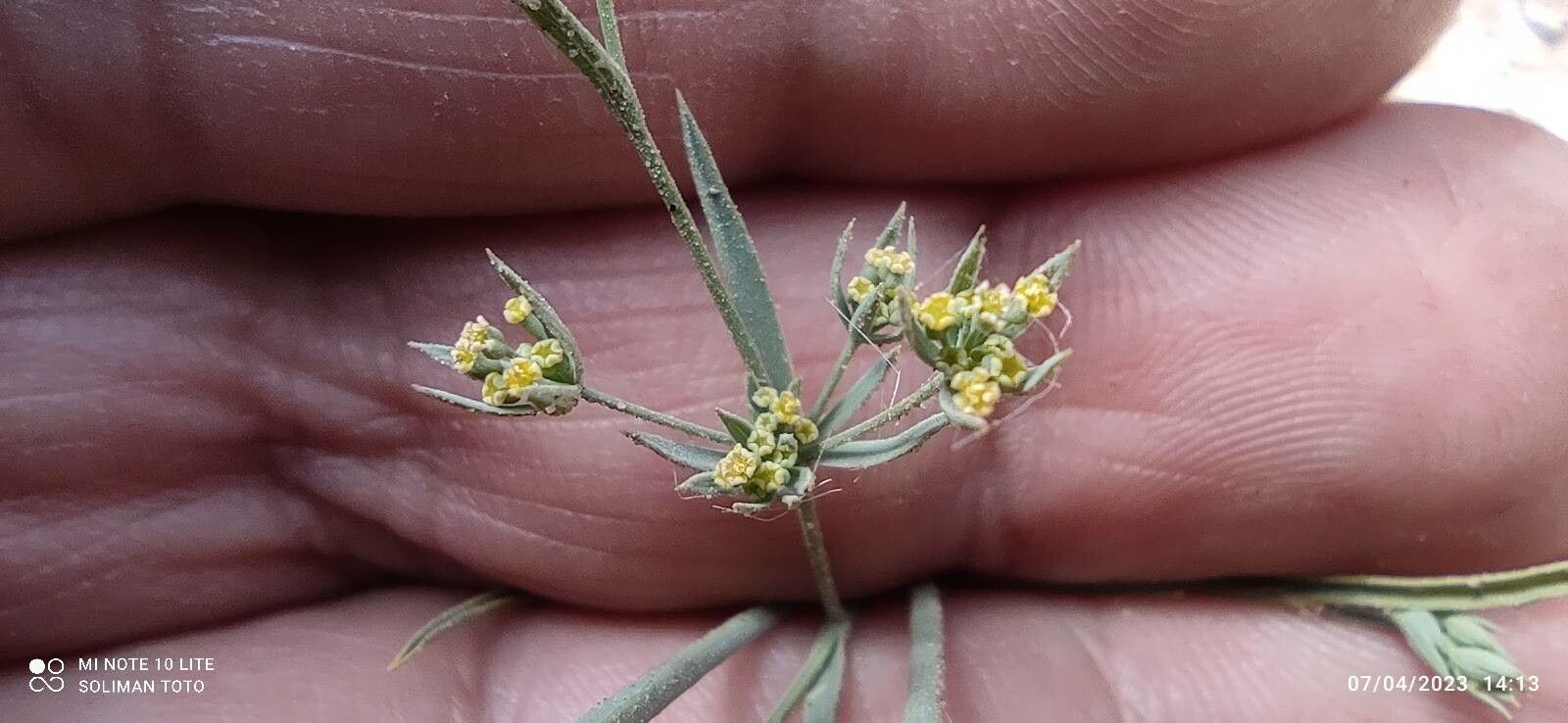
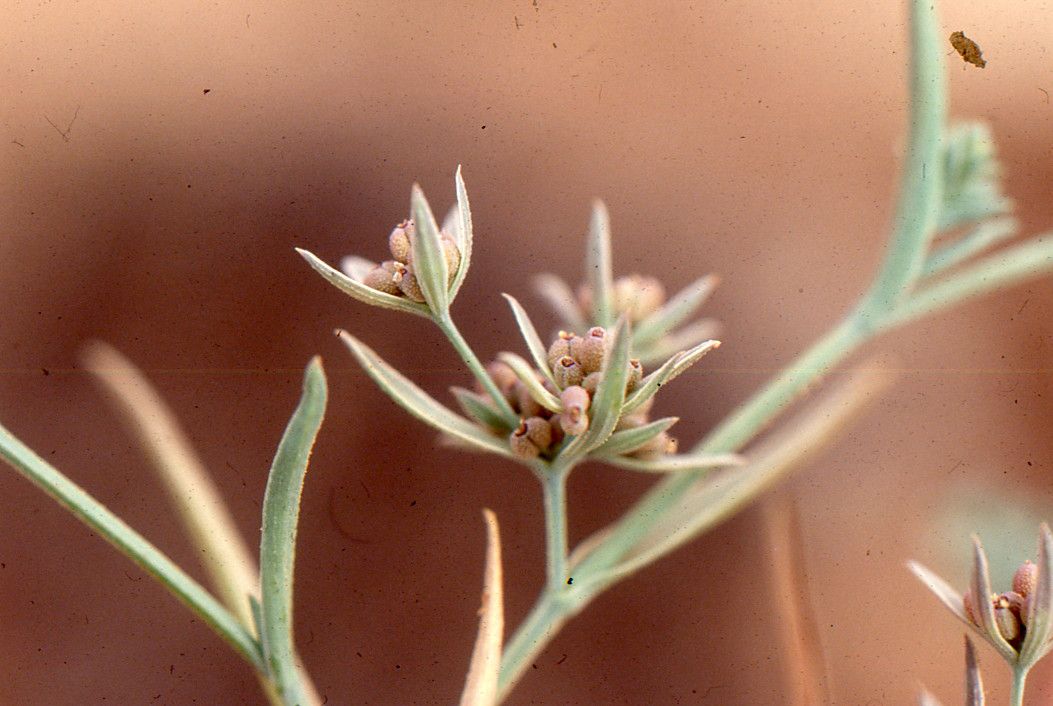
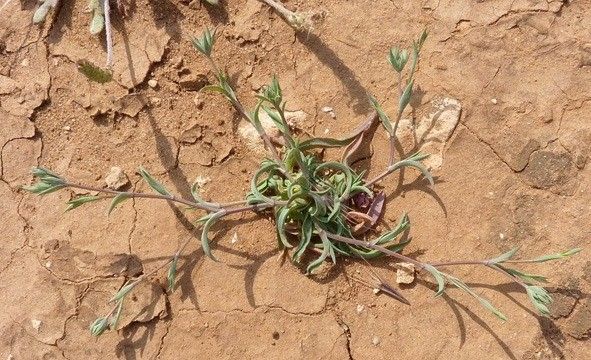
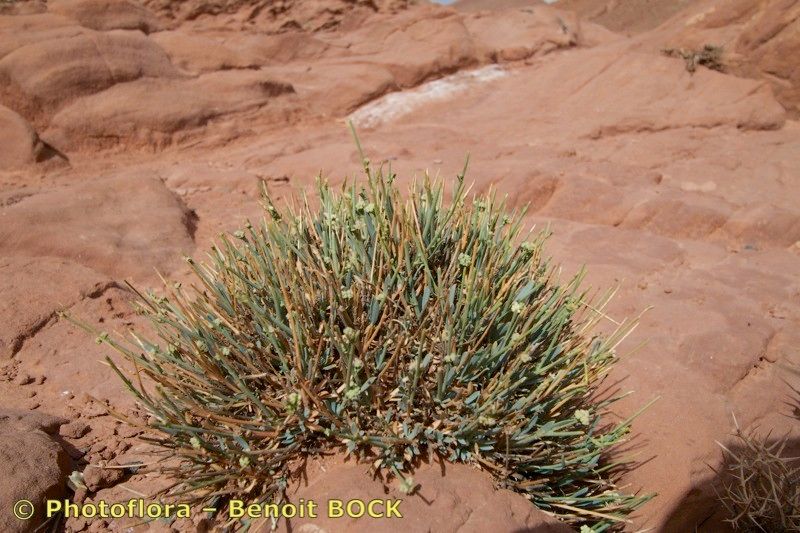
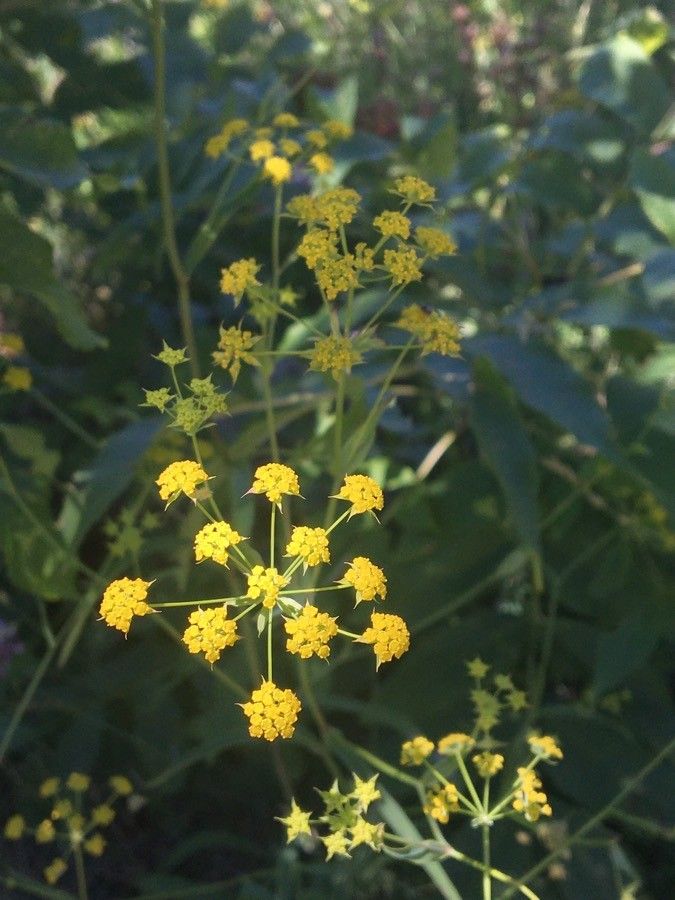
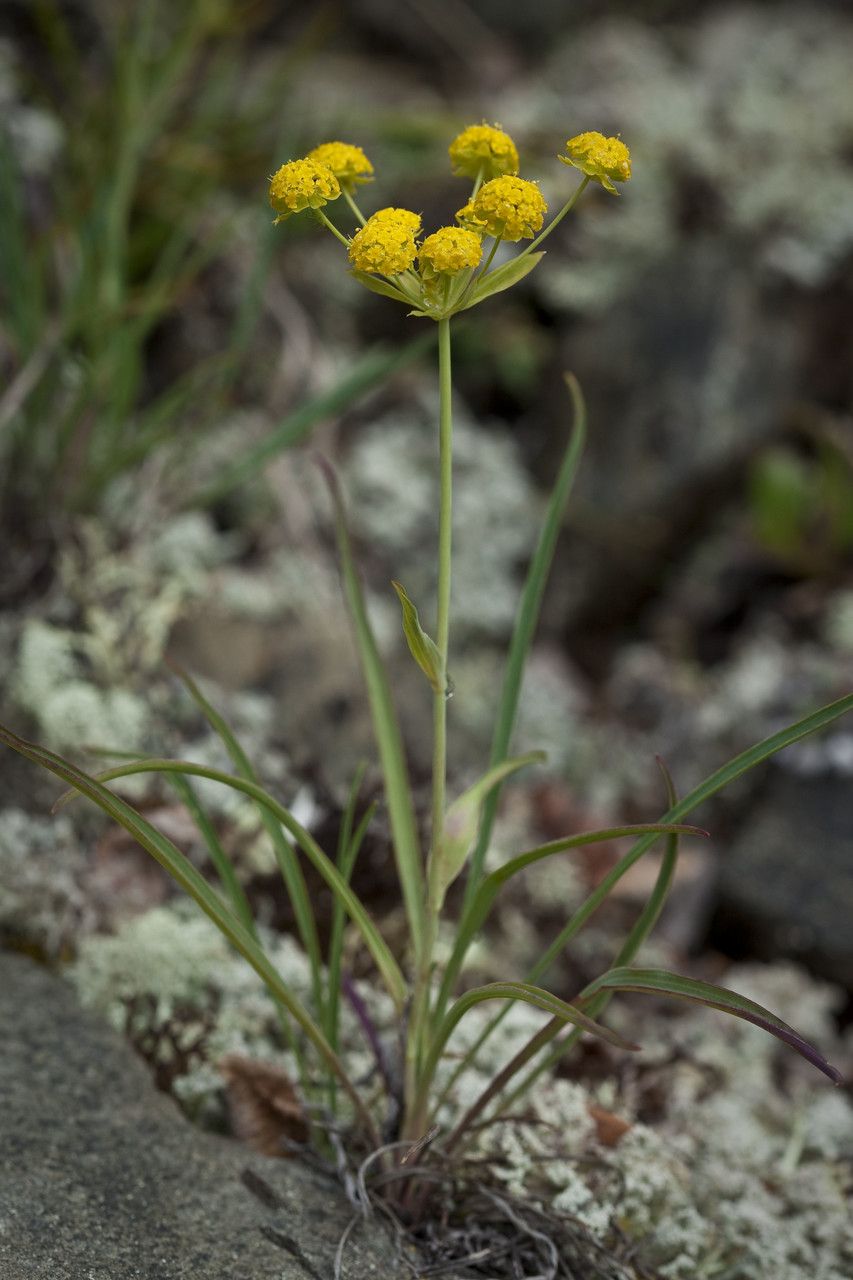
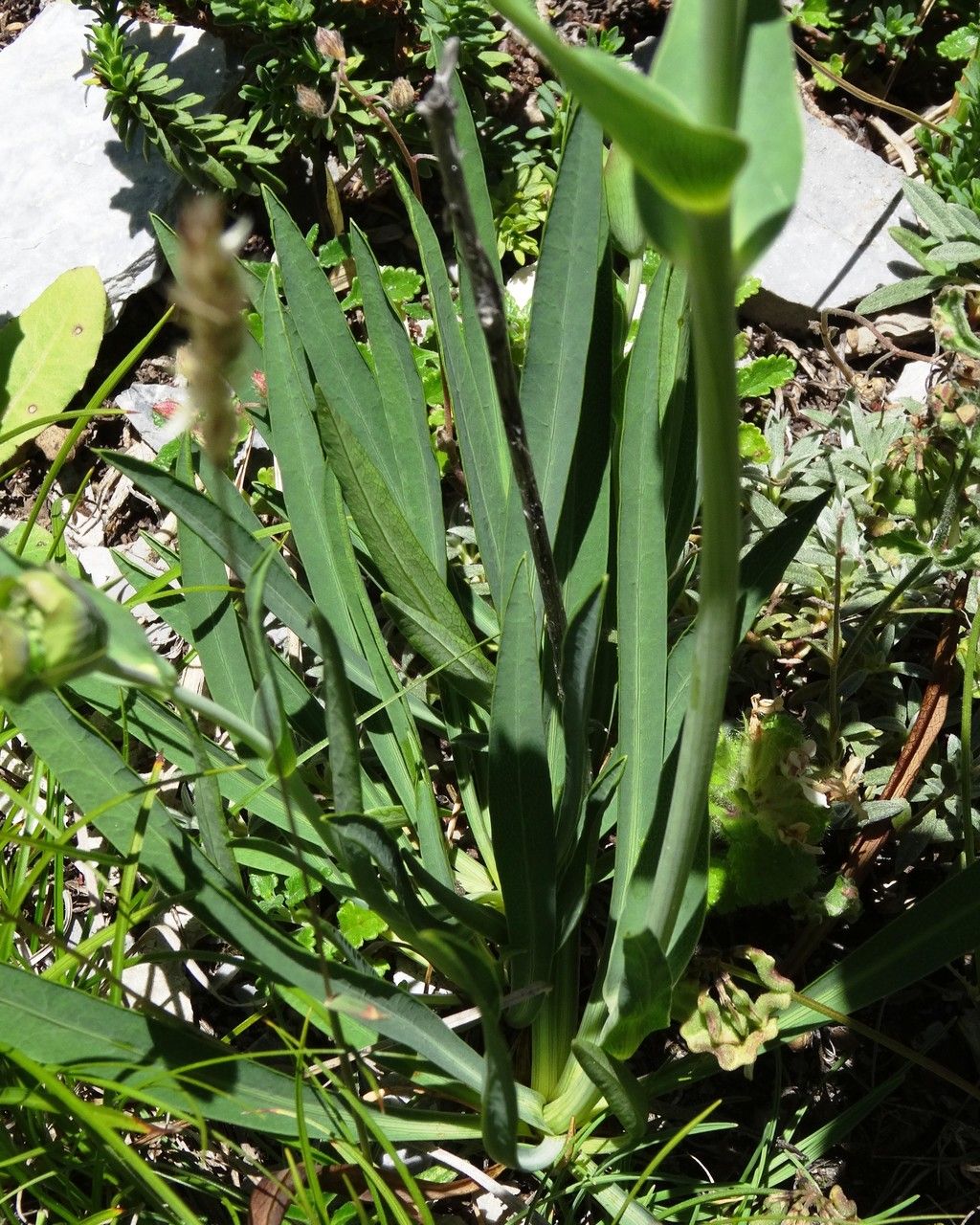
Bupleurum semicompositum, the dwarf hare's ear, is a species of annual herb in the family Apiaceae. They have a self-supporting growth form and simple, broad leaves and dry fruit. Individuals can grow to 0.3m tall.
Small hare's-ear has strong disease resistance and is generally not prone to illness. However, it can be vulnerable to pests and diseases present in its surroundings, though such infections are typically mild. Regarding care, the plant needs moderate maintenance. It should be pruned regularly to preserve its appearance and encourage healthy growth, and fertilizing can help stimulate flowering. Small hare's-ear is suitable for anyone with outdoor space, like a garden or patio, and does not demand extensive care experience. It may need more attention if grown indoors.
How to keep Bupleurum Semicompositum.
Light
Small hare's-ear is a sun-loving perennial herbaceous plant that comes from open habitats and often grows in meadows and grasslands. It prefers full sun but can also tolerate partial sun.
Water
The steppe hare's ear thrives in well-draining soils with moderate moisture, making it ideal for steppe-like conditions. To ensure optimal hydration, water it twice a week. Thanks to its resilience, this plant can adapt to various rainfall patterns, making it a great choice for gardeners in a range of climates.
Fertilizer
Generally, a single fertilizer application in spring is adequate for Small hare's-ear, though multiple feedings can enhance growth. Apply fertilizer roughly every month to a month and a half. Fertilization improves the leaves’ appearance and function, helping maintain even color and a healthy texture. It also promotes root development and nutrient uptake, supporting the plant’s long-term health.
Pruning
The Steppe Hare's Ear is a resilient perennial known for its distinctive leaves and floral clusters. To maintain its health and encourage new growth, it is best to prune the plant from early to late spring. This pruning process removes dead stems and improves air circulation, helping to prevent overcrowding. As a result, the plant enjoys healthier foliage and more abundant flowering. For the best care practices, refer to horticultural guidelines.
Botanical profile.
- Plant Type
- Herb
- Life Cycle
- Perennial
- Genus
- Bupleurum
- Family
- Apiaceae
- Hardiness Zone
- 7-10
- Mature Height
- 10 cm to 30 cm
- Mature Spread
- 15 cm to 25 cm
- Leaf Color
- Light Green
- Leaf Type
- Semi-evergreen
- Flower Color
- Yellow
- Flower Size
- 0.20 cm to 0.25 cm
- Bloom Time
- Mid spring, Late spring, Early summer
- Planting Time
- Spring, Summer, Autumn
- Harvest Time
- Summer
- Native Area
- Italy, Spain, United Kingdom, Croatia, France
Other names.
Reader questions.
What are the sunlight requirements for growing Steppe hare's ear (Bupleurum semicompositum)?
Steppe hare's ear, or Bupleurum semicompositum, thrives in conditions that meet its sunlight requirements. For optimal growth, ensure the plant receives full sun, which is identified as more than 6 hours of sunlight per day. However, it can also tolerate partial sun, defined as about 3-6 hours of sunlight daily. It's essential to observe the movement of sunlight through your garden to find spots that offer the right mix of light and shade, ensuring the plants grow happy and healthy. Paying attention to these sunlight requirements will help your Steppe hare's ear flourish.