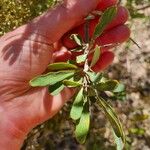
Bursaria spinosa
Australian blackthorn · Sweet bursaria · Prickly-box · Prickly-pine · Mock orange
Description
Source: leafsnapBursaria spinosa is a small tree or shrub in the family Pittosporaceae. The species occurs mainly in the eastern and southern half of Australia and not in Western Australia and the Northern Territory. Reaching 10 m (35 ft) high, it bears fragrant white flowers at any time of year but particularly in summer. A common understorey shrub of eucalyptus woodland, it colonises disturbed areas and fallow farmland. It is an important food plant for several species of butterflies and moths, particularly those of the genus Paralucia, and native bees.
Care Guide
💧 Water
The native box plant thrives with minimal water. Once established, it only needs watering every three weeks, allowing the soil to dry out between waterings. This drought-tolerant plant is well-suited for temperate regions and adapts easily to seasonal rain patterns, reducing the need for frequent gardener intervention.
How should I water my Native box in the best way?
To ensure excellent root development, it is recommended to place a garden hose at the base of the plants. Avoid directly spraying the leaves, and note that outdoor plants in direct sunlight may require more watering for their leaves. Using bubblers or soaker hoses can help moisten the roots of each plant or cover the entire garden/bed. When adding or removing plants, it is advised to water the roots deeply using soaker hoses. Ensure any excess water is drained and wait for the soil to dry before watering again. To prevent diseases, it is best to water at ground level. On a sunny day, you can spray the entire bush with water. Whether the plant is potted or in-ground, remember that Native box plants prefer deep watering rather than light sprinkling.
What do I do if I give too much or too little water to Native box plants?
If a Native box is overwatered, it may develop yellow, wilting leaves that eventually drop off. The plant may also appear dull and unhealthy, exhibiting mushy stems. Adjusting your watering schedule as needed is recommended when these signs begin to appear. On the other hand, if the plant is underwatered, the leaves may become crispy and dry. In this case, a thorough watering is required when the soil is dry to the touch. However, even with sufficient water, the Native box may still have dry, yellow leaves for a few days due to root damage. Once the plant recovers, the yellowing will stop. Indoors, be cautious of overwatering and look for black spots. If they are present, allow the soil to dry out for a few days before watering again. Overwatering can lead to root rot, so it may be necessary to transfer the plant to a different pot if you see discolored and slimy roots. Preventing root rot by avoiding overly soggy soil is important. When planting a Native box outdoors, make sure to check the soil's moisture levels. If the soil is too dry, it could indicate underwatering, and adequate watering is necessary for the plant's recovery.
How frequently do I need to water my Native box plant?
The Native box prefers deep and infrequent watering, especially in pots where the soil dries out faster. In cold regions, water every 3 to 5 days, preferably in the morning when the soil is dry. Check the top 2-3 inches of soil for dryness before watering. During hot weather, check the moisture daily as the soil can dry out quickly in pots. If you have a garden, water it once a week in hot climates. Take rainfall into consideration and avoid overwatering to prevent root rot. Add mulch outdoors to conserve water. Sandy soil requires more frequent watering, while clay soil needs less frequent watering. Keep track of watering dates to avoid under watering. Drooping leaves may indicate that you need to water sooner.
How much water does my Native box plant need?
For the Native box plants, typically they require about a gallon of water on a regular schedule. When it comes to potted plants, it's best to water them deeply, allowing the water to drip out from the bottom of the pot. Afterward, wait until the soil has dried before watering again. To determine the amount of water given to your plant in a week, you can use a water calculator or a moisture meter. During the flowering period, it's important to provide plenty of water, but allow the moisture to evaporate to prevent root rot. If the Native box is planted outdoors and there is sufficient rainfall, additional watering may not be necessary. However, when the Native box is young or newly planted, it should receive 1-2 inches of rain per week. As the Native box grows, it can rely solely on rainfall. Only if the weather is extremely hot or there is a lack of rainfall for 2-3 weeks should you consider giving the Native box a full watering during cooler times of the day to prevent damage from excessive heat. Additional watering will be needed during prolonged dry periods.
Do I need to change how often I water my Native box in different seasons or climates?
The Native box needs to be kept outdoors, but protected from rain. In dry weather, it may need to be watered. In the spring and fall, the soil should be kept moist but not soggy. Alternating between dry and moist soil conditions helps the Native box grow well. During the summer, hot weather causes water to evaporate quickly. If there is a lack of rainfall, you will need to water more often to keep the plant moist. In winter, the Native box needs less water. It goes dormant and loses its leaves, so a well-draining soil like terracotta helps the water evaporate faster. Once it begins to leaf out again, you can stop watering and rely on fall and winter rains. In spring, you can encourage growth and blooming. Good drainage is crucial, especially in winter. If the Native box is in a pot, it has limited root growth and should be well-watered, particularly in summer. Deep soak the roots once or twice a week, avoiding shallow sprinkles. Don't allow the plant to dry out completely in fall or winter, even during dormancy. Avoid overwatering, as sitting in water can be harmful. Applying mulch helps reduce stress, conserve water, and promote healthy blooms.
☀️ Light Full sun
Native box is a versatile plant that does well in open sites with constant sun exposure. When cultivated in its native habitats with uninterrupted light, that exposure promotes optimal growth. Insufficient light can cause reduced vigour, while excessive exposure may lead to damage. Adequate sunlight benefits every stage of growth.
What are the sunlight requirements for Native Box plants?
Native Box plants, scientifically known as Bursaria spinosa, require full sun, which means they thrive best in conditions where they receive more than 6 hours of direct sunlight daily. It's essential for their optimal growth to be situated in spots within your garden that ensure a perfect balance of light and shade, as exposure to the right amount of sunlight can greatly influence their health and vigor. Lack of light may lead to stunted growth, while too much direct sunlight without relief can be harmful. Observing how sunlight moves through your garden to choose the best locations for your Native Box plants is crucial for their flourishing.
How does inadequate or excessive sunlight affect Native Box plants, and what solutions are recommended?
Native Box plants can exhibit several symptoms when exposed to less than optimal sunlight conditions. Inadequate sunlight can lead to smaller leaves, leggy growth, increased leaf drop, slower or ceased new growth, paler new leaves, and conditions such as chlorosis. On the other hand, excessive sunlight might cause symptoms like sunscald, leaf curling, wilting, and leaf scorching. To combat these issues, gradually acclimate your plants to the correct amount of sunlight. For indoor plants, this may involve using artificial lighting like LED grow lights to supplement natural sunlight, ensuring they receive the spectrum and intensity of light needed for healthy growth. Outdoors, it might entail strategically relocating plants to areas with suitable sunlight over time, avoiding abrupt changes that can stress them. Additionally, for plants in the ground, removing obstructions or transplanting to sunnier spots could be effective strategies.
What role does artificial lighting play for indoor Native Box plants, and how should it be implemented?
Artificial lighting is a vital solution for indoor Native Box plants when natural sunlight is insufficient, especially in conditions where sunlight is scarce, like during the winter or in less sunny interior spaces. The right type of artificial lighting, like LED lights, should be chosen to provide the specific wavelengths of light that plants need for photosynthesis and healthy growth. Full sun plants typically need 30-50W/sq ft of artificial light, whereas partial sun plants require 20-30W/sq ft and full shade plants need 10-20W/sq ft. The correct distance (12-36 inches above the plant) and duration (mimicking natural daylight hours, usually 8-12 hours per day) of light exposure are also critical for simulating natural sunlight conditions and supporting the plant's growth cycle.
🌡️ Temperature 15–37.8°C
Native box exhibits strong adaptability to a range of climatic conditions, from scorching summers to chilly winters. Nevertheless, it has a preferred temperature range for healthy growth. When temperatures become too high, the plant is susceptible to heat and humidity stress, which can lead to its death. In areas where temperatures near the lower limit of its cold tolerance, it is important to provide insulation to protect the plant.
💨 Humidity
🪴 Soil 6-7
🌱 Fertilizer
The timing for fertilizing Native box is important. Apply fertilizer in early spring and continue every month through early summer. Fertilizer encourages attractive blooms and supplies energy during both dormant periods and active growth phases.
Why is it necessary to fertilize my Native box?
Regardless of the type of Native box you own, regular fertilization is essential for maintaining its overall health. Providing the proper nutrients will promote stronger growth and increase its resilience to challenging growing conditions, while also boosting its ability to combat diseases and pests. Preserving the attractive foliage of your Native box is crucial, so it is recommended to establish and follow a fertilization schedule tailored to your specific plant. By doing this, you can expect your Native box to develop vibrant leaves with deep color and a lush appearance.
When should I fertilize my Native box?
To properly care for your Native box, it is important to fertilize it at specific times of the year. The first recommended time is during late winter or early spring, as this provides the necessary nutrients for healthy growth once the weather warms up. If you live in a warm climate region, it can be beneficial to provide an additional fertilizer feeding in early fall. This not only adds extra nutrients for the following growing season but also helps the Native box withstand winter cold without damage to its foliage. Fertilizing earlier in the fall allows new branches enough time to grow and become sturdy for the harsh winter weather.
When is it not recommended to fertilize my Native box plant?
There are certain times of the year when you should not fertilize your Native box. The first time is during the early and mid-winter months when the plant is dormant and doesn't need to be fed. It's also not recommended to fertilize it during the late spring and summer when the weather is hotter and dryer. These conditions can have a negative impact on the plant if it's fertilized. To avoid any issues, it's best to stick to a fertilization schedule that involves feeding only during early spring and early fall.
What kind of fertilizer does my Native box plant require?
Native boxes primarily require nitrogen as their most crucial nutrient, but this does not mean that phosphorus and potassium are insignificant. On the contrary, a Native box generally requires a decent amount of all three main nutrients, leading to the suitability of using a well-balanced fertilizer like a 10-10-10. However, attaining optimal growth for a Native box often necessitates a more refined nutrient ratio. Generally, fertilizers with slightly higher nitrogen content tend to yield better results, such as a ratio of 10-6-4. When fertilizing, both granular and liquid-based fertilizers can be used.
How should I add fertilizer to my Native box plant?
To fertilize your Native box, you have two options: granular and liquid fertilizer. When using granular fertilizer, simply sprinkle it on the soil at the correct time. The slow-release nature of granular fertilizer will gradually release nutrients into the soil. It's recommended to lightly water your Native box before applying fertilizer. On the other hand, liquid fertilizer is less common but can be used as an alternative. To use liquid fertilizer, mix it with water and pour this mixture onto the soil around the base of your Native box. If you want to be proactive, you can also perform a soil test before fertilizing to determine if any adjustments to the pH are necessary.
🪴 Pot & Repot
✂️ Pruning
The native box is a prickly shrub that is perfect for use as a hedge. To maintain its shape and health, it is best to prune this plant in early spring. Start by removing any dead branches, and then trim back one-third of the new growth to encourage density. Be sure to use clean tools, which will help the plant heal quickly. Pruning provides several benefits, such as improving airflow, allowing better access to sunlight, and reducing the risk of disease. However, be mindful to avoid pruning during bird-nesting season.
🌿 Propagating
🐛 Diseases & pets
☠️ Toxicity
Characteristics
- Plant Type
- Tree, Shrub
- Life Cycle
- Perennial
- Genus
- Bursaria
- Family
- Pittosporaceae
- Hardiness Zone
- 8-11
- Mature Height
- 10.06 m
- Mature Spread
- 0.91 m to 3.05 m
- Leaf Color
- Green
- Leaf Type
- Deciduous
- Flower Color
- White
- Flower Size
- 1.02 cm
- Bloom Time
- Summer
- Planting Time
- Spring, Summer, Autumn
- Harvest Time
- Fall