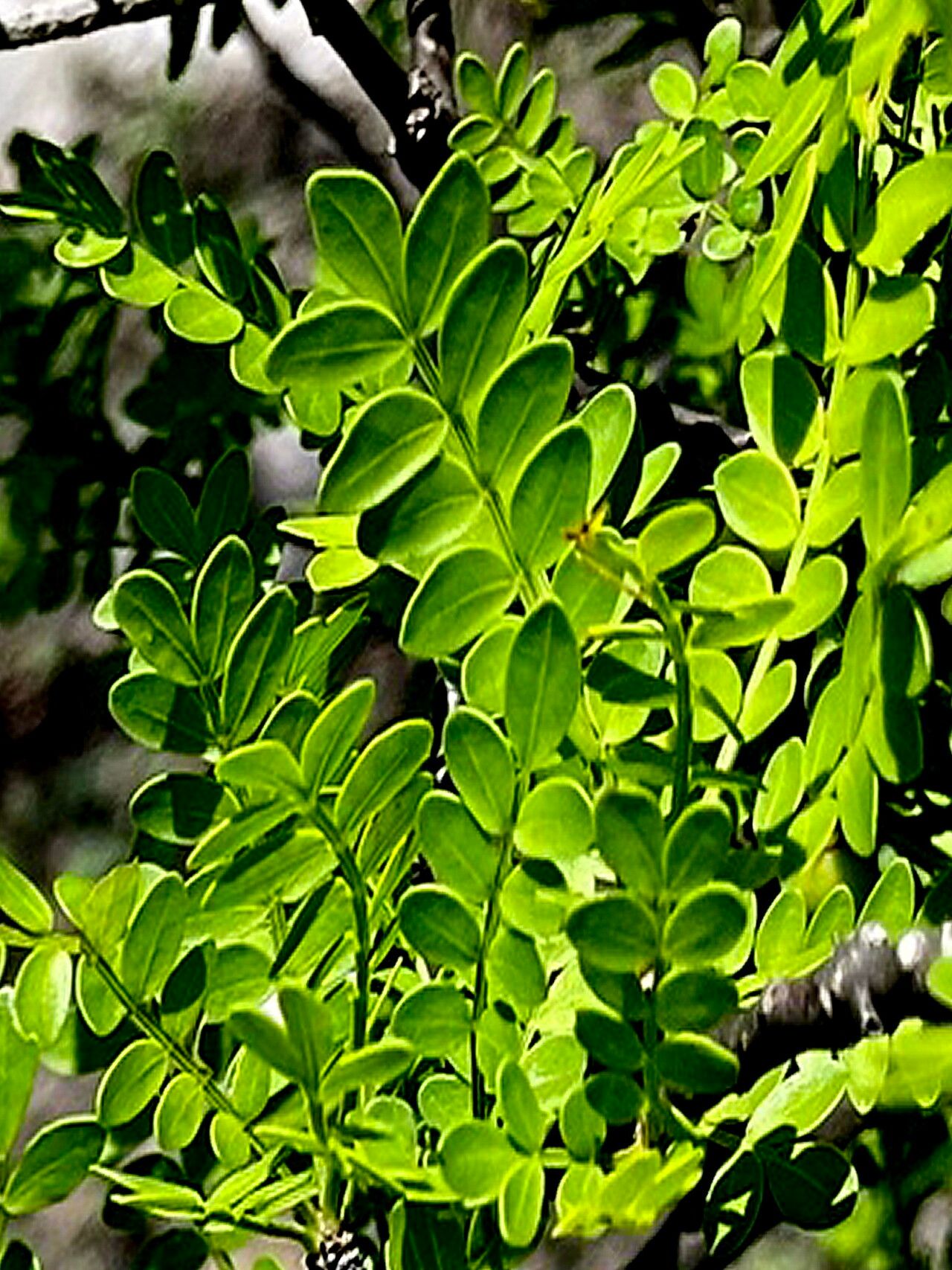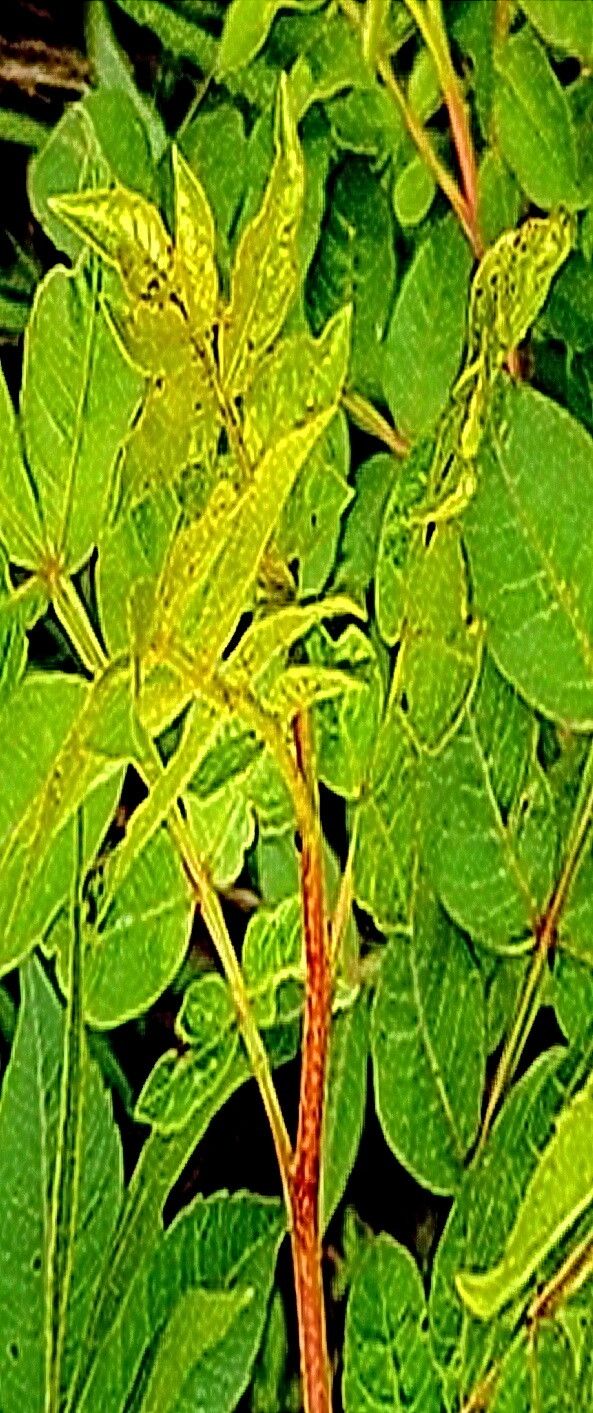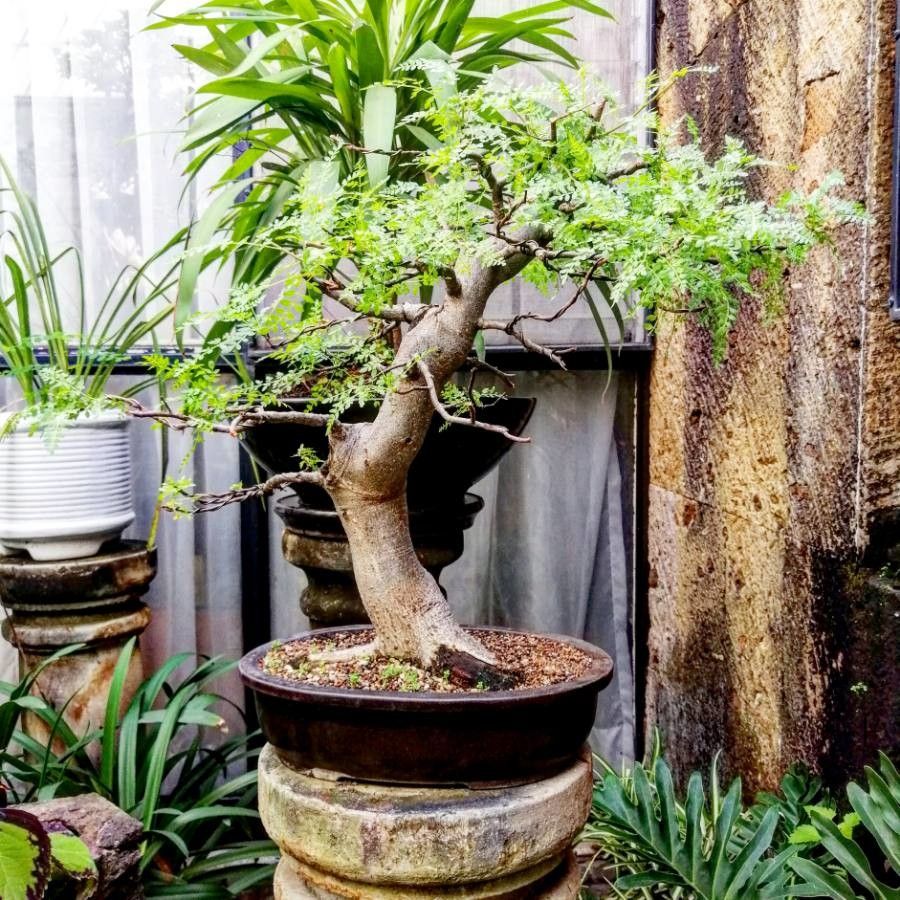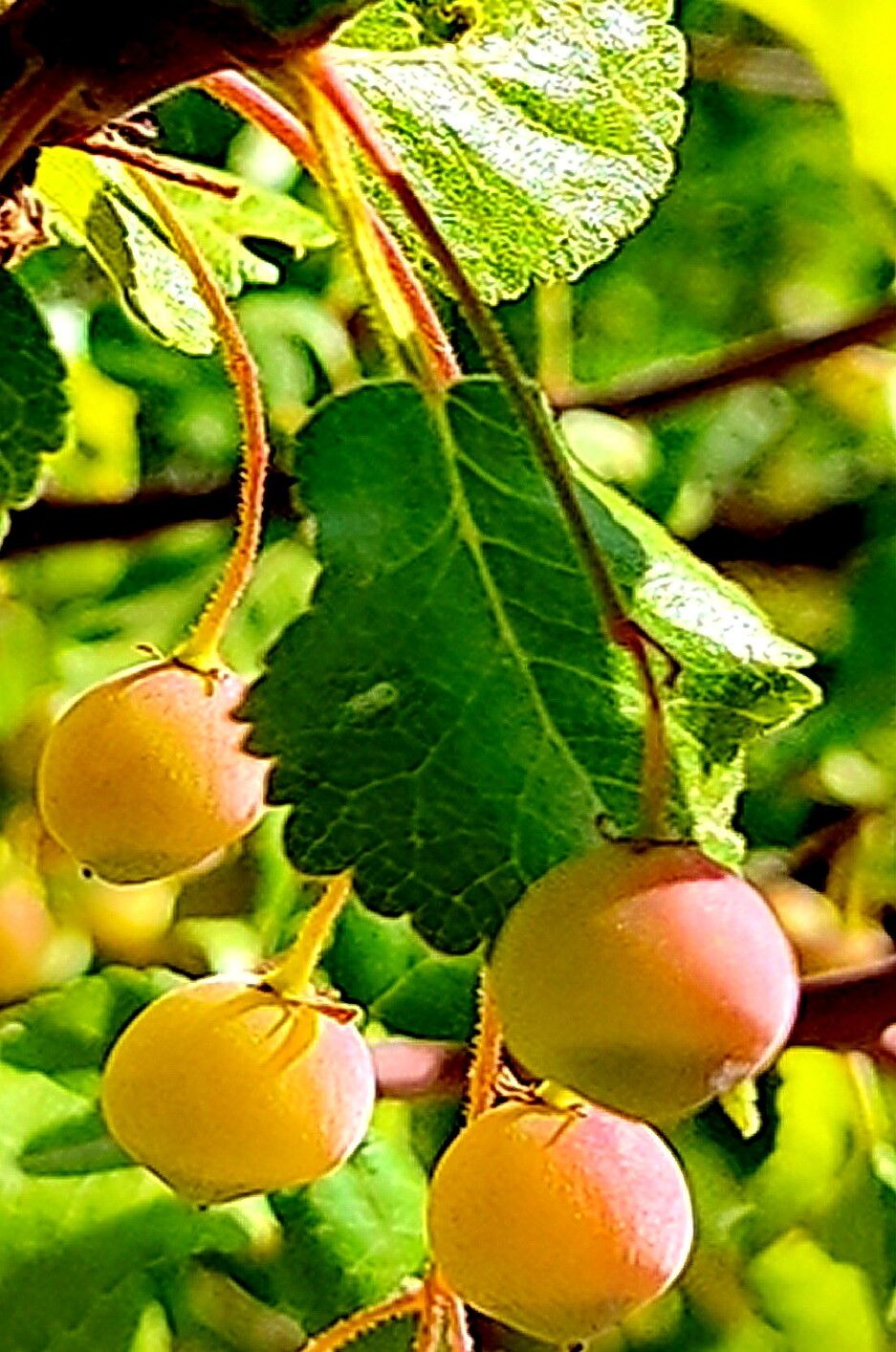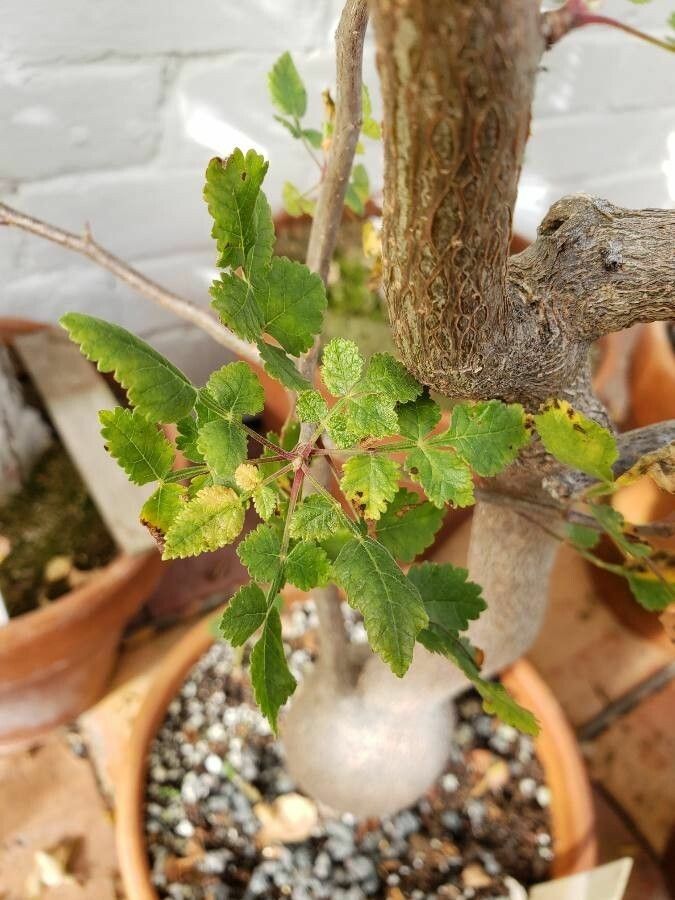
Bursera hindsiana, commonly known as the Hinds' balsam tree, is a species of flowering plant in the Burseraceae family. Native to Mexico, it thrives in dry forests and rocky areas at elevations of up to 1,500 meters. This tree can grow up to 10 meters tall and have a trunk diameter of up to 30 centimeters. Its grayish-brown bark peels off in thin layers to reveal a smooth, greenish layer underneath.
The leaves are compound, comprising three oval-shaped leaflets with serrated edges. They are green on the upper side and paler underneath, featuring small hairs on both surfaces.
The small flowers are white or yellowish-green and grow in clusters at the ends of branches, blooming from March through May.
Bursera hindsiana produces resin that indigenous people have used for centuries as an anti-inflammatory agent for skin conditions such as eczema and psoriasis.
The tree holds cultural significance for indigenous communities, who use it in traditional ceremonies for its aromatic properties when burned as incense or smudge sticks.
Overall, Bursera hindsiana is an ecologically important species, providing habitat for wildlife, such as birds that feed on its fruit. It also holds cultural and medicinal importance for indigenous communities throughout history.
The Red elephant tree is well resistant to disease and is usually not prone to illnesses. As for care, this plant is fairly low-maintenance. When grown outdoors it needs only light watering, and larger plants typically do not require pruning. Smaller plants, however, should be pruned after they finish blooming. Red elephant treet is appropriate for anyone with an outdoor area, such as a garden or deck, and does not demand much plant-care experience.
How to keep Bursera Hindsiana.
Light
The red elephant tree is native to open habitats like sunny meadows and forest edges that offer abundant light. It performs best in Full Sun but will also tolerate Partial Sun, adapting well to various light conditions.
Temperature
Red elephant tree comes from tropical areas, where the climate is generally warm and humid. Consequently, it is adapted to high heat and moisture. It does not tolerate abrupt temperature shifts and prefers a steady temperature environment, so preventing indoor temperature fluctuations is important. It typically cannot withstand cold and needs warmer conditions to grow. If the surrounding temperature falls too low, the plant may stop growing or even perish.
Fertilizer
Fertilizing is essential for the care of the Red elephant tree. Regular feeding during the growing season preserves the energy needed for its showy leaves and supports overall growth. Failing to fertilize can lead to unhealthy leaves, reduced ornamental appeal, and stunted or weak growth that is prone to breakage.
Pruning
The red elephant tree is known for its striking bark and ability to withstand drought. To encourage healthy growth, it’s important to prune in early spring. This involves removing dead wood and improving air circulation. Be careful not to make large cuts, as the tree does not respond well to heavy pruning. Instead, opt for regular, light pruning to enhance the tree’s natural beauty and maintain a balanced structure.
Botanical profile.
- Plant Type
- Tree
- Life Cycle
- Perennial
- Genus
- Bursera
- Family
- Burseraceae
- Hardiness Zone
- 9-11
- Mature Height
- 3.05 m to 4.88 m
- Mature Spread
- 2.13 m to 3.05 m
- Leaf Color
- Green, Dark Green
- Leaf Type
- Deciduous
- Flower Color
- White
- Flower Size
- 0.25 cm to 0.51 cm
- Bloom Time
- Mid spring, Late spring
- Planting Time
- Summer
- Harvest Time
- Summer
- Native Area
- Mexico