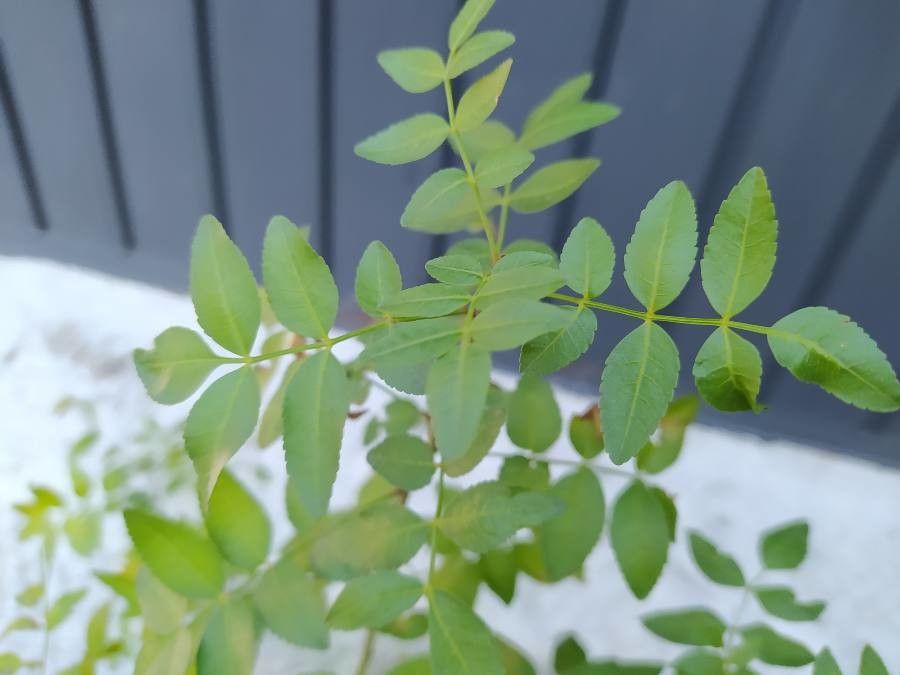
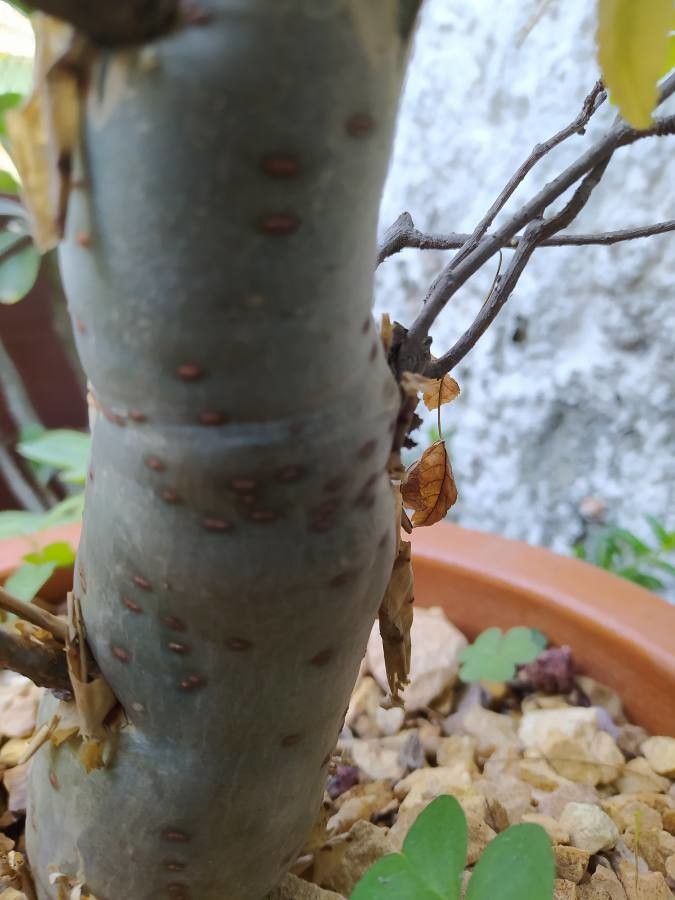
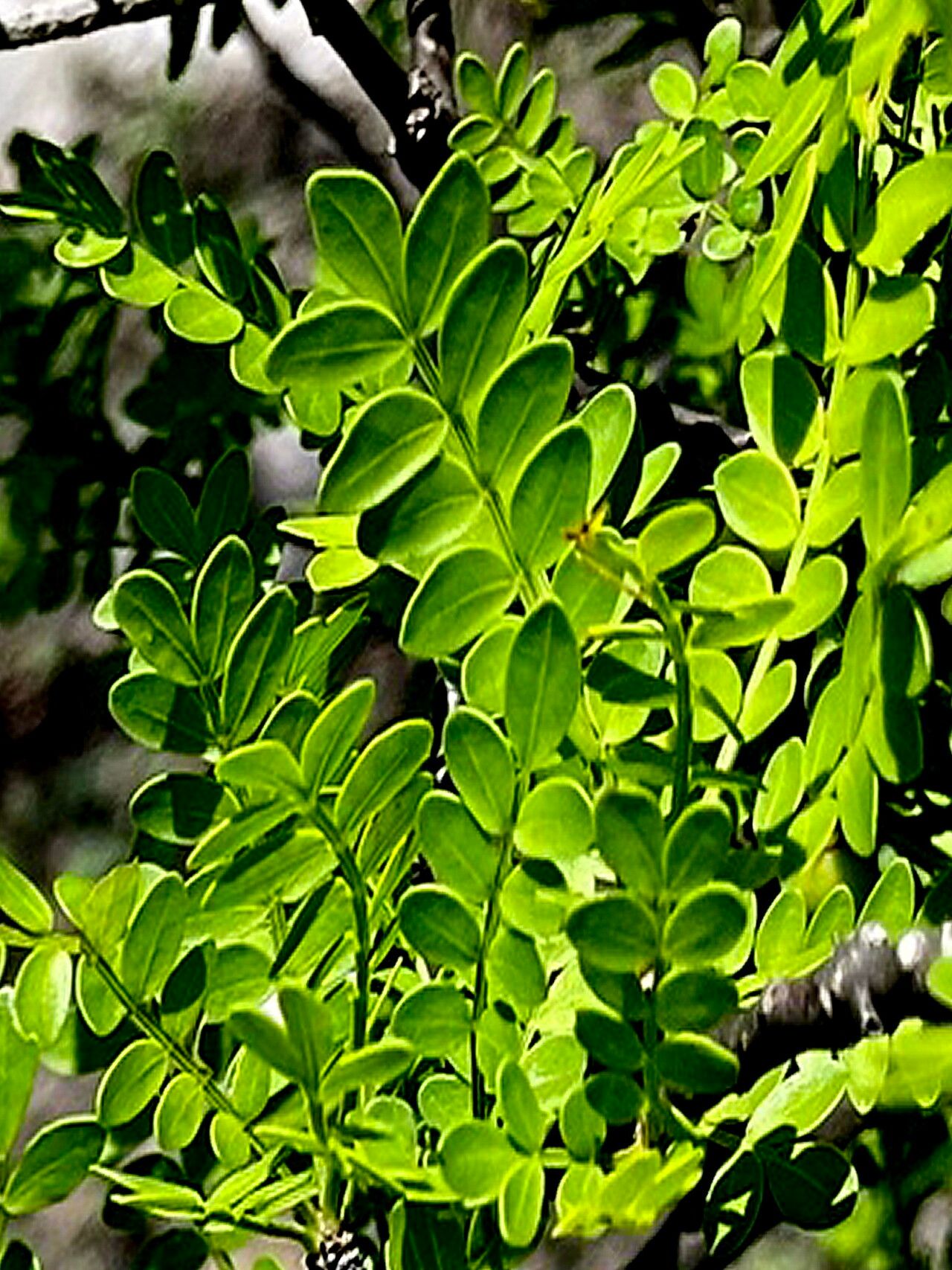
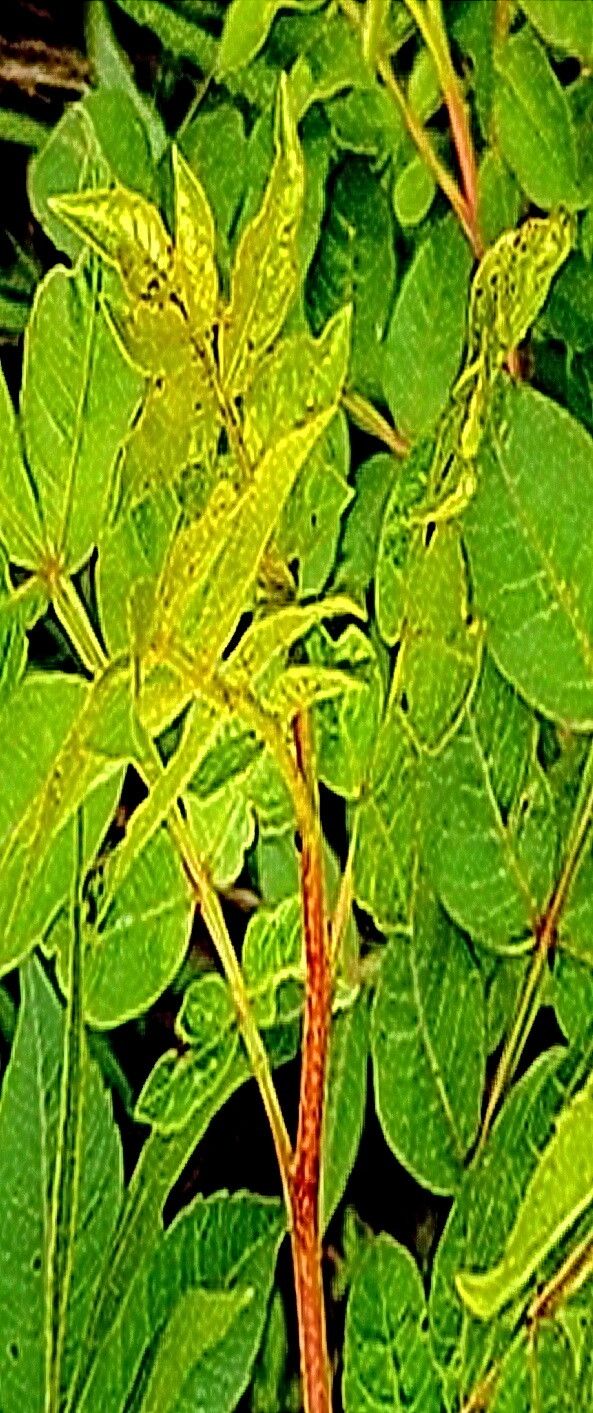
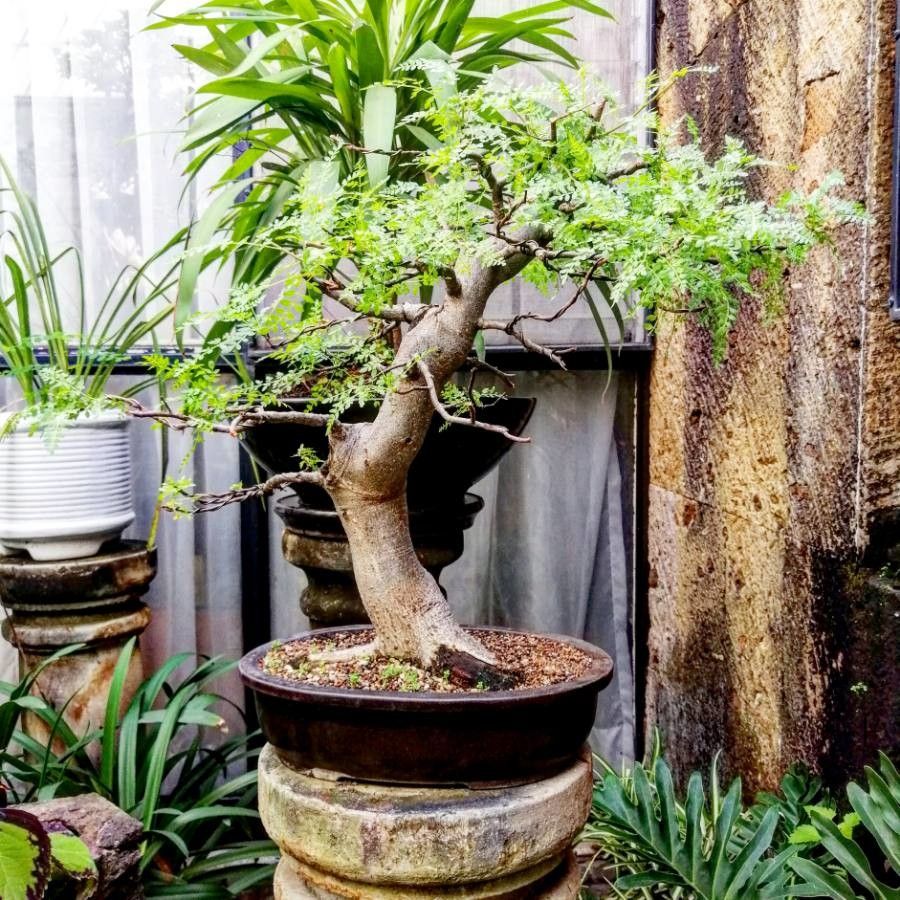
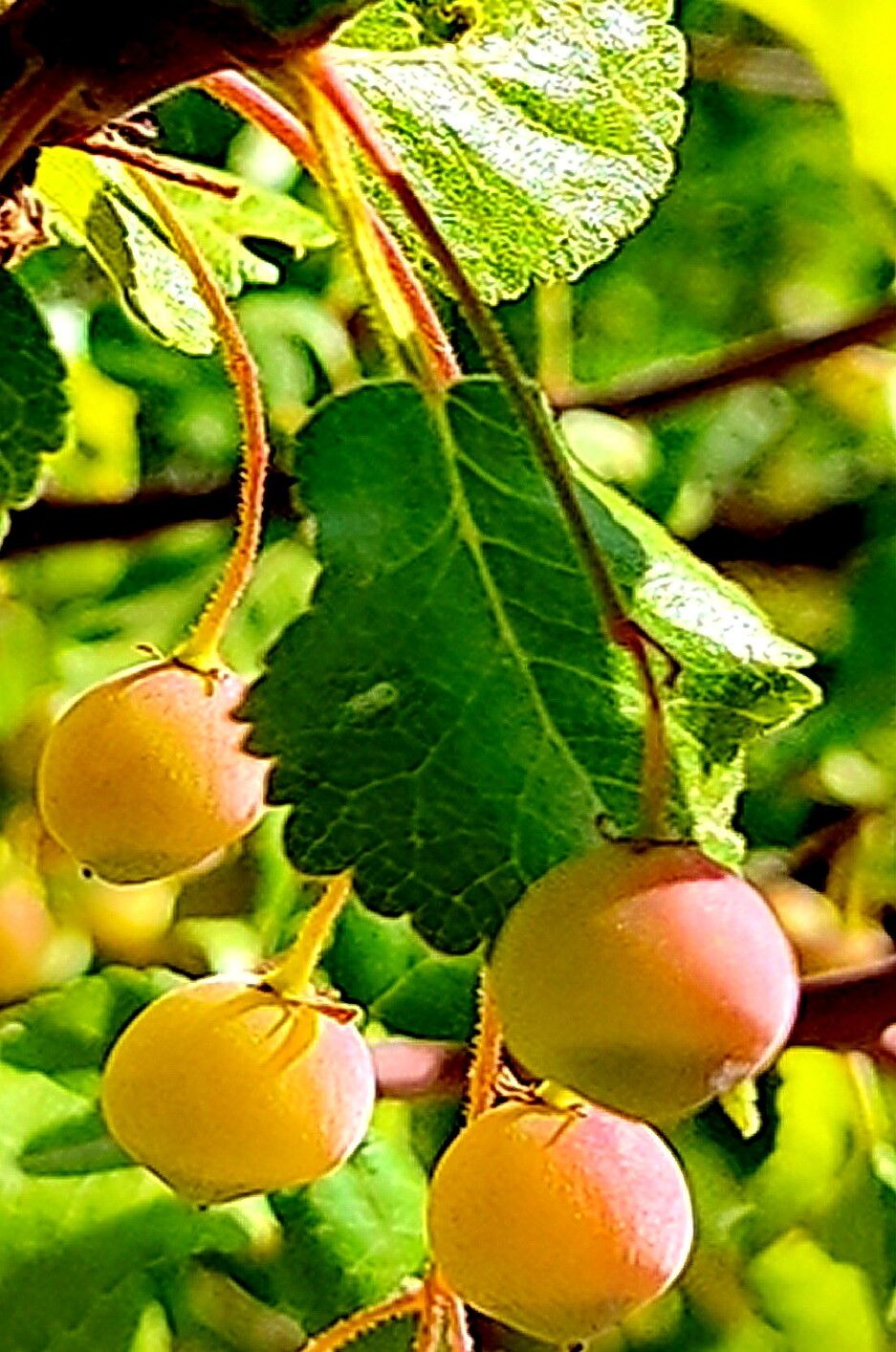
Bursera microphylla, known by the common name elephant tree in English or 'torote' in Spanish, is a tree in genus Bursera. It grows into a distinctive sculptural form, with a thickened, water-storing or caudiciform trunk. It is found in the southwestern United States and northwestern Mexico.
Elephant tree possesses moderate disease resistance and is relatively sensitive to humidity and excess watering. It becomes even more prone to disease when it is both deprived of light and overwatered. Regarding care needs, the Elephant tree is drought-tolerant and can endure extended intervals without water. It requires little fertilizer and only occasional pruning. For these reasons, it is an appropriate plant for caretakers of any skill level, particularly for those who prefer to spend minimal time on plant care or who may be away from home for long stretches. It suits people who do not want to invest a great deal of time in maintenance but still desire an easy-to-care-for plant.
How to keep Bursera Microphylla.
Light
The elephant tree thrives in places that receive plenty of sunlight. Its growth and overall health are much better when exposed to strong sunlight. From germination and flowering to full maturity, sunlight is vital at every stage of the elephant tree's development. Excessive or insufficient sunlight can stunt its growth or even cause the elephant tree to die.
Water
The elephant tree thrives in arid environments, showing a high tolerance to drought. It only needs to be watered every 2 to 3 weeks, making it well-suited to its natural habitat. Typically grown outdoors, this tree prefers well-draining soil to accommodate its infrequent watering requirements.
Temperature
Elephant tree grows best in environments with temperatures between 68 and 95°F (20 to 35℃). That span reflects the climates where it naturally occurs. During seasonal shifts it may require extra care to keep temperatures within this optimal range.
Fertilizer
Light fertilizer applications, 1-2 times a year during the active growing season, are enough for an Elephant tree. Do not fertilize in winter or in summer, since the plant is dormant then. Cut back on feeding for recently repotted plants and wait a couple of months after repotting before you start fertilizing. Fertilizing helps maintain healthy growth and promotes flowering.
Pot & Repot
The elephant tree should be repotted every two years, preferably in the spring, to minimize stress. Use a slightly larger pot to accommodate its robust roots. After repotting, place the elephant tree in a well-lit area. Resume regular watering once new growth appears to help maintain its health.
Botanical profile.
- Plant Type
- Tree
- Life Cycle
- Perennial
- Genus
- Bursera
- Family
- Burseraceae
- Hardiness Zone
- 9-10
- Mature Height
- 4.88 m
- Mature Spread
- 1.52 m
- Leaf Color
- Green
- Leaf Type
- Deciduous
- Flower Color
- White
- Flower Size
- 0.25 cm to 0.51 cm
- Bloom Time
- Mid spring, Late spring
- Planting Time
- Spring, Summer, Autumn
- Harvest Time
- Mid summer, Late summer, Early fall
- Native Area
- Mexico
Other names.
Reader questions.
What are the sun requirements for an Elephant Tree?
The Elephant Tree, or Bursera microphylla, thrives in environments with a lot of sunlight, requiring above 6 hours of sunlight daily to flourish. Adequate exposure to sunlight is crucial at every stage of its growth, from germination and blooming to maturity. It's important to observe how sunlight moves through your garden to ensure your Elephant Tree receives a balance of light and shade, enhancing its growth and health. Insufficient or excessive sunlight can negatively impact the tree, potentially causing growth stunting or death.
What is the optimal temperature range for an Elephant Tree?
The Elephant Tree, also known by its botanical name Bursera microphylla, thrives best in environments where temperatures range between 68 to 95°F (20 to 35°C). This temperature range matches its native climates perfectly. To ensure the tree's well-being, especially as seasons change, it might require additional care to keep its surrounding temperature within this optimal range.
How can artificial lighting benefit plant growth indoors?
When natural sunlight is insufficient, especially during winter or in less sunny indoor spaces, artificial lighting becomes essential for the growth of indoor plants like the Elephant Tree. Appropriate artificial lights, such as LED lights, can be customized to provide specific wavelengths needed by plants, promoting faster, healthier growth. For optimal results, full sun plants need 30-50W/sq ft, partial sun plants require 20-30W/sq ft, and full shade plants should get 10-20W/sq ft of artificial light. The light source should be placed 12-36 inches above the plant, simulating natural sunlight conditions, and plants most commonly need 8-12 hours of light daily.
How should I care for my Elephant Tree during winter?
During winter, the Elephant Tree enters a dormant state and stops growing as it is a heat-loving plant. When outdoor temperatures fall below 0°C, it is essential to move the tree indoors for cultivation. To maximize sunlight exposure, place it near a south-facing window. If natural light is insufficient, consider using supplemental lighting. Additionally, when temperatures drop below 20°C, the plant's growth slows, and watering should be reduced or halted to prevent root rot. For outdoor trees, cease watering entirely during low temperatures. To protect the plant from cold, consider setting up a temporary greenhouse or wrapping it with plastic film or fabric.
What are the symptoms of light deficiency in Elephant Trees?
Symptoms of light deficiency in Elephant Trees appear when they're placed in suboptimal lighting conditions. These symptoms can include small new leaves, leggy or sparse growth, faster leaf drop, slower or halted new growth, lighter-colored new leaves, chlorosis (loss of leaf green color), sunscald, leaf curling, wilting, and leaf scorching. Each of these symptoms signals an issue with light intake, which is vital for the tree's health and development.
What are the symptoms of low temperature stress on an Elephant Tree and how can I address them?
Elephant Trees are sensitive to low temperatures and show optimal growth above 20°C. In winter, ensure the temperature stays above 0°C, as falling below -5°C may cause the plant to weaken, wilt, and become susceptible to root rot. If an Elephant Tree suffers mild frost damage, it might not show symptoms immediately, but it will gradually wither within a week. To address this, trim off frostbitten areas while checking for and removing any rotted roots. Propagate the plant using cuttings if necessary, move it to a warm environment indoors, and ensure it has access to ample sunlight by placing it near a south-facing window. If sunlight is lacking, supplemental lighting can be used.
What solutions can address light deficiency issues in Elephant Trees?
To combat light deficiency in Elephant Trees, you can gradually move plants to sunnier locations to ensure they receive at least 6 hours of direct sunlight daily. For indoor plants, consider using a south-facing window for natural light or provide artificial light by keeping a lamp on for at least 8 hours daily or investing in plant grow lights. Outdoor plants should be moved to sunnier spots gradually to avoid sunburn. Additionally, reducing obstructions like pruning trees that block sunlight or transplanting smaller plants to more sun-exposed areas can greatly improve light access. Remember, while affected parts of the plant may not recover, new growth after increasing light exposure will be healthy.
How should I manage my Elephant Tree in high temperatures?
During the summer, it's crucial to keep the Elephant Tree's surrounding temperature below 35°C. Temperatures exceeding 41°C can halt its growth and cause the tree to lose water, wilt, and become prone to sunburn. To mitigate the damage, remove any sunburned or rotten parts of the plant. Protect the plant from direct afternoon sunlight until it shows recovery and growth resumes. In cases of root rot, cease watering until new roots develop.