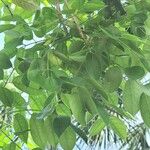
Bursera simaruba
Gumbo limbo · West Indian-birch · Birch-gum tree · Cha-ka · Chacah
Description
Source: leafsnapBursera simaruba, commonly known as the gumbo-limbo or West Indian birch, is a tropical tree species that belongs to the Burseraceae family. Native to the Caribbean, Central America, and northern South America, this tree can reach heights of up to 30 meters and is distinguished by its reddish-brown bark, which peels off in thin layers. The leaves are pinnate, comprising 7 to 11 dark green leaflets. Indigenous communities have long valued the gumbo-limbo tree for its traditional uses, particularly its medicinal properties. It has been employed to treat a variety of ailments, including fever, coughs, and skin infections. Additionally, the resin extracted from its bark is used in incense and perfume production. Ecologically, the gumbo-limbo tree plays a vital role in its native habitats, offering food and shelter to various species of birds, insects, and mammals. Its extensive root system also helps prevent soil erosion. Despite its significance and utility, Bursera simaruba is threatened by deforestation, primarily due to logging activities and the conversion of land for agriculture or urban development. In summary, Bursera simaruba is a crucial plant species with both cultural and ecological importance. Conservation efforts are essential to ensure its continued survival.
🌳 Besides its medicinal uses, gumbo limbo is frequently used as a natural fence in agroforestry systems. Its capacity to rapidly form a living barrier makes it an environmentally friendly option for delineating boundaries and shielding crops from wind damage.
Care Guide
💧 Water Every 7 days
The gumbo limbo tree thrives in areas with high humidity and regular rainfall. It grows best with moderate moisture and has some tolerance for drought. It's recommended to water the plant every 1-2 weeks. During the growing season, the gumbo limbo adjusts its water intake to maintain optimal health in various outdoor conditions.
How should I water my Gumbo limbo tree?
To ensure excellent root development, consider these watering techniques for your plants: - Place a garden hose at the base of the plant, avoiding direct spraying of the leaves. - For plants exposed to direct sunlight outdoors, the leaves may require additional watering. - Moistening the roots can be achieved by using bubblers or soaker hoses for individual plants. - When adding or removing plants, consider using soaker hoses that cover the entire garden or bed, encouraging deeper root growth. - Be sure to drain any excess water and wait for the soil to dry before watering again. - Watering at ground level helps prevent diseases. - On sunny days, you can spray the entire bush with water. - Regardless of whether your plants are potted or in-ground, remember that Gumbo limbo prefers deep watering rather than light sprinkling.
What should I do if I give the Gumbo Limbo plant too much or too little water?
An overwatered Gumbo limbo can show signs such as yellowing leaves, leaf drop, and wilting. The plant may appear unhealthy with mushy stems. If these signs are present, adjusting your watering schedule is recommended. Wilting can also indicate under watering, which is characterized by crispy, dry leaves. For dry soil, watering alone may not be enough, so give the plant a thorough watering when needed. However, even with sufficient water, the Gumbo limbo may still have yellow, dry leaves due to root damage. Once the plant returns to normal, the yellowing of leaves will cease. When keeping the Gumbo limbo indoors, always check the moisture levels in the pot and avoid overwatering. Look for signs of black spots, and if present, allow the soil to dry out for a few days before watering again. Overwatering can lead to root rot, so transfer the plant to a different pot if you observe discolored, slimy roots. Preventing root rot and avoiding overly soggy soil is essential. When planting the Gumbo limbo outdoors, ensure the soil is adequately moist. If your fingers feel the soil is too dry, it may indicate under watering, and the plant will benefit from adequate watering to recover.
How often do I need to water my Gumbo limbo plant?
To properly care for a Gumbo limbo plant, it is recommended to water it deeply and infrequently. This is especially important if the plant is in a pot, as the limited water storage in the pot causes the soil to dry out quickly. In colder regions, watering every 3 to 5 days is necessary. It is best to water the plant in the early morning when the soil is dry, both indoors and outdoors. You can check if watering is needed by examining the soil - if the top 2-3 inches are dry, it's time to water. On hot days, you may need to check the moisture daily, as the heat can cause rapid drying of the soil in the pot. If you have a garden, it is also important to irrigate the soil. In hot climates, watering once a week is sufficient. However, always check the soil and only water if about 2-3 inches have become too dry. Keep in mind the amount of rainfall and avoid over-watering to prevent root rot. Gumbo limbo plants generally thrive during spring and fall. When they are outdoors, adding about 3 to 4 inches of mulch helps to conserve water. Sandy soil drains faster, so more frequent watering is necessary. On the other hand, clay soil requires less watering, around every 2-3 days to prevent root rot. To keep track of watering, mark the dates on a calendar and pay attention to the plant's leaves - if they start drooping, it may be an indication that watering is needed.
How much water should I give my Gumbo limbo tree?
The Gumbo limbo tree usually needs one gallon of water on a regular basis. For potted plants, water them deeply until you see water dripping from the bottom of the pot. Then, let the soil dry before watering again. You can use a water calculator or moisture meter to measure how much water you've given the plants each week. During the flowering period, make sure to provide plenty of water, but allow the moisture to evaporate afterwards to avoid root rot. If the Gumbo limbo tree is planted outdoors with enough rainfall, additional watering may not be necessary. However, when the tree is young or newly planted, it should receive 1-2 inches of rain per week. As the Gumbo limbo tree matures, it can rely solely on rainfall. Only during hot weather or when there is no rain for 2-3 weeks, consider giving the plant a full watering during cooler times of the day to prevent heat damage. Additional watering will be needed during extended dry periods.
Should I change how often I water my Gumbo limbo tree based on the time of year or the type of weather?
The Gumbo limbo plant requires outdoor conditions with rain, but only needs to be watered during persistent dry weather. To ensure proper growth, the soil should be kept moist but not soggy during the spring and fall seasons. Alternating between dry and moist soil conditions is beneficial for the Gumbo limbo. In the summer, the hot weather can cause water to evaporate quickly, so additional watering may be necessary if there is a lack of rainfall. During winter, the Gumbo limbo requires less water as it goes dormant and drops its leaves. A well-draining but moisture-retentive soil mixture, such as terracotta, can help with quicker water evaporation. Once the Gumbo limbo begins to leaf out and go dormant, watering can be skipped as it can rely on rainfall during the fall and winter. After spring, you can encourage growth and blooming by cultivating the plant in warmer temperatures. Good drainage is crucial, especially during winter, as the Gumbo limbo does not tolerate excessive water. When in a pot, the plant has limited root growth, so regular watering is important, especially in summer. Deep soaking the entire root system once or twice a week, depending on the weather, is best. It is advisable to avoid shallow sprinkles that only reach the leaves, as they can encourage fungal growth and not reach the deeper roots. During fall and winter, the Gumbo limbo should not dry out completely, even during dormancy. Avoid overwatering and ensure proper drainage to prevent plant death in winter. Applying mulch can help reduce stress, conserve water, and promote healthy blooms.
☀️ Light Full sun
Gumbo limbo prefers full sun and benefits from abundant light for best growth. Native to habitats with plenty of sunlight, it can tolerate low-light situations, though that may reduce its vigor and growth. Light that isn’t properly regulated can cause stress and affect its overall health.
What are the sunlight requirements for gumbo limbo?
Gumbo limbo requires full sun exposure, which consists of above 6 hours of sunlight daily, for optimal growth. It can also tolerate partial sun conditions, receiving about 3-6 hours of sunlight. However, it's essential to monitor the movement of sunlight through the garden to find the best spot that balances light and shade, ensuring the plants thrive.
What are the essential care tips for gumbo limbo?
Gumbo limbo thrives in environments where it can receive generous amounts of sunlight, mimicking its native ecosystems. Despite its preference for sunlight, it can survive in less sunlit conditions, albeit with potential impacts on its health and growth. For plants kept indoors or in low-light conditions during winter, artificial lighting can be a significant aid. Artificial lights, particularly LED lights, should be chosen based on the specific needs of the plant, with appropriate wattage, distance, and duration of exposure to simulate natural light conditions effectively.
What are common symptoms of light deficiency in gumbo limbo?
When gumbo limbo experiences insufficient light, common symptoms include smaller new leaves, leggy or sparse growth, faster leaf drop, slower or halted growth, lighter-colored new leaves, and conditions like chlorosis, sunscald, leaf curling, wilting, and leaf scorching. These symptoms indicate that the plant is not receiving the optimal light for growth and may need adjustments to its environment or care routine.
What strategies can be used to address light deficiency in gumbo limbo?
To combat light deficiency in gumbo limbo, gradually increase the plant's exposure to sunlight by moving it to sunnier locations each week until it receives at least 6 hours of sunlight. For indoor plants, consider using artificial lights, ensuring they are on for at least 8 hours daily. For outdoor plants, the adjustment to brighter spots should also be gradual to prevent sunburn. In cases where trees or other structures block sunlight, pruning or relocating the plant to a sunnier spot can help. It is important to note that parts of the plant already affected by light deficiency may not recover, but new growth should be healthy with improved light conditions.
🌡️ Temperature 20–41.1°C
The ideal temperature for gumbo limbo growth is between 68 and 105 °F (20 and 41 °C). It naturally occurs in tropical areas with warm climates. In winter, avoid temperatures below 50 °F (10 °C) to prevent potential damage to the leaves and stems. In summer, make sure the plant has access to shade or cooler spots to avoid heat stress.
What is the optimal temperature range for gumbo limbo growth?
The optimal temperature range for gumbo limbo's growth is between 68 to 105°F (20 to 41°C). These plants thrive in warm, tropical regions and benefit from maintaining temperatures above 20°C, especially during the winter months to encourage growth. It's crucial to protect them from temperatures below 50°F (10°C) to prevent leaf and stem damage. During summer, precautions should be taken to shield the plant from excessive heat by providing shade or cooler conditions to avoid heat stress.
How should gumbo limbo be cared for in different seasons?
In autumn, it's recommended to bring outdoor-grown gumbo limbo plants indoors, placing them near a bright window but away from direct heat sources to avoid damage. This move is crucial to shield the plant from cold temperatures. During winter, maintaining a temperature above 20°C is beneficial for the plant’s growth, avoiding any exposure to temperatures nearing 5°C, which could be harmful.
What are the symptoms of gumbo limbo in low temperature conditions and their solutions?
In low temperature conditions, gumbo limbo shows signs of distress when the temperature falls below 1°C, with leaves lightening in color. Post-frost, the foliage may turn brown or black as symptoms like wilting and drooping emerge. The solution involves trimming off frost-damaged parts and moving the plant to a warm indoor setting. Placement near a south-facing window ensures sufficient sunlight while keeping the plant at a distance from heaters or air conditioning vents to prevent air dryness.
What are the symptoms of gumbo limbo in high temperature conditions and their solutions?
Gumbo limbo shows distress in high temperature conditions, specifically when temperatures exceed 45°C, resulting in lighter leaf color and increased susceptibility to sunburn. As a solution, sunburned or dried parts should be trimmed off, and the plant should be moved to a shaded area, especially during midday and afternoon. Additionally, watering the plant in the morning and evening helps keep the soil adequately moist.
What is the botanical name of gumbo limbo?
The botanical name of gumbo limbo is Bursera simaruba.
💨 Humidity
🪴 Soil 6-7
🌱 Fertilizer
Fertilization is essential for the care of Gumbo limbo. Regular feeding during the growing season maintains the energy needed for its showy leaves and supports overall growth. Neglecting fertilization can lead to unhealthy leaves, reduced ornamental value, and stunted or weak growth that is more prone to breakage.
Why do I have to put fertilizer on my Gumbo limbo plant?
Gumbo limbo needs regular fertilization primarily because its showy leaves require a significant amount of energy for production and maintenance. However, the challenge lies in the fact that the plant must allocate enough energy not only for leaf health but also for the growth of its stems, branches, roots, and other important structures. If fertilization is neglected, two likely outcomes may occur. Firstly, the leaves will lose their natural color and texture, resulting in an overall unhealthy and unattractive appearance. This significantly diminishes the plant's ornamental appeal. Secondly, the plant's overall growth will slow down or produce weak growth that is more susceptible to breakage.
When should I fertilize my Gumbo limbo?
Gumbo limbo plants do not require a set feeding schedule when planted. Instead, occasional feedings are beneficial. One easy method is to fertilize when watering the plant. It is advisable to water Gumbo limbo adequately during the growing season. Feeding the plant once every two to three weeks should be maintained throughout the entire period of new growth.
When is the best time to not fertilize my Gumbo limbo?
You can maintain a regular fertilization schedule for your Gumbo limbo during most of the year, except for the winter. During the active growing season of spring, summer, and early fall, it is permissible to fertilize your plant. However, in the winter, the Gumbo limbo enters a dormant growth phase with little to no new growth. Since the plant is using less energy during this time, fertilization is not necessary.
What kind of fertilizer does my Gumbo limbo tree need?
When fertilizing a Gumbo limbo tree, it is important to use a specific blend of nutrients that are present in relatively low amounts. Ideally, the fertilizer should have an N-P-K ratio of 3-1-2. However, a general-purpose fertilizer with an even nutrient blend can also be effective in some cases. Regardless of the type of fertilizer used, the ratio number representing the volume of each nutrient should be at 3 or lower. The fertilizer can be either granular or liquid based. If using liquid fertilizer, it is recommended to dilute the strength by half. Although granular fertilizer has few drawbacks, it is often more practical to use liquid fertilizer, especially if watering the Gumbo limbo at the same time.
How can I feed my Gumbo limbo plant?
One of the easiest ways to fertilize a Gumbo limbo plant is by feeding it whenever you water it. To do this, you will need fertilizer and a watering can. First, dilute the fertilizer by mixing it with water. Then, pour the water and fertilizer mixture onto the soil and let it soak down to the roots. Another option is to use a granular fertilizer. Simply sprinkle the granular fertilizer onto the soil where your Gumbo limbo plant is located. Granular fertilizers are usually slow-release, so you won't need to fertilize as often as you would with a liquid fertilizer. Remember to water the plant while you feed it, regardless of the type of fertilizer you choose to use.
🪴 Pot & Repot
✂️ Pruning
The Gumbo Limbo tree is known for its smooth, coppery bark and rapid growth. To care for this tree, it is best to prune it in early spring. Focus on removing any dead or crossing branches, while lightly thinning and shaping the tree to enhance its structure and airflow. Regular pruning of young plants helps build their resilience. However, avoid heavy pruning to preserve their vigor.
🌿 Propagating
🐛 Diseases & pets
☠️ Toxicity
Characteristics
- Plant Type
- Tree
- Life Cycle
- Perennial
- Genus
- Bursera
- Family
- Burseraceae
- Hardiness Zone
- 10-13
- Mature Height
- 29.87 m
- Mature Spread
- 15.85 m
- Leaf Color
- Green
- Leaf Type
- Semi-evergreen
- Flower Color
- White, Green, Cream
- Flower Size
- 2.54 cm
- Bloom Time
- Mid spring, Late spring, Early summer
- Planting Time
- Autumn, Winter
- Harvest Time
- All year round
- Native Area
- Colombia, Bahamas, Belize, Cuba, Honduras, Mexico, Guatemala, Venezuela, Guyana, Brazil, Nicaragua, Costa Rica, Panama, Jamaica