Butia capitata
South American jelly palm · Pindo palm · Jelly palm · Pindo · Butia palm
Description
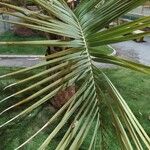
Source: leafsnapButia capitata, commonly known as the Pindo Palm or Jelly Palm, is a species of palm tree native to South America. This slow-growing tree can reach a height of up to 20 feet, with a trunk diameter of up to 1 foot. The Pindo Palm features long, feathery fronds that can extend up to 10 feet in length and produce small yellow flowers that bloom in the summer. The fruit of the Pindo Palm is edible and offers a sweet taste reminiscent of apricots or dates. It is commonly used to make jams, jellies, and alcoholic beverages. The Pindo Palm thrives in well-drained soil with full sun exposure but can also tolerate partial shade. While it requires regular watering during its growing season, it is capable of withstanding periods of drought once established. This plant is popular for its ornamental value, adding an exotic touch to any landscape with its unique appearance. Its hardiness makes it an ideal choice for gardens in warmer climates, such as those in Florida or California. Overall, Butia capitata provides both aesthetic and practical benefits, making it an excellent addition for any garden enthusiast seeking something both unique and functional.
🌳 Jelly palm is known not only for its edible fruit, which is used to make jelly and wine, but also for its potential in bioenergy production. Because the fruits are rich in fermentable sugars, they are being investigated for their suitability in producing ethanol, a renewable and sustainable energy source. This application is not only interesting as an eco-friendly alternative but also emphasizes the jelly palm’s ability to contribute to energy sustainability.
🎭 Triumph, power
Care Guide
💧 Water Every 7 days
The jelly palm thrives in sunny, well-drained environments, and its drought tolerance means it only needs watering every two weeks. Adapted to a variety of soil types and typically grown outdoors, this resilient plant handles water-related challenges well while retaining its hardy nature.
How should I water my Jelly palm tree?
When taking care of your indoor Jelly palm, it's best to water it by applying water directly to the top layer of soil in the container. Use rainwater or distilled water that is around room temperature. To determine if your Jelly palm needs water, poke your finger into the soil. If the top few inches are dry, add enough water to moisten that layer and allow excess water to drain through the container's bottom. It's safer to underwater your Jelly palm, as overwatering can lead to root rot. When growing the Jelly palm outdoors, rainfall alone may be enough, but if it rains less than once per week during the growing season, you may need to supplement with water. Again, rainwater or distilled water is the best choice for watering, whether the plant grows indoors or outdoors.
What should I do if I give too much or too little water to the Jelly palm plant?
Here are some signs that indicate plants are not getting enough water: brown tips on the plant, wilted and drooping leaves that appear lifeless, and the potential for leaves to turn brown, crispy, and dry out severely. If you notice these signs, water the plant as soon as possible. Alternatively, overwatering can lead to root rot. If this occurs, remove any damaged roots from the soil, especially if they are mushy, fragile, and black. It is important to remove a larger part of the root to address the issue. Overwatering can also cause leaves to turn brown and fall off early. To help the plant recover, drain excess water and wait for the soil to dry before watering again. If you notice signs of root rot, discard the soil in the pot. Clean everything thoroughly and place pebbles in the pot to improve drainage. If you observe tan rings or reddish-brown spots on the leaves, discard any excess water at the base of the pot. Additionally, ensure the plant is in a well-ventilated location to promote faster soil drying and prevent future rotting.
What should I do if I give my Jelly palm plant too much or too little water?
When watering the Jelly palm, the main issue to be aware of is overwatering. There are clear indications that it's occurred, such as brown, drooping leaves and mushy stems with a foul smell. Overwatering can also lead to root rot, which can be fatal if not addressed. To remedy overwatering, try reducing the watering rate or adding sand to the soil for better drainage. If the overwatering is severe, remove the plant from its container, trim any rotten roots, and replant it in a new container. If you grow your Jelly palm outdoors and it consistently receives too much water, consider transplanting it to a different location with looser soil. On the flip side, an underwatered Jelly palm will also have drooping leaves, but they are more likely to be yellow instead of brown. Additionally, you may notice slower growth. If you spot these signs, increase the frequency of watering your Jelly palm.
How frequently should I water my Jelly palm?
To properly care for your Jelly palm, it is typically advised to water it around once per week during the growing season (spring, summer, and early fall). However, the specific conditions in your environment may affect how quickly the soil in the plant's container dries out. To determine when to water, it is helpful to monitor the soil's moisture rather than strictly following the once-per-week rule. This means you may need to adjust the watering frequency, sometimes watering multiple times per week or only once every ten days. When growing the Jelly palm outdoors, the same guidelines apply, but rainfall can impact the watering schedule. If you receive about an inch of rainfall in a week, you should avoid adding additional water to prevent overwatering. During winter, when the plant is not actively growing, it is important to reduce watering frequency. Allow the soil to dry out more between waterings, typically watering around once every other week or once every three to four weeks.
What should I do differently when watering my Jelly palm if I grow it indoors?
If you plan to grow a Jelly palm indoors, you'll need to adjust the indoor environment to suit its needs. One issue is the lack of humidity, which can be remedied by using a humidifier in the room where the plant is located. Another option is placing the plant in the bathroom, as that room tends to be more humid. Just make sure there is enough light reaching the plant. It's also important to be mindful of the effects of air conditioners and heating units, as they can cause the soil to dry out quickly. This means you'll need to water the plant more often than usual. If you prefer to grow the Jelly palm outdoors, check if your region provides the necessary warmth and humidity. Be prepared to rely on natural rainfall, as weekly rain should be sufficient for the plant's survival.
☀️ Light Full sun
Jelly palm does best when it gets steady, ample sunlight each day. It can also tolerate stretches of weaker sun. The plant comes from regions with constant sunshine, yet it adapts to places that experience occasional cloudy days. However, too much shade or an overabundance of sun can hinder its growth.
What are the sunlight requirements for Jelly Palm?
Jelly Palm flourishes best under consistent exposure to generous sunlight each day, ideally thriving in environments that are constantly sun-drenched. It does, however, demonstrate adaptability to conditions that occasionally feature cloudy days. To ensure a Jelly Palm's well-being, it's significant to watch how sunlight moves through your garden, picking locations that offer a perfect balance of light and shade. A Jelly Palm requires more than 6 hours of sunlight for 'full sun' conditions and about 3-6 hours for 'partial sun'. It’s important to note that both excessive shade and an abundance of direct sunlight might impede its growth.
How does artificial lighting affect the growth of Jelly Palm indoors?
Indoor Jelly Palms require adequate lighting to ensure optimal growth, especially when natural sunlight is insufficient, such as in winter or in less sunny indoor areas. Artificial lighting, such as LED lights, provides a vital solution by promoting faster, healthier growth. These lights can be customized to supply specific wavelengths needed by the plants. Full sun plants need 30-50W/sq ft of artificial light, partial sun plants need 20-30W/sq ft, and full shade plants need 10-20W/sq ft. The right placement—12-36 inches above the plant—mimics natural sunlight effectively. Additionally, to simulate natural daylight hours, most plants will benefit from 8-12 hours of light per day.
What are the common symptoms of light deficiency in Jelly Palm?
When Jelly Palm is cultivated indoors or placed in conditions with insufficient lighting, several easily noticeable symptoms can manifest. These include smaller new leaves, indicating a reduction in growth, and leggy or sparse growth, where the space between leaves or stems lengthens, causing a stretched appearance. The plant may also experience faster leaf drop as it conserves resources, and growth may either slow down or halt due to survival mode. Additionally, lighter-colored new leaves suggest a lack of chlorophyll, and conditions like chlorosis, where leaves turn yellow, or sunscald, which damages leaves and stems, may occur. Other symptoms include leaf curling as a defense against excessive sunlight, wilting from water loss, and leaf scorching, characterized by brown or crispy leaf edges.
What solutions can help Jelly Palm thrive in low or excessive light conditions?
To help your Jelly Palm thrive, for indoor plants gradually moving them to a sunnier spot each week until they receive at least 6 hours of sunlight daily is beneficial. Utilizing a south-facing window and keeping curtains open during the day maximizes sunlight exposure. If moving the plant isn't feasible or if it's large, consider supplementing with artificial light, keeping it on for at least 8 hours a day. For outdoor plants, gradually transitioning them to sunnier locations helps avoid sunburn. Removing obstructions and, for smaller plants, considering transplantation to a sunnier location with good drainage during their dormant period are effective strategies. Note that while parts of the plant affected by insufficient sunlight may not recover, new growth should be healthy following adjustments to light exposure.
🌡️ Temperature 20–37.8°C
The jelly palm prefers warm temperatures and naturally grows in areas with average temperatures ranging from 20 ℃ to 38 ℃ (68℉ to 100℉). In summer it copes with high heat by reducing its water use, and in winter it can be protected from frost by covering it with a cloth or burlap.
What are the ideal growing conditions for a Jelly Palm?
The Jelly Palm (Butia capitata) thrives in warm environments, preferring average temperatures ranging from 20°C to 38°C (68°F to 100°F). It is extremely heat-tolerant, adept at reducing water usage during high summer temperatures. For winter care, it's advisable to protect the plant from frost by covering it with cloth or burlap. In regions experiencing cold autumns or winters, it's recommended to bring outdoor Jelly Palms indoors, positioning them near a bright window yet away from direct heat sources. Keeping the indoor environment above 20°C during winter supports the plant’s growth, while temperatures nearing 0°C or dropping below are harmful.
How do you manage a Jelly Palm in low temperatures?
Jelly Palms require careful management in low temperatures as they prefer environments warmer than 20°C and struggle with temperatures below 0°C. Exposure to temperatures below -5°C can cause the leaves to lighten in color, eventually turning brown or black, alongside wilting or drooping if the plant experiences frost damage. The solution involves trimming off affected parts and moving the plant to a warmer, indoor setting promptly. Positioning the plant near a south-facing window ensures it receives sufficient sunlight without the harsh effects of being too close to heaters or air conditioning vents, which can dry out the air excessively.
What should be done if a Jelly Palm experiences high temperatures?
During the summer, it's crucial to ensure the Jelly Palm is not exposed to temperatures above 38°C. Temperatures exceeding 43°C can make the leaves lighten and increase susceptibility to sunburn. To mitigate the effects of excessive heat, affected parts should be trimmed away. The plant should be relocated to an area that offers shade during the intense midday and afternoon sun. Ensuring the soil remains moist by watering in the morning and evening helps the plant cope with high temperatures.
💨 Humidity
🪴 Soil 6-7
🌱 Fertilizer
To encourage healthy growth, fertilize your Jelly palm in early spring. Regular feeding boosts the plant’s overall health, producing vigorous growth, increased tolerance of harsh conditions, and enhanced resistance to pests and diseases. Follow a consistent fertilization schedule for your Jelly palm to preserve foliage that is vibrant, richly colored, and lush in appearance.
Why should I put fertilizer on my Jelly palm?
No matter which type of Jelly palm you have, regular fertilization is essential for the plant's overall health. Providing the right nutrients will promote healthier growth and increase resilience to difficult growing conditions, as well as improve its ability to combat diseases and pests. Keeping the foliage intact is crucial as it is a key attractive feature of the Jelly palm. To achieve this, establish and stick to a consistent fertilization schedule tailored to your specific Jelly palm. By doing so, you can expect vibrant, deeply colored leaves and an overall lush appearance.
When should I fertilize my Jelly palm?
To ensure healthy growth, it is recommended to fertilize your Jelly palm for the first time in late winter or early spring. This provides the necessary nutrients for the plant to thrive when the weather becomes warmer. If you live in a warm climate region, it is beneficial to also fertilize the Jelly palm again in early fall. This not only supplies additional nutrients for the upcoming growing season, but also helps the plant withstand the winter cold without foliage damage. Fertilizing earlier in the fall will allow the new branches enough time to grow and withstand the cold winter.
When is it best to not put fertilizer on my Jelly palm plant?
There are a few times during the year when you should avoid fertilizing your Jelly palm. The first time is during the early and mid-winter months when the plant is dormant and does not need to be fed. It is also not recommended to fertilize the plant during the late spring and summer when the weather is hotter and dryer. Fertilizing during this time can have a negative impact on the Jelly palm. To prevent any issues, it is best to stick to a fertilization schedule that only involves feeding in early spring and early fall.
What kind of fertilizer does my Jelly palm plant require?
The most important nutrient for a Jelly palm is usually nitrogen, but phosphorus and potassium are also important. So, a balanced fertilizer like 10-10-10 can be effective because it provides all three main nutrients. However, a slightly higher nitrogen ratio, like 10-6-4, is often better for optimal growth. You can use either a granular or liquid-based fertilizer when fertilizing.
How should I add fertilizer to my Jelly palm plant?
To fertilize your Jelly palm, you have two options - using granular fertilizer or liquid fertilizer. If you choose the granular fertilizer, simply sprinkle it on the soil at the right time. The slow-release nature of granular fertilizer ensures that the nutrients are gradually released into the soil over time. Before applying the fertilizer, it's a good idea to lightly water your Jelly palm. Using a liquid fertilizer is less common, but if you prefer this method, you'll need to mix the fertilizer with water and pour it onto the soil around the base of your Jelly palm. If you're unsure about the soil's pH level, it's a good idea to perform a soil test before fertilizing to determine if any pH adjustments are needed.
🪴 Pot & Repot 1-2 years
When repotting Jelly palm, choose a pot that is slightly larger and has excellent drainage. Use a potting mix that drains well. Repot in spring, taking care not to injure the roots during the process. Place the palm at the same depth it was in the previous pot. Water generously after repotting, and keep it in a warm spot with bright, indirect sunlight. Avoid overwatering to prevent root rot.
✂️ Pruning
To maintain the health and appearance of a jelly palm, it is best to prune it in early spring. Start by removing any dead or damaged fronds close to the trunk. Avoid cutting green fronds, as they are essential for nutrient production. Pruning helps improve air circulation and can reduce pest infestations. Always use clean, sharp tools to prevent the spread of disease.
🌿 Propagating
🐛 Diseases & pets
☠️ Toxicity
Characteristics
- Plant Type
- Palm
- Life Cycle
- Perennial
- Genus
- Butia
- Family
- Arecaceae
- Hardiness Zone
- 9-12
- Mature Height
- 4.57 m to 6.1 m
- Mature Spread
- 3.05 m to 4.57 m
- Leaf Color
- Green, Silver, Gray, Blue
- Leaf Type
- Evergreen
- Flower Color
- Yellow
- Flower Size
- 2.54 cm
- Bloom Time
- Early summer, Mid summer
- Planting Time
- Spring, Autumn
- Harvest Time
- Mid summer, Late summer, Fall
- Native Area
- Brazil