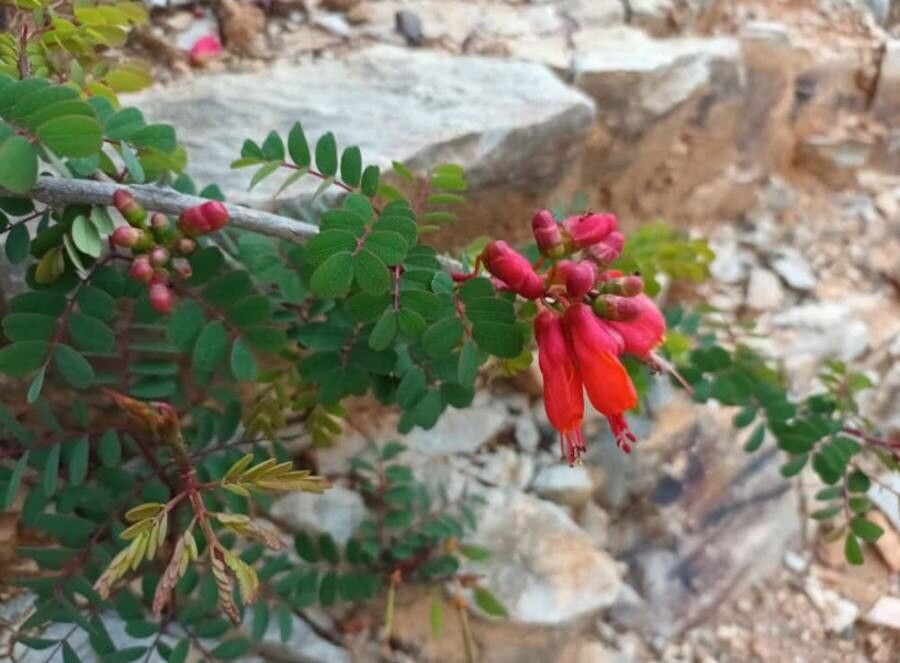
Caesalpinia bonduc, commonly known as the nicker bean or gray nicker, is a tropical plant species belonging to the Caesalpinioideae subfamily of the Fabaceae family. Native to the coastal regions of Africa, Asia, and Australia, it has also been introduced to many other tropical areas globally.
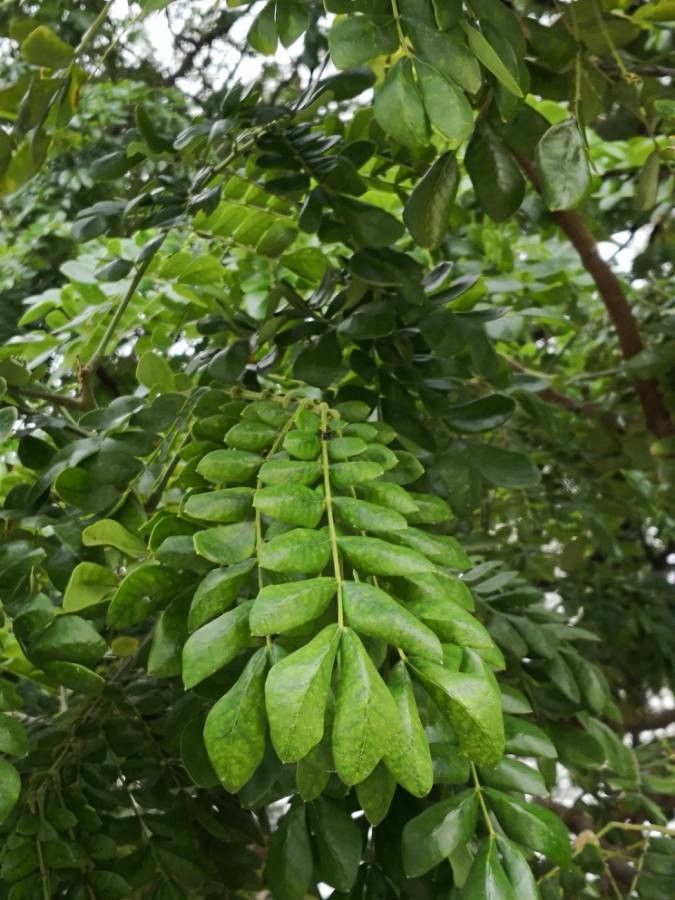
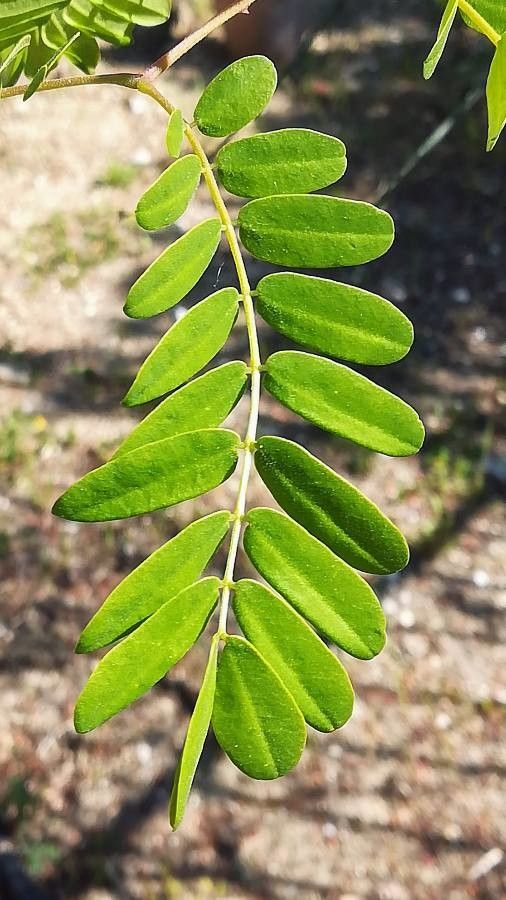
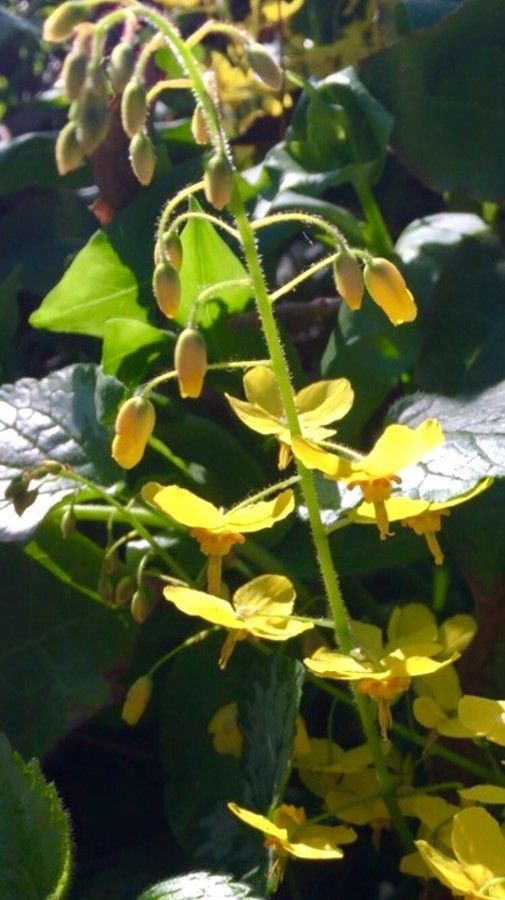
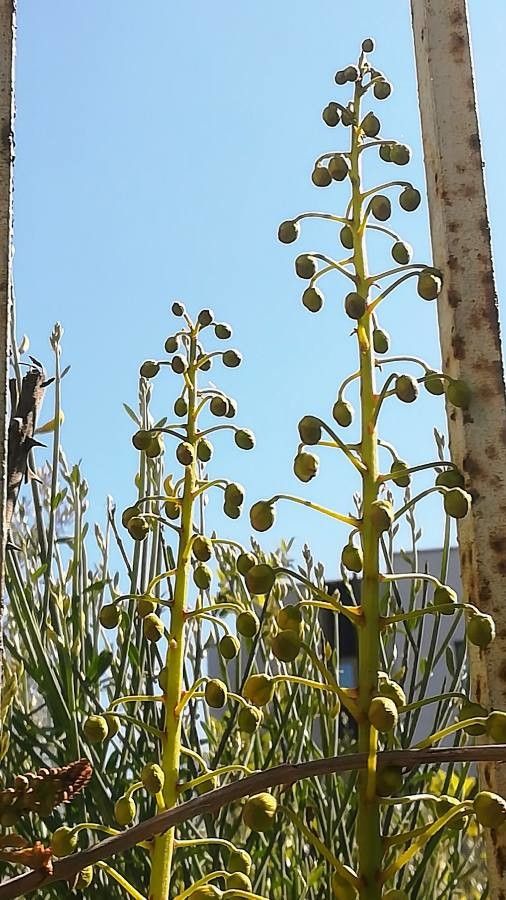
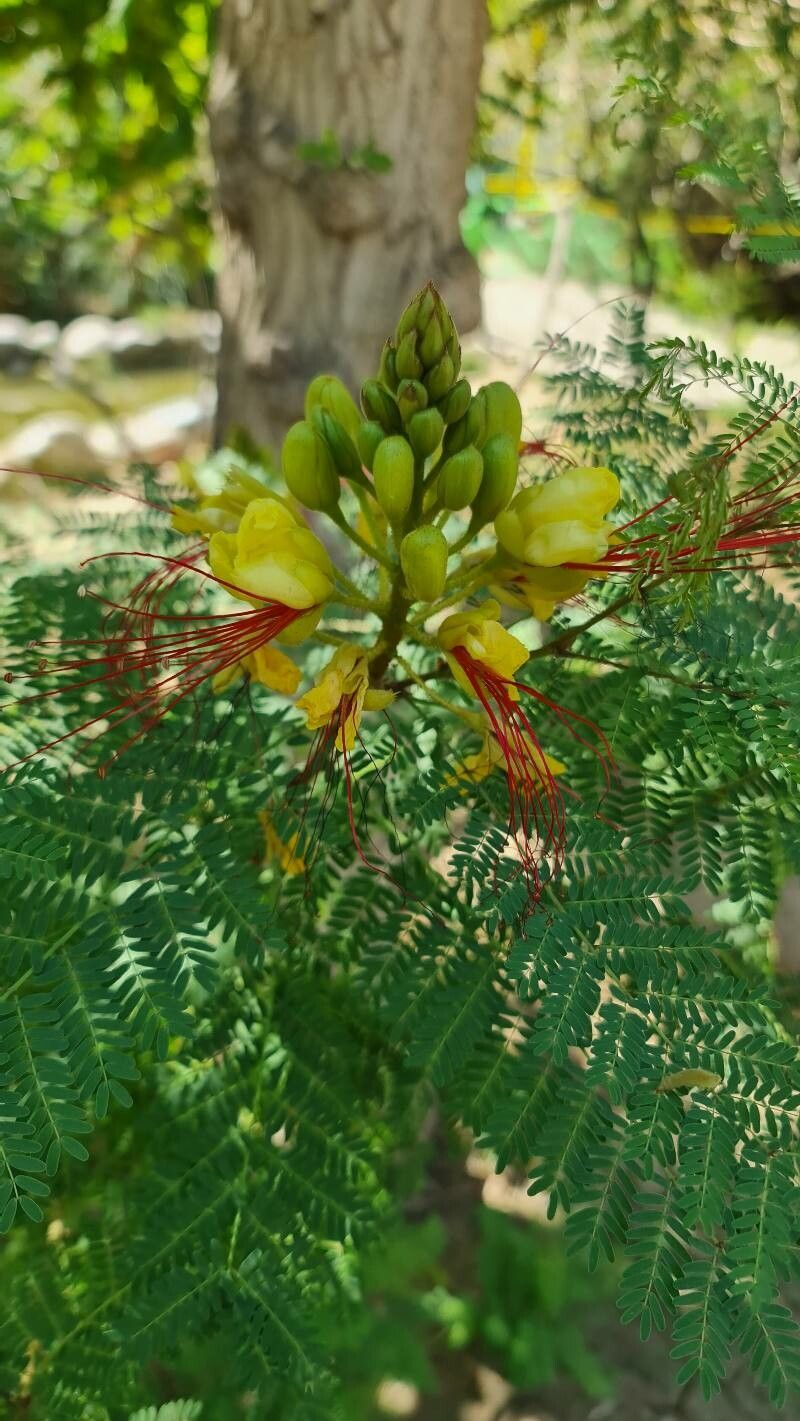
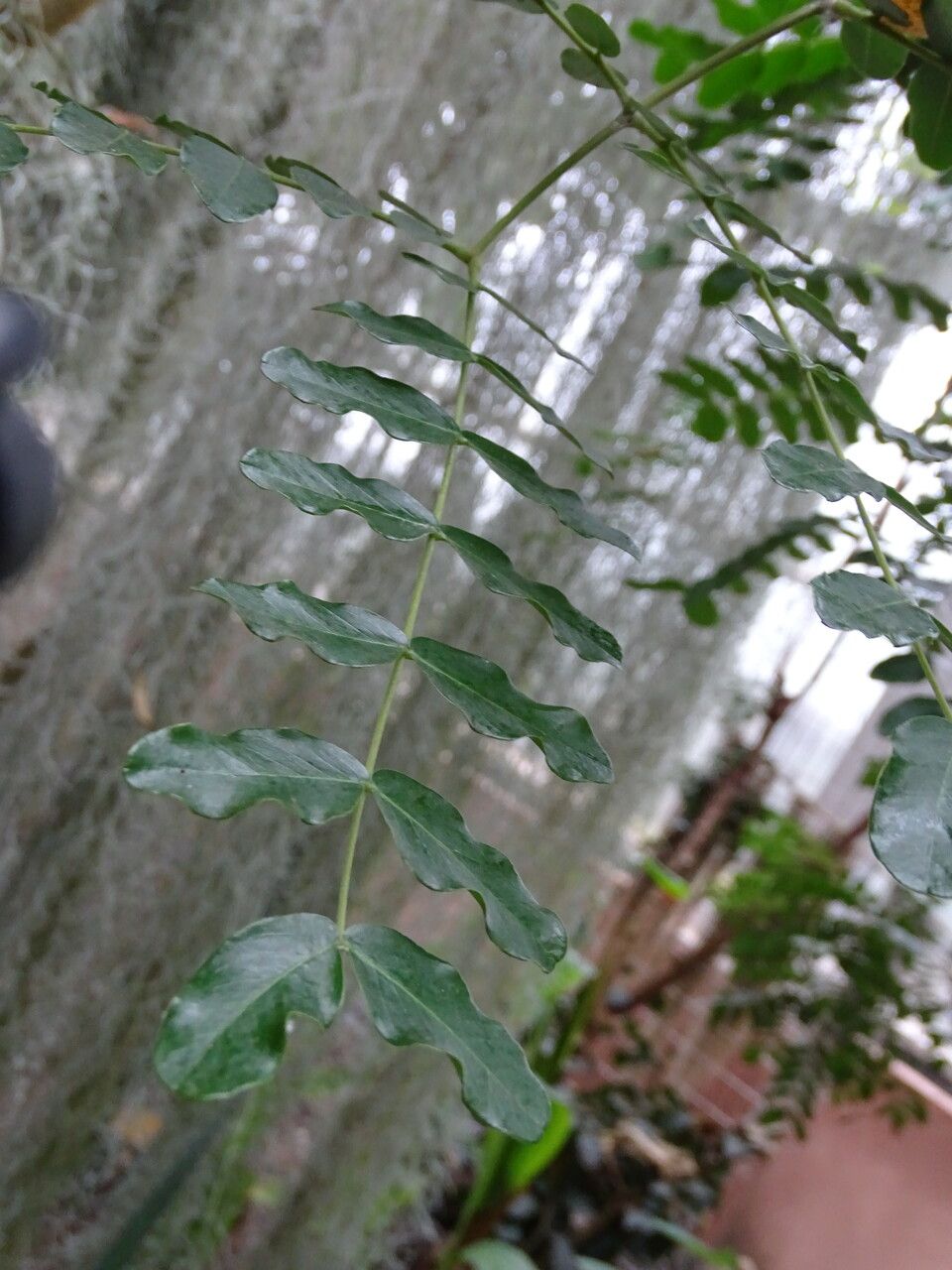
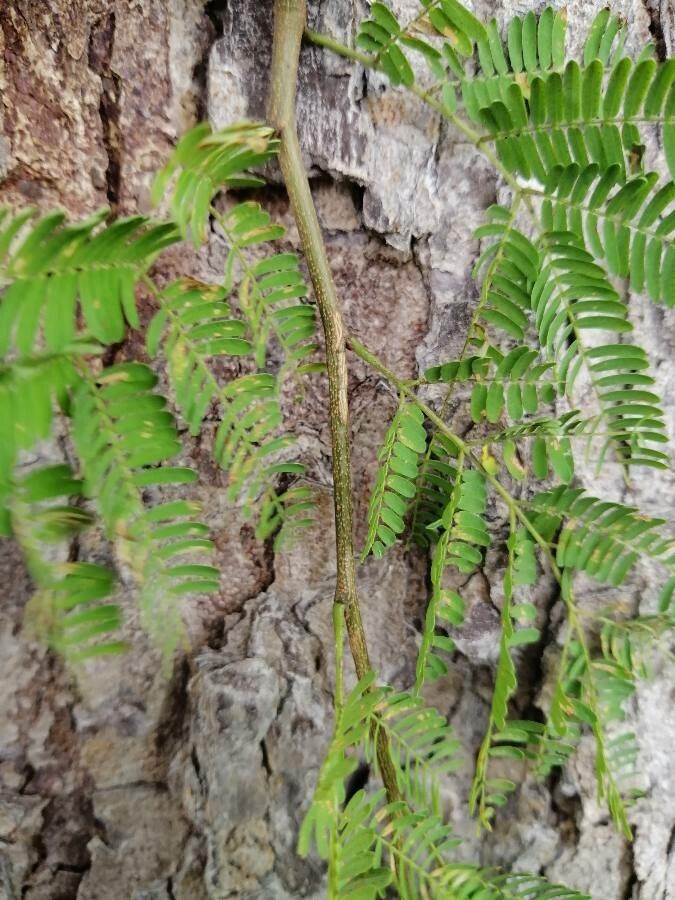
This plant grows as a woody vine or shrub, reaching lengths of up to 10 meters. Its compound leaves consist of 5-7 oval-shaped leaflets, each approximately 2-5 cm long. The flowers, which are yellow or orange, grow in clusters at the ends of branches.
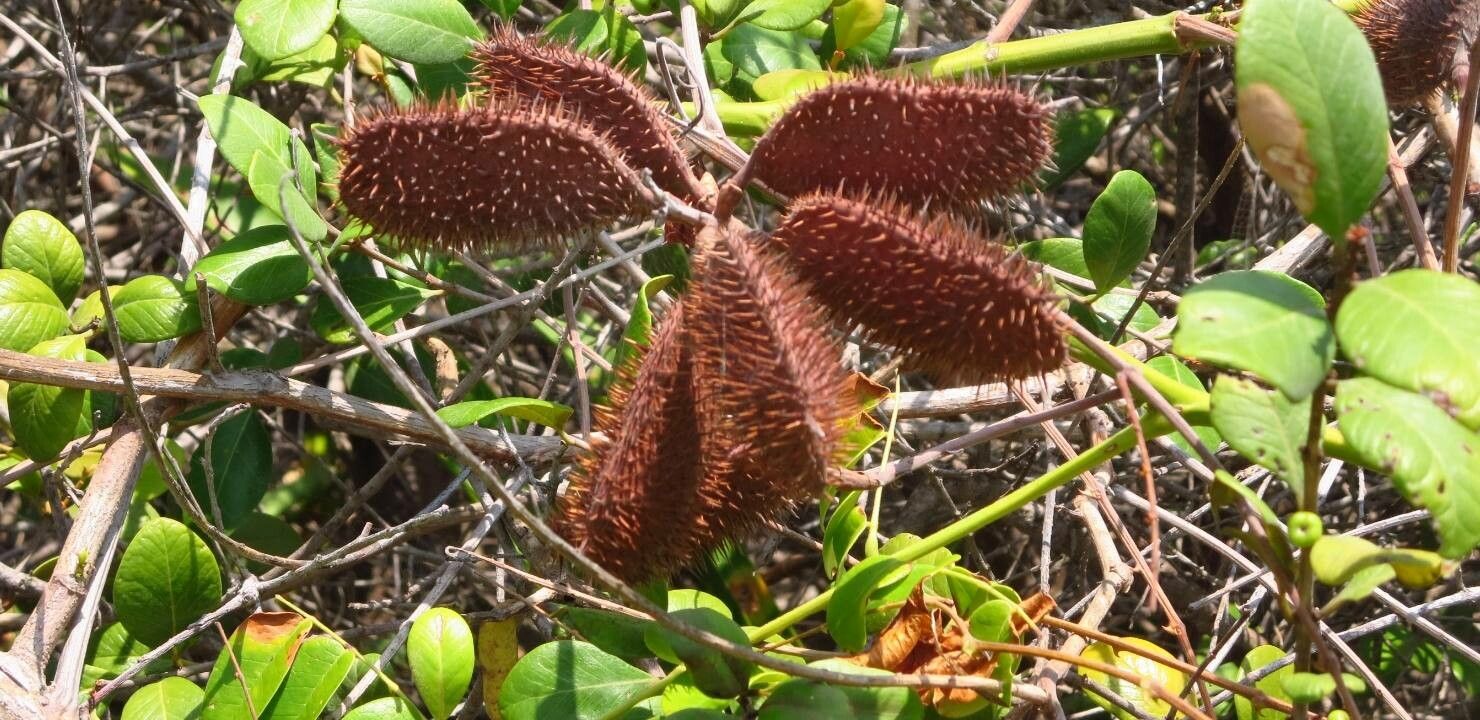
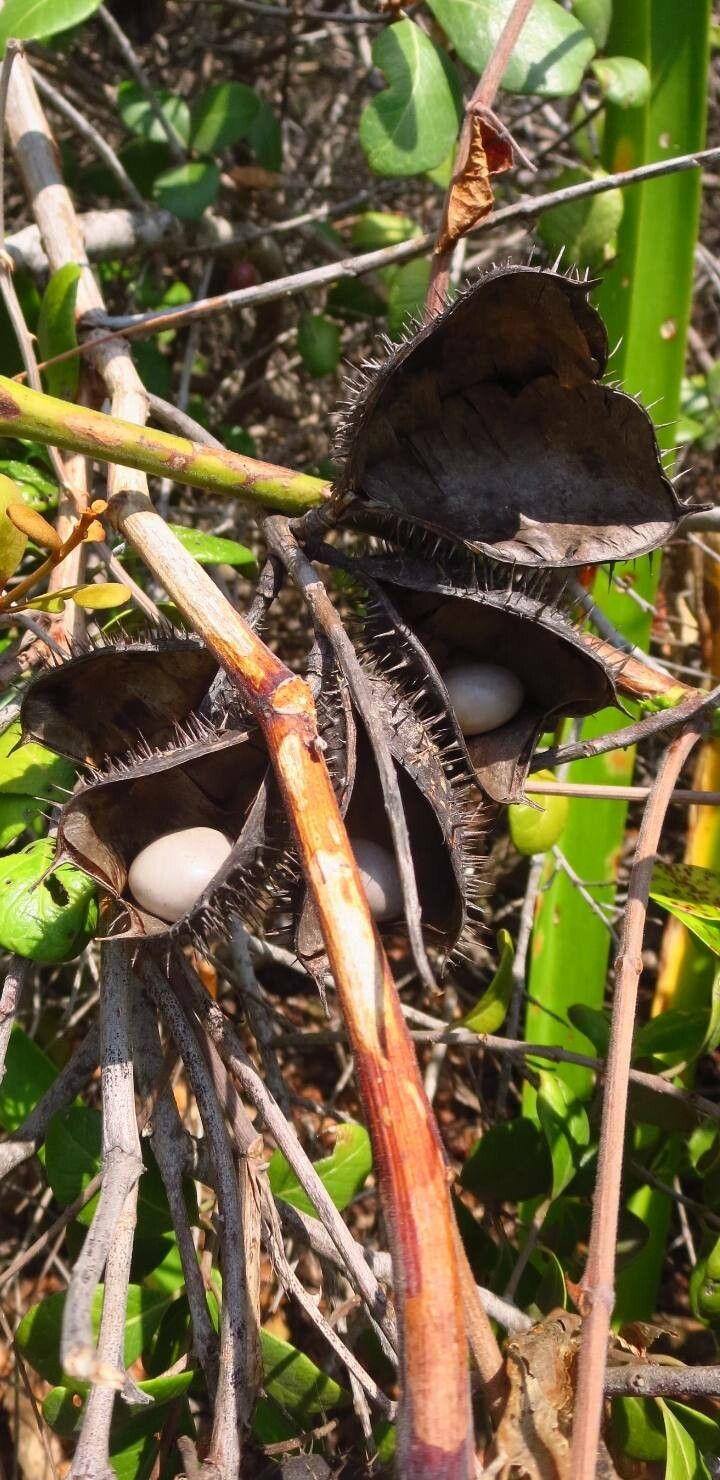
The most distinctive feature of Caesalpinia bonduc is its fruit: a hard-shelled seed pod covered with sharp spines. The seeds inside are small, round, and encased in a hard outer shell, which can be used for medicinal purposes.
Various parts of Caesalpinia bonduc have been utilized in traditional medicine around the world to treat ailments such as fever, diarrhea, dysentery, snake bites, and skin diseases like eczema and psoriasis.
Caution is advised when handling this plant due to its sharp spines, which can cause injury if not handled properly. Despite this, it remains a significant medicinal plant, recognized for its numerous health benefits by traditional medicine practitioners across different cultures for centuries.
Botanical profile.
- Plant Type
- Tree
- Life Cycle
- Perennial
- Genus
- Caesalpinia
- Family
- Leguminosae
- Hardiness Zone
- 9
- Mature Height
- 6.1 m
- Mature Spread
- 6.1 m
- Leaf Color
- Green
- Leaf Type
- Evergreen, Deciduous
- Flower Color
- Yellow
- Flower Size
- 2.54 cm
- Bloom Time
- Summer, Early fall, Mid fall
- Planting Time
- Spring, Summer
- Harvest Time
- Late summer, Fall, Early winter
Other names.