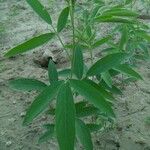
Cajanus cajan
Pigeon-pea · Red gram · Yellow dhal · Congo-pea · Congo Bean
Description
Source: leafsnapCajanus cajan, commonly known as pigeon pea, is a perennial legume plant belonging to the Fabaceae family. Native to India, it is widely cultivated in tropical and subtropical regions around the world. The plant can grow up to 4 meters tall and has a woody stem with green compound leaves. Its flowers, which are yellow or reddish-brown, grow in clusters at the ends of branches. Pigeon pea is an important crop both for food and fodder purposes. The seeds are rich in protein, carbohydrates, vitamins, minerals, and dietary fiber, making them an excellent source of nutrition for both humans and livestock. In addition to its nutritional value, pigeon pea possesses medicinal properties, including anti-inflammatory effects. The plant is also valuable for soil conservation due to its ability to fix nitrogen from the atmosphere, which enhances soil fertility. It can be intercropped with other crops, such as maize or sorghum, helping to reduce soil erosion. Overall, Cajanus cajan plays a significant role both economically and environmentally. Its nutritional value for human and livestock consumption, coupled with its ability to improve soil fertility through nitrogen fixation, makes it a valuable crop worldwide.
Care Guide
💧 Water Every 7 days
Originating from tropical regions, pigeon peas prefer consistent soil moisture and thrive with balanced hydration. Watering once a week is ideal, but their water needs increase during peak growth periods, especially when grown outdoors.
What's the best way to give water to my Pigeon pea plant?
To ensure excellent root development, it is recommended to place a garden hose at the base of the plant. When watering, avoid spraying the leaves directly as this can cause issues. If the leaves are exposed to direct sunlight outdoors, they will require more water. For moistening the roots, you can use bubblers or soaker hoses. If you are adding or removing plants, soaker hoses that cover the entire garden or bed can help in pushing the roots deeper. It is important to drain any excess water and allow the soil to dry before watering again. Watering at ground level is advised to prevent diseases. On a sunny day, spraying water on the entire bush might be beneficial. Whether the plant is potted or in the ground, remember that pigeon peas prefer deep watering rather than light sprinkling.
What should I do if I give Pigeon pea too much or too little water?
If a Pigeon pea plant is overwatered, its leaves may turn yellow, drop off, and wilt. The plant may also appear dull and unhealthy with mushy stems. In these cases, it's best to adjust your watering schedule when possible. Conversely, wilting can also indicate under watering, with leaves becoming crispy and dry. When the soil is dry and watering alone is not sufficient, give the plant a thorough watering. However, the damaged root system may cause the plant to continue looking dry with yellow leaves for a few days even after it has recovered. Always check the moisture levels in the pot when growing Pigeon peas indoors and avoid overwatering. If you notice black spots, allow the soil to dry out for a few days before watering again. Overwatering can lead to root rot, so if you see discolored and slimy roots, consider transferring the plant to a different pot. Preventing root rot is crucial, so don't let the soil become too soggy. When planting Pigeon peas outdoors, ensure the soil is adequately watered by checking with your fingers. If the soil is overly dry, it may indicate underwatering, and sufficient watering is necessary for the plant's recovery.
How frequently should I give water to my Pigeon pea plant?
The Pigeon pea prefers deep and infrequent watering. When planted in pots, it is recommended to soak them in a gallon of water each time since the water storage in pots is limited and the soil dries out quickly. In cold regions, watering is required every 3 to 5 days. It is best to water the plants in the morning when the soil is dry, whether they are outdoors or indoors. You can also check the soil inside to see if watering is needed. If the top 2-3 inches of soil are dry, it is time to give the plant a thorough watering. On hot days, it is advisable to check the moisture daily as the heat can cause the soil in the pot to dry out quickly. For garden plants, irrigation of the soil is necessary. In hot climates, watering once a week is sufficient. Only water when you notice that about 2 to 3 inches of soil has become too dry, both outdoors and indoors. Take into consideration the amount of rainfall the plant has received to avoid overwatering and prevent root rot. If there has been ample rainfall, additional watering may not be necessary. Pigeon pea typically grows during spring and fall. When growing them outdoors, it is recommended to add a layer of mulch about 3 to 4 inches deep to conserve water. Sandy soil retains less moisture, so plants in this type of soil will need more frequent watering. On the other hand, clay soil retains more moisture, allowing for less frequent watering, typically every 2-3 days to allow the plant to dry out and prevent root rot. You could keep track of watering dates on a calendar and pay attention to the leaves drooping, as this may indicate that the plant needs water sooner than expected.
How much water should I give to my Pigeon pea plant?
The Pigeon pea generally requires about a gallon of water per schedule. For potted plants, it's best to water them deeply until you see water dripping from the bottom of the pot. Allow the soil to dry before watering again. You can use a water calculator or moisture meter to determine how much water your plant needs in a week. During the flowering period, provide plenty of water but allow the moisture to evaporate to prevent root rot. If the Pigeon pea is planted outdoors and receives sufficient rainfall, it may not need additional watering. When the Pigeon pea is young or newly planted, make sure it gets 1-2 inches of rain per week. As it grows, it can rely on rainfall alone. Only water it fully during the cooler part of the day if the weather is too hot or if there has been no rainfall for 2-3 weeks to prevent heat damage. Additional watering will be necessary during prolonged dry spells.
Should I water my Pigeon pea plant more or less based on the time of year or the type of weather?
The Pigeon pea prefers to be outdoors and relies on rain for watering, but may need additional watering during long periods of dry weather. During the spring and fall, the soil should be kept moist but not saturated, and alternating between wet and dry conditions is beneficial for growth. In the summer, hot weather can cause water to evaporate quickly, so more frequent watering may be needed if there is a lack of rainfall. Less water is generally required during the winter when the Pigeon pea goes dormant, and using a well-draining soil mixture like terracotta can help with evaporation. Once the plant starts leafing out in the spring, watering can be skipped altogether as the Pigeon pea can rely on rain during the dormant period. Good drainage is important year-round, especially during the winter to prevent ponding. When grown in pots, regular watering is necessary, especially in the summer. Deep watering once or twice a week is preferable to shallow sprinkling, which can promote fungal growth and not reach the roots. Even in dormancy, the Pigeon pea should not be allowed to dry out completely in the fall or winter. Avoid overwatering and ensure adequate drainage to prevent root rot. Applying mulch can help reduce stress, conserve water, and promote healthy blooming.
☀️ Light Full sun
Pigeon pea requires very bright light for optimal growth and health. Adequate illumination allows for peak photosynthesis, promoting vigorous development. Although it is native to brightly lit environments, exposure to too much or too little light can lead to leaf scorching or stunted growth.
What are the sunlight requirements for pigeon pea plants?
Pigeon pea plants require full sun, meaning they should receive above 6 hours of sunlight daily. It's vital to watch how sunlight moves through your garden, choosing spots that provide a perfect balance of light and shade. This ensures the plants' happiness and promotes their healthy growth. The natural habitat of pigeon peas is known for its intense luminosity, which is crucial for optimum photosynthesis and robust development. However, too much or too little light can lead to issues such as leaf scorching or stunted growth.
What should I do if my pigeon pea plant is getting insufficient light?
If your pigeon pea plant shows signs of insufficient light, such as smaller new leaves, leggy growth, faster leaf drop, slower or no new growth, or lighter-colored new leaves, there are several solutions. For indoor plants, you can gradually move the plant to a sunnier location each week until it gets at least 6 hours of direct sunlight daily, use a south-facing window for maximum sunlight, or provide additional light using a desk, ceiling lamp, or professional plant grow lights for at least 8 hours daily. For outdoor plants, move them to the best spot for sunlight gradually to avoid sunburn. If obstructions block sunlight, consider pruning or transplanting smaller plants to sunnier locations with ample sunlight and good drainage.
How can artificial lighting help pigeon pea plants in low-light conditions?
Artificial lighting is an effective solution for pigeon pea plants in low-light conditions, especially indoors or during winter. Providing adequate lighting promotes faster and healthier growth. LED lights are a popular choice due to their customization to specific light wavelengths needed by plants. Full sun plants require 30-50W/sq ft of artificial light, partial sun plants need 20-30W/sq ft, and full shade plants need 10-20W/sq ft. The light source should be placed 12-36 inches above the plant to mimic natural sunlight, and most plants need 8-12 hours of light per day.
Can pigeon pea plants suffer from too much sunlight?
Yes, pigeon pea plants can suffer from too much sunlight, which may lead to symptoms like chlorosis (loss of green color and yellowing of leaves due to breakdown of chlorophyll), sunscald (pale, bleached, or necrotic areas on plant tissue), leaf curling (a defense mechanism to reduce surface area exposed to sunlight), wilting (loss of turgor pressure causing droopiness), and leaf scorching (brown, dry, and crispy edges on leaves). These conditions negatively affect the plant's ability to photosynthesize and overall health, emphasizing the importance of proper light management.
🌡️ Temperature 20–37.8°C
Pigeon pea originates from regions where temperatures range from 68 to 100 °F (20 to 38 °C). The plant prefers moderate warmth. During cooler seasons, adjustments may be needed to maintain optimal growing conditions.
What is the native temperature range for pigeon pea?
Pigeon pea is native to areas where temperatures range from 68 to 100°F (20 to 38°C). This plant prefers moderate heat and requires adjustments during cooler seasons to ensure optimal growth conditions. It thrives in relatively warm temperatures, and it's beneficial to maintain temperatures above 20°C during winter cultivation. The minimum temperature should always be kept above the freezing point to prevent the plant from sustaining freeze damage. When outdoor temperatures approach -5°C (25°F) during winter, it's advisable to either bring the pigeon pea indoors or provide protection by setting up a temporary greenhouse or using materials like plastic film or fabric to wrap the plant.
How does pigeon pea react to low temperatures, and what are the solutions?
Pigeon pea has a moderate tolerance to low temperatures and thrives best when the temperature remains between 20°C and 38°C. It should be kept above 0°C during winter. When the temperature falls below -5°C, the leaves may darken, and in severe cases, water-soaked necrosis, wilting, and drooping may occur, with leaves gradually turning brown. The solution is to trim away the frost-damaged parts, move the plant indoors to a warm environment immediately, or set up a makeshift greenhouse for protection. If the plant is moved indoors, it should be placed near a south-facing window to ensure it gets ample sunlight. Supplemental lighting can be used if there is insufficient light.
How does pigeon pea react to high temperatures, and what are the solutions?
During summer, pigeon pea should be kept below 38°C. When the temperature exceeds 43°C, the plant's growth slows, leaves may lighten in color, and it becomes more susceptible to sunburn. To manage this, trim away the sunburned and dried-up parts of the plant. Move the plant to a location that provides shade during the intense afternoon sun. Ensure the plant is watered in the morning and evening to keep the soil moist, preventing further stress.
💨 Humidity normal (40-60%)
This plant will thrive in moderate humidity, which is probably the level in your home. However, misting it a few times a week can be very beneficial. Make sure the room has good ventilation.
🪴 Soil 5-7
🌱 Fertilizer
For optimal growth, Pigeon pea requires three fertilizer treatments: one before planting, a second about one month after seedling emergence, and a final treatment 1 to 1.5 months after the second. Some Pigeon pea types also benefit from extra fertilizer at planting to support rapid growth.
Why do I have to put fertilizer on my Pigeon pea?
To ensure the best harvest of Pigeon pea, it is important to provide the necessary nutrients for the plant to grow properly. Each macronutrient plays a different role in supporting plant growth. Phosphorus, in particular, is crucial in promoting the formation of flowers and fruit. However, it is also essential to have a healthy root system and leaves that can absorb sunlight, as these are necessary for the production of flowers and fruit. Without sufficient macronutrients, plants may grow slowly, lack vitality, and even wilt. Since flowering and fruiting require a significant amount of energy from plants, any deficiencies in these main components will be reflected in the resulting fruits.
When should I fertilize my Pigeon pea for the best results?
Pigeon pea is a summer crop that should be planted in spring for summer fruit production. To ensure high-quality produce, use rich, fertile soil and mix in compost or well-rotted manure before planting. These materials provide nutrients and improve soil drainage. For transplants, fertilize immediately after planting, but wait until seedlings reach a height of 2 to 4 inches before the first fertilization. Established plants should be fed every 3 to 4 weeks until the first frost or when fruit production stops. Remember to customize your fertilization schedule based on the specific fertilizer type and variety of Pigeon pea. When unsure, it's better to fertilize less.
When is it not a good idea to add fertilizer to my Pigeon pea plant?
To ensure proper growth and fruit production in Pigeon pea, it's important to avoid using a fertilizer with excessive nitrogen. While high nitrogen levels may result in an abundance of leaves, it can hinder the development of blooms and fruits. Instead, opt for a fertilizer with a lower nitrogen content in comparison to other nutrients. Additionally, it is advisable not to fertilize Pigeon pea during periods of hot temperatures or dry conditions. When the weather is hot, plants have less capacity to absorb nutrients, and applying fertilizer at this time may cause it to wash through the soil without being taken up by the plants. This could be particularly problematic during a drought or heatwave, as the fertilizer could remain in the soil, restricting the plants' ability to access water.
What kind of plant food does my Pigeon pea need?
To determine the right fertilizer for your Pigeon pea, start by assessing the nutrient levels in your soil. A soil test is the most accurate way to do this, but some people have success without one through trial and error. While there are specific fertilizers available for different Pigeon pea varieties, it's not necessary to buy a different one for each vegetable you grow. By understanding their basic needs and what your soil already has, you can use the same fertilizer for multiple plants. Many growers prefer high-phosphorus fertilizers to promote flowering and fruiting, with an NPK ratio like 8-32-16 or 10-30-10. However, some people keep things simple by using a balanced fertilizer like 10-10-10 for all their garden plants.
How can I feed my Pigeon pea plant?
When using different types of fertilizer, it is important to follow the specific instructions provided. Some fertilizers may need to be diluted, while others require precise measurements. It is crucial to do your research to avoid over-fertilizing your garden. If you have planted Pigeon pea in a row, you can use the side-dressing method. This means mixing the fertilizer into the soil along the rows, but ensuring it does not touch the plant itself. By doing this, the nutrients will reach the roots. Alternatively, if side-dressing is not suitable for your garden setup, you can apply the fertilizer around the plant, keeping a distance of about 3 to 4 inches. For granular fertilizers, scatter them on the soil and lightly mix them in. Water thoroughly after using dry fertilizers. Liquid fertilizers can be mixed into a watering can and used to water and fertilize plants simultaneously. Alternatively, foliar feeding involves spraying the leaves with a specialized fertilizer mix instead of adding nutrients to the soil.
🪴 Pot & Repot Every 12 months
✂️ Pruning
Pigeon pea is a drought-resistant, nitrogen-fixing plant that thrives with proper care. To encourage healthy growth, it's beneficial to prune the plant in winter. This involves removing dead branches and cutting back woody stems to stimulate new shoots. Pruning also improves air circulation, which helps reduce the risk of disease. When making cuts, be sure to cut at a 45-degree angle above a node to prevent rot.
🌿 Propagating
🐛 Diseases & pets
☠️ Toxicity
Characteristics
- Plant Type
- Shrub
- Life Cycle
- Perennial
- Genus
- Cajanus
- Family
- Fabaceae
- Hardiness Zone
- 9-12
- Mature Height
- 0.91 m to 3.05 m
- Mature Spread
- 3.96 m
- Leaf Color
- Bronze
- Leaf Type
- Deciduous
- Flower Color
- Yellow, Orange
- Flower Size
- 2.54 cm to 5.08 cm
- Bloom Time
- Late spring, Summer
- Planting Time
- Spring, Summer, Autumn
- Harvest Time
- Mid summer, Late summer, Fall, Winter
- Native Area
- Burkina Faso, Angola, Namibia, Madagascar, Rwanda, Nigeria, Kenya, Niger, Uganda, Tanzania, Zimbabwe, Mali, Guinea-Bissau, Benin, Sierra Leone, Cameroon, Liberia, Mozambique, Burundi, Ghana, Ethiopia, Central African Republic, Malawi, South Africa, Zambia, Sudan, Guinea, Chad, Togo, Senegal, Eswatini, Côte d'Ivoire, Congo (DRC)