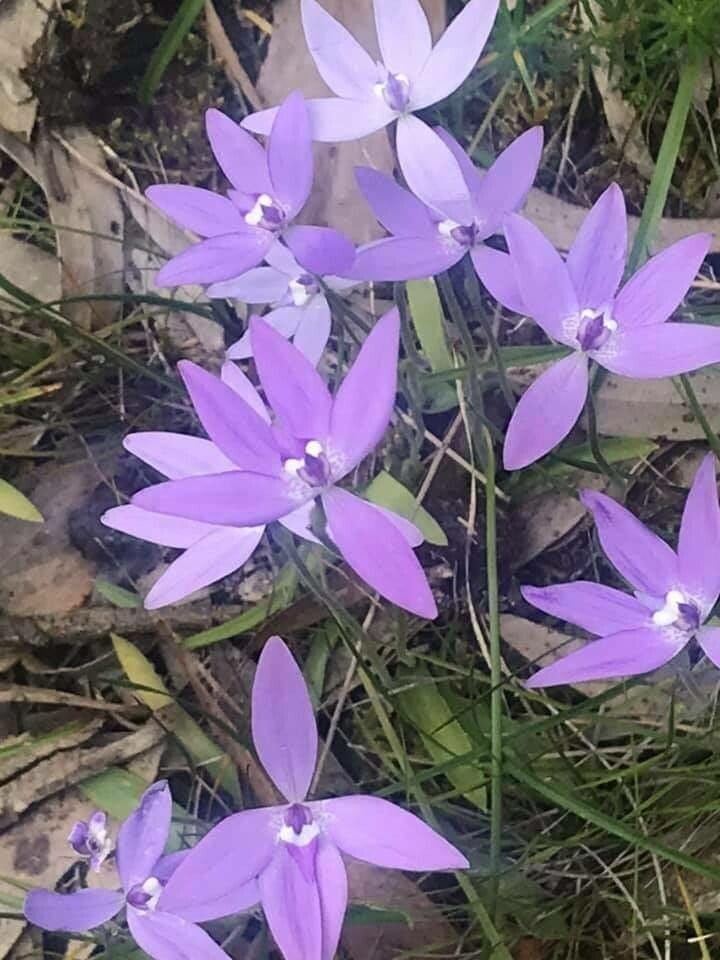
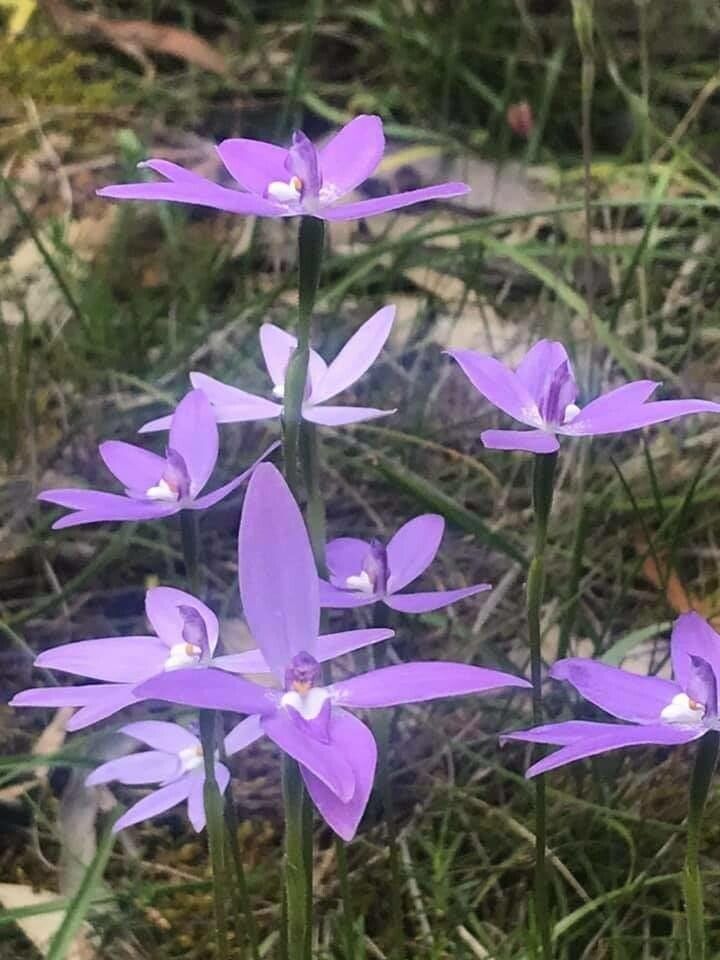
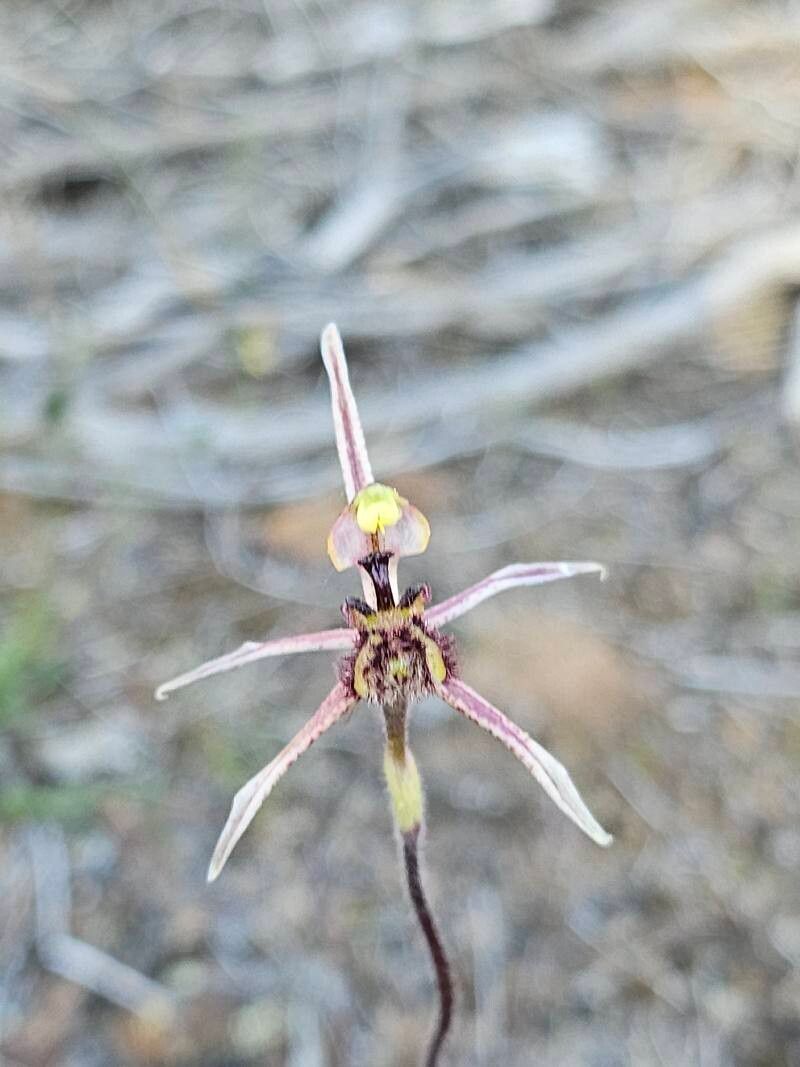
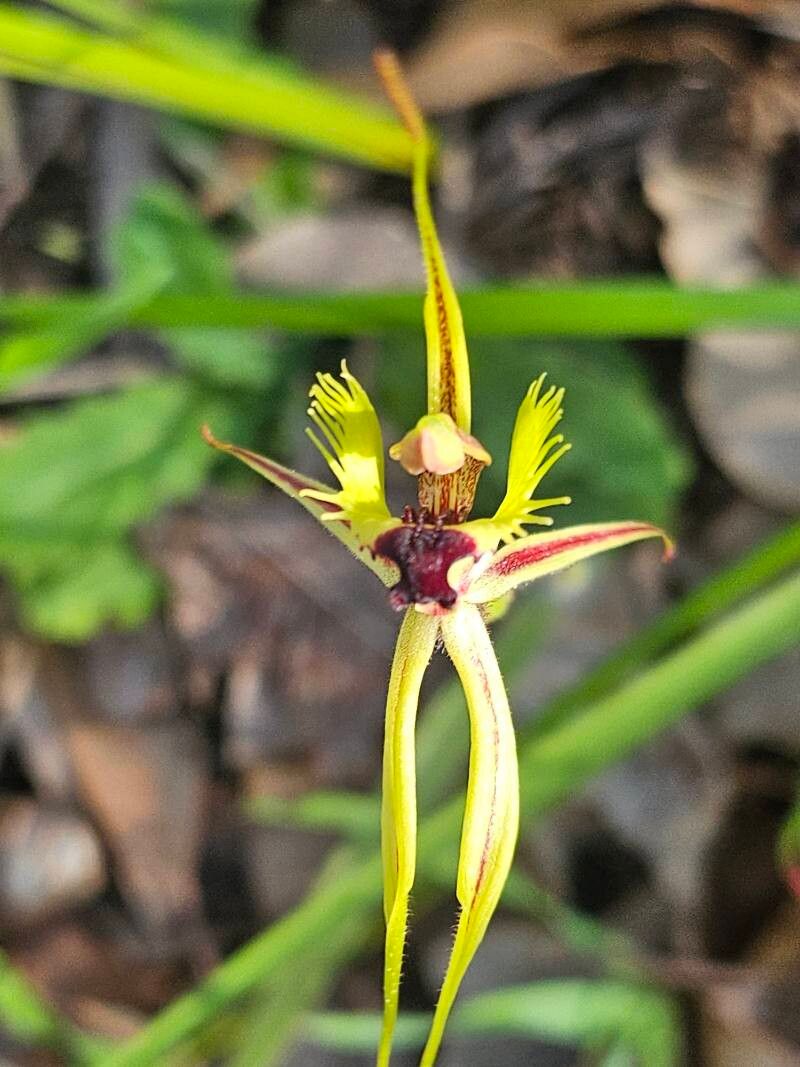
Glossodia major, commonly known as the waxlip orchid, parson-in-the-pulpit, or purple cockatoo is a plant in the orchid family Orchidaceae, and is endemic to Australia. It is a ground orchid with a single hairy leaf and one or two purple to mauve flowers.
Parson-in-the-pulpit is typically resistant to disease and encounters relatively few insect pests. Its care is regarded as difficult because it needs a high-humidity yet well-ventilated environment with few harmful pathogens. Too much watering can result in root rot. Although anyone can grow Parson-in-the-pulpit, keeping it healthy and getting it to flower again requires more growing experience.
How to keep Caladenia Major.
Light
Parson-in-the-pulpit is native to habitats like forest understories and rocky areas, where it occurs in natural shade. It prefers partial sun but can adapt to full sun or full shade, showing its versatile, hardy nature.
Water
Parson-in-the-pulpit grows best in well-drained, humid environments and needs to be watered weekly to remain healthy. It is drought-resistant and requires less water during its dormant phase, which reflects its adaptation to the seasonal rainfall typical of temperate regions.
Temperature
Parson-in-the-pulpit can tolerate a wide range of temperatures, but its distribution may still be restricted by different combinations of moisture and heat. It does best in warm summer climates with sufficient rainfall or supplemental watering. Extended periods of cloudy, rainy weather and prolonged high temperatures can raise the chance of Parson-in-the-pulpit dying. In winter, appropriate protection from cold can increase the plant’s likelihood of survival.
Fertilizer
The best time to fertilize a Parson-in-the-pulpit is in early spring, when it is coming out of dormancy and beginning active growth. Fertilization supplies essential nutrients for healthy development. Although the plant has relatively low fertilizer requirements, applying fertilizer annually can improve its survival and encourage better, longer-lasting flowers.
Pruning
To ensure the health and appearance of Parson-in-the-pulpit, it’s important to prune the plant properly. The best time to do this is in early to late spring. Begin by trimming any damaged parts to improve air circulation. Also, remove any spent flowers to prevent the plant from going to seed. Regular pruning not only keeps the plant looking tidy but also encourages new growth. Always use clean, sharp tools to avoid spreading diseases.
Botanical profile.
- Plant Type
- Herb
- Life Cycle
- Perennial
- Genus
- Caladenia
- Family
- Orchidaceae
- Hardiness Zone
- 8-11
- Mature Height
- 20 cm to 30 cm
- Mature Spread
- 10 cm to 20 cm
- Leaf Color
- Green
- Leaf Type
- Deciduous
- Flower Color
- Pink, White
- Flower Size
- 2.54 cm to 5.08 cm
- Bloom Time
- Early fall, Mid fall
- Planting Time
- Autumn
- Harvest Time
- Late fall, Early winter
Other names.