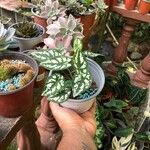
Caladium humboldtii
Elephant ear
Description
Source: leafsnapOne of the rare Caladium species grown indoors is Caladium Humboldtii. Caladium Bicolor is the most prevalent variety. Caladiums are perennial foliage plants with bright, heart-shaped leaves that rarely blossom. They are grown both indoors and outdoors, and throughout the winter they go dormant. Caladium Humboldtii is smaller than other caladiums, making it easier to grow the healthiest caladium possible. It also features wing-shaped leaves and unique white patterning. Alexander von Humboldt is honored by the species name "Humboldtii." He was a German traveler and naturalist who compiled a record of plant species in Latin America. The area of biogeography was founded on his study.
Care Guide
💧 Water 1-2 times a week
The mini variegated caladium flourishes in humid conditions and requires consistent moisture, though it can tolerate moderate drought. To prevent oversaturation, water it weekly. Often grown indoors for its decorative foliage, this plant thrives with higher ambient humidity, which helps maintain its vibrant leaves.
☀️ Light Partial sun
The mini variegated caladium is native to habitats like forest understories or rocky areas, where it grows in natural shade. It prefers partial sun but can adapt to full sun or full shade, demonstrating its versatile and hardy nature.
What are the sunlight requirements for a Mini Variegated Caladium?
The Mini Variegated Caladium, or Caladium humboldtii, thrives in conditions that meet its specific sunlight needs. It requires partial sun, meaning it should receive about 3-6 hours of sunlight daily. For those areas under full shade, less than 3 hours of sunlight is necessary. It's important to observe how sunlight moves through your garden throughout the day. Choosing the right spots that offer a harmonious balance of light and shade will ensure your Mini Variegated Caladium grows healthy and happy.
🌡️ Temperature 20–37.8°C
Mini variegated caladium comes from tropical areas where the climate is generally warm and humid. As a result, it is adapted to high heat and humidity. It does not tolerate sudden temperature changes and prefers a consistent temperature, so it is important to avoid indoor temperature fluctuations. It usually cannot withstand cold and requires warmer conditions to grow. If the surrounding temperature becomes too low, the plant may stop growing or even die.
💨 Humidity
🪴 Soil 5-6
🌱 Fertilizer
Mini variegated caladium needs the most fertilizer during its active growth period, which occurs mainly in spring, summer, and early fall. Fertilization supplies essential nutrients the soil may lack, encouraging healthy root and stem development and promoting the attractive foliage that is a defining feature of this plant.
🪴 Pot & Repot Once a year
Repot the mini variegated caladium in spring or summer once temperatures are warm, choosing a slightly larger pot with good drainage. After repotting, water thoroughly and place it in bright, indirect light. Consider installing a moss pole to support the plant as it grows.
✂️ Pruning
The mini variegated caladium benefits greatly from spring pruning, which involves removing damaged leaves and spent stems. This practice encourages new growth and boosts the plant's vigor. It's crucial to use sterilized tools to prevent infections. Regular pruning not only enhances the plant’s lush appearance but also increases its ornamental value in gardens.
🌿 Propagating
🐛 Diseases & pets
☠️ Toxicity
Actually If chewed or swallowed, the plant is poisonous in all of its parts. An intense and excruciating burning sensation on the affected areas, excessive salivation, swelling of the lips, mouth, tongue, and throat, and severe stomach irritation are all symptoms. It is known that the sap can lead to rashes, severe itching, and burning.
Characteristics
- Plant Type
- Herb
- Life Cycle
- Perennial
- Genus
- Caladium
- Family
- Araceae
- Hardiness Zone
- 10-12
- Mature Height
- 15 cm to 30 cm
- Mature Spread
- 20 cm to 30 cm
- Leaf Color
- White, Pale Green
- Leaf Type
- Semi-evergreen
- Flower Color
- White
- Bloom Time
- Summer, Early fall
- Planting Time
- Summer
- Harvest Time
- Late summer, Fall
- Native Area
- Brazil, Venezuela