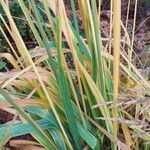
Calamagrostis arundinacea
Korean Feather Reed Grass · Overdam Feather Reed Grass · Purple reedgrass · Rough Reedgrass · Metskastik
Description
Source: leafsnapCalamagrostis arundinacea is a species of bunch grass in the family Poaceae, native to Eurasia, China and India. Under its synonym Calamagrostis brachytricha it has gained the Royal Horticultural Society's Award of Garden Merit.
🌳 Frequently dismissed as merely an ornamental plant, feather reed grass actually has notable scientific significance because of its high cellulose content, paving the way for sustainable papermaking. Its uses extend beyond garden decoration and might even include sustainable stationery on your desk.
🎭 Liberty
Care Guide
💧 Water
Rough small-reed flourishes in moist, well-drained soils and enjoys regular watering, ideally about twice a week. It is adaptable to different water conditions, which makes it a robust choice for temperate gardens. Usually grown outdoors, this plant benefits from natural rainfall and changes in seasonal moisture.
What should I do if I give my Rough small-reed plant too much or too little water?
Proper watering is essential for the health of this beautiful ornamental grass. In the ground, watering issues can be resolved. However, in a container, water that is either too much or too little can quickly kill the Rough small-reed. When the Rough small-reed does not receive the right amount of water, it may cease growing. Overwatering will cause yellow leaves with brown tips, while underwatering can lead to drooping leaves, weak seed head production, and browned leaves. If you suspect your Rough small-reed has been watered improperly, the first step is to determine if it is receiving too much or too little water. If it is getting too much water, stop watering it immediately. It can take some time for heavy soil to dry out, so be patient. Once you see new growth, test the soil for moisture and decide if it requires more water. If the Rough small-reed is receiving too little water, simply give it a deep drink and observe if it responds positively. It is important to remember that a long, deep watering is better than shallow, frequent waterings. This encourages the grass to develop deep roots, increasing its resistance to drought and reducing watering-related issues.
How frequently should I give water to my Rough small-reed?
The watering needs of Rough small-reed depend on its planting location. In general, watering once a week is sufficient. In hot climates, watering once or twice a week during the summer may be necessary. In moderate climates, watering once every seven days or more may be enough. Grass in containers typically needs more frequent watering than grasses in the ground. However, the species can thrive in full sun or part shade, so the location also matters. Shaded grasses require less frequent watering than in-ground grasses. Only water Rough small-reed when the soil is dry. To determine if the soil is dry, press your finger a couple of inches into the soil or weigh the potted grass with a portable scale. If the grass lacks sufficient water, the blades may appear folded and thinner than usual. Despite its drought tolerance, regular, deep waterings will enhance its color. In the wild, Rough small-reed grows in open scrubland, encountering extreme heat, bright sun, and intermittent rain. Although it is drought resistant, it still requires care and attention. Consistent water is beneficial for its thriving. When first planted, Rough small-reed needs more frequent watering until it establishes deep roots. Potted Rough small-reed dries out quickly, especially if exposed to hot, direct sun. Test the soil every 3 to 4 days and water only when it feels dry. Rough small-reed in the ground generally needs less watering, depending on the soil type. Heavy clay soil may feel dry at the surface while retaining moisture below ground, while sandy soils that drain quickly require more frequent watering.
What do I need to be careful about when I water my Rough small-reed in different seasons, climates, or during different stages of growth?
Monitoring the rate of growth of your grasses can often indicate if you are watering enough. During the hottest months, rough small-reed can double in size within a year. If you notice that the weather is hot but the grass is not growing vigorously, it may be necessary to adjust your watering schedule. In winter, you may be able to water only once a month, but it is still important to check the soil for moisture. During the warmest months when the grass is in a growth cycle, it will require more water than usual. However, during winter and cooler months, the need for water is significantly reduced. Remember to allow the soil to dry out completely before adding water when it comes to rough small-reed.
☀️ Light Full sun
Feather reed grass does best in abundant light, showing healthier growth with greater light exposure. It tolerates moderate light levels, though growth may be reduced. Too much or too little sunlight can harm it, reflecting its native sun-drenched habitats. Different growth stages may have varying light requirements, although this is not explicitly stated.
What are the sunlight requirements for Rough small-reed?
Rough small-reed thrives in environments that offer abundant sunlight, which is crucial for its survival and optimal growth. The plant requires 'Full sun' conditions to flourish, meaning it should receive above 6 hours of sunlight daily. However, it can also tolerate 'Partial sun' conditions, where it gets about 3-6 hours of sunlight. It's important to monitor the sunlight patterns in your garden carefully to ensure that your plants are situated in spots that provide the right balance of light and shade, thus guaranteeing their well-being.
Why is artificial lighting important for indoor plants, and how should it be used?
Artificial lighting is vital for indoor plants, especially when natural sunlight is insufficient, such as during winter or in rooms with limited sunlight exposure. It supports optimal growth by simulating the natural sunlight conditions. LED lights are recommended for their ability to provide specific light wavelengths needed by plants. For plants requiring full sun, approximately 30-50W per square foot of artificial light is needed; for partial sun plants, 20-30W per square foot is sufficient, and for full shade plants, 10-20W per square foot. The light source should be placed 12-36 inches above the plant to mimic the natural sun and should be left on for 8-12 hours per day, depending on the specific needs of the plant species.
What are the symptoms of improper lighting for Rough small-reed?
Insufficient lighting can cause several issues for Rough small-reed, including smaller new leaves, leggy or sparse growth, faster leaf drop, slower or no new growth, and leaves developing lighter colors or showing chlorosis (yellowing) and sunscald from too much light. Additional symptoms of excessive sunlight include leaf curling, wilting, and leaf scorching. Observing these symptoms will help you adjust the lighting conditions for your Rough small-reed to ensure it receives the appropriate amount of sunlight or artificial light for healthy growth.
What are some solutions to address lighting issues for Rough small-reed?
To address lighting issues for Rough small-reed, gradually move the plant to a sunnier spot until it achieves a minimum of 6 hours of direct sunlight each day. Use a south-facing window for indoor plants and keep curtains open to maximize light exposure. For larger plants or those that cannot be easily moved, artificial lighting such as a desk or ceiling lamp, or professional plant grow lights can be used for at least 8 hours a day. For outdoor plants, it's crucial to adapt them to brighter conditions gradually to prevent sunburn. Additionally, observe the surrounding environment for obstructions blocking sunlight and consider pruning or transplanting to more suitable locations. Remember, parts of the plant damaged by insufficient light might not recover, but new growth will be healthy with improved lighting conditions.
🌡️ Temperature 5–35°C
Feather reed grass is a temperate woody plant that prefers temperatures between 41 ℉ (5 ℃) and 95 ℉ (35 ℃). It is native to regions with cool to moderate temperatures and can cope with lower winter temperatures by going dormant. During warmer seasons it benefits from supplemental watering to help regulate temperature and avoid drying out.
What are the ideal temperature conditions for Rough Small-Reed?
Rough Small-Reed, botanically known as Calamagrostis arundinacea, prefers a moderate temperature range of 59 to 89.6 °F (15 to 32 °C) for optimal growth. Although it demonstrates strong cold resistance, making it generally unnecessary to take special frost protection measures, it is still vital to ensure the plant's surroundings do not fall below -15°C during winter.
How should Rough Small-Reed be protected during winter?
To protect Rough Small-Reed in winter, especially if temperatures are expected to drop below -15°C, it's essential to cover the plant with soil or straw. Additionally, watering the plant abundantly before the first freeze of autumn is recommended. This helps maintain soil moisture into the frozen state, preventing drought and water scarcity during winter and early spring.
How does low temperature affect Rough Small-Reed, and what are the solutions?
Rough Small-Reed thrives best above 15°C but can tolerate cold down to -10°C. At temperatures below -15°C, while there may not be evident changes in winter, a decrease in spring sprouting or no sprouting at all may occur. The solution to this issue is to remove any parts of the plant that have failed to sprout during spring.
How does high temperature affect Rough Small-Reed, and what are the corrective actions?
Rough Small-Reed should ideally be kept below 32°C during summer. Exceeding 35°C can cause the leaves to lighten in color, curl, become prone to sunburn, or, in severe cases, cause the entire plant to wilt and dry. To mitigate these effects, trim away sunburned and dried-up parts. Move the plant to a shaded area during midday and afternoon sun or use a shade cloth. Additionally, watering in the morning and evening is recommended to keep the soil moist.
💨 Humidity
🪴 Soil 6-7
🌱 Fertilizer
Feather reed grass benefits from extra nutrients to encourage healthy new growth. In spring, adding compost around the plant’s base can effectively supply the nourishment it needs. Fertilizing helps support vigorous growth and improves the plant’s resistance to diseases and pests.
Why do I have to put fertilizer on my Rough small-reed?
Fertilizing Rough small-reed is essential for its well-being. By providing extra nutrients, you support the production of healthy new growth, as well as the overall health of existing growth. Moreover, it helps your plant in fighting diseases and pests.
When should I fertilize my Rough small-reed?
To ensure the survival of Rough small-reed in your garden, it's important to understand the right timing for fertilizing. This plant doesn't need a lot of nutrients and doesn't require any when it is dying back. While you can use diluted fertilizer at the beginning of the growing season, it is generally not advised. Instead, it is recommended to place mulch or compost around the base of the plant.
When is the best time to not fertilize my Rough small-reed?
If you are not using packaged fertilizers, you can relax about knowing when to stop feeding Rough small-reed. Simply applying a layer of compost or mulch in the spring will suffice to keep Rough small-reed thriving all year. No need to concern yourself with mulching or composting during the plant's dormant winter period.
What kind of fertilizer does my Rough small-reed plant need?
You can skip buying fertilizer for your rough small-reed at the garden center. Instead, in the spring, you can add a layer of compost to provide the necessary nutrients for the plant. Additionally, if you mulch your garden annually, the bark will help keep your plant well-fed and satisfied.
How do I add fertilizer to my Rough small-reed plant?
When using either mulch or compost for Rough small-reed, follow these steps: Begin by placing a layer of the chosen material, ensuring it covers the base of the plant. If you decide to use both materials, decrease the amount of compost. Applying mulch also serves two functions: retaining soil moisture and providing nutrients to the plant.
🪴 Pot & Repot 2-3 years
When repotting Feather reed grass, choose a pot 1-2 inches (2.5–5.1 cm) larger with ample drainage. Use a well-draining potting mix. Repot in spring or fall, making sure the root ball sits slightly below the rim of the flower pot. Water thoroughly after repotting and place in a warm spot with indirect sunlight.
✂️ Pruning
Rough small-reed is characterized by its tall stems and feathery plumes. To promote healthy new growth and improve airflow, prune the plant in early spring by cutting it back to ground level. This also helps to reduce the risk of disease. Regular maintenance will ensure vigorous plants and an attractive garden display.
🌿 Propagating
🐛 Diseases & pets
☠️ Toxicity
Characteristics
- Plant Type
- Grass
- Life Cycle
- Perennial
- Genus
- Calamagrostis
- Family
- Poaceae
- Hardiness Zone
- 5-9
- Mature Height
- 0.91 m to 1.52 m
- Mature Spread
- 61 cm
- Leaf Color
- Green, Blue, Yellow
- Leaf Type
- Deciduous
- Flower Color
- Yellow, Purple, Brown
- Flower Size
- 2.54 cm
- Bloom Time
- Early summer, Mid summer
- Planting Time
- Spring, Summer
- Harvest Time
- Mid summer, Late summer