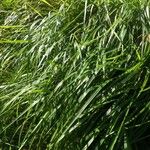
Calamagrostis canadensis
Bluejoint · Bluejoint Reed Grass · Canada Bluejoint · Canada Reed Grass · Bluejoint Reedgrass
Description
Source: leafsnapCalamagrostis canadensis is a species of grass, having three or more varieties, in the family Poaceae. It is known variously by the common names of bluejoint, bluejoint reedgrass, marsh reedgrass, Canadian reedgrass, meadow pinegrass, and marsh pinegrass.
Care Guide
💧 Water
Canadian bluejoint thrives in moist, waterlogged environments and requires watering twice a week to maintain optimal health. Its robust root system stabilizes the soil and helps prevent erosion, making it an excellent choice for outdoor areas near waterways.
☀️ Light Full sun
Canadian bluejoint grows best in places that are consistently sunlit. In its native range it does well in areas that receive unbroken sunlight throughout the day. It can also tolerate locations that get sun for only part of the day. Too much or too little sunlight can impede its growth.
What are the sunlight requirements for Canadian bluejoint?
Canadian bluejoint requires environments that are consistently exposed to the sun to thrive best. It flourishes in areas that receive full sun, defined as above 6 hours of sunlight a day, and can also adapt to partial sun, which is about 3-6 hours of sunlight. It's essential to observe how sunlight moves through your garden to select spots that offer the right balance of light and shade, ensuring the plants' optimal growth and happiness.
What should I do if natural sunlight is insufficient for Canadian bluejoint?
If natural sunlight is insufficient, especially in winter or less sunny spaces, artificial lights provide a crucial solution for Canadian bluejoint's growth. For indoor plants, LED lights are recommended because they can be customized to emit specific wavelengths needed by your plants. Full sun plants require 30-50W per square foot of artificial light, partial sun plants need 20-30W, and full shade plants need 10-20W. Place the artificial light source 12-36 inches above the plant, mimicking natural sunlight, and ensure it stays on for 8-12 hours per day to promote healthier, faster growth.
What are symptoms of inadequate lighting in Canadian bluejoint?
Symptoms of light deficiency in Canadian bluejoint include new leaves growing smaller than previous ones, a leggy or sparse growth appearance, early dropping of older leaves, slower or halted new growth, and the development of pale or irregularly colored leaves indicating a lack of chlorophyll and essential nutrients. Additionally, chlorosis, sunscald, leaf curling, wilting, and leaf scorching can occur due to excessive sunlight, affecting the plant’s ability to photosynthesize and maintain overall health.
How can I address sunlight-related issues with Canadian bluejoint?
To address sunlight-related issues for Canadian bluejoint, gradually move plants to sunnier locations, ensuring at least 6 hours of direct sunlight daily. For indoor plants that are large or not easily movable, consider using artificial light, keeping a desk or ceiling lamp on for at least 8 hours a day or investing in professional plant grow lights. For outdoor plants, move them gradually to avoid sunburn. Identifying and reducing obstructions, such as pruning trees that block sunlight, can also help. If it's feasible, transplant smaller plants during their dormancy to locations with ample sunlight and good drainage. Note that parts of the plant affected by insufficient sunlight may not recover, but new growth after increasing light exposure will be healthy.
🌡️ Temperature 0–25°C
Native to cooler environments, canadian bluejoint does best in temperatures from 32 to 77°F (0 to 25℃). It can tolerate lower temperatures at certain times of year, though frost can be harmful. Moving the plant to a location that fits these ideal conditions is advisable.
What is the optimal temperature range for Canadian bluejoint?
Canadian bluejoint thrives in cooler environments, with an optimal temperature range between 32 to 77°F (0 to 25°C). It is native to environments that align with these temperatures and can seasonally tolerate lower temperatures, though frost may be harmful. It's advisable to adjust the plant location to match these optimal conditions for its health and growth.
How does Canadian bluejoint tolerate cold and frost?
Canadian bluejoint is highly cold-tolerant and does not require additional frost protection measures during the winter. However, to prepare for the first freeze in autumn, it is recommended to water the plant generously. This ensures the soil remains moist and enters a frozen state, which helps prevent drought and water scarcity for the plant during winter and early spring.
What should be done if the winter temperature falls below -35°C for Canadian bluejoint?
Although Canadian bluejoint is extremely cold-tolerant, winter temperatures should be maintained above -35°C. If temperatures fall below this threshold, there may not be any noticeable changes during the winter, but a decrease in sprouting, or even no sprouting, may occur in the springtime. If parts of the plant have failed to sprout in spring, it is recommended to remove these parts.
What happens to Canadian bluejoint at high temperatures, and what measures should be taken?
Canadian bluejoint is not tolerant of high temperatures and stops growing when the temperature exceeds 25°C, becoming more susceptible to rot. In such conditions, it's advisable to trim away the sunburned and dried-up parts of the plant. Moving the plant to provide shade from the midday and afternoon sun, or using a shade cloth, can protect it from excessive heat. Additionally, watering the plant in the morning and evening helps keep the soil moist, aiding its survival during hot periods.
💨 Humidity
🪴 Soil 5-7
🌱 Fertilizer
Canadian bluejoint needs extra nutrients to encourage healthy new growth. In spring, applying compost around the base of the plant will effectively supply the nutrition it requires. Fertilizing supports vigorous growth and helps the plant resist diseases and pests.
🪴 Pot & Repot
✂️ Pruning
Canadian bluejoint has tall, slender stems and narrow, gracefully arching leaves. To encourage vigorous growth, improve air circulation, reduce the risk of disease, and enhance the plant's appearance, prune the old foliage down to ground level in early spring. Make sure to time your pruning in accordance with the plant's growth cycle and consult reliable horticultural resources to confirm best practices.
🌿 Propagating
🐛 Diseases & pets
☠️ Toxicity
Characteristics
- Plant Type
- Grass
- Life Cycle
- Perennial
- Genus
- Calamagrostis
- Family
- Poaceae
- Hardiness Zone
- 3
- Mature Height
- 0.61 m to 1.52 m
- Mature Spread
- 61 cm to 91 cm
- Leaf Color
- Green, Light Green
- Leaf Type
- Deciduous
- Flower Color
- Purple, White, Yellow, Red, Brown
- Bloom Time
- Early summer, Mid summer
- Planting Time
- Spring
- Harvest Time
- Mid summer, Late summer, Early fall