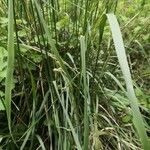
Calamagrostis purpurea
Scandinavian small-reed · Langsdorf’s Reedgrass · Scandinavian smallreed
Description
Source: leafsnapCalamagrostis purpurea, commonly known as purple reedgrass, is a perennial grass species native to both North America and Europe. Typically thriving in moist to wet habitats such as marshes, bogs, and wet meadows, this plant can reach up to 1.5 meters in height and features narrow, bluish-green leaves. The inflorescence of Calamagrostis purpurea is characterized by dense spikes that exhibit a purple or reddish-brown color. These flowers bloom from June to August, producing small seeds that are dispersed by the wind. Purple reedgrass plays a vital role in wetland ecosystems, offering habitat for various wildlife species, including birds, insects, and small mammals. Additionally, it helps stabilize soil along riverbanks, thus preventing erosion. Apart from its ecological significance, Calamagrostis purpurea has been used for medicinal purposes by indigenous peoples throughout its range. For instance, the Cree people utilized this plant to treat respiratory ailments such as bronchitis. In summary, Calamagrostis purpurea is a crucial grass species with both ecological and cultural importance. It contributes significantly to wetland ecosystems and holds traditional medicinal value for indigenous communities across North America and Europe.
Care Guide
💧 Water Every 7 days
Scandinavian small-reed thrives in moist, humid environments and needs weekly watering for optimal growth. As an evergreen species, it keeps its foliage year-round and requires consistent hydration, even during the colder months, to remain healthy.
☀️ Light Full sun
The Scandinavian small-reed is a perennial herb that thrives in sunny environments and is indigenous to open habitats like meadows and grasslands. While its preferred condition is full sun exposure, it can also survive in areas with partial sun.
🌡️ Temperature 5–35°C
The Scandinavian small-reed can adjust to an extensive variety of temperature conditions, however, its spread may still be restricted by varying combinations of water and thermal conditions. It flourishes optimally in warm summer climates with sufficient rain or irrigation. Extended periods of overcast and wet weather, along with sustained high temperatures, can boost the chances of the Scandinavian small-reed perishing. In winter, appropriate safeguarding against the cold can enhance the plant's chances of survival.
💨 Humidity
🪴 Soil 5-7
🌱 Fertilizer
The Scandinavian small-reed needs extra nourishment to encourage robust new development. By distributing compost around the plant's base in the spring, it can receive the required nutrients effectively. Fertilization boosts vigorous growth and assists the plant in warding off diseases and pests.
🪴 Pot & Repot
✂️ Pruning
Scandinavian small-reed is a tall ornamental grass with a purple tint. To maintain its appearance and health, prune it in early spring before new growth begins. Cut the old stems down to ground level to promote new shoots, control its size, and enhance its looks. This practice helps ensure healthy growth and lowers the risk of disease. For the best results, use clean, sharp tools.
🌿 Propagating
🐛 Diseases & pets
☠️ Toxicity
Characteristics
- Plant Type
- Grass
- Life Cycle
- Perennial
- Genus
- Calamagrostis
- Family
- Poaceae
- Hardiness Zone
- 4-9
- Mature Height
- 30 cm to 91 cm
- Mature Spread
- 30 cm to 61 cm
- Leaf Color
- Green, Dark Green
- Leaf Type
- Semi-evergreen
- Flower Color
- Yellow, Purple, Green, Brown
- Flower Size
- 5.08 cm
- Bloom Time
- Early summer, Mid summer
- Planting Time
- Spring, Autumn
- Harvest Time
- Late summer, Early fall