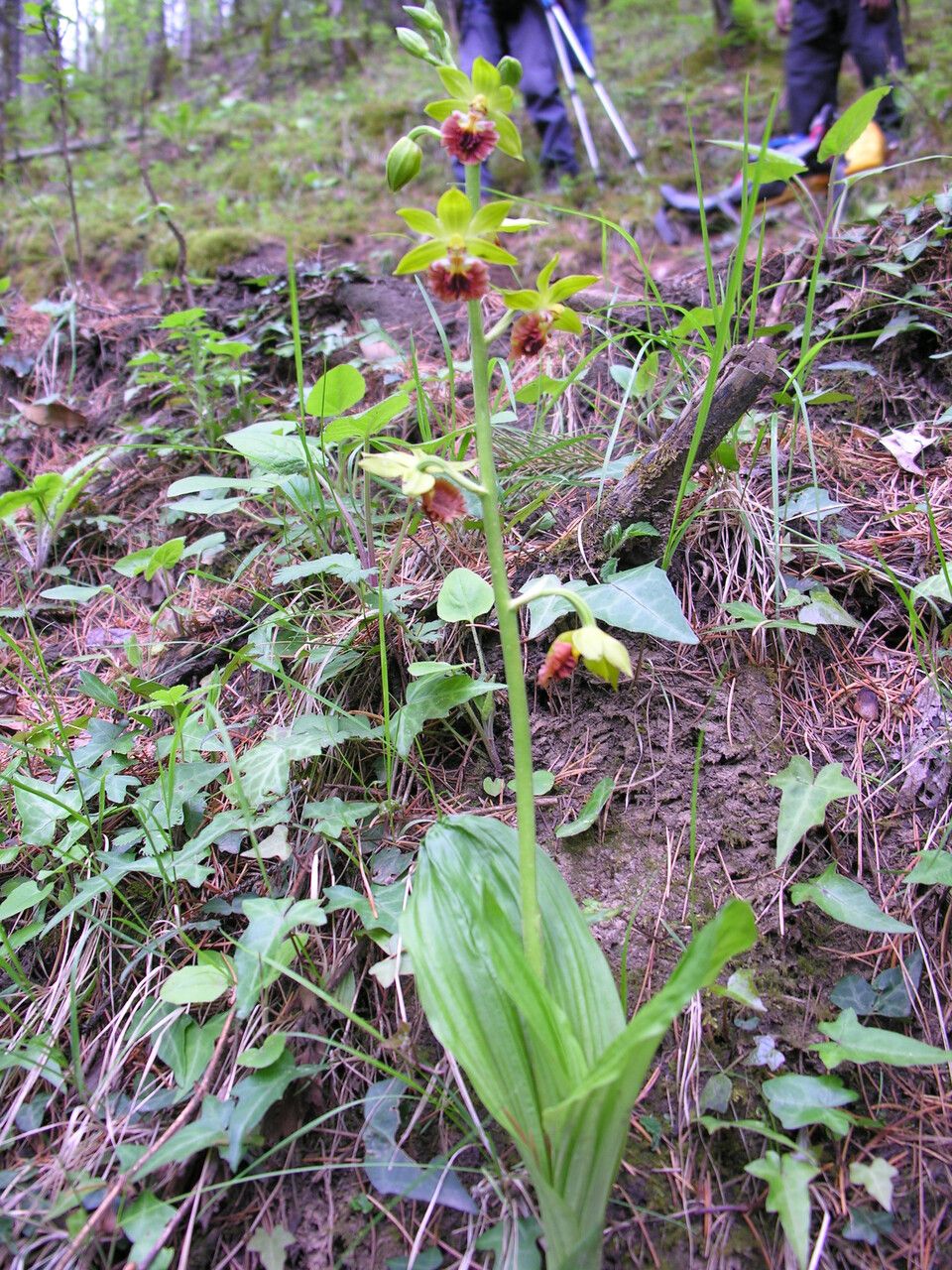
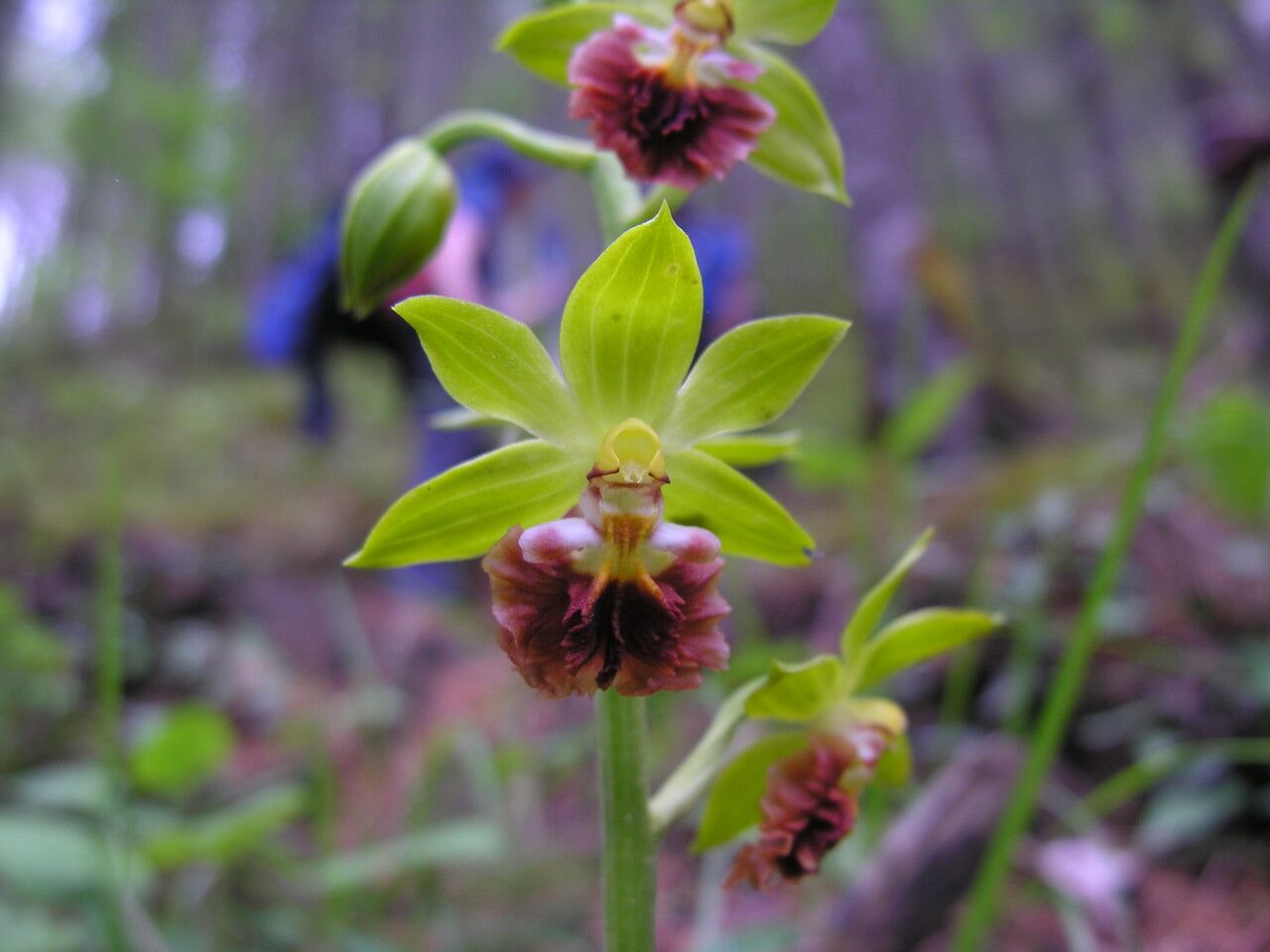
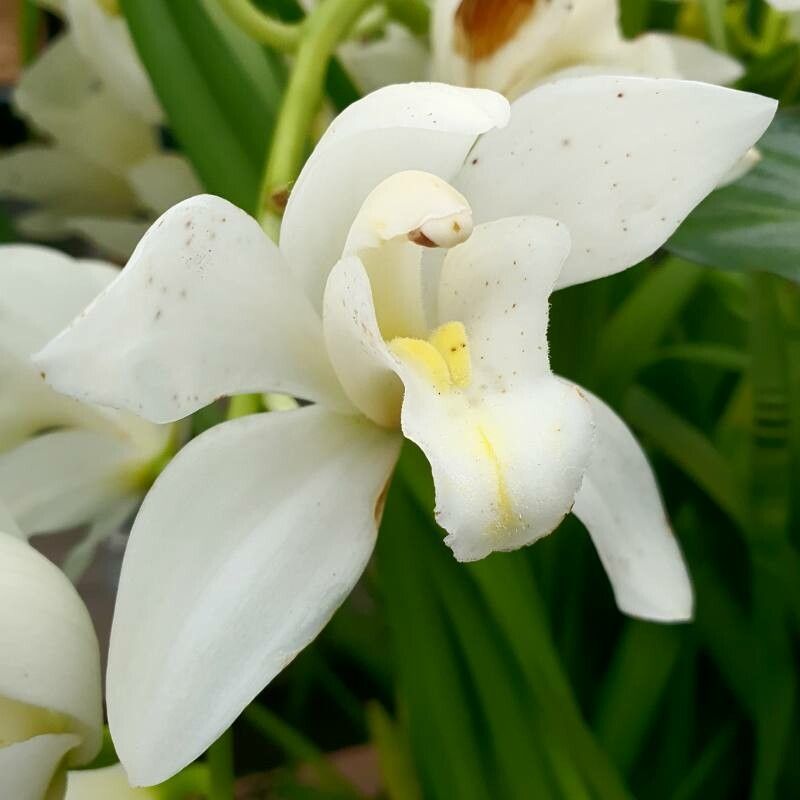
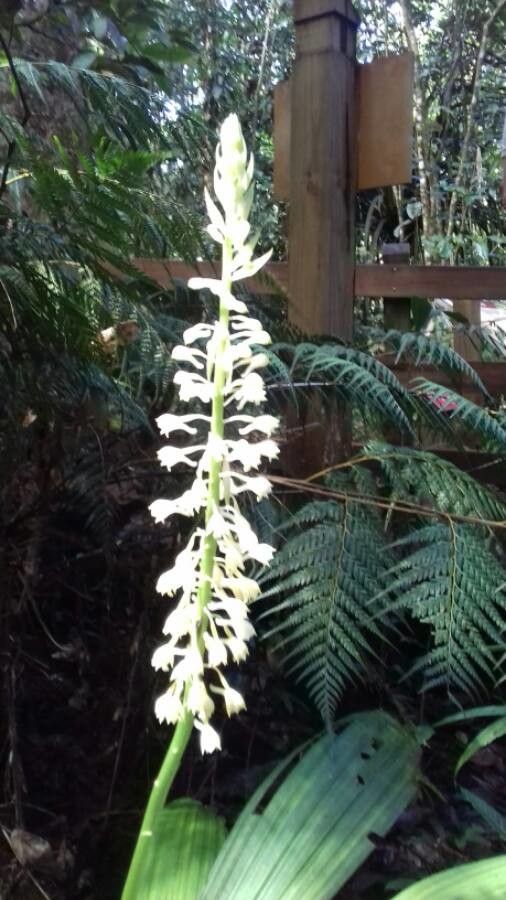
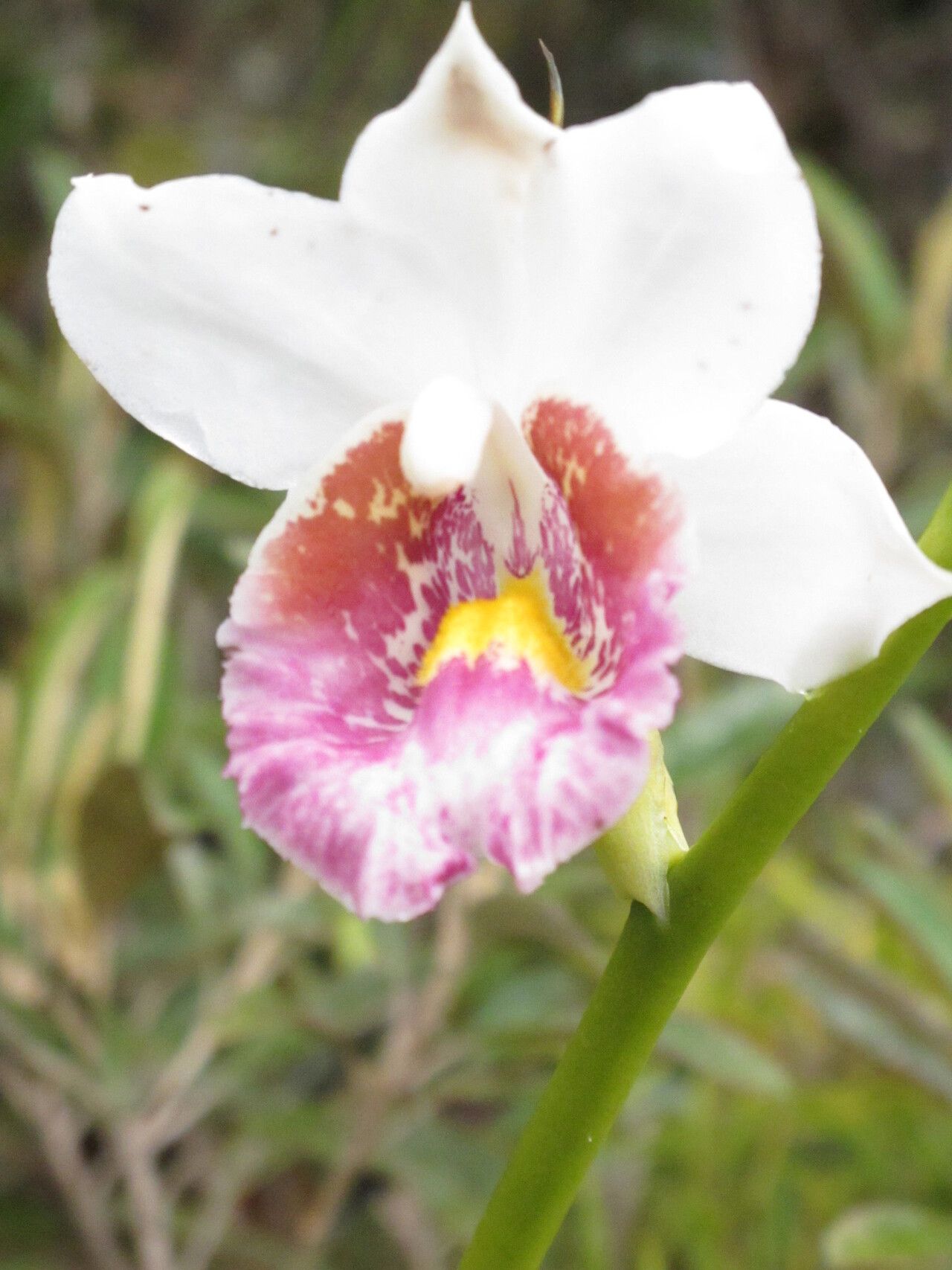
Calanthe tricarinata is a species of orchid native to Japan (including the Ryukyu Islands), Korea, China (Gansu, Guizhou, Hubei, Shaanxi, Sichuan, Taiwan, Tibet, Yunnan), Northeastern India, Bhutan, Assam, Nepal, Kashmir, Myanmar and Thailand.
The hardy calanthe orchid is generally resistant to disease and faces relatively few insect pests. Its care is considered difficult because it requires high humidity along with good ventilation and a low presence of harmful pathogens. Too much water can cause root rot. Although anyone can grow the hardy calanthe orchid, keeping it healthy and getting it to flower again requires more cultivation experience.
How to keep Calanthe Tricarinata.
Light
Hardy calanthe orchid grows best in partial shade, though it can also endure fully exposed conditions. This light preference mirrors its native forest-floor habitat, where dappled light filters through the canopy. Too much light can scorch the leaves, while too little light can limit its growth and flowering.
Temperature
The hardy calanthe orchid is a plant that does well in areas where average temperatures range from 50 to 95 °F (10 to 35 ℃). Its roots occur in temperate habitats, so it favors moderate temperatures. Adjustments may be needed during temperature fluctuations to maintain conditions within its comfort zone.
Fertilizer
The best time to fertilize a Hardy calanthe orchid is in early spring, as it is coming out of dormancy and beginning active growth. Fertilizing supplies essential nutrients needed for healthy growth. Even though a Hardy calanthe orchid requires relatively little fertilizer, feeding it annually can improve its survival and encourage better, longer-lasting flowers.
Pruning
To maintain the health and appearance of a hardy calanthe orchid, it is important to prune the plant from late winter to early spring. This involves removing dead leaves and spent stems, which encourages growth and enhances air circulation while reducing the risk of disease. Remember to sterilize your pruning tools to prevent the spread of infection and to keep your orchid robust and attractive.
Botanical profile.
- Plant Type
- Herb
- Life Cycle
- Perennial
- Genus
- Calanthe
- Family
- Orchidaceae
- Hardiness Zone
- 6-9
- Mature Height
- 25 cm to 40 cm
- Mature Spread
- 25 cm to 37 cm
- Leaf Color
- Green
- Leaf Type
- Evergreen
- Flower Color
- Pink, White
- Flower Size
- 3.05 cm to 20.32 cm
- Bloom Time
- Mid spring, Late spring
- Planting Time
- Spring, Summer, Autumn
- Harvest Time
- Early summer, Mid summer
- Native Area
- Nepal, India, Vietnam, Myanmar, Japan, Bhutan, Pakistan, China
Reader questions.
What are the sunlight requirements for Hardy calanthe orchid?
The Hardy calanthe orchid thrives under partially shaded conditions but can also cope with full exposure to sunlight. In its natural habitat on the forest floor, it prefers the dappled light similar to what is found beneath a canopy of trees. Although it can handle a range of light conditions, excessive exposure to sunlight might lead to leaf scorching, and too little light can hinder its growth and blooming. It's important to monitor sunlight in your garden carefully and choose locations that offer a suitable balance of light and shade, recognizing that the orchid requires about 3-6 hours of sunlight daily for partial sun and more than 6 hours for full sun conditions.
What are the ideal temperature conditions for the Hardy Calanthe Orchid?
The Hardy Calanthe Orchid, with its origins in temperate environments, flourishes in average temperatures ranging from 50 to 95 °F (10 to 35 °C). It is well-suited to moderate climates and possesses notable cold resistance. While special frost protection is generally not needed, temperatures dropping below -25°C warrant protective measures, such as covering the plant with soil or straw. Additionally, abundant watering before the first freeze of autumn is advised to keep the soil moist, aiding the plant through winter and early spring.
How can artificial lighting be used for Hardy calanthe orchid indoors?
Indoor Hardy calanthe orchids require sufficient lighting for optimal growth, particularly when natural sunlight is inadequate. Artificial lighting serves as an important alternative, encouraging healthier and quicker growth. LED lights are preferred for their ability to offer specific wavelengths necessary for plant growth. For full sun plants, 30-50 watts per square foot of artificial light is optimal, 20-30 watts for partial sun plants, and 10-20 watts for full shade plants. The light source should be positioned 12-36 inches above the plant to simulate natural sunlight effectively and should remain on for about 8-12 hours per day to mimic the natural daylight duration required by the plant species.
How does Hardy Calanthe Orchid react to low temperatures, and what are the recommended precautions?
The Hardy Calanthe Orchid is cold-tolerant, thriving above 10°C and should ideally be kept above -15°C during winter. If temperatures fall below -25°C, the orchid may not show immediate distress, but its ability to sprout in spring could be significantly affected, potentially leading to no sprouting at all. To address this, any parts that have failed to sprout by spring should be removed.
What are the symptoms of inadequate light exposure in Hardy calanthe orchid?
Symptoms of inadequate light exposure in the Hardy calanthe orchid include smaller new leaves, leggy or sparse growth, faster leaf drop, slower or halted new growth, lighter-colored or irregularly patterned new leaves indicating a lack of chlorophyll and nutrients, chlorosis, sunscald, leaf curling as a defense mechanism to reduce water loss, wilting due to increased water loss from overexposure to sunlight, and leaf scorching. These symptoms point to the plant's struggle to adapt to insufficient or excessive light conditions, affecting its overall health and growth.
What should be done if the Hardy Calanthe Orchid experiences high temperatures?
During summer, it is crucial to ensure that the temperature around the Hardy Calanthe Orchid does not exceed 35°C. Temperatures beyond 38°C can cause the leaves to lighten in color, curl, become sunburnt, and in extreme cases, lead to the wilting and drying of the plant. To mitigate such effects, sunburned and dried-up parts should be trimmed away. The plant should be moved to a shadier location or shaded with a cloth during peak sun hours. Ensuring the soil remains moist through morning and evening watering is also beneficial.
What solutions can help Hardy calanthe orchid adapt to light conditions?
For indoor Hardy calanthe orchids, gradually increasing sunlight by relocating them to brighter areas each week or using artificial lighting, such as keeping a lamp on for at least 8 hours daily or investing in grow lights, can optimize growth. Outdoors, progressively moving the plants to sunnier spots each week can help them adapt without experiencing sunburn. Reducing obstructions like pruning trees that shadow the plant or transplanting to a location with better sunlight and drainage is vital. Not all parts of the plant affected by inadequate sunlight may recover, but new growth will be healthy with improved light exposure.
What is the botanic name of the Hardy Calanthe Orchid?
The Hardy Calanthe Orchid is botanically named Calanthe tricarinata.