Calathea concinna
Prayer plant · Calathea Freddie
Description
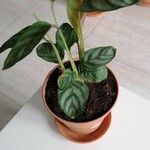
Source: leafsnapCalathea Freddie (Calathea concinna), also known as the Freddie Prayer Plant, or the Zebra Plant, is a member of the family Marantaceae. This specific plant is distinguished by the tall, oval shape of its leaves, which are a light green color and characterized by darker green stripes strewn over their surface. The plant itself may reach a height of up to 1 meter (about 3 feet). This plant is native to the northern areas of Brazil, where it is still found today. It is an exotic tropical perennial that is a little more tolerant of neglect than its siblings.
🌳 The prayer plant, often kept indoors for its striking leaves, also acts as a living timepiece. Its leaves close at night like clasped hands and reopen in the morning, imitating a natural clock. Aside from enhancing ambiance, the prayer plant purifies the air we breathe by filtering out toxins, rivaling synthetic purifiers in improving the healthfulness of our living space.
Care Guide
💧 Water Every 2 days
Consistent watering is crucial for Calathea concinna, also known as Calathea Freddie. It is recommended to thoroughly water these indoor plants when the top inch of the soil becomes dry. Then, allow the soil to partially dry out before watering it again. Proper drainage is essential, so planting Calathea Freddie in containers with drainage holes and well-draining soil is best. This plant thrives in a nutritious and balanced soil mixture based on peat or coconut coir.
☀️ Light Full shade
The Prayer Plant is native to habitats such as forest understories or rocky sites that provide natural shade. It favors Full Shade but can tolerate Partial Sun.
🌡️ Temperature 20–37.8°C
The Prayer Plant comes from tropical areas and tolerates a lot of heat. It does best in temperatures of 68 to 100 °F (20 to 38 ℃). If your living area cools down in winter, consider adding heat sources to keep the Prayer Plant comfortable.
💨 Humidity
🪴 Soil 5-6
🌱 Fertilizer
Proper fertilization is essential for a Prayer Plant's health and appearance. Fertilize the Prayer Plant during the summer, applying fertilizer once a month throughout the season. Nutrients power growth and support the plant's parts. Fertilization improves the Prayer Plant's flowering, helping it produce the best blooms.
🪴 Pot & Repot 3-4 years
When repotting a Prayer Plant, select a pot slightly larger than the previous one that provides good drainage. Repot during spring or autumn, using a well-draining potting mix. Set the plant at the same depth as it was before. Water thoroughly after repotting and keep it in a warm area with bright, indirect light. Avoid overwatering to prevent root rot.
✂️ Pruning
Examine your Freddie Calathea plant often and remove any leaves that are damaged or dead. Periodically wipe the remaining leaves with a clean, moist cloth to eliminate dust. This method will enhance the plants' capacity to absorb and exhale moisture.
🌿 Propagating
🐛 Diseases & pets
☠️ Toxicity
The Calathea Concinna allows pets. Therefore, it is non-toxic to dogs and cats. Neither is it harmful to infants or young children. As such, it is safe to keep in the home without concern that it may accidentally poison a family member.
Characteristics
- Plant Type
- Herb
- Life Cycle
- Perennial
- Genus
- Calathea
- Family
- Marantaceae
- Hardiness Zone
- 10-12
- Mature Height
- 20 cm to 30 cm
- Mature Spread
- 15 cm to 20 cm
- Leaf Color
- Green, Variegated
- Leaf Type
- Evergreen
- Flower Color
- White
- Flower Size
- 2.54 cm
- Bloom Time
- Summer, Early fall
- Planting Time
- Summer
- Harvest Time
- Late summer, Fall
- Native Area
- Brazil