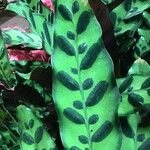
Calathea crotalifera
Rattlesnake Plant
Description
Source: leafsnapThe Calathea crotalifera is a perennial herbaceous plant. It is commonly known as the Rattlesnake Plant due to the appearance of its blooms. This ornamental, evergreen plant is native to Mexico and Central and South America. This plant features bright green leaves and stems with pale yellow to bright yellow flowers. The flowers are somewhat oblong and resemble the appearance of a rattlesnake’s rattle. In tropical climates, this plant is thought to bloom year-round, but in other locations, it blooms from spring to summer.
Care Guide
💧 Water Every week
The rattlesnake plant thrives in the high humidity typical of tropical rainforests and prefers to be watered once a week. As an evergreen, it keeps its vibrant foliage when provided with consistent moisture. It is ideal to plant it in containers that retain water well, as this helps mimic its natural environment effectively.
What should I do if I give my Rattlesnake plant too much or too little water?
Observing the Rattlesnake plant is key to identifying watering issues. If you overwater, you may notice yellowing leaves with yellow-brown patches at the tips. Severe overwatering can cause drooping and curling due to root rot. Indoor Rattlesnake plants are especially prone to overwatering, so it's important to be vigilant. If you see standing water or leaf changes, stop watering and allow the soil to dry out for 3-5 days. If root rot is present, act quickly by removing the plant from its pot, washing off the roots, and replacing the old soil with new soil. In garden settings, replant the Rattlesnake plant in a new location. Underwatering is also problematic for these plants. Signs include curled, pendulous leaves, yellowing from the bottom, and browning edges. Underwatering is easier to address by increasing watering frequency and considering factors like humidity levels and sunlight exposure.
How frequently should I water my Rattlesnake plant?
To determine the appropriate watering frequency for your Rattlesnake plant, consider the season and various factors like humidity, temperature, and soil type. Generally, during spring, water the plant once per week. In summer, increase the watering frequency, and in winter, decrease it. Regularly check the soil condition using your finger or a Soil Moisture Meter. Keep the soil moist but not soggy by watering after the top 1.5-2 inches of soil has dried out. Potted plants are more prone to overwatering, so ensure proper drainage and well-draining soil. For plants in the ground, 1 inch of rainfall per week is needed, but additional watering may be required if rainfall is insufficient. Higher humidity is beneficial, especially around 40 to 60 percent. Indoor plants can be facilitated with a humidifier, and outdoor plants can be misted throughout the day.
How should I give my Rattlesnake plant the right amount of water?
To supply water to your Rattlesnake plant, there are several options depending on how it is cultivated. If your plant is in a small indoor pot, you can take it to the kitchen sink and use the faucet to water it. Simply hold the pot and stop watering when water begins to drain from the holes in the bottom. Avoid watering during winter or in cold climates as the cold temperature can harm the plant's roots. If your tap water has high levels of fluorine, chlorine, or salts, consider using rainwater or lake water instead. Alternatively, you can use a watering can, hose, or any tool of your choice to water the plant directly into the soil. For Rattlesnake plants planted in the ground, aim the hose at the root system and water for more than 10 minutes when there is insufficient rain. Keep in mind that the Rattlesnake plant prefers soft, acidic water with a pH of around 6.5. If you have hard water, you can use a water filter or let tap water sit for 24 hours to remove minerals and salts. Rainwater is also a good option, so you can collect and store it for your Rattlesnake plant when it rains.
When is the best time to water my Rattlesnake plant?
To ensure the health of a rattlesnake plant, it's important to maintain a consistently moist environment without allowing the soil to become excessively soggy. To achieve this, it is recommended to water the plant when the top 1.5-2 inches of soil have dried out. The depth of testing for soil moisture should be about one-third of the soil depth, approximately 1.5 inches for soil depth of 5 inches. Larger pots may require more testing. Using a Soil Moisture Meter can simplify the process by inserting it into the soil and checking the reading. If the reading is around 3, it is an indication that watering is needed. If the reading is higher than 3, it is best to wait until the soil dries out more before watering. This approach helps prevent overwatering and promotes the health of the plant.
☀️ Light Partial sun
The rattlesnake plant thrives under conditions with plenty of filtered sunlight. Too little or too much light can restrict its photosynthesis and thereby impede healthy growth. Native to tropical regions, it is adapted to habitats shaded by taller plants, which reflects its suitability for moderate light levels.
What kind of sunlight does the Rattlesnake plant require?
The Rattlesnake plant, or Calathea crotalifera, thrives best with an adequate level of filtered sunlight, mimicking its natural tropical habitat that's usually shaded by larger vegetation. It requires about 3-6 hours of sunlight daily. When planning where to place your Rattlesnake plant, observing how sunlight moves through your garden is crucial. Choose locations that offer a good balance of light and shade, ensuring the plant's health and happiness.
How can artificial lighting benefit the Rattlesnake plant indoors?
Indoor Rattlesnake plants benefit significantly from artificial lighting, especially when natural sunlight is insufficient. Artificial lights, such as LED lights that can be tailored to provide specific wavelengths, promote faster and healthier growth. The required intensity varies with the type of plant: full sun plants need 30-50W/sq ft, partial sun plants require 20-30W/sq ft, and full shade plants need 10-20W/sq ft. The artificial light source should be placed 12-36 inches above the plant for 8-12 hours per day to mimic natural sunlight exposure.
What are the symptoms of insufficient light for the Rattlesnake plant?
When the Rattlesnake plant receives inadequate light, it may exhibit several symptoms indicating distress. New leaves may appear smaller, and the plant might show leggy or sparse growth, with longer spaces between leaves or stems, giving it a stretched-out appearance. Faster leaf drop, slower or halted growth, and the development of lighter-colored or yellow leaves (chlorosis) are other signs. Excessive sunlight can cause sunscald, leaf curling, wilting, and leaf scorching, indicating the plant's struggle with light management.
What are the solutions for addressing light-related issues in the Rattlesnake plant?
To mitigate light-related issues in the Rattlesnake plant, gradually shifting the plant to receive 3-6 hours of direct sunlight daily is key, either by moving it to sunnier spots weekly or using artificial lights for indoor plants. For outdoor plants, a gradual move to optimal sunlight locations helps prevent sunburn. Reducing obstructions, such as pruning tree branches, and transplanting smaller plants during their dormant period to sunnier locations with good drainage, are effective strategies. It's important to note that plants might not recover in the parts previously affected by insufficient light, but new growth should be healthy with improved lighting conditions.
🌡️ Temperature 20–37.8°C
Rattlesnake plant comes from tropical areas, where the climate is generally warm and humid. As a result, it is adapted to high temperatures and moisture. It does not tolerate sudden temperature shifts and prefers a steady temperature, so avoiding indoor temperature fluctuations is important. It usually cannot withstand cold and needs warmer conditions to grow. If the environmental temperature falls too low, the plant may stop growing or even die.
What is the botanical name of the Rattlesnake Plant?
The botanical name of the Rattlesnake Plant is Calathea crotalifera.
💨 Humidity
🪴 Soil 6-7
🌱 Fertilizer
Proper fertilization is essential for the Rattlesnake plant's health and appearance. Fertilize the Rattlesnake plant in summer, repeating the treatment monthly through the season. Nutrients power growth and support the plant's parts. Fertilizing improves the Rattlesnake plant's flower display, helping it achieve its best blooms.
Why should I put fertilizer on my Rattlesnake plant?
Fertilization plays a vital role in the growth of Rattlesnake plants and other plants by providing important nutrients above and below the ground. Although Rattlesnake plants have relatively low fertilization needs and can sometimes survive without it, annual fertilization can greatly benefit the plant's overall health and promote longer-lasting, better-quality flowers. Those who want their Rattlesnake plant to thrive and look its best should maintain regular annual fertilization.
When should I fertilize my Rattlesnake plant?
The best time to fertilize a Rattlesnake plant is in the late winter to early spring when it is transitioning from dormancy to active growth. Fertilizing at this time promotes healthy growth and sets the plant up for a successful season. Although it is generally recommended to fertilize in the early spring, it is also acceptable to fertilize in the fall. However, it is not recommended to fertilize in the summer or winter seasons.
When would it be a bad idea to add fertilizer to my Rattlesnake plant?
To properly care for your Rattlesnake plant, it is best to fertilize it only during late winter and early spring. This plant has low fertilization needs, so a single feeding during this time should be sufficient. Fertilizing during spring, summer, and fall can easily lead to overfertilization and its associated complications. However, if you skipped fertilizing in spring, it is okay to feed the plant in the fall. It is important to note that there is no need to fertilize the Rattlesnake plant during the winter. During this time, the plant goes into a dormant growth phase and does not produce new growth, so fertilizing is not recommended.
What kind of fertilizer does my Rattlesnake plant require?
When fertilizing a Rattlesnake plant, any type of general-purpose fertilizer with balanced amounts of the three main plant nutrients will work well. However, there are specific nutrient blends that may provide even greater benefits. Many gardeners believe that higher levels of phosphorus result in stronger roots and better flowers. Since the Rattlesnake plant is a flowering plant, using a phosphorus-rich fertilizer may be the best option. Whether you choose a granular or liquid form of fertilizer, it is important to ensure that it contains an adequate amount of nutrients. Aside from manufactured fertilizers, you can also improve the soil for your Rattlesnake plant using organic methods. Compost, manure, and similar materials can greatly enhance the quality of the growing medium.
How can I give nutrients to my Rattlesnake plant?
The most common way to fertilize a Rattlesnake plant is by applying granular or pellet fertilizer around the plant's soil. It is important to fertilize when the plant exits its winter dormant growth phase and enters active growth. In early spring, wait for the plant to send shoots through the soil, then apply the fertilizer. Some people prefer using liquid fertilizer, which should be diluted with water before application. Whether you use granular or liquid fertilizer, it's best to moisten the soil before, during, and after fertilizing.
🪴 Pot & Repot
✂️ Pruning
The rattlesnake plant is known for its strikingly patterned leaves and thrives in tropical climates. To promote healthy growth, regularly remove dead leaves and trim the plant from late winter to early spring. Be careful to avoid heavy pruning, as it can cause stress to the plant. Removing damaged leaves also helps improve air circulation and reduces the risk of disease.
🌿 Propagating
🐛 Diseases & pets
☠️ Toxicity
Although this plant is not considered toxic, it is best to keep it out of the reach of curious pets and children.
Characteristics
- Plant Type
- Herb
- Life Cycle
- Perennial
- Genus
- Calathea
- Family
- Marantaceae
- Hardiness Zone
- 10-12
- Mature Height
- 1.22 m to 3.05 m
- Mature Spread
- 30 cm to 61 cm
- Leaf Color
- Green, Blue
- Leaf Type
- Evergreen
- Flower Color
- Yellow
- Flower Size
- 2.54 cm
- Bloom Time
- Summer, Early fall, Mid fall
- Planting Time
- Spring, Summer, Autumn
- Harvest Time
- Late summer, Fall, Early winter
- Native Area
- Colombia, Belize, Honduras, Mexico, Guatemala, Bolivia, Venezuela, Peru, Brazil, Nicaragua, Ecuador, Costa Rica, Panama