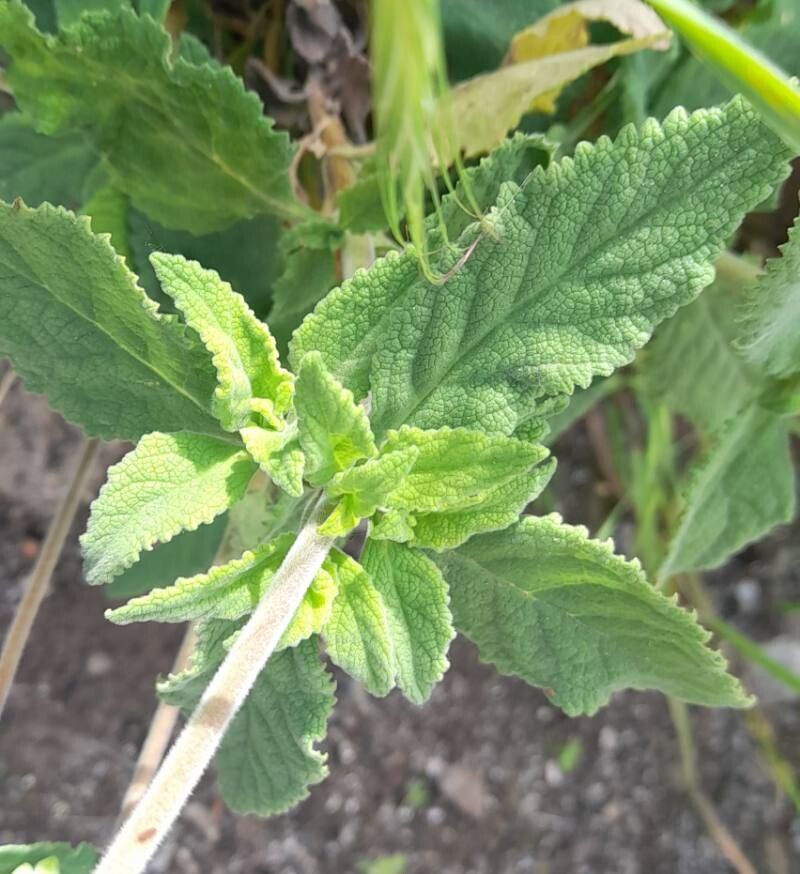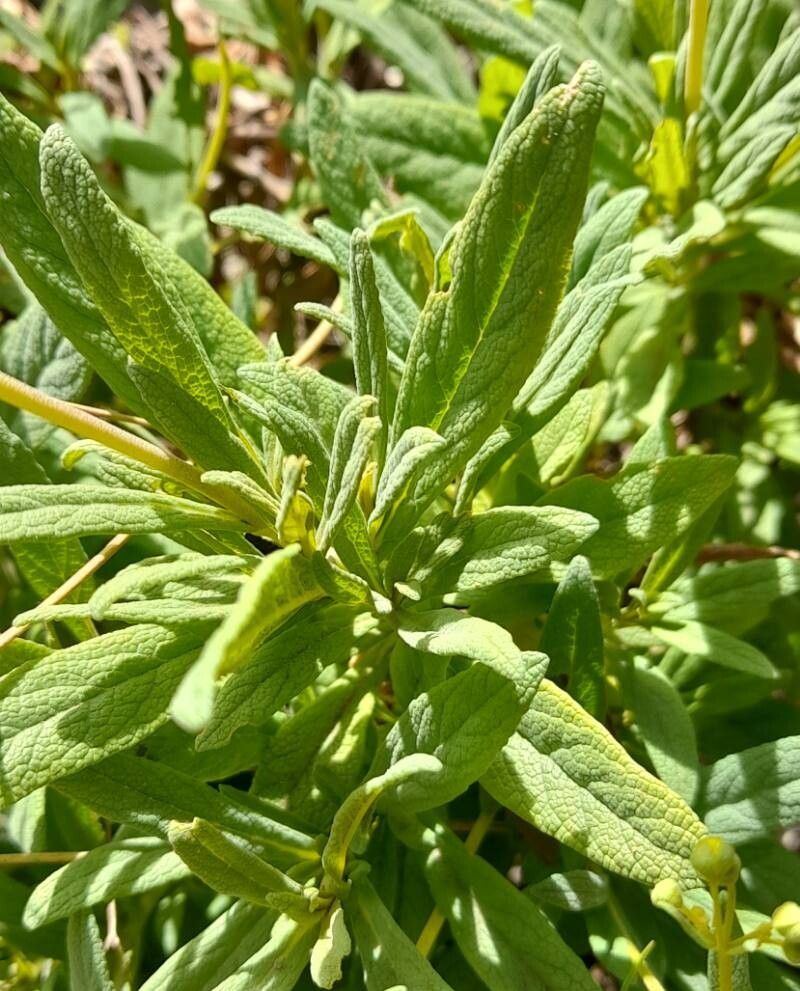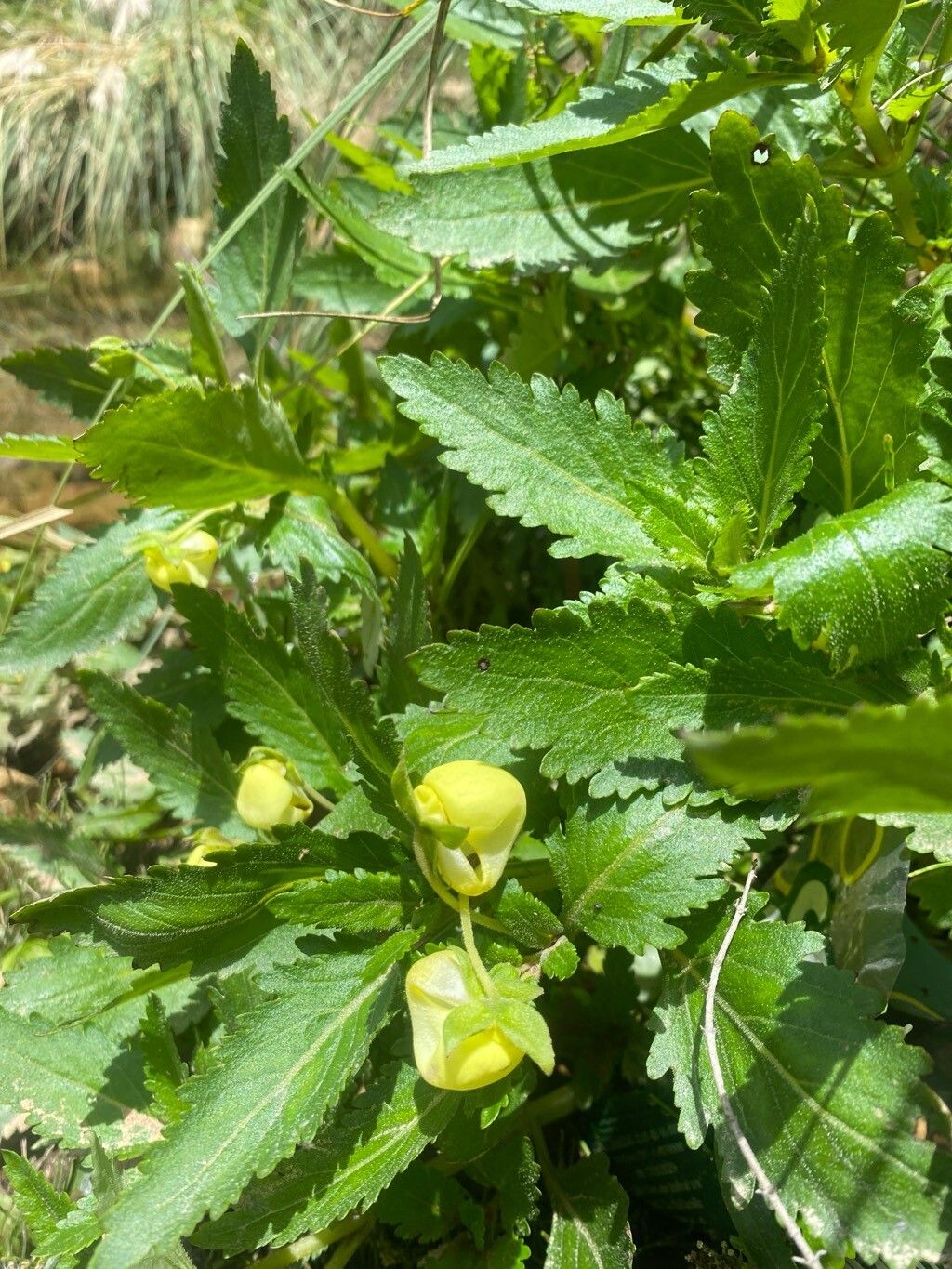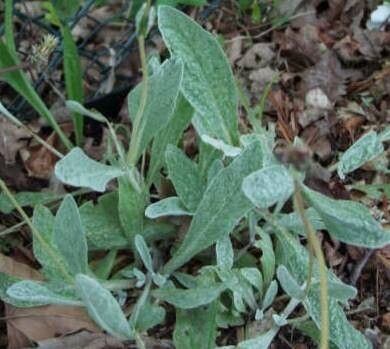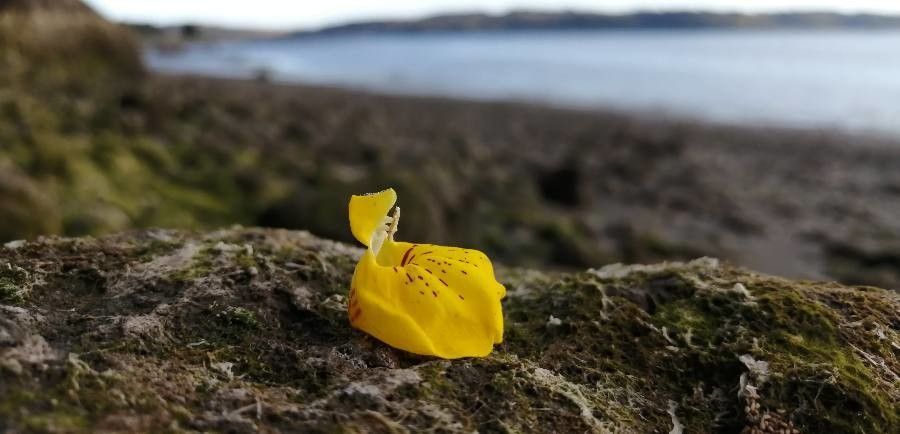
Calceolaria crenatiflora is a species of flowering plant in the pocketbook plant genus Calceolaria, family Calceolariaceae. It is native to central and southern Chile and southern Argentina. It has gained the Royal Horticultural Society's Award of Garden Merit as a warm temperate greenhouse ornamental. Along with Calceolaria corymbosa and Calceolaria cana it has contributed to the Calceolaria Herbeohybrida Group of cultivars.
The pocketbook plant is fairly resistant to disease and generally not prone to illnesses. However, it can be vulnerable to pests and diseases present in its environment. These infections are typically not severe. For care, this plant requires moderate maintenance. It should be pruned regularly to preserve a tidy appearance and encourage healthy growth. Fertilizing can also help promote flowering. The pocketbook plant is suitable for anyone with an outdoor area, such as a garden or patio, and does not need extensive care experience. It may demand more attention when grown indoors.
How to keep Calceolaria Crenatiflora.
Light
The pocketbook plant does best when exposed to full light throughout the day. It can adapt to situations with partially reduced light or even shaded conditions. However, extremes in lighting can have negative effects on the plant’s growth and health.
Water
The pocketbook plant, which originates from misty cloud forests, thrives in environments with high humidity and consistent moisture. It prefers soil that remains evenly moist and should be watered once a week. Often grown indoors, it is important to maintain adequate humidity to encourage vibrant flowering during its active growing season.
Temperature
Pocketbook plant originates in cloud forests and does best in temperatures of 68 to 95 °F (20 to 35 ℃). It favors a warm setting and requires adjustments when seasonal temperatures fall. Consider using a heat lamp or moving it indoors during cooler months.
Fertilizer
When most of the Pocketbook plant's blooms have opened to full size, resume fertilizing. At the peak of bloom production, fertilize every three to four weeks, weather permitting. Then, once the Pocketbook plant begins producing fewer new blooms, stop fertilizing; there's no need to feed it when it can no longer produce more blooms.
Pruning
The Pocketbook plant boasts vibrant, uniquely shaped blooms. For healthy growth and optimal flowering, prune the plant from early to late spring. Remove any dead foliage, pinch back leggy growth, and trim spent flowers. These steps help the plant conserve energy while maintaining its aesthetic appeal and overall health.
Pot & Repot
When repotting a Pocketbook plant, choose a pot that is 1-2 inches (2.5–5.1 cm) larger in diameter and has good drainage. Use a well-draining potting mix and consider adding perlite for additional drainage. Repot in spring or early summer, water thoroughly afterward, and place it in a shady spot for the initial period.
Botanical profile.
- Plant Type
- Herb
- Life Cycle
- Annual, Perennial
- Genus
- Calceolaria
- Family
- Calceolariaceae
- Hardiness Zone
- 8-10
- Mature Height
- 15 cm to 30 cm
- Mature Spread
- 15 cm to 30 cm
- Leaf Color
- Green
- Leaf Type
- Semi-evergreen
- Flower Color
- Yellow, Gold
- Flower Size
- 2.54 cm
- Bloom Time
- Spring
- Planting Time
- Spring, Summer
- Harvest Time
- Late spring, Early summer, Mid summer
Reader questions.
How should I water my Pocketbook plant?
To water a Pocketbook plant, you have several options. You can use a garden hose with a spray nozzle, a watering can, or any other common watering tool. These plants are not too particular about the type of water they receive, as they can survive on rainwater, tap water, or filtered water. However, it is best to avoid watering them from above, as this can harm the leaves and flowers and potentially cause disease. A drip irrigation system can be an effective way to water Pocketbook plants, as it ensures the water is evenly distributed and goes directly into the soil. If you have a Pocketbook plant in a container, the watering approach is similar, but you can use a cup, watering can, or your tap to directly water the soil.
Why should I put plant food on my Pocketbook plant?
Plants, including the Pocketbook plant, need nutrients to survive. Most gardeners, regardless of experience, understand this. Without proper nutrition, the Pocketbook plant will die shortly after the first pollination. To keep the Pocketbook plant thriving and producing large, beautiful flowers throughout the blooming season, it is essential to provide the right nutrients in the right amounts. Fertilizer is particularly beneficial for the Pocketbook plant as it helps develop a robust root system. This is crucial because the plant's root system is delicate and easily damaged. By fertilizing at planting, the Pocketbook plant can establish a strong root structure that not only provides stability, but also sets the stage for an impressive flowering display. Additionally, when timed correctly, fertilization can significantly prolong the Pocketbook plant's flowering period.
How many hours of sunlight does Pocketbook plant need each day to grow well?
In order to thrive, it is important to provide the plants with 6 to 8 hours of sunlight each day. They particularly enjoy receiving more sunlight in the morning, especially during the summer season. The Pocketbook plant, in particular, requires full sun and benefits from as much sunlight as possible. The more light these species receive, the better they can produce food, display stunning blooms, and ensure their survival.
What temperature is best for Pocketbook plants?
Plants are impacted by colder temperatures because they tend to mirror the air temperature. While exposure to the sun can warm them up, this is not the case in winter. The ideal temperature range for the Pocketbook plant is typically 70~85℉(21~30℃). They may tolerate temperatures as low as 20~30℉(-6~0℃), and even 15℉(-10℃) to some extent, but prolonged exposure can result in frost damage. It is important to maintain maximum temperatures within the 70~85℉(21~30℃) range, while also providing occasional watering and shade to prevent wilting.
What should I do if I give my Pocketbook plant too much water or too little water?
To remedy underwatering, simply water the Pocketbook plant more regularly. It's important to address overwatering promptly, as it can lead to disease and death. To prevent overwatering, choose a suitable location with plenty of sunlight and proper drainage. If you overwater your potted Pocketbook plant, consider changing to a new pot with better drainage and loose soil.
When should I put fertilizer on my Pocketbook plant?
The Pocketbook plant experiences rapid growth in the early growing season, after the last frost. This is the ideal time to fertilize the plant, specifically during planting. Whether you choose to plant it in the ground or in planters, applying fertilizer at this stage is crucial. No further fertilizer is needed until later in the year, when the blooms are abundant. Once the Pocketbook plant is blooming at its peak and most of the blooms have opened, it's time to resume fertilizing. This should be done every three to four weeks, depending on the weather. However, once the plant starts producing fewer new blooms, fertilization should be stopped, as there is no benefit when the plant is no longer able to produce blooms.
What kind of sunlight does a Pocketbook plant require?
The Pocketbook plant thrives in full sunlight. To ensure even sun exposure, avoid crowding them together. Make sure the leaves receive sufficient sunlight. If planted in pots, place the herbaceous flowers near windows with direct sun throughout the year. Avoid partial or filtered light, as it weakens stems and reduces flower health. It's crucial to always keep the Pocketbook plant exposed to the sun.
Do I need to change the temperature for my Pocketbook plant during different stages of growth?
To successfully grow the Pocketbook plant, it is important to research and ensure the temperature is appropriate. While some growers may lower the temperature to save on HVAC costs, it is crucial to understand that temperature directly impacts flowering, pest management, and plant quality. Additionally, there is a specific temperature threshold at which the Pocketbook plant ceases to grow, which typically occurs during winter when certain species may enter a dormant state. As the seasons change and the base temperature rises, the Pocketbook plant can grow more rapidly. Species naturally found in warmer environments have higher optimum temperatures compared to those that thrive in cooler climates. Cold temperatures can negatively affect the seeds, causing variations in growth and delays. During the flowering stage, it may be beneficial to slightly decrease the temperature, but not during other phases. It is important to note that lower night temperatures will require less water, so irrigation should be adjusted accordingly.
How often do I need to water my Pocketbook plant?
To keep your Pocketbook plant healthy, make sure to water it regularly during the growing season. In the spring, watering once a week should be sufficient. However, as the weather gets warmer, you may need to increase the watering frequency to two or three times a week. Be careful not to overwater the plant, as this can harm it. Regardless of how often you water, the soil should be moist but not wet. If your Pocketbook plant is in a pot, you'll need to water it more frequently compared to an in-ground plant. Potted plants dry out faster, so plan to water a container-grown Pocketbook plant a few times per week instead of just once.
When is the best time to not add fertilizer to my Pocketbook plant?
Regular fertilizing is important for Pocketbook plant, but it's crucial to apply the fertilizer at the right time. In certain situations, it's necessary to hold back on fertilizing. These situations are usually related to the climate or controllable factors. When there is something wrong with the plant, the soil, or the climate, it's best to wait until the issues are resolved and the plant has recovered. For instance, if there are sudden and severe weather changes, such as a cold spell in the middle of summer, it's better to wait until the temperature becomes warm again before fertilizing. Similarly, if the soil is too dry or compacted, it won't be able to absorb the fertilizer effectively. In this case, the fertilizer will go directly to the roots without being properly diffused by the soil, which is not ideal for Pocketbook plant's roots. It's also advisable to avoid fertilizing when temperatures reach extremely high levels, especially during the hottest parts of the day. This is because high temperatures can break down the fertilizer too quickly. Additionally, it's important to address any pest or disease issues before re-fertilizing the plant.
Does sunlight harm plants? How can I protect my Pocketbook plant from damage caused by the sun and heat?
The Pocketbook plant can suffer from damage due to extreme temperatures when the temperature goes above 90℉(32℃), especially if it's exposed to many hours of sun. To prevent this, it's best to provide some shade in the afternoon during the summer. It's important to remember that sunlight during the summer is stronger and lasts 50% longer compared to winter. If the Pocketbook plant is stressed due to sunlight, it's recommended to keep them well-watered. Water the plant when the top of the soil is about 2 inches dry and consider moving them indoors if it's too hot outside, especially if they're planted in containers. It's normal for the plant leaves to wilt during the day and recover at night. However, if you notice the Pocketbook plant is still drooping, it indicates that the plant is losing water quickly and needs to be watered.
How do I make sure my Pocketbook plant stays warm during the cold seasons?
To help the Pocketbook plant withstand colder temperatures, you can stop fertilizing it to prevent new growth and encourage the existing ones to become more resilient. Additionally, you can protect the plant by constructing structures like cages or trellises around it. Another option is to use heat mats, which can gently warm the soil and maintain the ideal temperature range for the Pocketbook plant consistently.