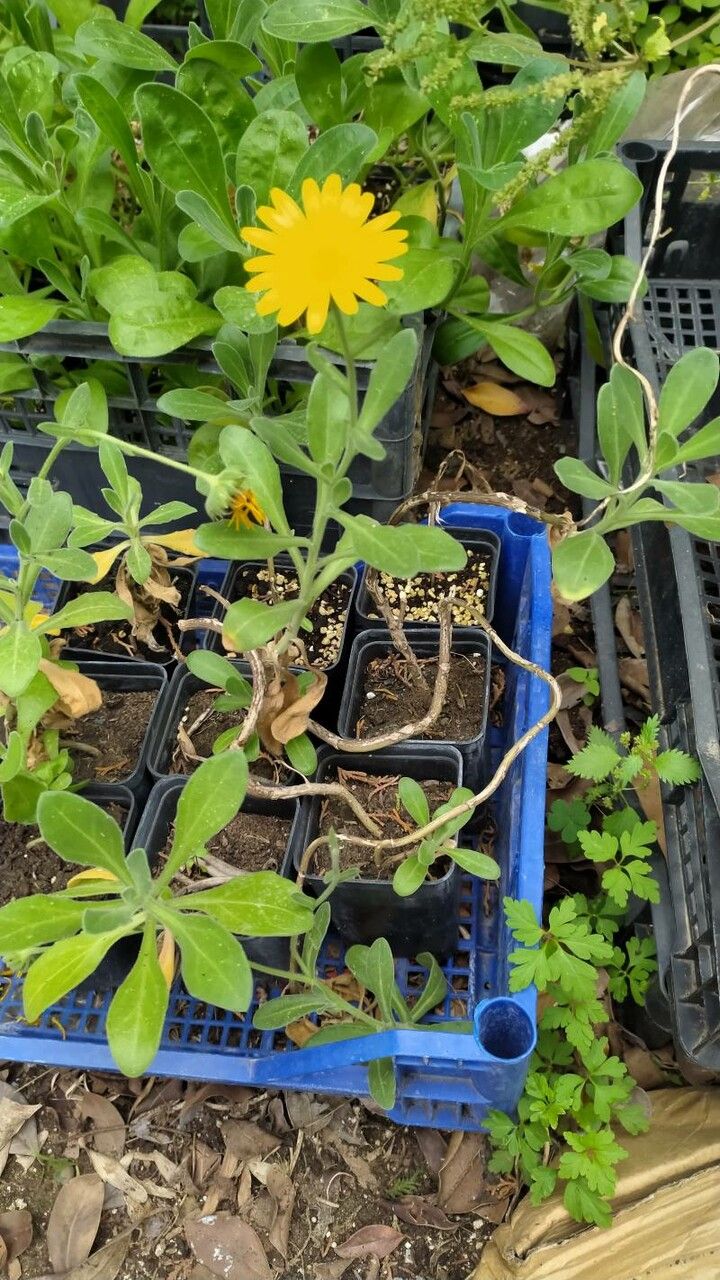
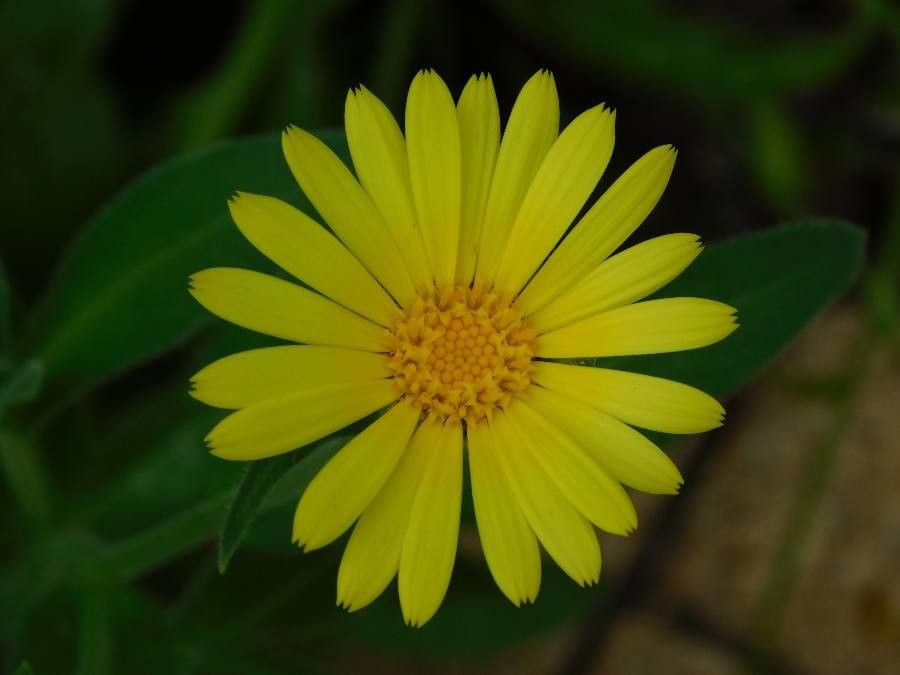
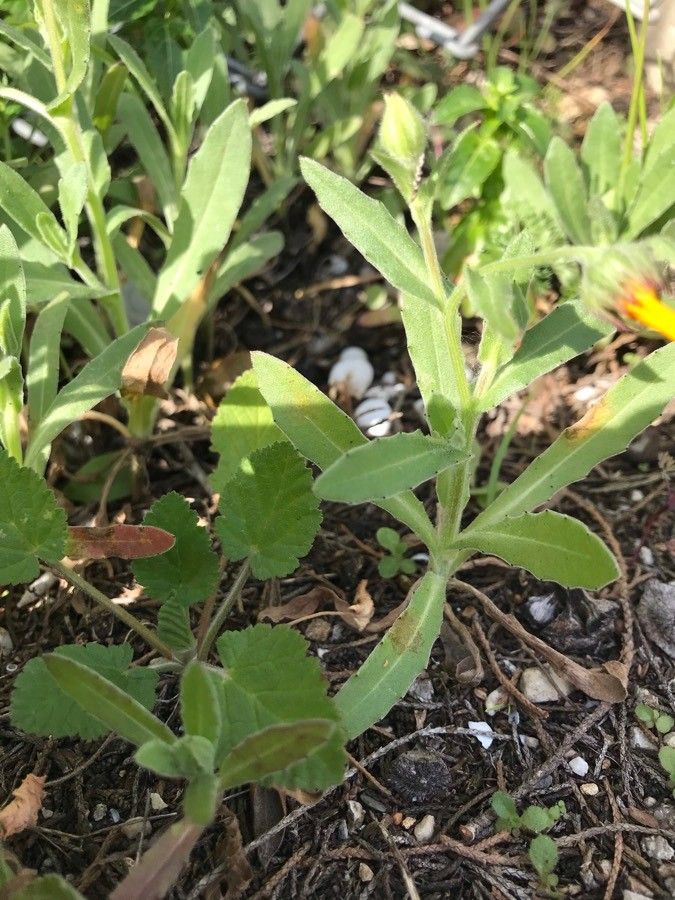
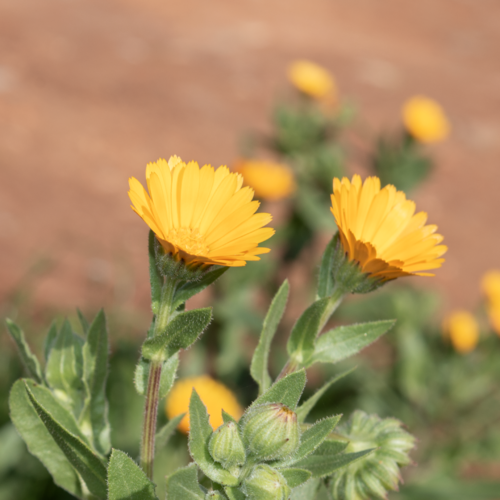
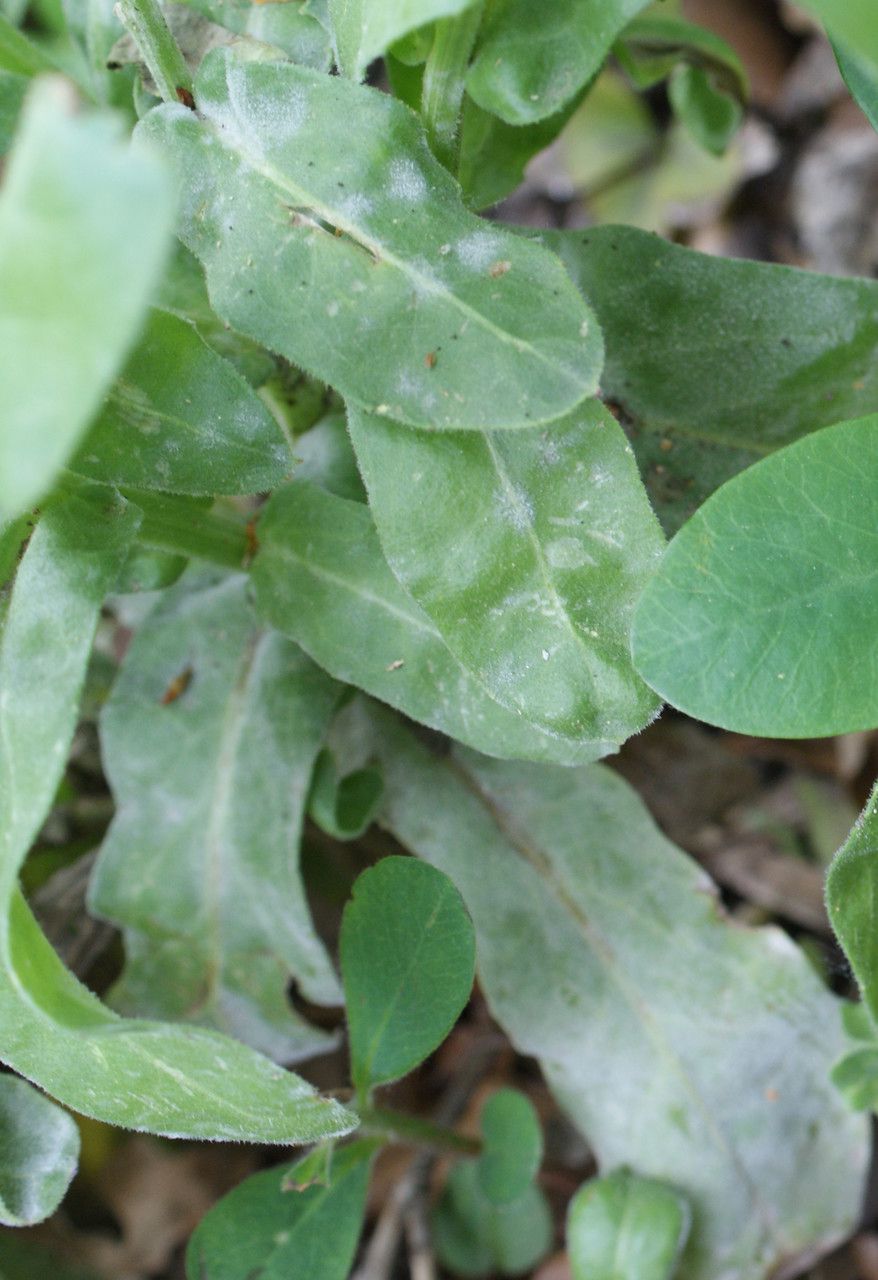
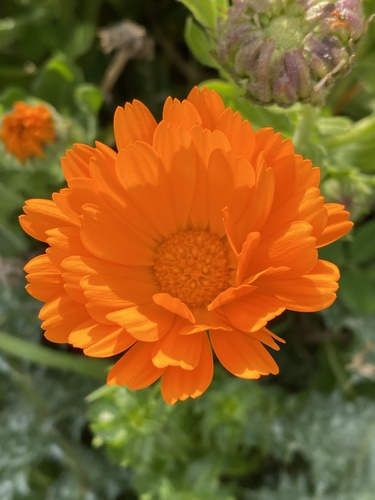
Calendula maritima, known as the sea marigold and trailing calendula, is a very rare species from the family of Asteraceae. Some scientists regarded it as Calendula suffruticosa subspecies maritima. This halophytic plant is endemic to the western part of Sicily in small coastal habitats, and is a critically endangered species. As of 2012, this plant could still be found in only five small sites in East Sicily. The Province of Trapani has chosen the plant as its official symbol. The sea marigold occurs only on the Sicilian coast: on the island mainland between Marsala and the Monte Cofano; and on the two nearby islets Isola Grande dello Stagnone and Isola la Formica. The most significant population is in a small 10-km2 (3.9-mi2) nature reserve area within the Riserva Naturale Saline di Trapani e Paceco. It is on the IUCN Red List of critically endangered plant species.
Sea marigold is fairly disease-resistant and generally not easily affected by illnesses. However, it can still be vulnerable to pests and diseases present in its surroundings. Such infections are typically not serious. As for care, this plant needs moderate maintenance. It should be pruned regularly to keep a neat appearance and support healthy growth. Fertilizing can also help encourage flowering. Sea marigold is appropriate for anyone with an outdoor area, like a garden or patio, and does not require extensive gardening experience. It may demand more care when grown indoors.
How to keep Calendula Maritima.
Light
Originating from open environments, sea marigold is a perennial herbaceous plant that adores the sun and usually flourishes in meadows and grasslands. While it prefers to be in full sunlight, it also has the ability to endure conditions of partial sun.
Temperature
The Sea marigold plant is capable of adjusting to various temperature situations, but its spread could be constrained by different amalgamations of thermal and humidity settings. It flourishes optimally in hot seasons with sufficient rain or irrigation. Lengthy durations of overcast and wet weather, along with extended heat periods, may increase the probability of Sea marigold perishing. During the winter months, adequate cold resistance measures can enhance the plant's ability to thrive.
Fertilizer
Generally, a one-time application of fertilizer in the spring is enough for Sea marigold, although a more regular feeding schedule can boost its growth. Aim to fertilize every one to one and a half months. This practice improves the look and functionality of the leaves, fostering regular coloring and a healthy feel. Additionally, fertilizing encourages the growth of roots and the ingestion of nutrients, contributing to the plant's enduring wellness.
Botanical profile.
- Plant Type
- Herb
- Life Cycle
- Perennial
- Genus
- Calendula
- Family
- Asteraceae
- Hardiness Zone
- 9-11
- Mature Height
- 30 cm to 61 cm
- Mature Spread
- 30 cm to 46 cm
- Leaf Color
- Green, Dark Green
- Leaf Type
- Evergreen, Semi-evergreen
- Flower Color
- Yellow, Orange
- Flower Size
- 5.08 cm to 6.35 cm
- Bloom Time
- All year round
- Planting Time
- Autumn
- Harvest Time
- All year round
- Native Area
- Italy
Other names.