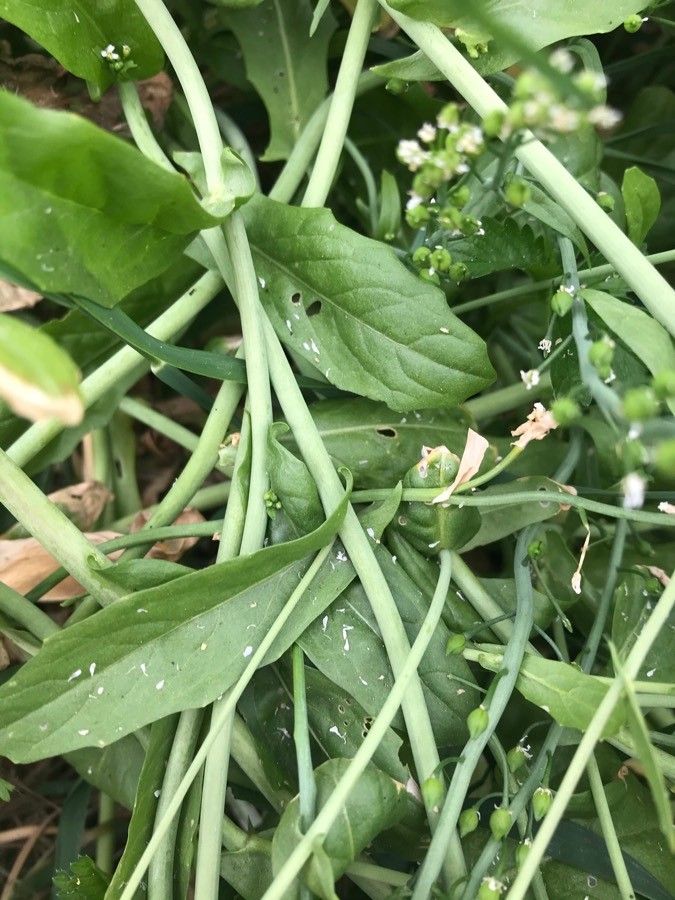
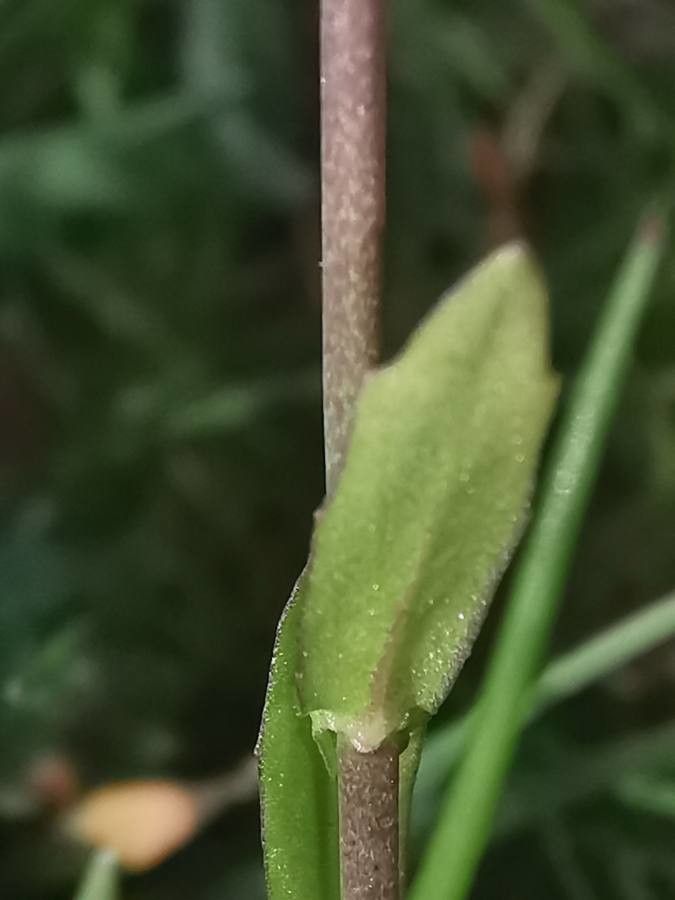
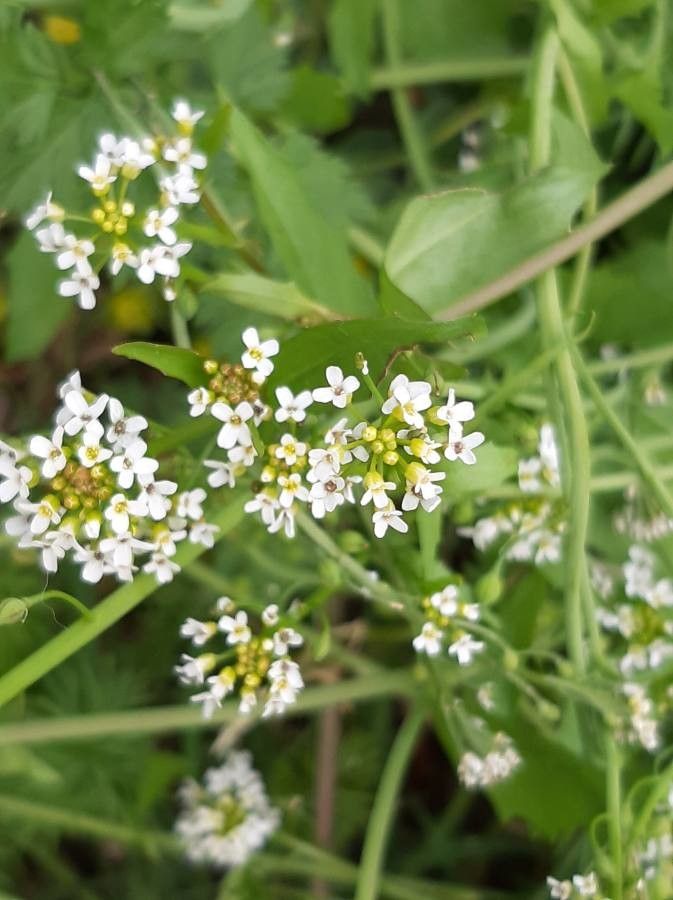
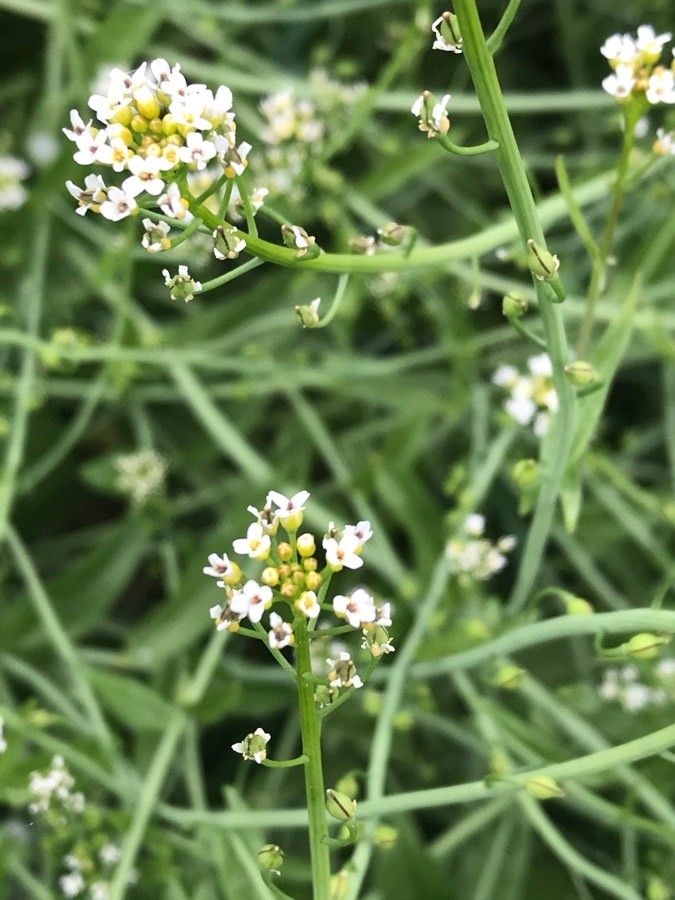
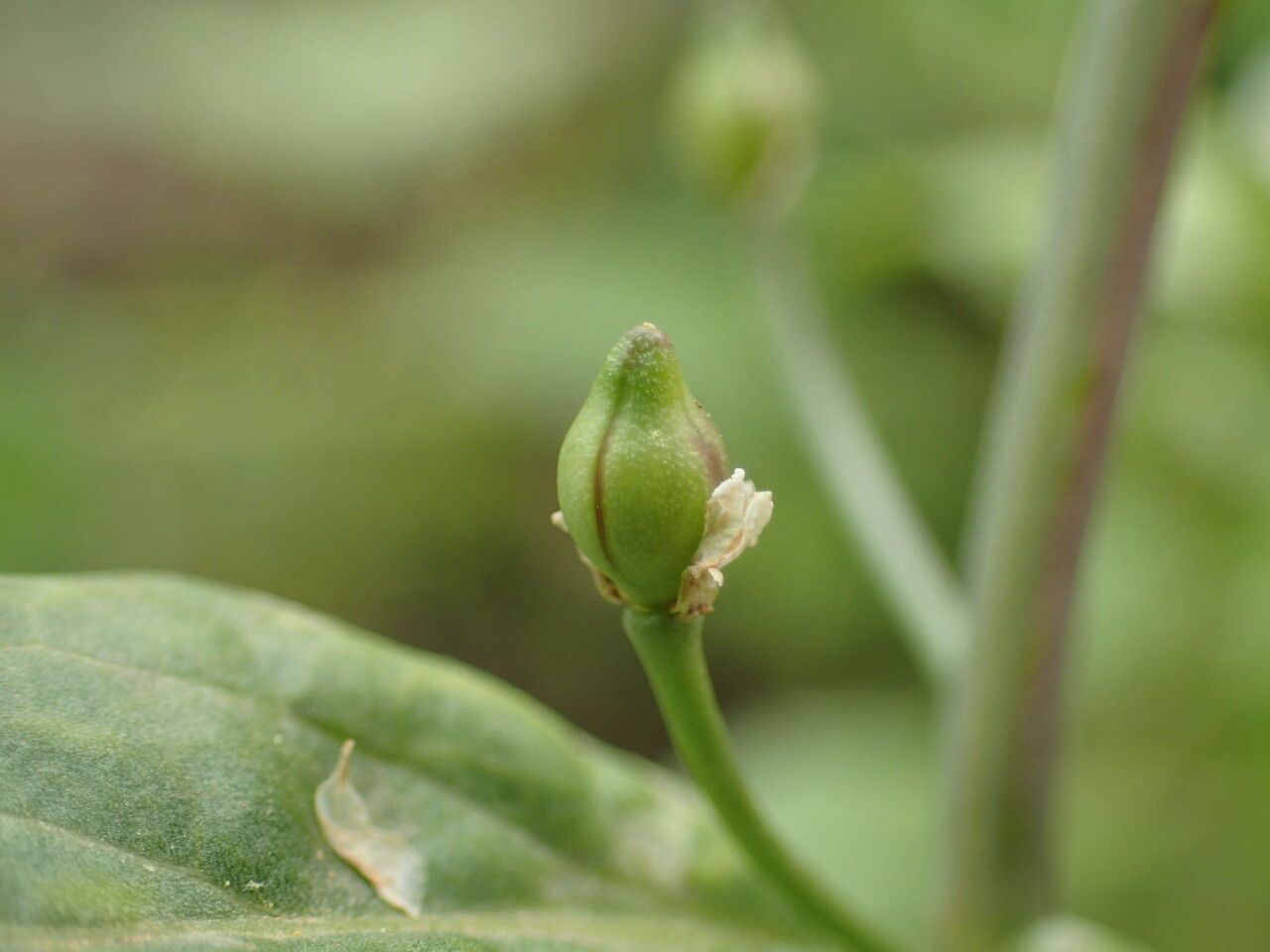
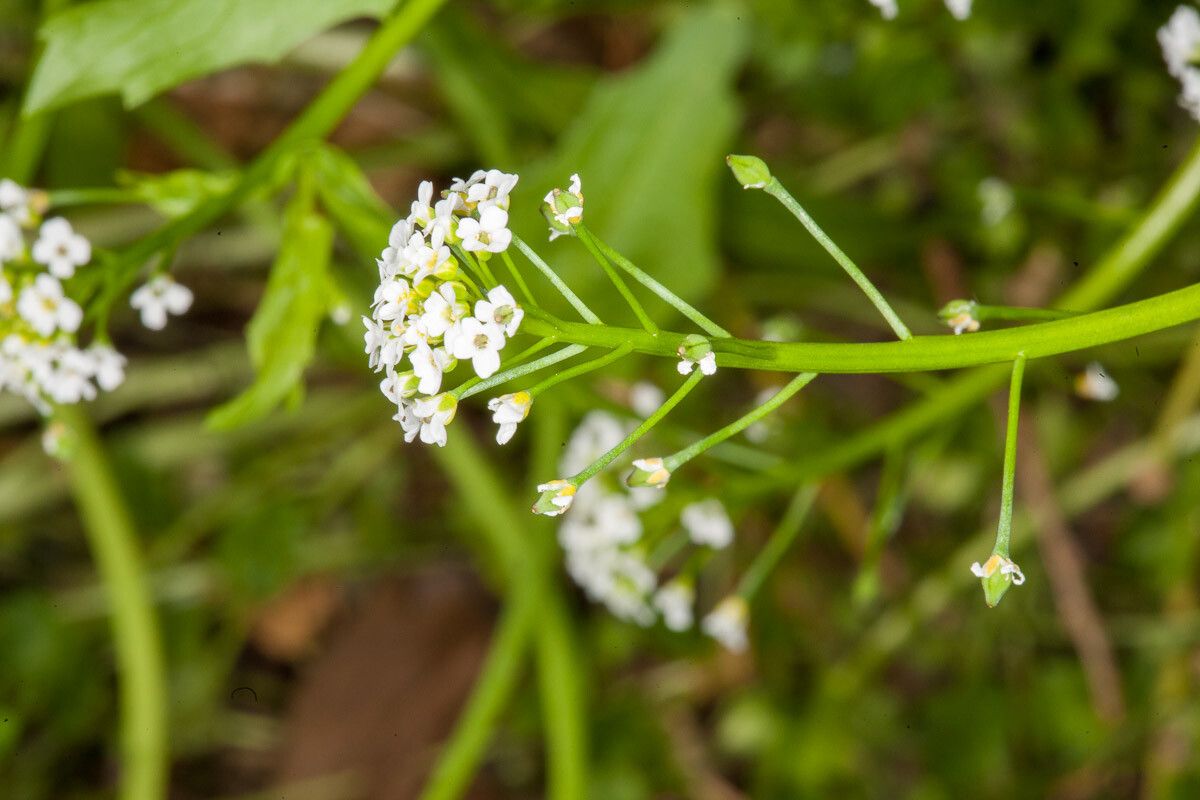
Calepina is a genus of flowering plants belonging to the family Brassicaceae. It includes a single species, Calepina irregularis, an annual native to Mediterranean Europe, northwestern Africa, Western Asia to Iran and Turkmenistan, the Caucasus, and southern European Russia.
White ballmustard has solid resistance to disease and typically does not suffer from many illnesses. However, it can be vulnerable to pests and diseases present in its environment. These problems are generally mild. For care, this plant needs moderate maintenance. It should be pruned regularly to keep a neat appearance and support healthy growth. Fertilizing can also encourage flowering. White ballmustard is appropriate for anyone with outdoor space, such as a garden or patio, and does not require extensive care experience. It may need more attention when grown indoors.
How to keep Calepina Irregularis.
Light
White ballmustard originates in bright, open habitats and thrives in full sun. It can tolerate partial sun but prefers direct sunlight for optimal growth. This annual or biennial plant is noted for its sun-loving nature.
Water
White ballmustard thrives in temperate climates with moderate moisture levels. While it can endure both wet and dry conditions, it does best with weekly watering. Although it's mainly cultivated outdoors and can adapt to a variety of soil types, ensuring the soil is well-draining is crucial for optimal growth and to prevent waterlogging.
Temperature
White ballmustard originates from temperate regions, which corresponds to its preferred temperature range of 68 to 95 °F (20 to 35 °C). Daily and seasonal adjustments may be necessary to maintain these temperatures.
Fertilizer
White ballmustard responds well to regular, mild fertilizer applications to encourage healthy leaf development. Fertilize White ballmustard roughly once a month during the summer. Nitrogen is important for foliage, so providing nitrogen-rich sources helps White ballmustard thrive.
Pruning
White ball mustard is characterized by its upright growth and small white flowers. To encourage growth and flowering, prune any dead stems from early to late spring. Regular pruning not only improves air circulation but also reduces the risk of disease. Always use sterilized tools to maintain the plant's health and aesthetic appeal.
Botanical profile.
- Plant Type
- Herb
- Life Cycle
- Annual, Biennial
- Genus
- Calepina
- Family
- Brassicaceae
- Hardiness Zone
- 6-10
- Mature Height
- 30 cm to 76 cm
- Mature Spread
- 30 cm to 46 cm
- Leaf Color
- Green, Dark Green
- Leaf Type
- Semi-evergreen
- Flower Color
- White
- Flower Size
- 0.25 cm to 0.51 cm
- Bloom Time
- Spring
- Planting Time
- Spring, Summer, Autumn
- Harvest Time
- Late spring, Early summer, Mid summer
- Native Area
- Turkey, Montenegro, Cyprus, Bulgaria, Armenia, Greece, Croatia, Slovenia, Morocco, Lebanon, Russia, Serbia, Hungary, Iraq, Syria, Italy, Spain, Switzerland, France, Iran, Albania, Azerbaijan, Algeria, Romania, Belgium, Turkmenistan, Portugal
Other names.
Reader questions.
How should I water my White ballmustard plant in the best way?
There are multiple ways to water White ballmustard, including using a garden hose with a spray nozzle or a watering can. The plant is not too particular about the type of water it receives, as it can thrive on rainwater, tap water, or filtered water. It is generally not recommended to water this plant from above, as it can harm the leaves, flowers, and potentially cause disease. For optimal watering, setting up a drip irrigation system is often the best approach, as it provides even and direct water application to the soil. When growing White ballmustard in a container, a similar watering approach can be used using a cup, watering can, or tap water to water the soil directly.
What does White ballmustard require in terms of sunlight?
White ballmustard, botanically known as Calepina irregularis, thrives in environments with abundant sunlight, preferably in full sun, which means it requires more than 6 hours of sunlight daily for optimal growth. It can also tolerate partial sun, needing about 3-6 hours of sunlight. This plant's preference for sunny spots stems from its natural habitat in bright, open areas. Artificial lighting can be used to supplement natural light for indoor plants, especially in less sunny spaces or during winter. LED lights are recommended, with varying wattages based on the plant's sunlight needs: 30-50W/sq ft for full sun plants, 20-30W/sq ft for partial sun plants, and 10-20W/sq ft for full shade plants. The artificial light should be placed 12-36 inches above the plant and left on for 8-12 hours per day to mimic natural daylight hours.
What is the preferred temperature range for White ballmustard, and how does it adapt to cold weather?
White ballmustard, botanically known as Calepina irregularis, thrives in temperate zones with a preferred temperature range of 68 to 95 °F (20 to 35 °C). Due to its strong cold resistance, special frost protection measures are generally not required. However, if temperatures are expected to drop below -25°C, protecting the plant with soil or straw cover is advisable. To ensure the plant remains hydrated during the colder months, it's recommended to water abundantly before the first freeze of autumn, helping the soil stay moist and enter a frozen state efficiently.
What should I do if I give my White ballmustard plant too much or too little water?
If you notice that your White ballmustard plant is not getting enough water, simply water it more regularly. Overwatering, on the other hand, can be a bigger problem if not spotted early. Overwatered plants are more prone to diseases and may die. To avoid this, choose a location for your White ballmustard plant that gets plenty of sunlight to dry the soil and has good drainage. If you've overwatered by keeping your White ballmustard in a pot, you may need to switch to a new pot with better drainage. When repotting, use loose soil and a pot that drains efficiently.
What are the common symptoms of improper lighting for White ballmustard?
When White ballmustard does not receive adequate sunlight, it may exhibit symptoms such as small or lighter-colored new leaves, leggy or sparse growth, faster leaf drop, and slower or no new growth. These signs indicate light deficiency. Conversely, excessive sunlight can cause chlorosis, sunscald, leaf curling, wilting, and leaf scorching. These symptoms reflect the plant's struggle with too much light, manifesting as bleached areas on leaves, yellowing leaves, and dry, crispy edges on the foliage. Understanding these symptoms is crucial for diagnosing and correcting the plant's light exposure to ensure healthy growth.
How should I care for White ballmustard in low temperatures during winter?
White ballmustard is known for its cold tolerance and generally performs well when temperatures stay above 20°C. If winter temperatures are expected to remain above 0°C but may occasionally dip below -25°C, the plant may not show noticeable changes during winter; however, its ability to sprout in spring may be affected, possibly leading to decreased sprouting or absence of sprouting. To mitigate such effects, it is suggested to remove any parts that fail to sprout in spring as part of the plant's care routine.
How often do I need to water my White ballmustard?
White ballmustard should be watered regularly throughout the growing season. In spring, water once a week and consider increasing to two to three times per week as the season gets warmer. However, excessive watering can harm the plant. It is important to keep the soil moist but not wet. When it comes to potted White ballmustard, the soil tends to dry out faster, so watering frequency should be increased. Generally, watering a container-grown White ballmustard a few times per week is recommended, compared to just once per week for an in-ground plant.
How can you address lighting issues for White ballmustard?
To address lighting issues for White ballmustard, both indoor and outdoor approaches can be employed. For indoor plants, gradually moving them to sunnier locations each week until they receive at least 6 hours of direct sunlight daily is recommended. Using south-facing windows and keeping curtains open during the day optimizes natural sunlight exposure. Additionally, artificial lighting, such as desk or ceiling lamps or professional grow lights, can be used for at least 8 hours daily. For outdoor plants, moving them to sunnier spots gradually helps them adapt without risking sunburn. It might also be necessary to reduce obstructions like trees that block sunlight by pruning branches. For smaller plants that are easily movable, transplanting them during their dormant period to a location with better sunlight and drainage is advisable. However, it's important to note that parts of the plant affected by insufficient sunlight may not recover, but new growth will be healthy once proper light conditions are established.
What measures should be taken if White ballmustard is exposed to high temperatures?
During the summer months, White ballmustard's well-being is maintained by keeping it in temperatures below 35°C. Exposure to temperatures above 41°C could result in the plant's leaves becoming lighter, curling, becoming prone to sunburn, or, in severe cases, causing the plant to wilt and dry up. To address heat stress, trim away sunburned and dried parts of the plant and either move the plant to a shaded location away from the midday and afternoon sun or use a shade cloth to protect it. Additionally, watering the plant during the morning and evening will help keep the soil consistently moist.
How much water does my White ballmustard plant need?
Determining how much water to give your White ballmustard can be done in a few different ways. One option is to feel the soil for moisture and water until the first six inches are moist. Another method is to use a set measurement, like about two gallons per week, depending on the temperature and soil dryness. However, following strict guidelines may result in overwatering if your plant needs less. For container-grown White ballmustard, you should moisten all dry layers of soil and check for moisture by sticking your finger in the soil or observing excess water draining from the pot.
How can I know if I am giving enough water to my White ballmustard plant?
Avoiding overwatering your White ballmustard can be challenging. These plants have deep roots that require weekly soil moistening. However, they are highly prone to root rot and may show signs of browning if overwatered. Underwatering is not as much of a concern since White ballmustard can survive without additional watering for a while. However, extended periods without water can cause wilting and dry leaves.
How do I water my White ballmustard throughout the year?
As the seasons progress, the water needs of your White ballmustard will increase. In spring, watering once a week should suffice. However, with the arrival of summer heat, you'll likely need to water your White ballmustard more frequently, possibly up to three times a week. This is particularly important if your White ballmustard is grown in containers, as the soil in containers tends to dry out faster than ground soil in warm weather. During autumn, when your White ballmustard is still in bloom, you may be able to reduce the amount of water it needs, as the temperature has likely decreased and the sun is not as intense as it was during summer.