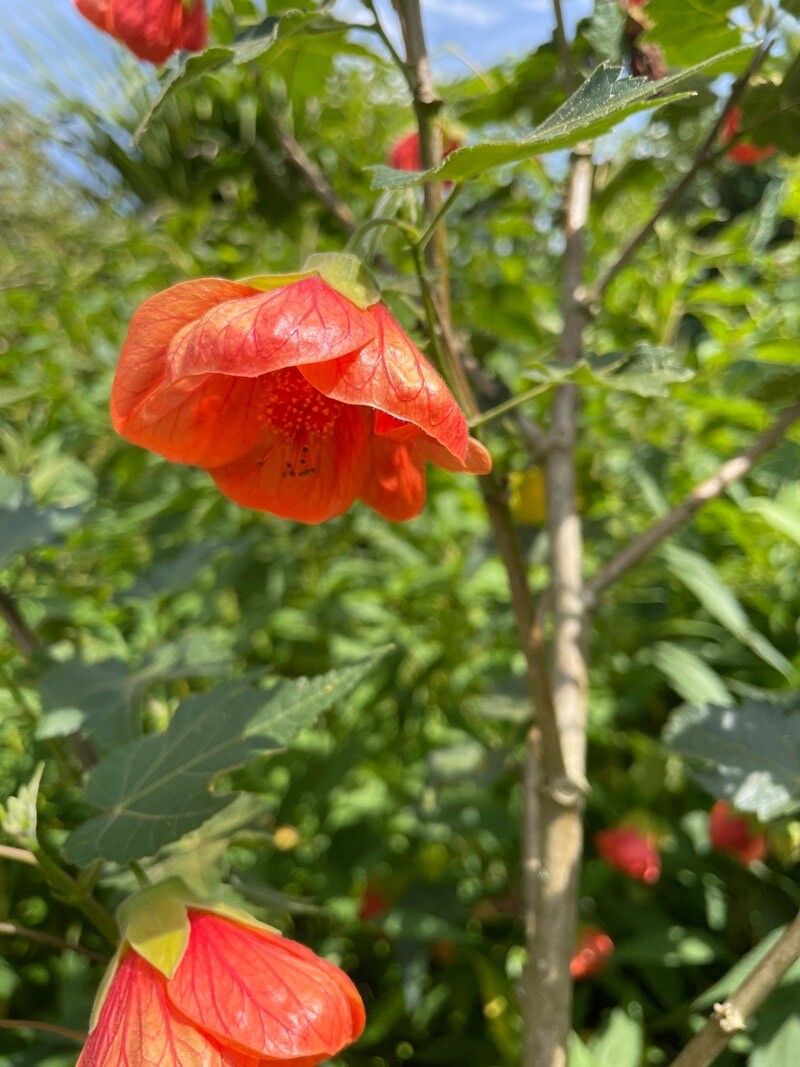
Red-vein Indian mallow is fairly resistant to disease and generally does not easily contract illnesses. Still, it can be affected by pests and diseases found in its environment. Such infections tend to be mild. Regarding care, this plant needs moderate maintenance. It should be pruned regularly to preserve an attractive form and healthy growth. Applying fertilizer can also encourage more blooms. Red-vein Indian mallow is appropriate for anyone with an outdoor area, like a garden or patio, and does not demand extensive gardening experience. It may need additional attention if kept indoors.
How to keep Callianthe Striata.
Light
Red-vein Indian mallow is a sun-loving perennial herbaceous plant native to open habitats, commonly thriving in meadows and grasslands. It prefers full sun but can also tolerate partial sun conditions.
Water
The Red-vein Indian mallow thrives in tropical climates, where it prefers consistent moisture without becoming waterlogged. It has moderate drought tolerance, so weekly watering is ideal. When grown outdoors, this evergreen plant flourishes in well-draining soil with stable moisture levels, and it benefits from natural sunlight.
Temperature
Red-vein Indian mallow comes from tropical areas, where the weather is generally warm and humid. Therefore, it is well suited to high heat and moisture. It is sensitive to abrupt temperature shifts and favors a consistent thermal environment, so avoiding temperature swings indoors is important. It typically cannot withstand cold conditions and needs relatively warm temperatures to grow. If the ambient temperature falls too much, the plant may stop growing or even perish.
Fertilizer
Appropriate fertilization is essential for the health and appearance of Red-vein Indian mallow. Fertilize the Red-vein Indian mallow during summer, repeating the application monthly throughout the season. Nutrients provide the energy for growth and help maintain the plant's parts. Fertilization improves the Red-vein Indian mallow's flower display, ensuring the best blooms.
Pruning
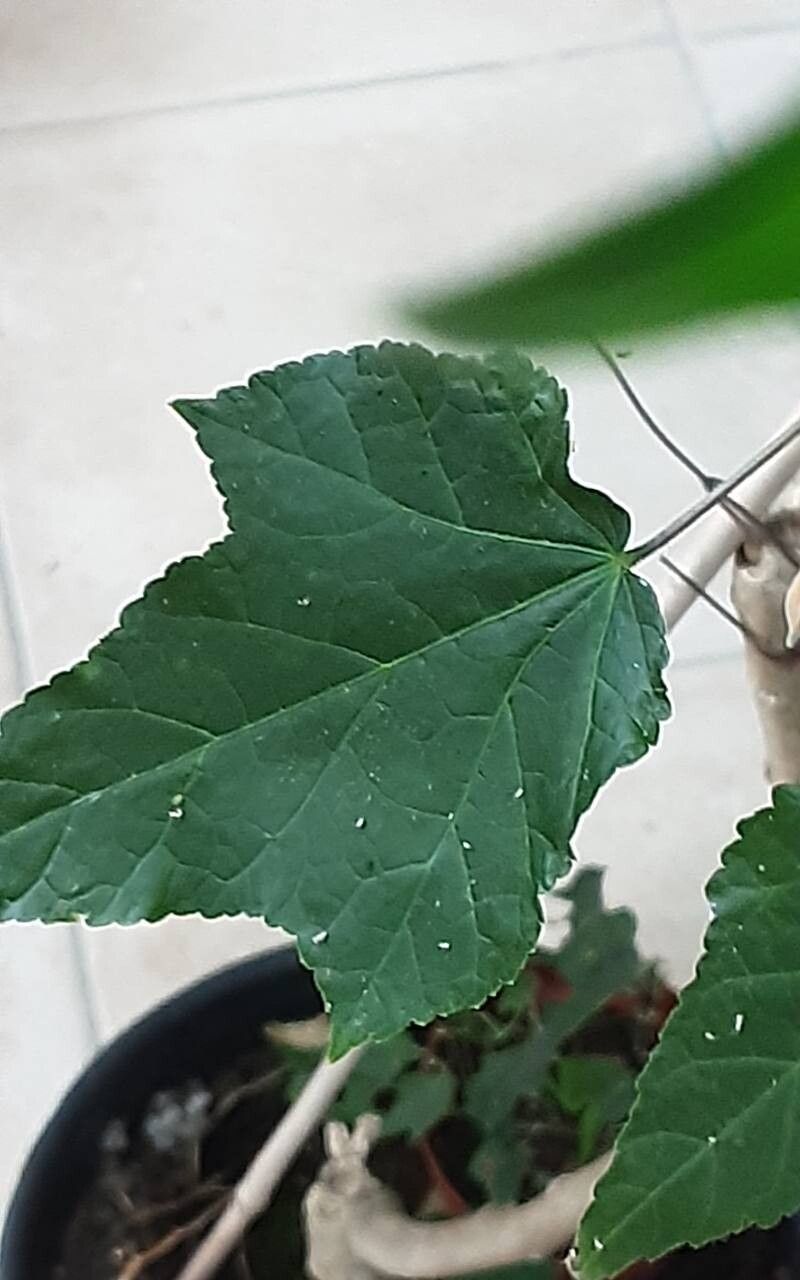
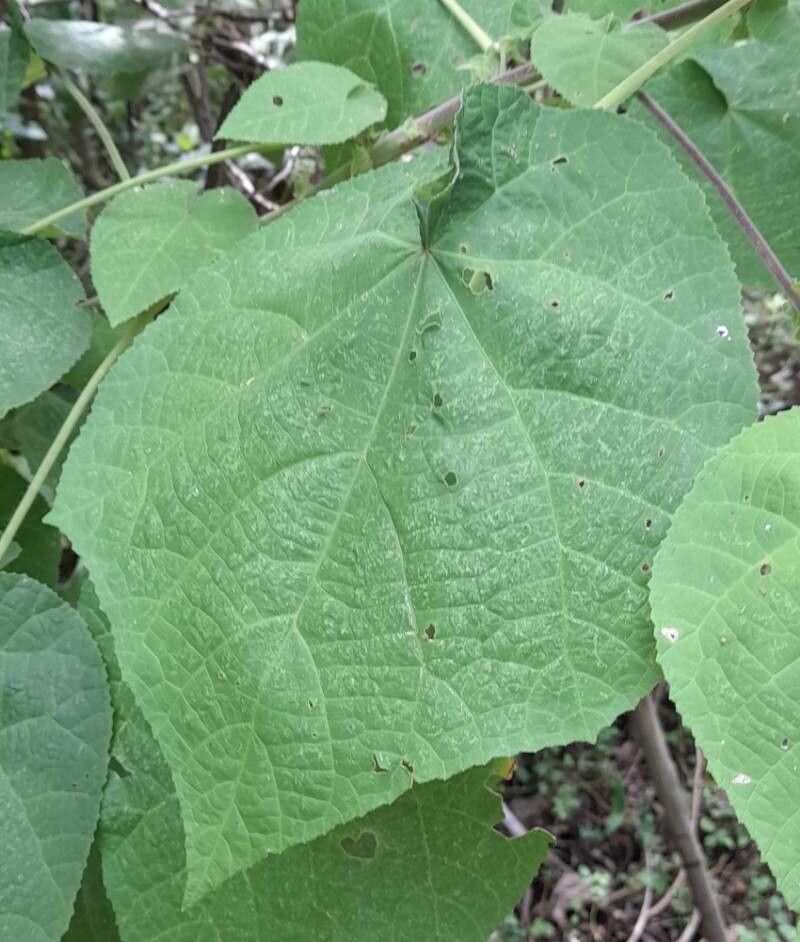
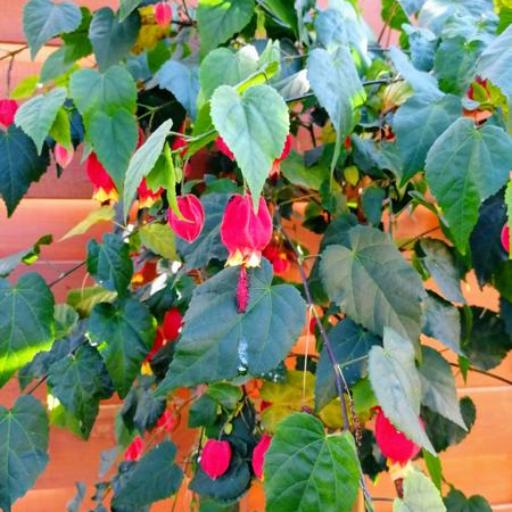
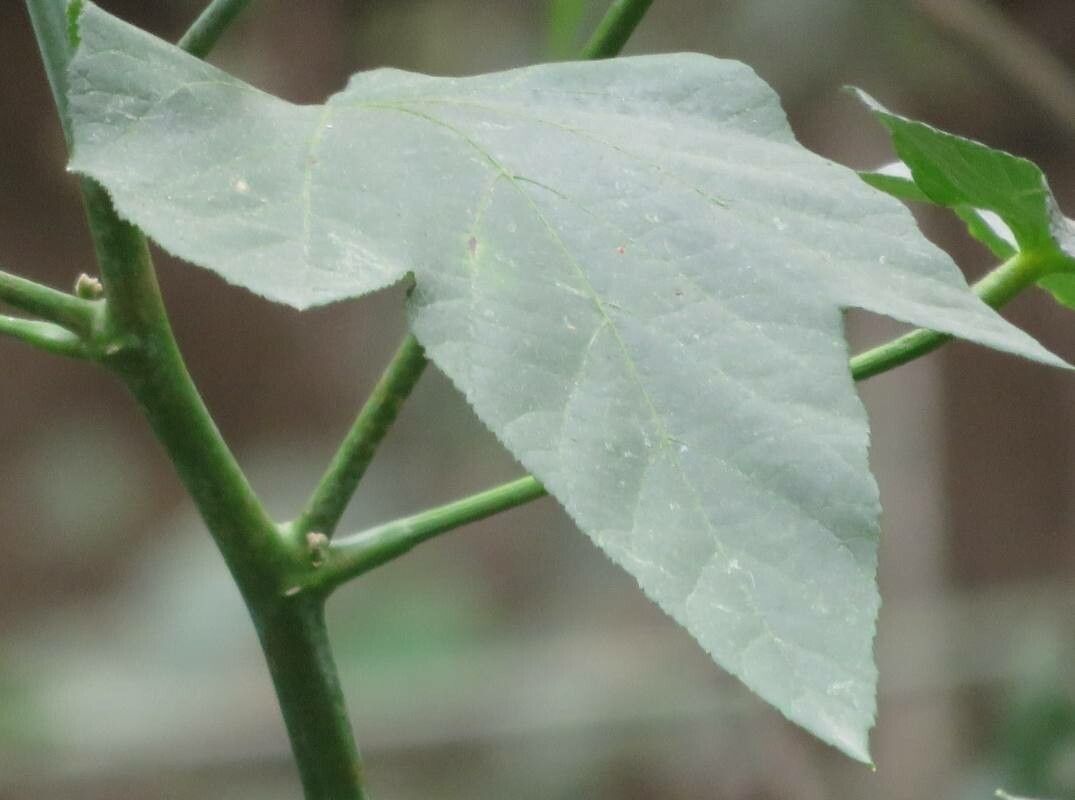
The Red-vein Indian mallow is known for its eye-catching red-veined leaves and vibrant flowers. To keep the plant healthy, prune it from early to late spring. Remove any dead stems and thin out dense areas to improve airflow, which encourages healthy growth and blooms while also helping to prevent pests. Be sure to use sanitized tools, and refer to local horticultural guides for additional advice.
Pot & Repot
The Red-vein Indian Mallow is a bushy plant that should be repotted every 2 to 3 years, ideally in early spring. When repotting, choose a pot that is 20% larger to allow room for root expansion. After transferring the plant, place it in bright, indirect light and maintain consistent moisture levels to support its recovery and prevent overwatering. This care will help keep the plant vibrant.
Botanical profile.
- Plant Type
- Herb
- Life Cycle
- Perennial
- Genus
- Callianthe
- Family
- Malvaceae
- Hardiness Zone
- 9-11
- Mature Height
- 1.52 m to 3.05 m
- Mature Spread
- 0.91 m to 2.13 m
- Leaf Color
- Green
- Leaf Type
- Evergreen
- Flower Color
- Orange, Yellow
- Flower Size
- 5.08 cm to 7.62 cm
- Bloom Time
- All year round
- Planting Time
- Spring, Summer, Autumn
- Harvest Time
- All year round
- Native Area
- Brazil, Colombia, Venezuela