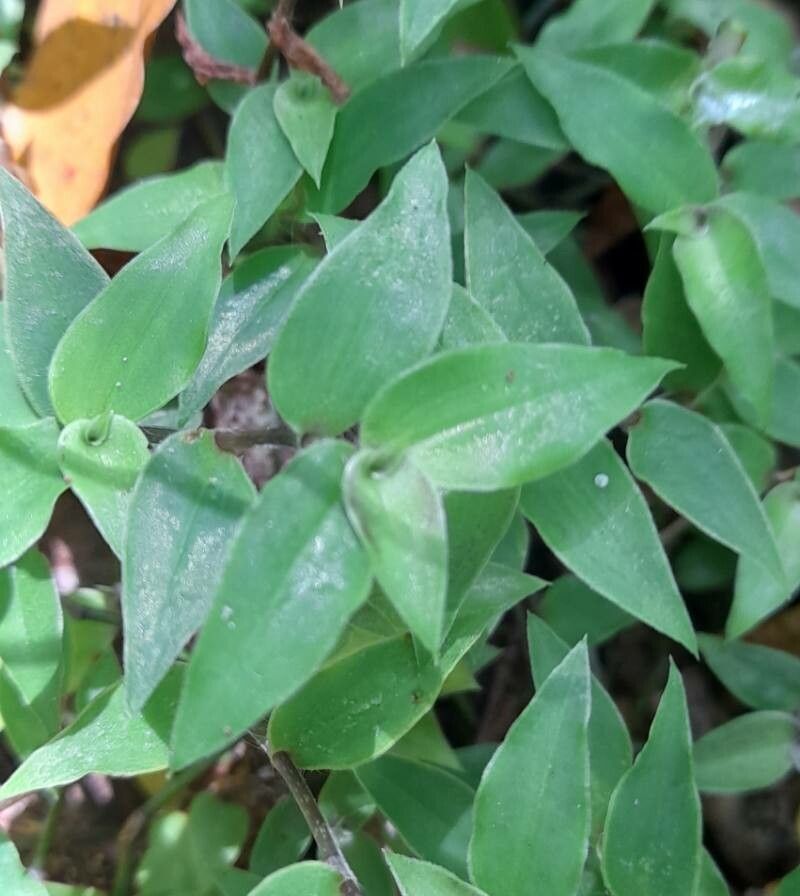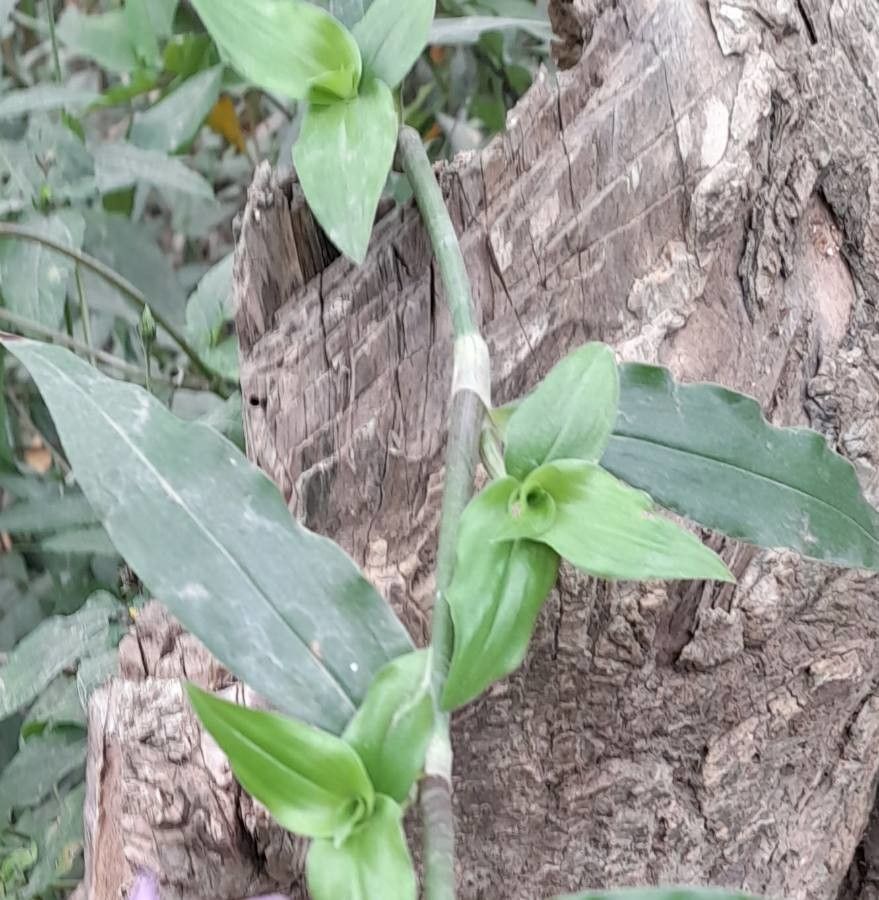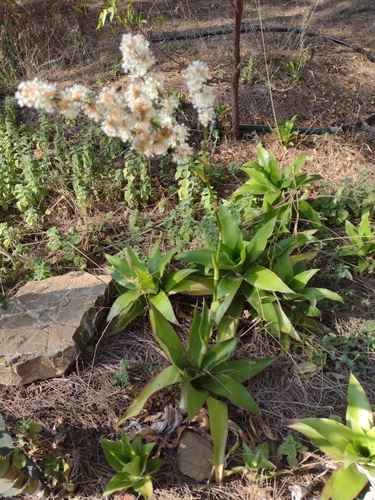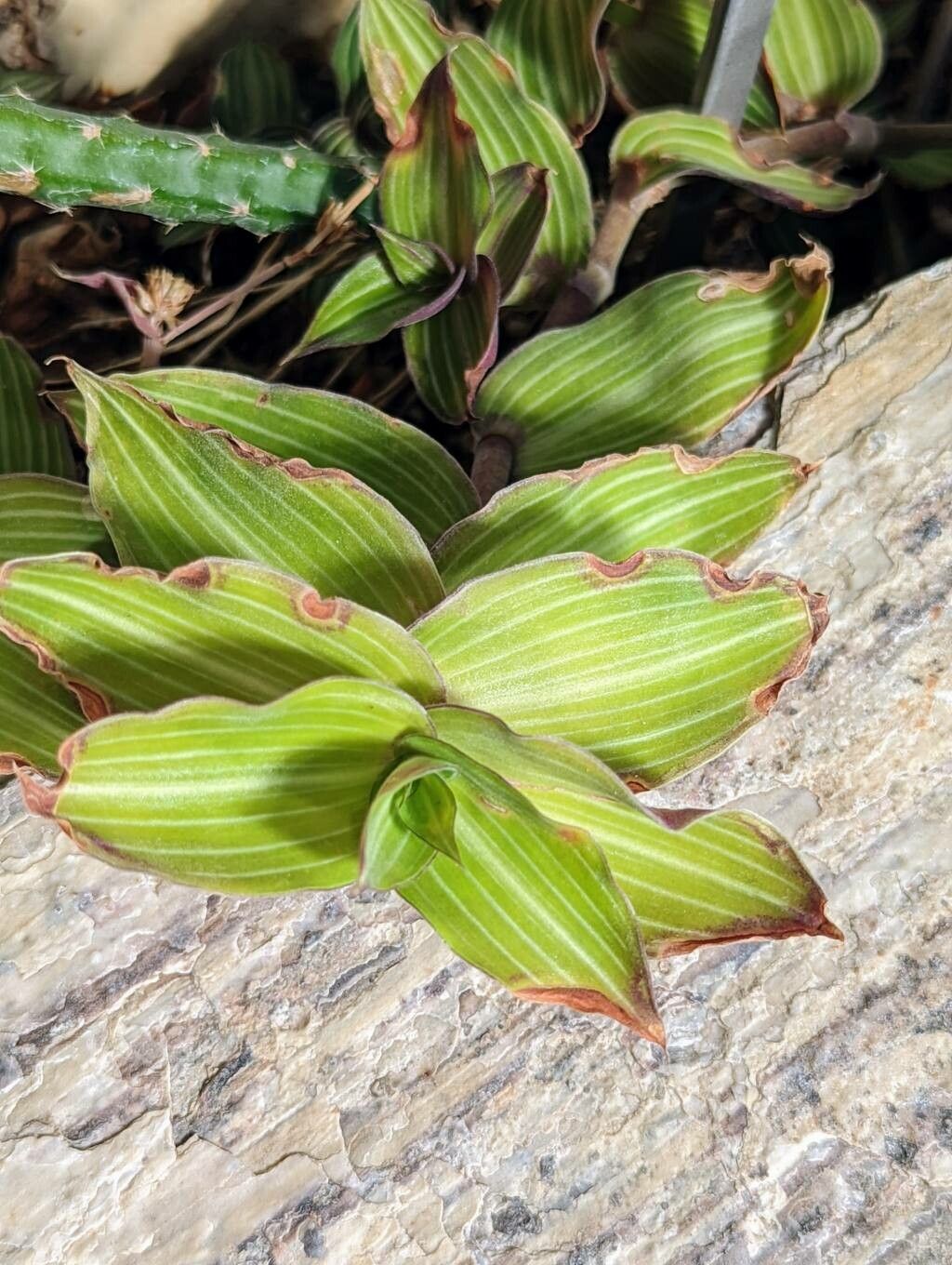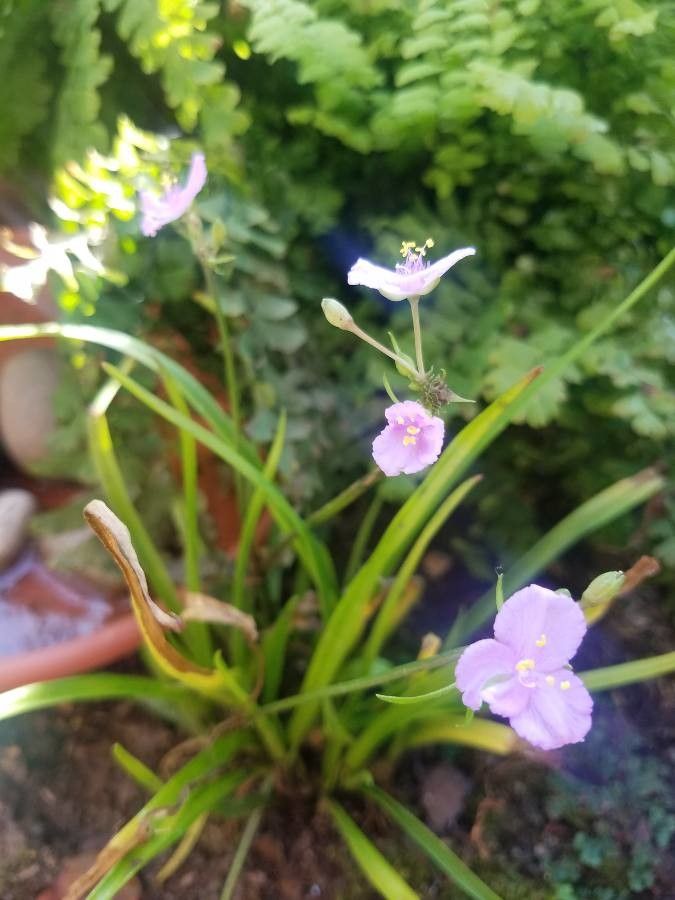
The Piedmont roseling is fairly disease-resistant and usually not prone to illnesses. However, it can be vulnerable to pests and diseases present in its vicinity. These problems are typically not serious. In terms of upkeep, the plant requires moderate maintenance. It should be pruned regularly to keep a good appearance and support healthy growth. Fertilizing can also help encourage flowering. The Piedmont roseling is suitable for anyone with an outdoor area, such as a garden or patio, and does not demand much care experience. It may need more attention when grown indoors.
How to keep Callisia Rosea.
Light
The Piedmont roseling is indigenous to habitats like forest undergrowth or stony regions, where it enjoys natural shadow. It favors semi-sunlit situations but is also capable of adjusting to total sunlight or complete shade, reflecting its resilient and adaptable character.
Temperature
The Piedmont roseling hails from tropical climates, characterized by their consistently warm and damp conditions. Accordingly, it has evolved to thrive in high heat and humidity levels. Abrupt climate variations aren't well-tolerated by this plant, which prefers constant temperature surroundings, necessitating the avoidance of any substantial indoor temperature changes. The plant generally doesn't fare well in cold conditions, requiring a warmer climate for its growth. Exposing the plant to excessively low environmental temperatures can lead to halted growth or possibly even death.
Fertilizer
Fertilization is vital for the wellbeing and presentation of Piedmont roseling. The Piedmont roseling should be fertilized in the summer and this process should be repeated every month during this season. Nutrients promote growth and sustain various parts of the plant. Fertilizing boosts the flower display of the Piedmont roseling, providing optimal blooms.
Pruning
To help your Piedmont roseling thrive, prune it in early spring, concentrating on removing dead stems and shaping the plant to encourage bushier growth. Pruning at this time promotes plant health and better flowering while improving air circulation and reducing the risk of pests. By following these horticultural guidelines, you ensure robust growth and enhance the plant's visual appeal.
Botanical profile.
- Plant Type
- Herb
- Life Cycle
- Perennial
- Genus
- Callisia
- Family
- Commelinaceae
- Hardiness Zone
- 9-11
- Mature Height
- 10 cm to 30 cm
- Mature Spread
- 20 cm to 30 cm
- Leaf Color
- Green, Purple
- Leaf Type
- Evergreen
- Flower Color
- Pink
- Flower Size
- 0.51 cm to 0.76 cm
- Bloom Time
- Late spring, Summer, Early fall
- Planting Time
- Spring, Summer, Autumn
- Harvest Time
- Mid summer, Late summer, Fall
Other names.
Reader questions.
What are the sunlight requirements for Piedmont roseling (Callisia rosea)?
Piedmont roseling, or Callisia rosea, thrives in conditions that meet its specific sunlight requirements. For optimal growth, it requires full sun, which means it should receive above 6 hours of sunlight daily. However, it can also adapt to partial sun conditions, where it gets about 3-6 hours of sunlight. It's important to observe how sunlight moves through your garden throughout the day to find the best spot for your Piedmont roseling. Choosing a location that provides a perfect balance of light and shade will ensure the happiness and health of your plant.
What is Piedmont Roseling?
Piedmont Roseling, known scientifically as Callisia rosea, is a plant species. It does not have additional details provided regarding its essentials or symptoms in the provided information.