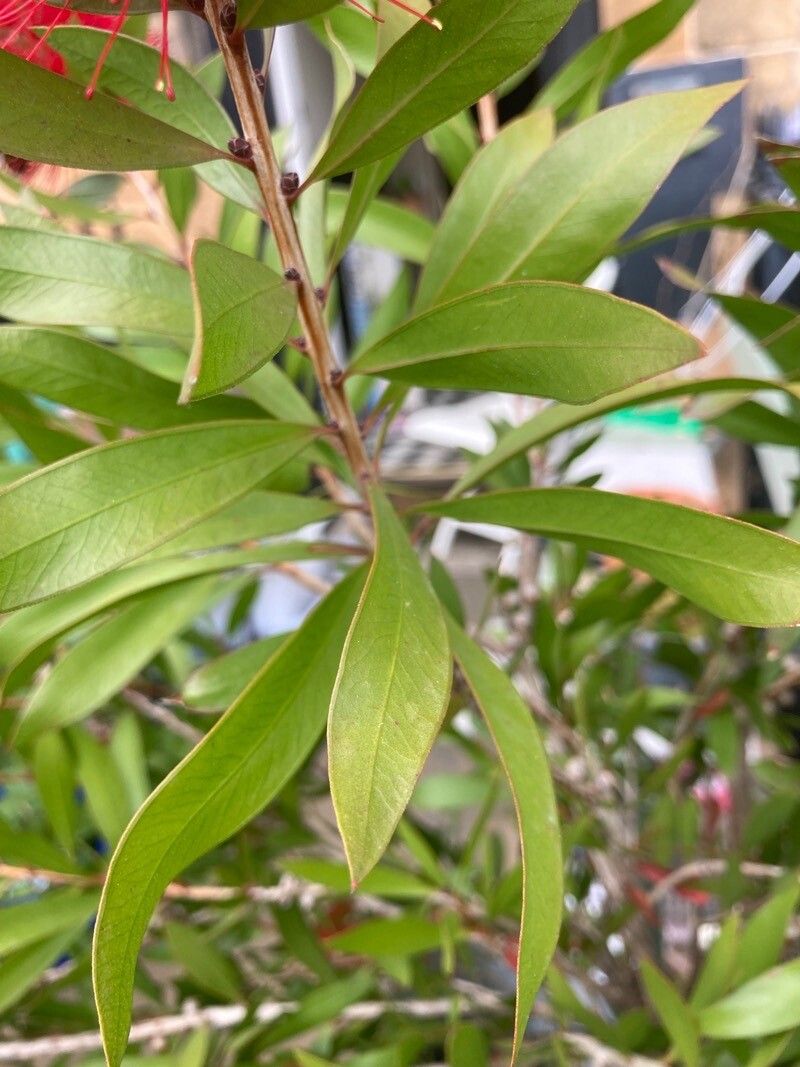
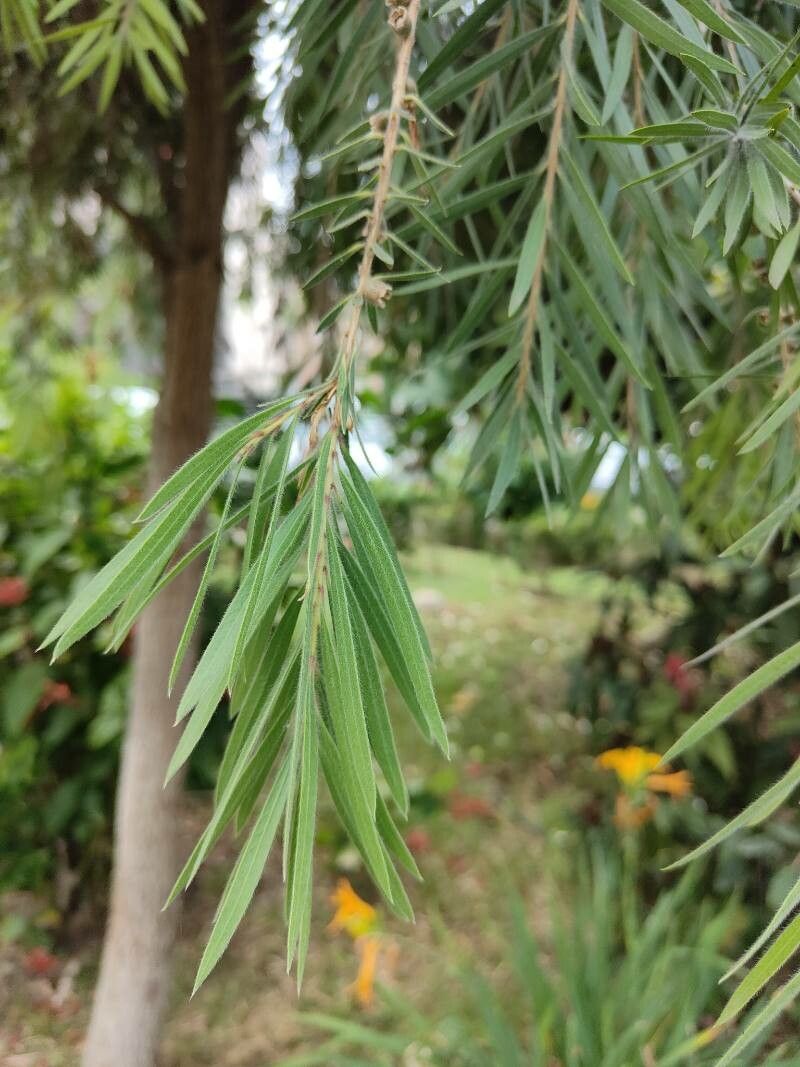
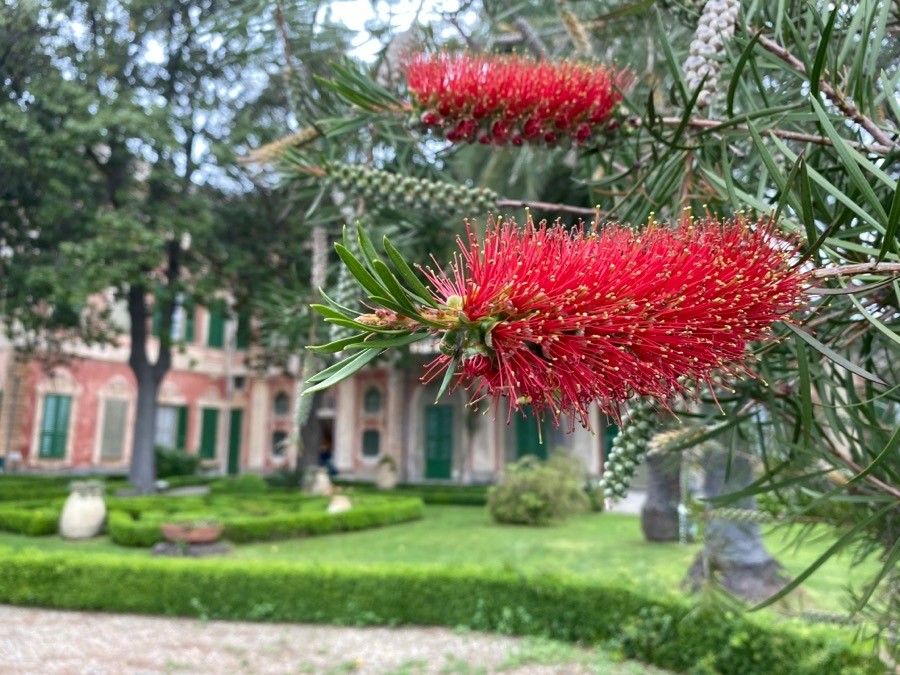
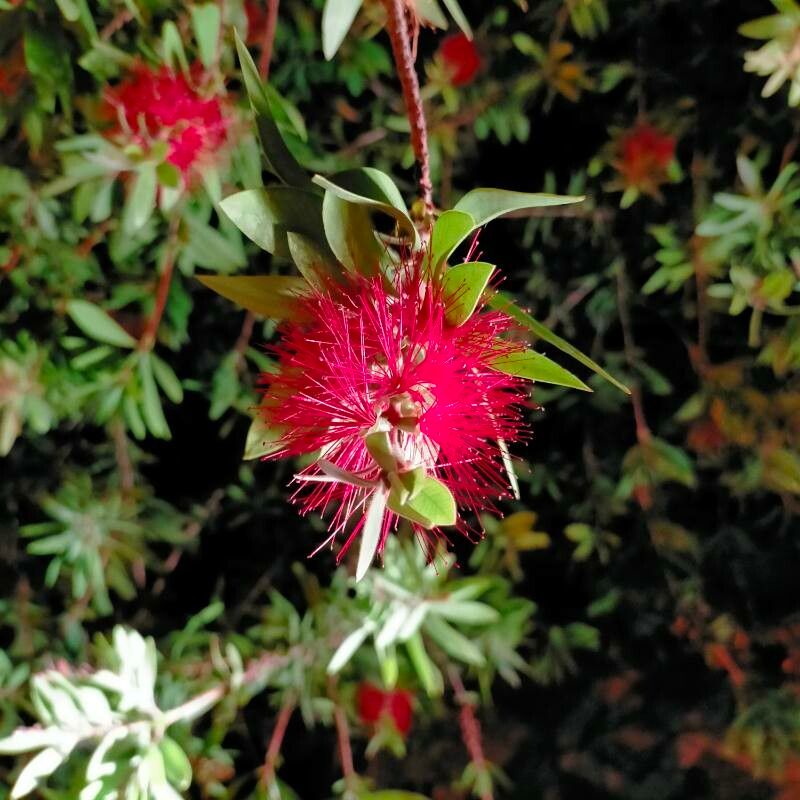
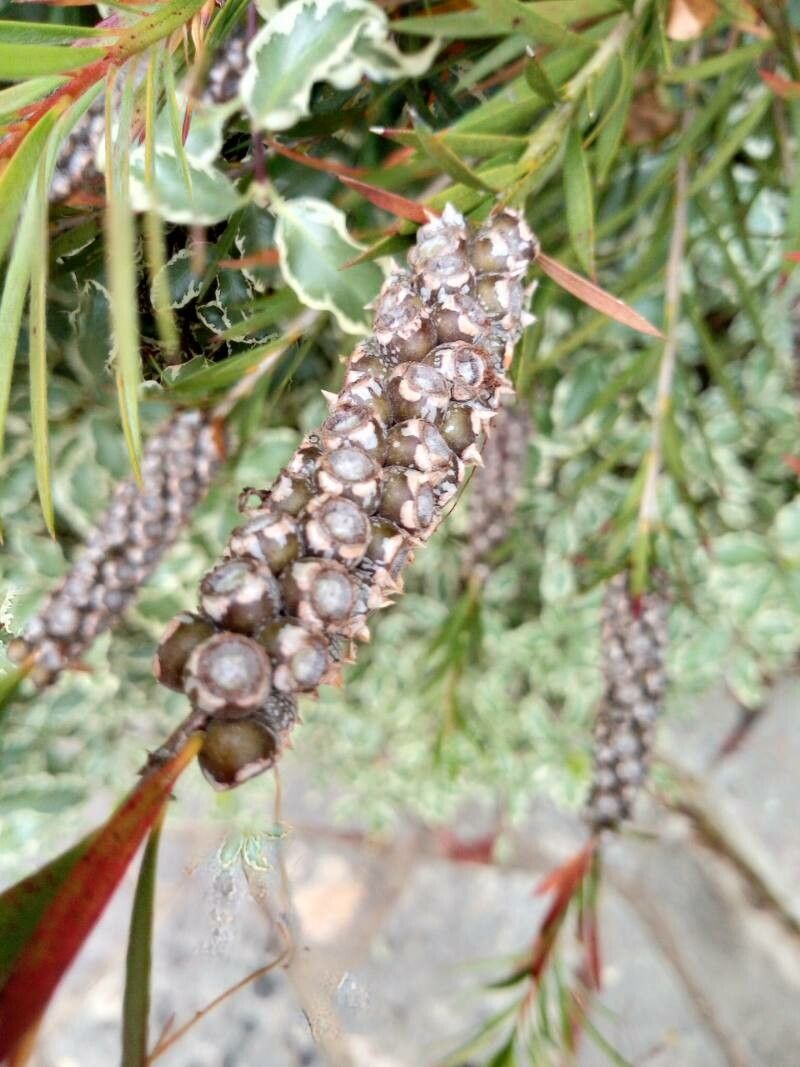
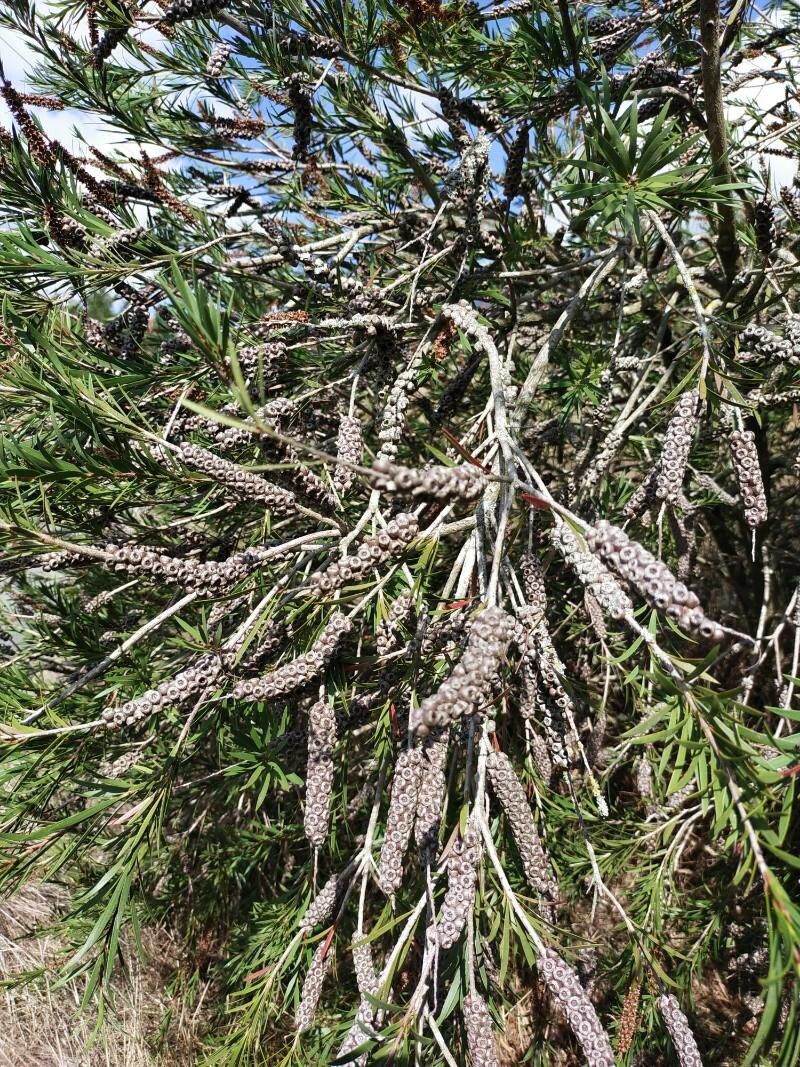
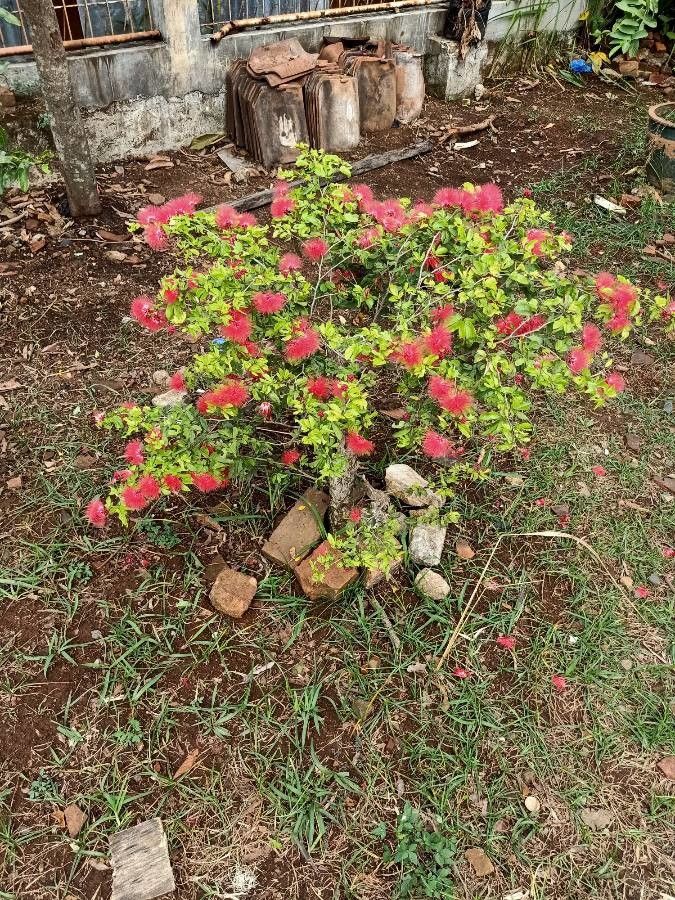
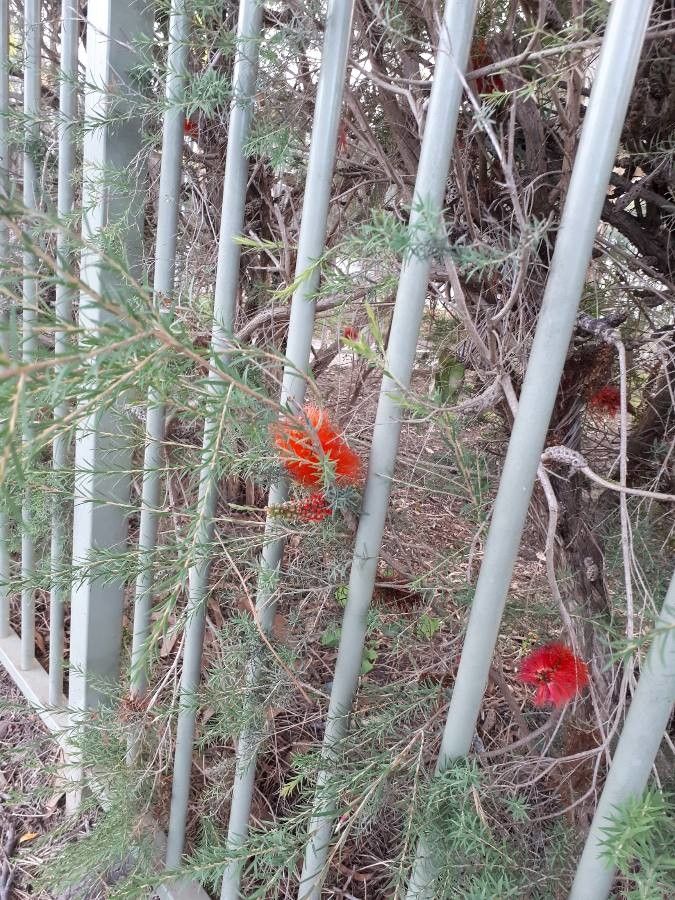
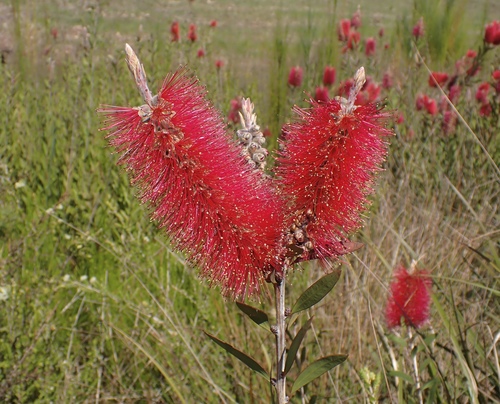
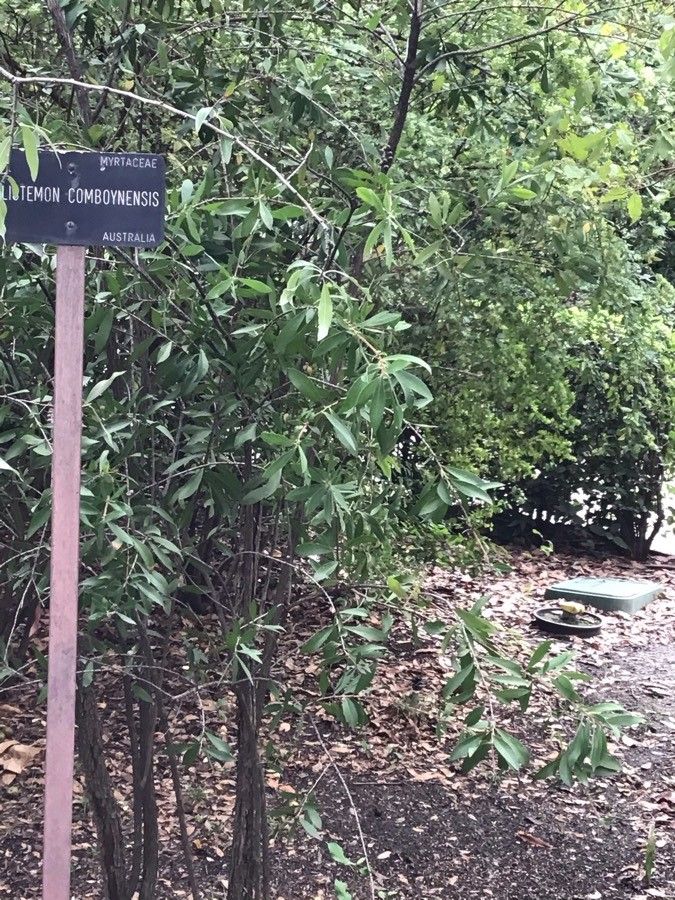
Melaleuca rugulosa, commonly known as scarlet bottlebrush, is a plant in the myrtle family, Myrtaceae and is endemic to South Australia and Victoria in Australia. (Some Australian state herbaria continue to use the name Callistemon rugulosus. Callistemon coccineus and Callistemon macropunctatus are older names for Callistemon rugulosus.) It is a shrub with an open straggly habit, stiff, sharply pointed leaves and bright red bottlebrush flowers tipped with yellow in summer.
How to keep Callistemon Coccineus.
Water
Regular watering will keep the weeping bottlebrush healthy and strong. Mature plants can withstand drought periods but are better off with more water. Watering occasionally when the soil feels dry a few inches below the surface.
Temperature
Red cascade trees prefer warm temperatures and do not tolerate cold or frost. They thrive in hot, dry climates, but are tolerant of humid climates.
Fertilizer
Providing weeping bottle trees with a balanced fertilizer during the growing season will encourage healthy growth and flowering. Apply from spring to autumn, at the beginning of each season.
Pruning
Pruning can help keep the tree looking clean and well-groomed. Cut the trees with a brush after flowering to remove damaged flowers and help the tree maintain its shape.
Toxicity
While bottlebrush plants are not known to be extremely toxic, make sure they stay out of reach of young children and pets as even non-toxic plants can cause vomiting if ingested. They do not cause any skin irritations.
Further reading →
The toxicity and danger assessments provided are for reference only. We do not assure their accuracy, so it's crucial not to depend on them. Seek professional advice when necessary for accurate guidance.
Botanical profile.
- Plant Type
- Flowering perennial desert shrub
- Genus
- Callistemon
- Family
- Myrtaceae
- Hardiness Zone
- 8–11, USA
- Bloom Time
- March-September
- Native Area
- Australia
Other names.