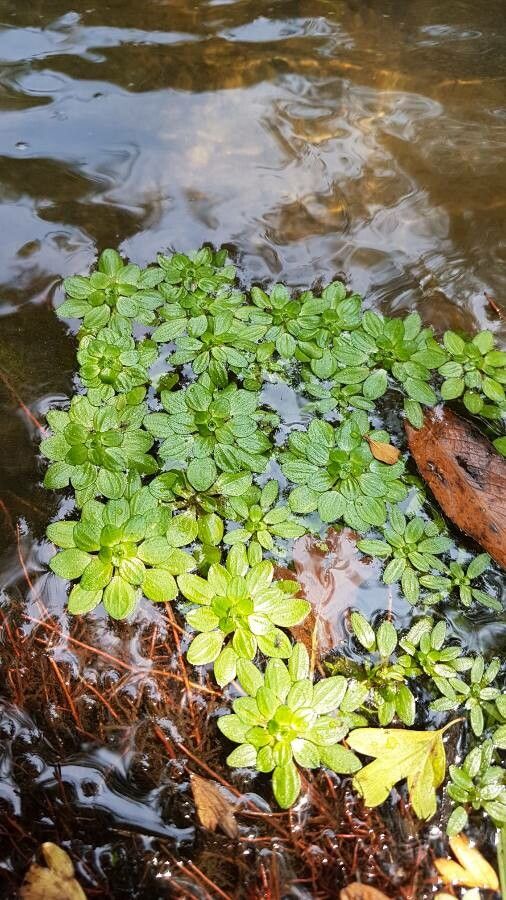
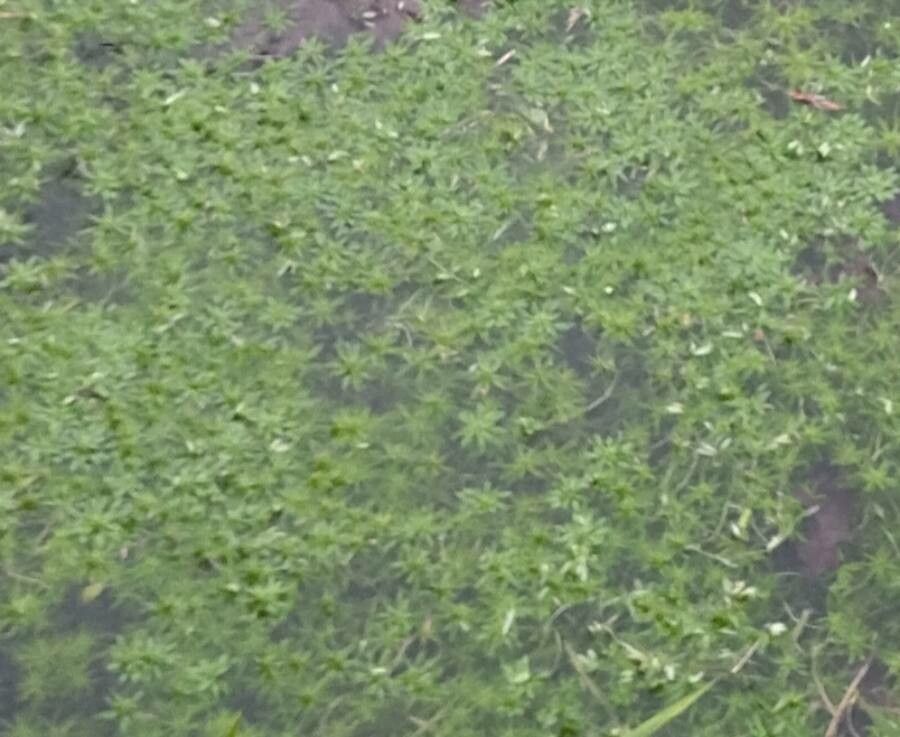
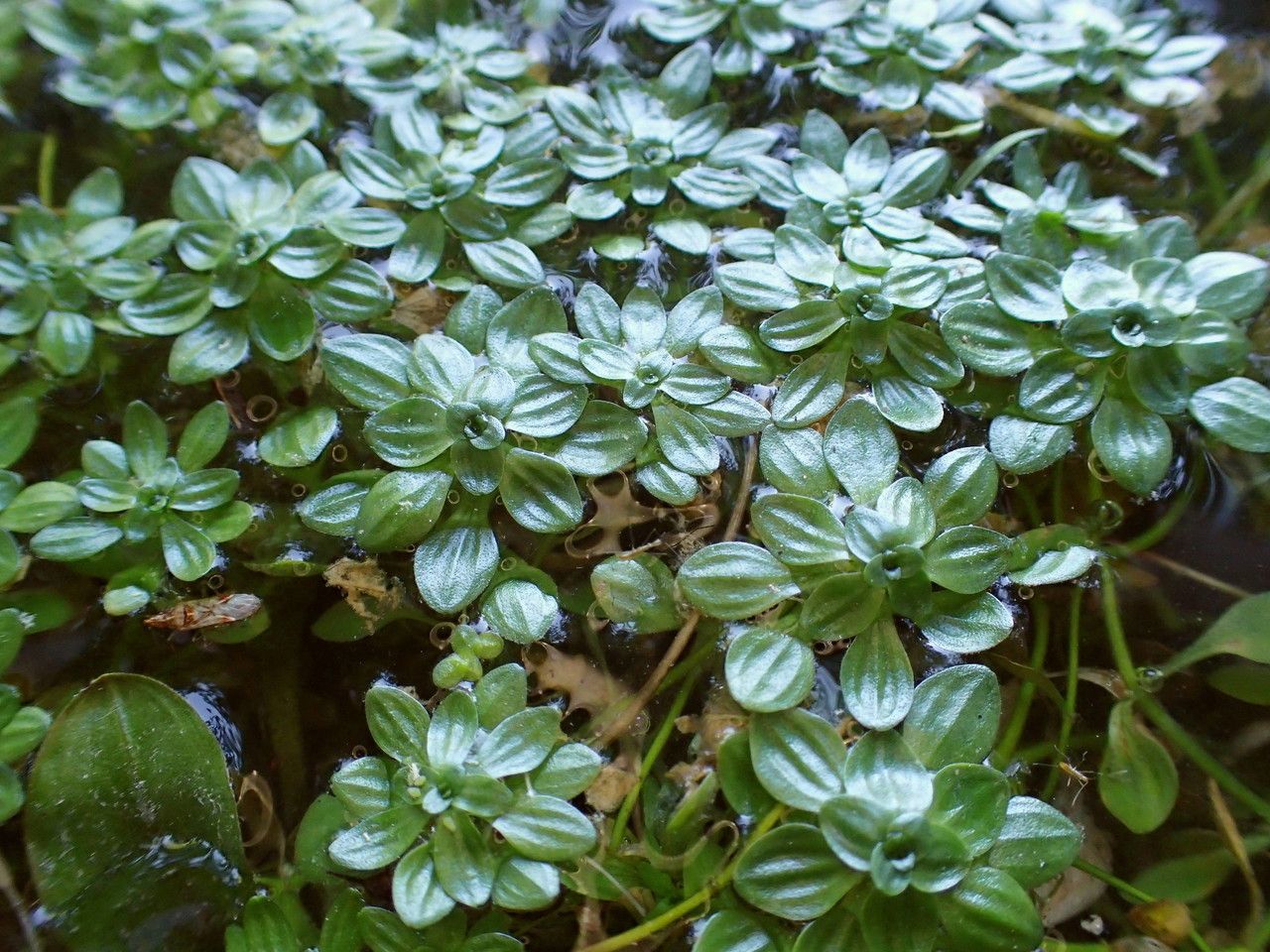
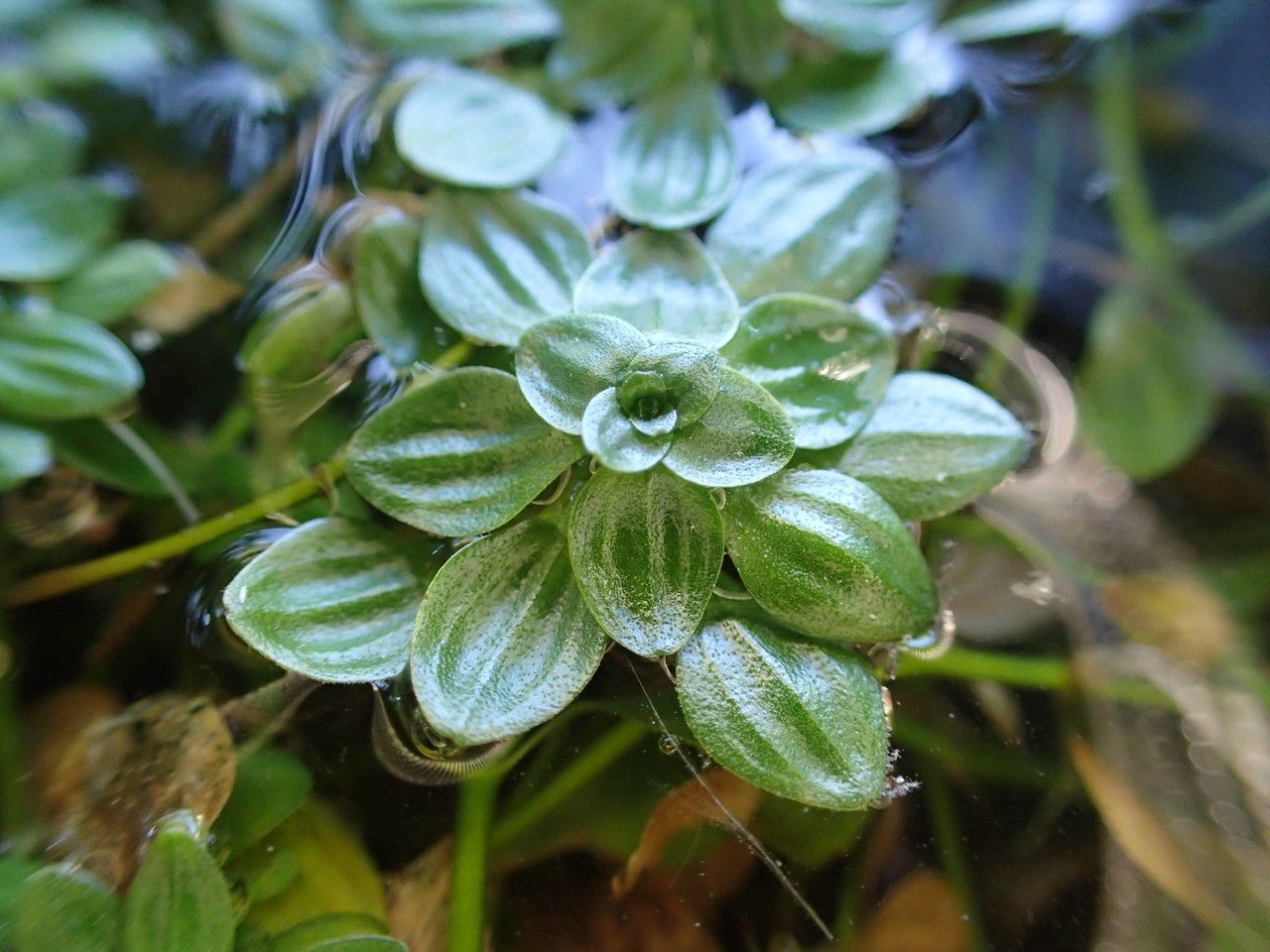
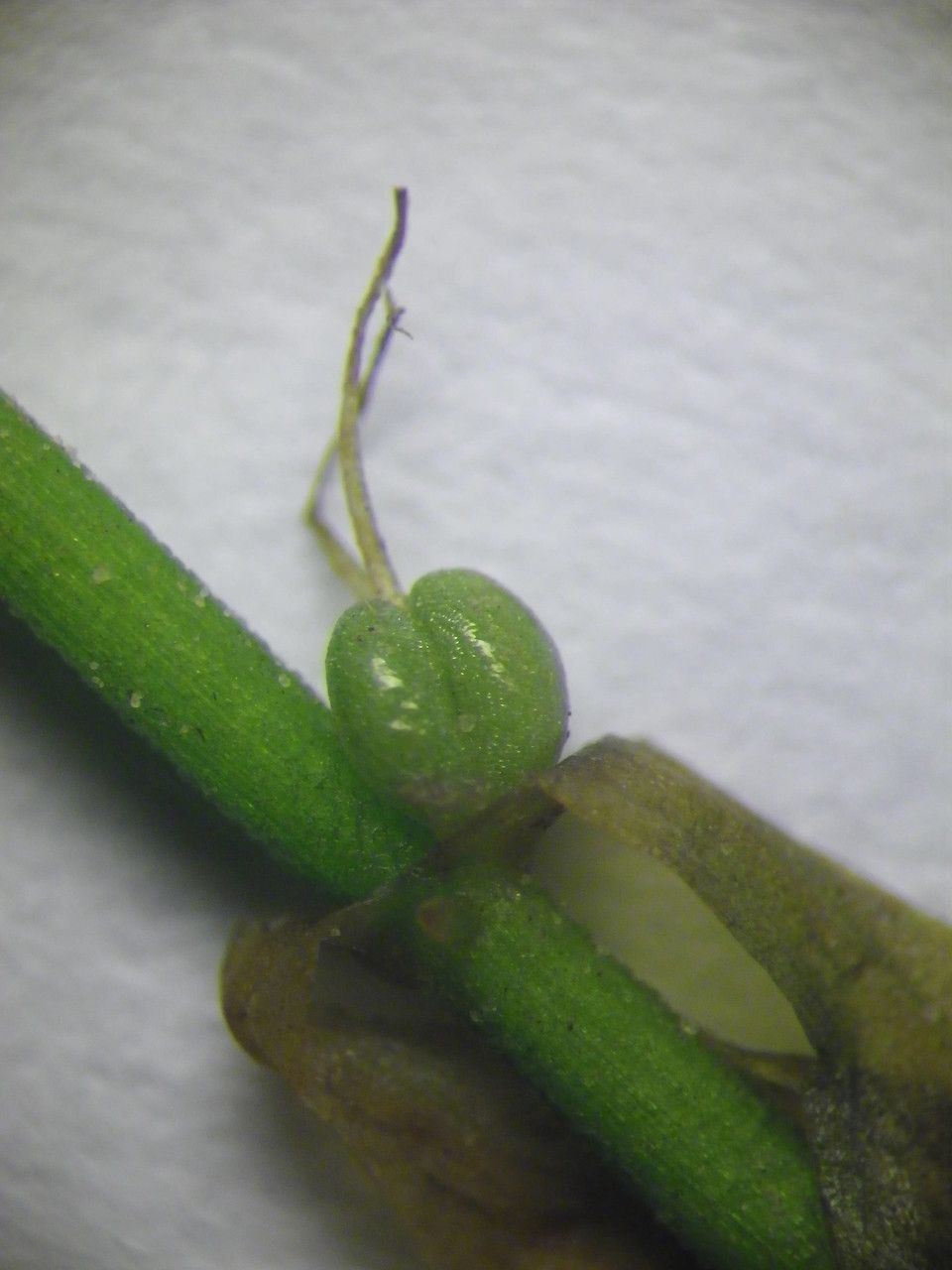
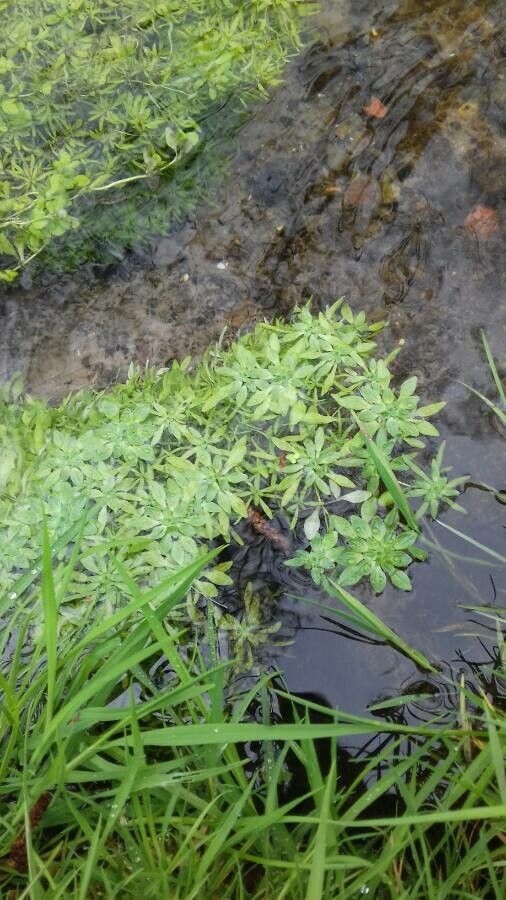
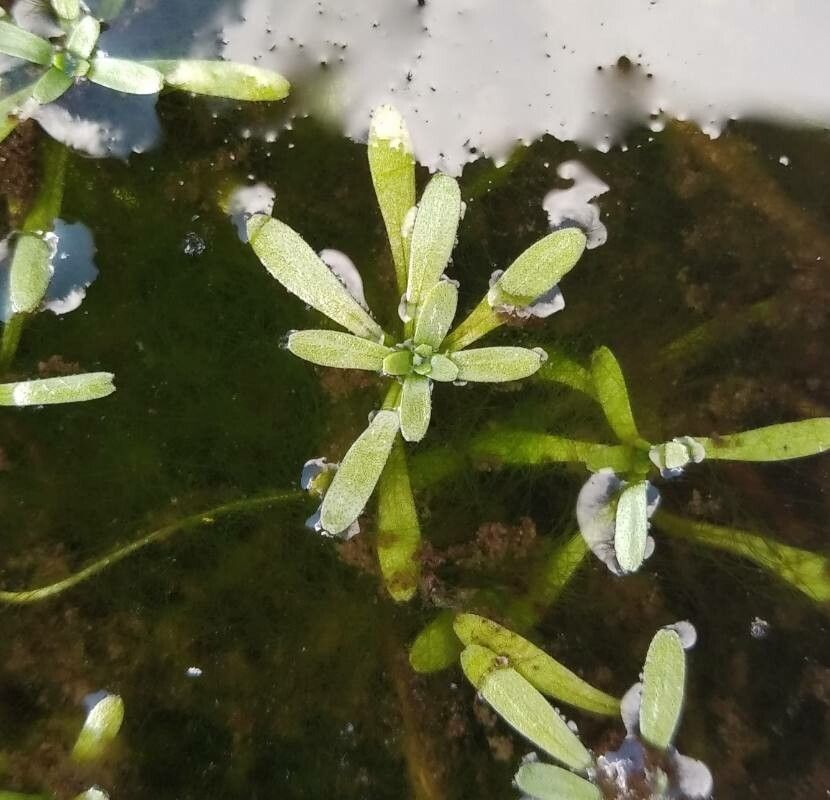
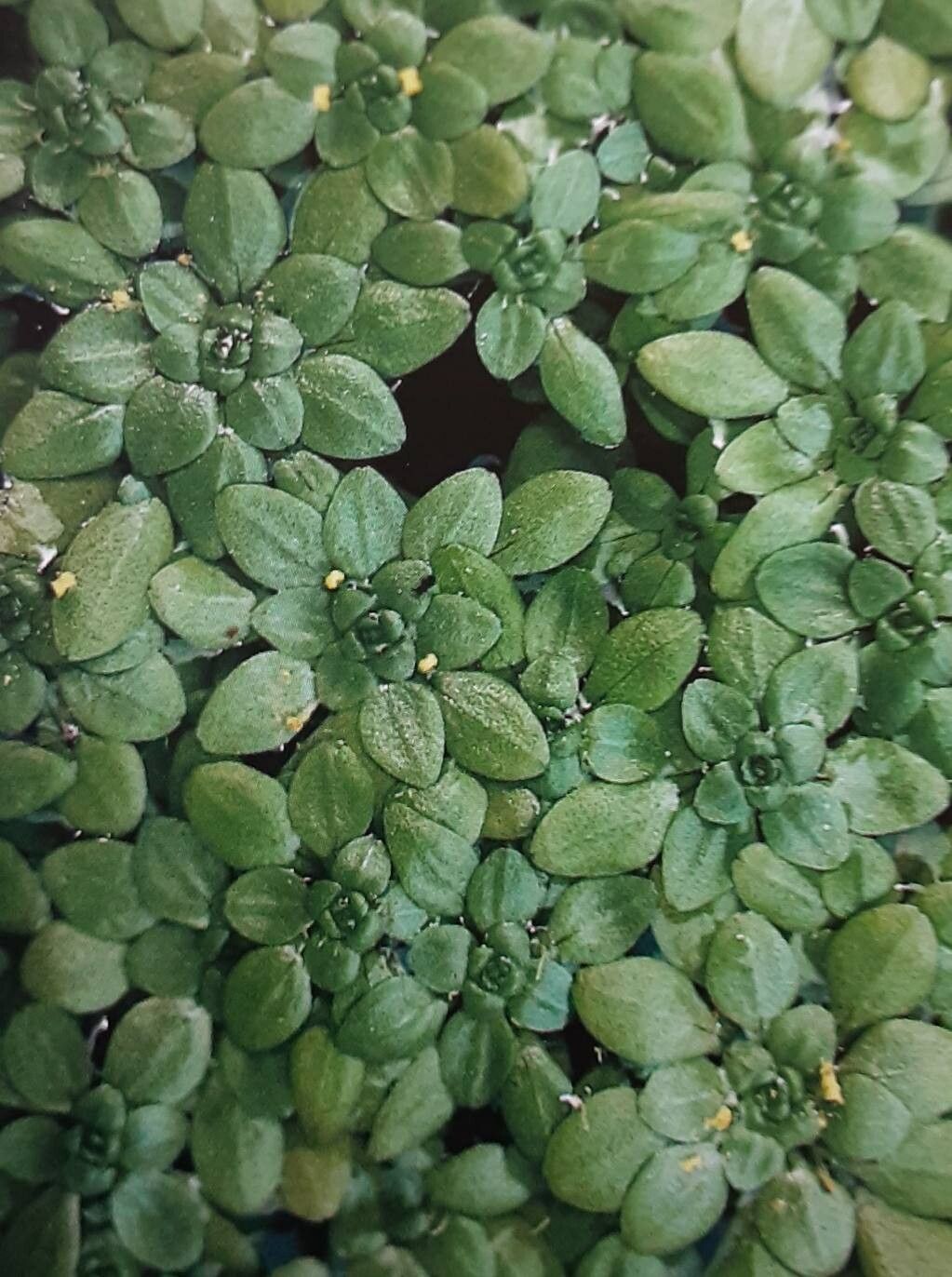
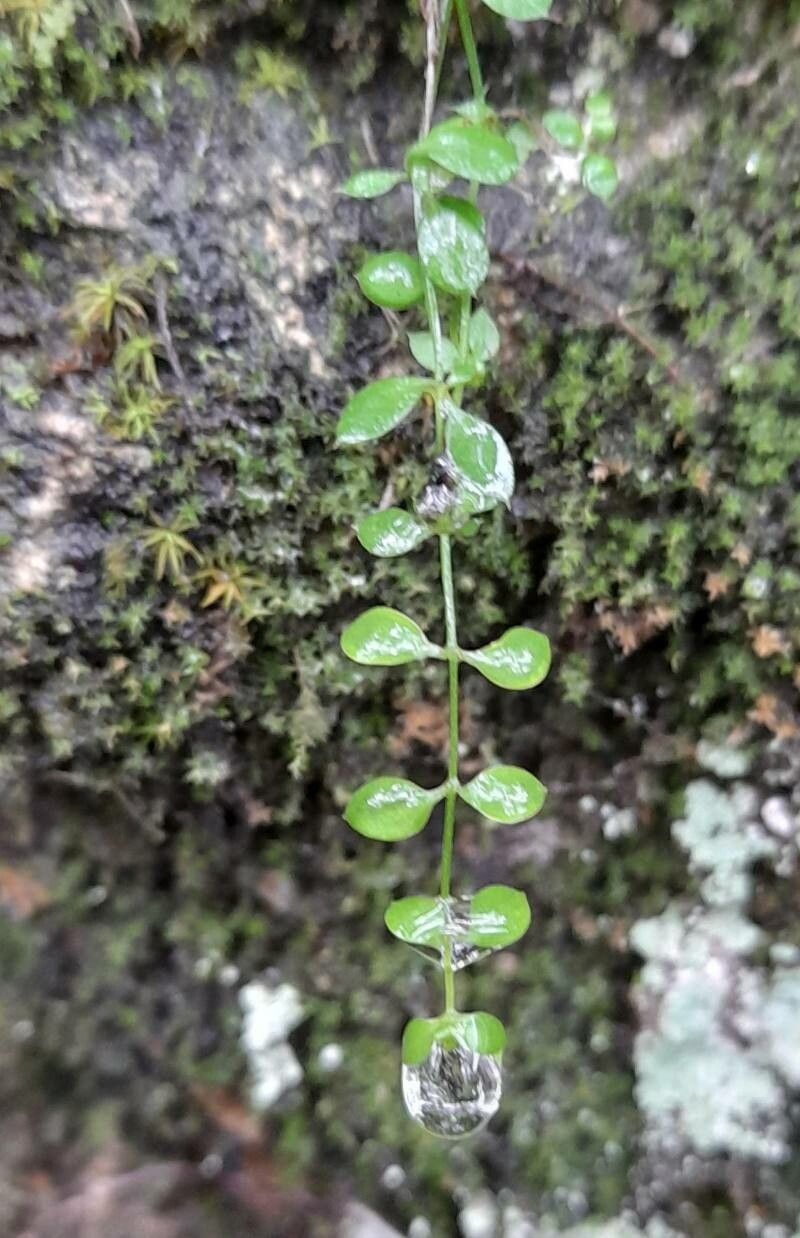
Callitriche obtusangula, commonly known as blunt-fruited water-starwort, is a small aquatic plant in the Plantaginaceae family. It thrives in freshwater habitats such as ponds, lakes, and slow-moving streams. This plant has a prostrate growth habit, with stems that can extend up to 30 cm in length. Its leaves are small, narrow, and oppositely arranged along the stem.
The flowers of Callitriche obtusangula are inconspicuous and greenish-yellow, appearing on short stalks either at the base of the leaves or submerged underwater.
This plant plays a crucial role in aquatic ecosystems by providing food for various aquatic animals such as snails, insects, fish, and waterfowl. Additionally, it helps stabilize sediments on lake bottoms, thereby reducing erosion caused by wave action.
Callitriche obtusangula is considered an indicator species for good water quality due to its sensitivity to pollution levels. Thus, it serves as a valuable tool for monitoring environmental changes caused by human activities such as pollution or habitat destruction.
Overall, Callitriche obtusangula is an important component of freshwater ecosystems. Its ecological significance underscores the need for conservation efforts to preserve biodiversity within these habitats.
Blunt-fruited water starwort is fairly disease-resistant and generally not easily affected by illnesses. Nevertheless, it can be vulnerable to pests and pathogens present in its surroundings. These infections are usually mild. In terms of care, the plant requires moderate maintenance. Regular pruning is needed to preserve a neat appearance and support healthy growth. Fertilizing can also help encourage flowering. Blunt-fruited water starwort is suitable for anyone with outdoor space, such as a garden or patio, and does not demand extensive care experience. It may need more attention when grown indoors.
How to keep Callitriche Obtusangula.
Temperature
Blunt-fruited water starwort can tolerate a wide range of temperatures, though its range may still be restricted by particular combinations of moisture and heat. It grows best in warm summer conditions with sufficient rainfall or watering. Long periods of cloudy, rainy weather or persistently high temperatures increase the risk of the plant dying. In winter, shielding it from cold improves its chances of survival.
Fertilizer
Blunt-fruited water starwort responds well to frequent, mild fertilizer applications to encourage healthy leaf development. You should fertilize Blunt-fruited water starwort roughly once a month during the summer. Nitrogen is essential for foliage, and supplying nitrogen-rich sources helps Blunt-fruited water starwort thrive.
Botanical profile.
- Plant Type
- Herb
- Life Cycle
- Annual
- Genus
- Callitriche
- Family
- Plantaginaceae
- Hardiness Zone
- 3-8
- Leaf Type
- Deciduous
- Native Area
- Tunisia, Austria, Greece, Croatia, Morocco, Germany, Italy, Spain, Switzerland, Netherlands, France, Albania, Ireland, United Kingdom, Algeria, Belgium, Portugal
Other names.