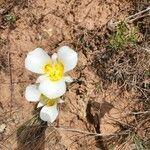
Calochortus nuttallii
Sego Lily · Sago lily
Description
Source: leafsnapCalochortus nuttallii, also known as the sego lily, is a bulbous perennial plant that is endemic to the Western United States. It is the state flower of Utah.
🎭 Protection and undoing love spells. It symbolizes danger, caution and deadly beauty. Yellow: “I’m walking on air”; gaiety. White: sweetness, purity. Tiger: wealth, pride. Orange: wealth. Calla: Beauty day
Care Guide
💧 Water 1-2 times a week
The sego lily, native to arid regions, is drought-tolerant and thrives in dry conditions between waterings. For optimal health, it should receive water once a week. Its bulbous structure allows it to store water efficiently, which helps it survive variable rainfall in open fields and on slopes.
How should I water my Sego Lily plant?
To properly water the Sego Lily, it is recommended to use filtered water at room temperature. Tap water may have harmful particles, so filtering it is preferable. The Sego Lily originated from a warm environment, so it's important to avoid using cold water as it may shock the plant. Additionally, it is advised to avoid overhead watering as it can cause issues with the foliage. Instead, water the plant by applying filtered room temperature water directly to the soil until it is completely saturated. This helps moisturize the roots and supports their growth and nutrient absorption.
What do I need to do if I give my Sego Lily plant too much or too little water?
Both overwatering and underwatering can harm the health of your Sego Lily, but overwatering is more common. When this plant gets too much water, its stems and leaves may wilt and turn yellow. Overwatering for a long time can also cause diseases like root rot, mold, and mildew, which can be fatal to your plant. Underwatering is less likely for the Sego Lily because it can tolerate drought. However, underwatering can still happen, resulting in brittle and brown leaves. It's important to notice signs of overwatering quickly. Some diseases caused by overwatering, like root rot, may not be fixable if you wait too long. If you see early signs of overwatering, reduce watering immediately. Check the soil quality where your Sego Lily is planted. If it doesn't drain well, replace it with a loose, well-draining potting mix. If your Sego Lily shows signs of not getting enough water, simply water regularly until the signs improve.
How frequently do I need to water my Sego Lily plant?
If your Sego Lily plant is in a pot, the most accurate way to determine if it needs water is by checking the soil. Simply stick your finger into the soil and if the top two to three inches feel dry, it's time to water. For Sego Lily plants grown outdoors in the ground, you can use a similar method. Again, check the top few inches of soil and if it's dry, it's time to water. Typically, during the spring and early fall, watering once a week using this method is sufficient. However, during extremely hot weather, you may need to increase watering frequency to twice or more per week. It's worth noting that mature, well-established Sego Lily plants are impressive in their ability to withstand drought.
How much water does my Sego Lily plant need?
To properly water your Sego Lily, don't be afraid to give it a generous amount of water. Wait until the top two to three inches of soil are dry before watering. Make sure to thoroughly soak the soil by adding enough water that it drains out of the bottom of the pot. If you see water pooling in the pot, you've added too much. On the other hand, if there's no excess water draining, you haven't watered enough. Avoid letting water accumulate in the soil as this can harm the plant. If you're watering an outdoor plant, one inch of rain per week should be sufficient. Remember, good drainage is important for the health of your Sego Lily, so avoid poorly draining soils.
How do I water my Sego Lily at different times when it is growing?
The water needs of the Sego Lily can vary throughout its life. When the plant is in its early years or has been recently transplanted, it requires more water than usual. During these stages, the Sego Lily focuses on developing new roots that will support future growth. These roots need extra moisture to thrive. As the plant matures, its water needs decrease. However, another stage in which the plant may require more water is during blooming. The development of flowers requires a significant amount of moisture, so additional watering may be necessary at this time.
☀️ Light Full sun
Sego Lily prospers with abundant sunlight, which encourages vigorous growth. It can tolerate a certain amount of shade but requires mostly sunny conditions consistent with its native habitat. Too much or too little light can produce weaker plants or impede flowering.
What are the sunlight requirements for Sego Lily?
Sego Lily requires significant sunlight to thrive, with optimal growth in conditions that offer full sun, or above 6 hours of sunlight daily. It can also tolerate partial sun, which means about 3-6 hours of sunlight. This sun exposure fosters robust growth and is vital since the Sego Lily is native to sunny environments. Insufficient sunlight may lead to weaker plants or hindered flowering, highlighting the importance of choosing planting spots that balance light and shade effectively to ensure the plant's happiness.
Can Sego Lily grow with artificial lighting?
Yes, Sego Lily can grow under artificial lighting, which is especially helpful when natural sunlight is lacking, such as during winter or in less sunny indoor spaces. For optimal growth, indoor plants may require artificial lights to supplement natural sunlight. When choosing artificial lighting, LED lights are advised due to their customizable spectrum that meets the needs of plants. The requirement for artificial light varies based on the type of plant, with full sun plants needing 30-50W/sq ft, partial sun plants 20-30W/sq ft, and full shade plants 10-20W/sq ft. The light source should be placed 12-36 inches above the plant to mimic natural sunlight conditions, ensuring plants receive about 8-12 hours of light per day.
What are common signs of inadequate lighting for Sego Lily?
Common signs of inadequate lighting in Sego Lily include smaller new leaves, leggy or sparse growth, earlier than usual leaf drop, slower or ceased new growth, and lighter-colored or irregularly colored new leaves. Additional symptoms may include chlorosis, where leaves lose their green color, sunscald from excessive light exposure, leaf curling in reaction to extreme sunlight, wilting due to increased transpiration, and leaf scorching characterized by brown, dry edges on leaves. These symptoms indicate the plant's struggle with its light environment, pointing to either too much or too little light.
How can you manage inadequate sunlight exposure for Sego Lily?
Managing inadequate sunlight for Sego Lily involves gradually acclimatizing the plant to receive more natural sunlight, aiming for at least 6 hours daily. For indoor plants, this may include using a south-facing window and keeping curtains open or supplementing with artificial light like desk lamps or grow lights for at least 8 hours a day. Outdoor plants should be moved to sunnier spots gradually to prevent sunburn. If obstruction by trees is an issue, consider pruning to improve sunlight access. For smaller plants, transplanting during the dormant season to a location with better sunlight and drainage can help. It's critical to understand that parts of the plant already damaged by light deficiency may not recover, but new growth should be healthy with improved light conditions.
🌡️ Temperature 0–32.2°C
Sego Lily grows naturally in areas where temperatures range from 32 to 90 °F (0 to 32 ℃). It favors cooler conditions and will require suitable seasonal adjustments to accommodate that preference.
What is the native environment temperature range for Sego Lily?
Sego Lily, scientifically known as Calochortus nuttallii, thrives in environments with a temperature range from 32 to 90 °F (0 to 32 °C). It prefers cooler conditions and requires adjustments in care throughout the different seasons to maintain this preference. Being highly cold-tolerant, the Sego Lily does not need extra frost protection measures in winter. However, it's advisable to water the plant generously before the first freeze in autumn to ensure the soil stays moist and freezes properly, helping to prevent drought and water scarcity during winter and early spring.
How should I care for my Sego Lily during very low temperatures?
Sego Lily is extremely tolerant of cold, capable of withstanding winter temperatures above -35°C. Despite its resilience, if the temperature falls below this limit, the plant may experience decreased sprouting or fail to sprout at all come spring. To manage this, any parts of the plant that have not sprouted by spring should be removed to encourage healthier growth.
What should I do if my Sego Lily is exposed to high temperatures?
Exposure to temperatures above 32°C can halt the growth of Sego Lily and make it more prone to rot. To protect the plant, trim away any sunburned or dried-up parts. Relocate the plant to a shadier spot or use a shade cloth to protect it from the intense midday and afternoon sun. Watering the plant in the morning and evening can also help keep the soil moist and reduce the stress of high temperatures on the Sego Lily.
💨 Humidity
🪴 Soil 6-7
🌱 Fertilizer
For Sego Lily, the primary time to apply fertilizer is in early spring as the flowers begin to form. The appropriate fertilizer promotes better blooms and helps the Sego Lily produce attractive flowers. Fertilizing in early spring ensures strong flowering during the season and supplies energy for dormant growth phases.
Why do I have to put plant food on my Sego Lily?
The main structure of the Sego Lily is made up of its leaves, and fertilization is vital for maintaining their appearance and function. By properly fertilizing, you can ensure that the leaves of your Sego Lily have a consistent color and a healthy texture. Fertilization also benefits the plant below the soil's surface by promoting the growth of new roots and maintaining existing ones. This not only keeps the plant healthy in the present, but also improves its ability to absorb nutrients from the soil in the future.
When should I put fertilizer on my Sego Lily?
If you grow your Sego Lily outdoors each year, it will send out new growth in early spring. This is when you should start fertilizing it. You can usually get by with just one application of fertilizer in the spring, but if you want your Sego Lily to grow as much as possible, you can fertilize it multiple times throughout the spring and early summer. In that case, you can feed it about once every month to a month and a half.
When is it not a good idea to fertilize my Sego Lily plant?
During late fall and winter, your Sego Lily goes into a dormant phase and stops producing new growth. So, avoid fertilizing it during this time. As for spring and summer, if you do fertilize, start reducing the rate as summer approaches because the Sego Lily's growth rate slows down. Remember, it's not advisable to fertilize your Sego Lily during extremely hot weather or when the soil is very dry. Doing so can stress the plant and lead to premature death.
Which fertilizer should I use for my Sego Lily plant?
Choosing the right fertilizer for a Sego Lily is actually quite easy. These plants do well with a general-purpose garden fertilizer that contains equal amounts of nitrogen, phosphorus, and potassium (such as a 10-10-10 ratio). It's important to avoid fertilizers with high nitrogen content if you're unsure. Granular fertilizers that are slow-release are usually the best option for Sego Lilies. They're simple to apply to the soil. Additionally, feeding the Sego Lily with an organic soil amendment like compost can be beneficial.
How can I give my Sego Lily plant plant food?
To ensure proper growth and nourishment for your Sego Lily, wait until you see the first leaves emerging in early spring. Once you notice this, apply a balanced granular slow-release fertilizer to the soil surrounding the base of the plant. You can choose to repeat this process later in the season if desired. When applying fertilizer again, make sure to focus on the soil at the base of the plant instead of directly on the plant itself. This may involve moving some leaves to access the soil above the roots. Additionally, it is recommended to water your Sego Lily before and after feeding it for optimal results.
🪴 Pot & Repot
✂️ Pruning
The Sego Lily is known for its striking flowers and grass-like foliage, and it requires minimal pruning. To promote growth and maintain health, trim faded blooms and remove dead leaves from early to late spring. When handling the plant, be gentle to protect its delicate stems. Proper pruning improves air circulation and helps prevent the spread of disease.
🌿 Propagating
🐛 Diseases & pets
☠️ Toxicity
Due to the non-toxic characteristics of the Sego Lily, many western Native Americans believed it to be a delicacy. During the middle of the nineteenth century, an infestation of crickets ravaged the crops of the Mormon pioneers. The Native Americans advised the starving Mormon settlers on how to locate and harvest sego lily bulbs for food. This is why the Sego lily was selected as the Utah state flower.
Characteristics
- Plant Type
- Herb
- Life Cycle
- Perennial
- Genus
- Calochortus
- Family
- Liliaceae
- Hardiness Zone
- 3-7
- Mature Height
- 30 cm to 91 cm
- Mature Spread
- 15 cm
- Leaf Color
- Green, Gray, Silver
- Leaf Type
- Evergreen, Deciduous
- Flower Color
- White, Yellow, Purple, Red, Pink, Brown
- Flower Size
- 2.54 cm to 5.08 cm
- Bloom Time
- Late spring, Early summer
- Planting Time
- Spring
- Harvest Time
- Mid summer, Late summer
- Native Area
- North American Midwest states including Colorado, Nebraska, North & South Dakota, Utah, Idaho, and Wyoming