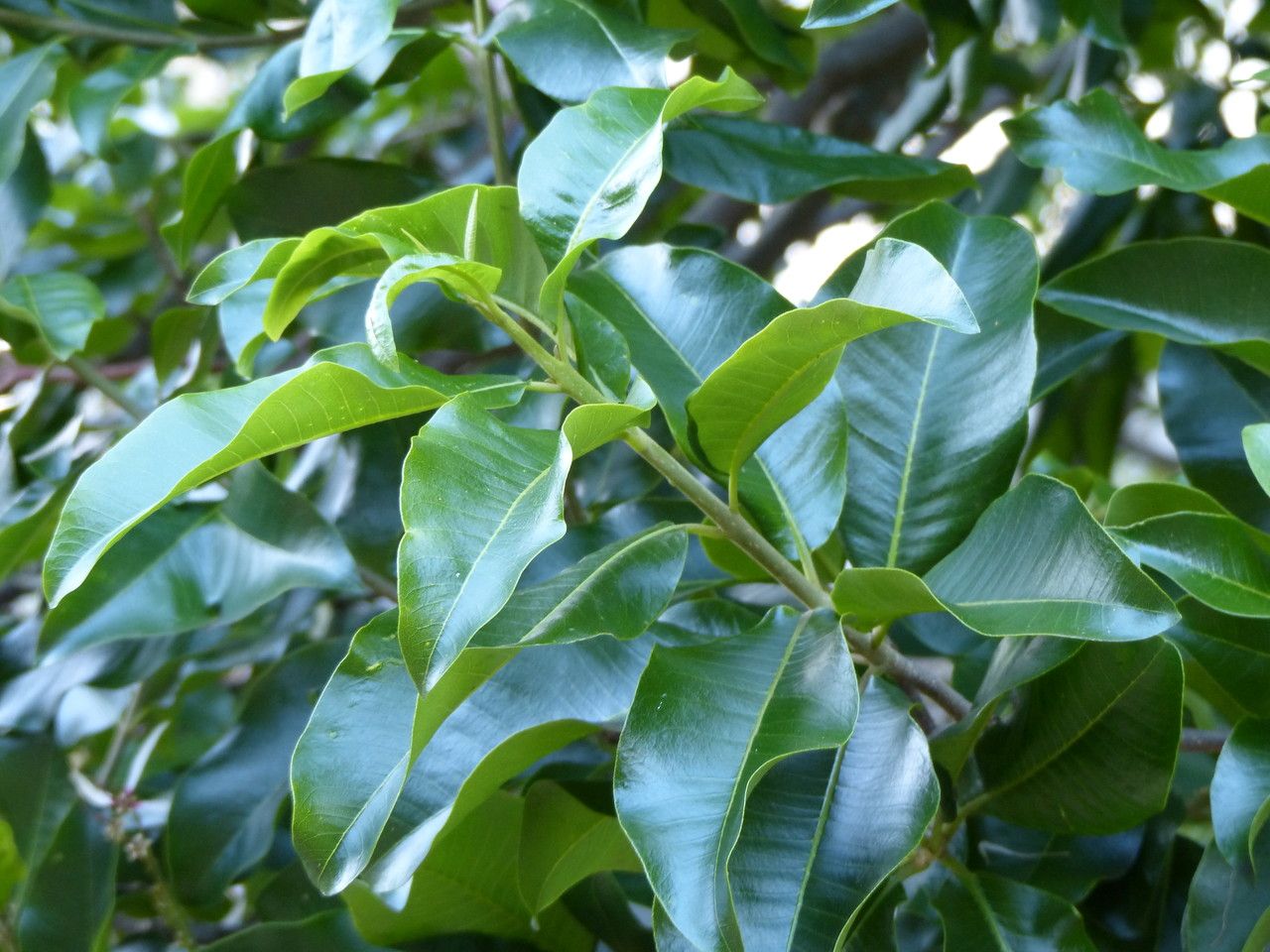
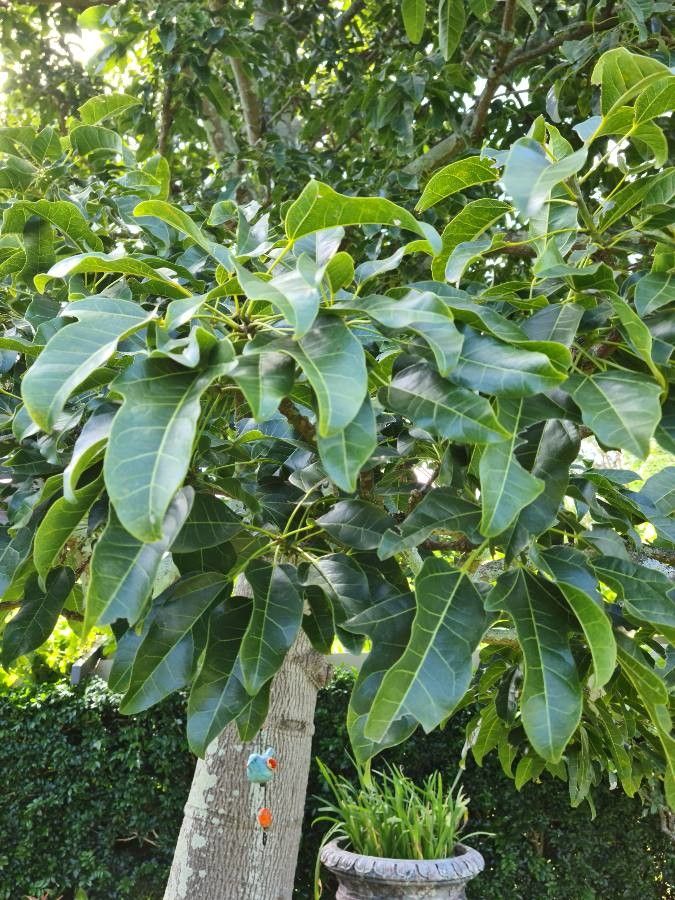
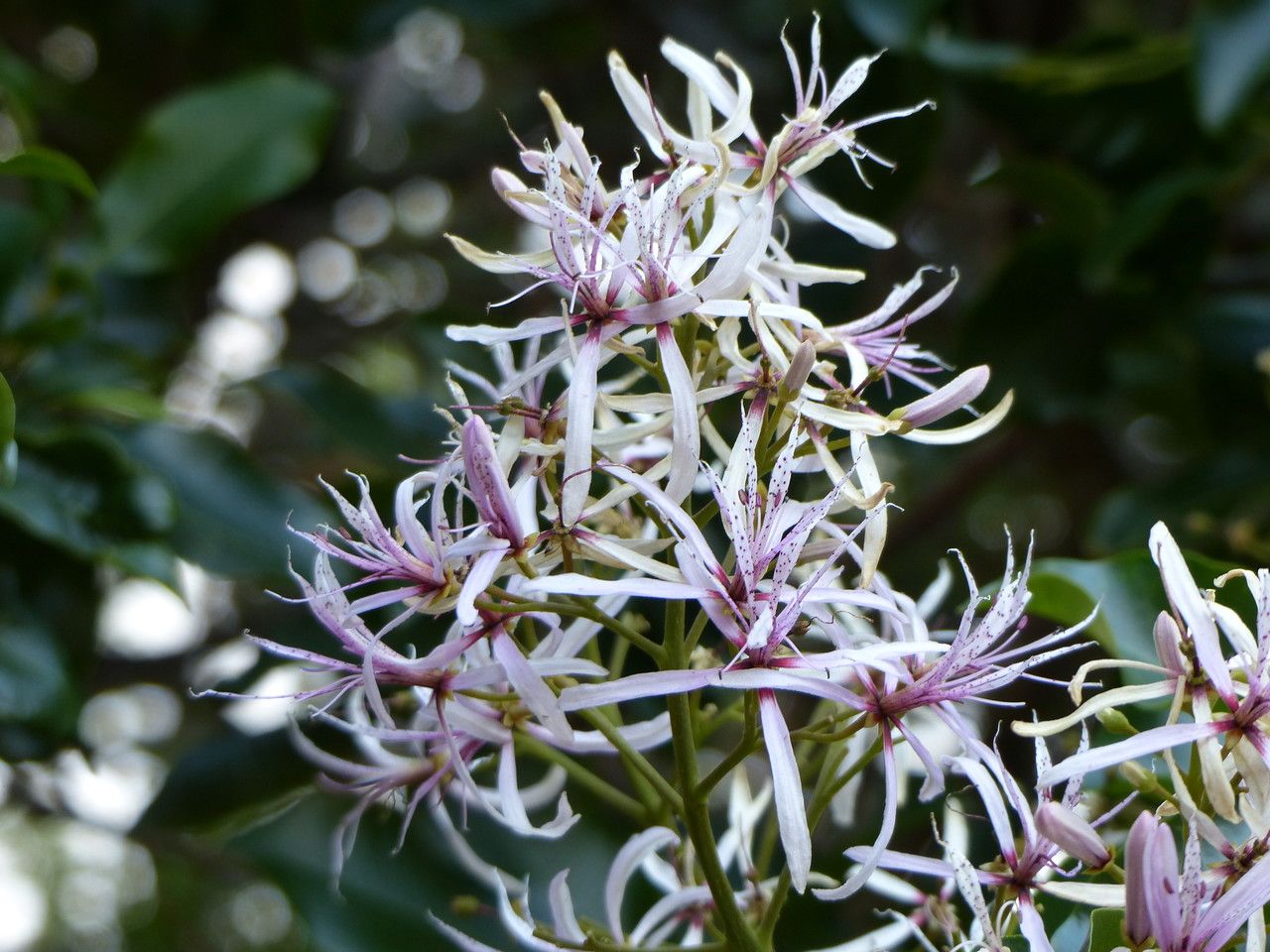
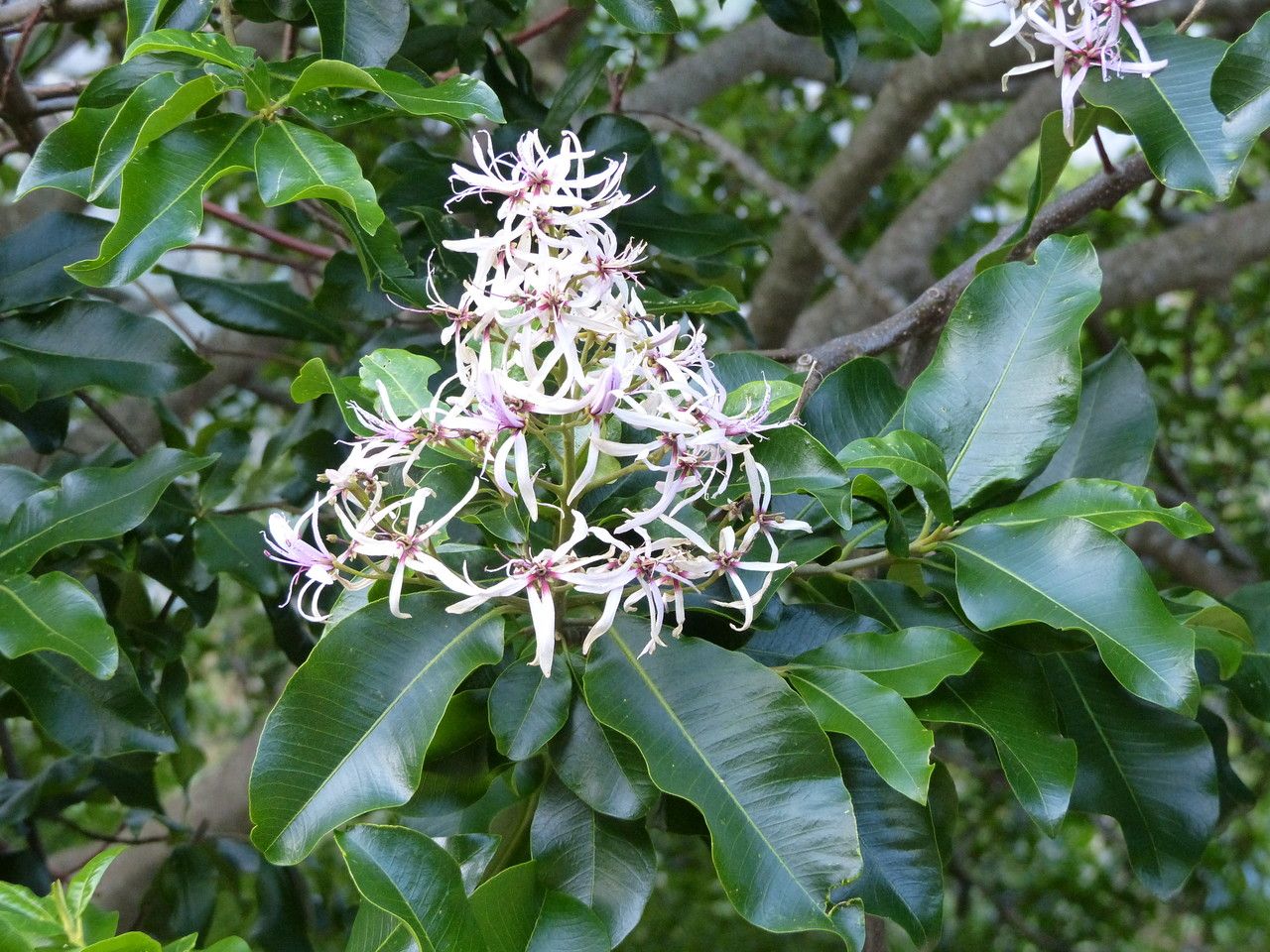
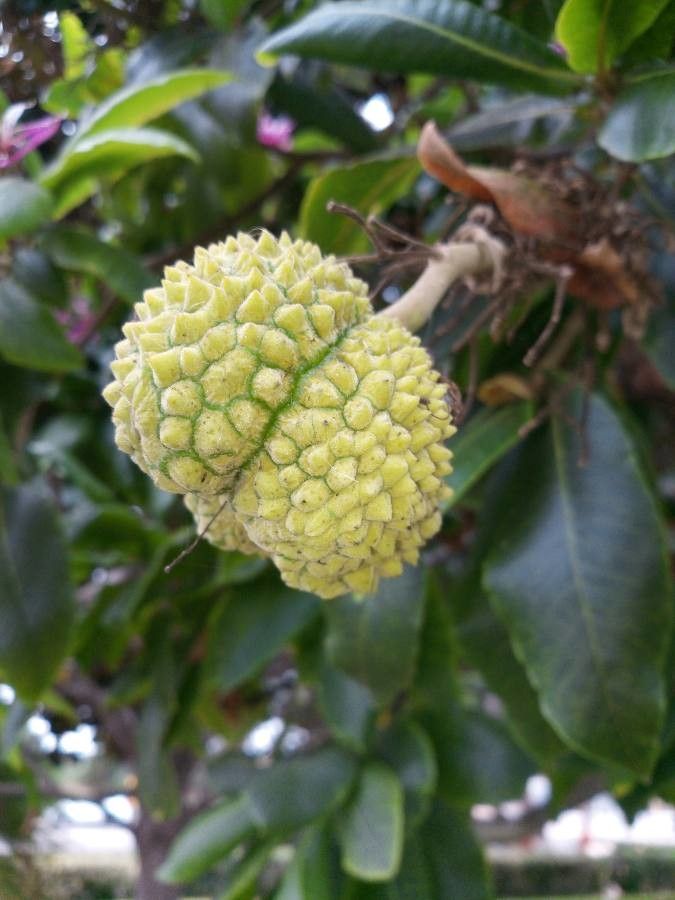
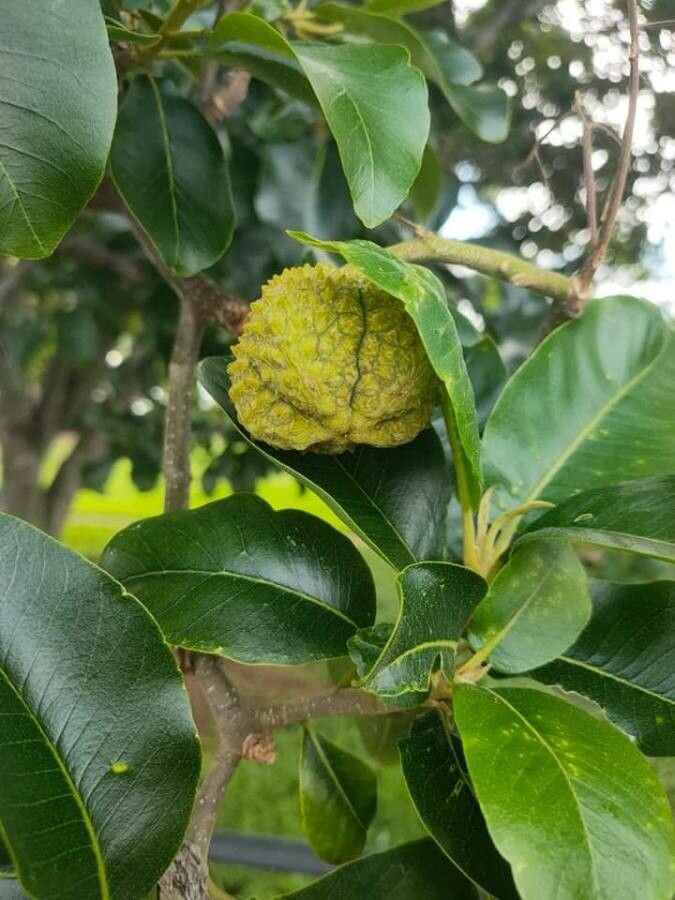
Calodendrum capense, the Cape chestnut, is an African tree which was first studied at The Cape in South Africa and cultivated widely for its prolific flower display. The tree obtained the common name of "Cape chestnut" because explorer William Burchell saw a resemblance to the horse chestnut in terms of flowers and fruit, though the two are not closely related.
Cape chestnut is resistant to disease and is generally not susceptible to illnesses. Regarding care, this plant is fairly low maintenance. When grown outdoors it needs only minimal watering, and larger specimens typically do not require pruning. Smaller plants, however, should be pruned after they have finished blooming. Cape chestnut is suitable for anyone with outdoor space, such as a garden or deck, and does not demand extensive care experience.
How to keep Calodendrum Capense.
Light
Cape chestnut does best when it receives abundant sunlight, reflecting its origin in an environment of continual sunshine. Its growth can be limited if it is not given enough light. If the light is too intense, cape chestnut may develop leaf scorch.
Water
The Cape chestnut, native to subtropical regions, requires moderate watering every three weeks, allowing the soil time to dry between waterings. It can withstand short periods of drought, showing moderate drought resistance. While the Cape chestnut grows best outdoors, it thrives in well-draining soil that also retains enough moisture to support its optimal growth.
Humidity
This plant will thrive in moderate humidity, which is probably the level in your home. However, misting it a few times a week can be very beneficial. Make sure the room has good ventilation.
Temperature
Cape chestnut is indigenous to temperate regions, flourishing at temperatures of 68 to 100 °F (20 to 38 ℃). It can endure slight variations, but steady conditions within that range promote the best growth.
Fertilizer
The best time to fertilize a Cape chestnut is in early spring, when it emerges from dormancy. This encourages overall growth and supports flower development. Fertilizing improves the foliage, stems, and branches, while encouraging large, vibrant, and long-lasting flowers. It helps move nutrients from the roots to the flowers and enhances the plant’s health and resistance to disease.
Pruning
The Cape chestnut is an evergreen tree prized for its fragrant blooms and dense canopy. To care for it properly, prune in early spring by removing dead branches and thinning out crowded areas. Be careful to limit your cuts to no more than one-third of the tree to prevent stress. Regular pruning not only enhances flowering but also improves the tree's overall health.
Botanical profile.
- Plant Type
- Tree
- Life Cycle
- Perennial
- Genus
- Calodendrum
- Family
- Rutaceae
- Hardiness Zone
- 9-11
- Mature Height
- 20.12 m
- Mature Spread
- 10.06 m
- Leaf Color
- Green
- Leaf Type
- Semi-evergreen, Deciduous
- Flower Color
- Pink
- Flower Size
- 20.32 cm
- Bloom Time
- Mid spring, Late spring, Early summer
- Planting Time
- Spring, Summer, Autumn
- Harvest Time
- Late summer, Early fall, Mid fall
- Native Area
- Malawi, Lesotho, Mozambique, South Africa, Eswatini, Kenya, Uganda, Tanzania, Zimbabwe
Other names.
Reader questions.
How should I water my Cape chestnut tree in the best way?
Here are some tips for watering your plants effectively: 1. Place a garden hose at the base of each plant to promote good root development. Avoid spraying water directly on the leaves. If the plants are outdoors and exposed to direct sunlight, the leaves may need more frequent watering. 2. Consider using bubblers that can be attached to each plant to keep the roots moist. Another option is to use soaker hoses that cover the entire garden or bed. This is especially useful when adding or removing plants, as it helps the roots soak up water more deeply. 3. After watering, make sure to drain any excess water and allow the soil to dry before watering again. Watering at ground level helps prevent diseases. 4. On a sunny day, it may be beneficial to spray the entire bush with water. This can provide some relief to the plants and help them stay hydrated. 5. Whether your plants are in pots or in the ground, keep in mind that Cape chestnuts prefer deep watering rather than light sprinkling. By following these watering techniques, you can ensure that your plants receive adequate moisture for healthy growth.
Why should I add fertilizer to my Cape chestnut plant?
Fertilization plays a crucial role in the overall health and well-being of a Cape chestnut. By providing the necessary energy and nutrients, it promotes the growth of healthy foliage, sturdy stems, and branches. Additionally, fertilization enhances the value of the Cape chestnut by promoting the growth of large, vibrant, and long-lasting flowers, which are highly prized by gardeners. This happens because the right fertilizer enables the plant to efficiently transfer fuel from its roots to its flowers through the stems. Furthermore, proper fertilization maintains the plant's overall health and strengthens its ability to resist diseases.
What are the sunlight requirements for a Cape chestnut plant?
A Cape chestnut plant requires full sun, defined as above 6 hours of sunlight daily, to thrive. It's essential to observe the sunlight pattern in your garden to find a location that offers a balance of light and shade, suitable for the plant's well-being. The plant originates from a habitat abundant in sunlight, and inadequate light can stunt its growth. Conversely, extreme sunlight may lead to leaf scorch. Proper positioning to ensure the right amount of sunlight is crucial for the health and happiness of your Cape chestnut.
What is the native environment of the Cape chestnut?
The Cape chestnut is native to temperate environments and thrives in temperatures ranging from 68 to 100°F (20 to 38°C). It prefers a consistent climate within this temperature range for optimal growth. Being extremely heat-loving, the Cape chestnut can suffer from exposure to cold temperatures. To ensure its health, particularly in the autumn and winter months, it is advised to bring outdoor-grown Cape chestnuts indoors, placing them near a bright window but away from direct heat sources to maintain temperatures above 20°C, as temperatures nearing or dropping below 0°C can be highly detrimental to the plant.
What do I do if I give the Cape chestnut tree too much or too little water?
An overwatered Cape chestnut may exhibit symptoms such as yellowing, dropping, and wilting leaves. The plant may also appear unhealthy with mushy stems. When these signs appear, it's best to adjust your watering schedule. Wilting can also indicate under watering, which can be identified by crispy, dry leaves. In such cases, check the soil and provide a thorough watering if it is dry. Sufficient water will aid in the Cape chestnut's recovery, but the plant may still have dry, yellow leaves due to root damage. Once the plant returns to normal, the yellowing of leaves will cease. For indoor Cape chestnuts, always monitor moisture levels and avoid overwatering. Look for black spots as an indication of excess moisture, and let the soil dry out by refraining from watering for a few days. Overwatering can lead to root rot, so if discolored and slimy roots are present, consider transferring the plant to a different pot. Preventing root rot is crucial, so do not let the soil become overly soggy. When planting Cape chestnuts outdoors, ensure that the soil is adequately moist by checking its dryness with your fingers. Proper watering is necessary for the plant's recovery.
When should I fertilize my Cape chestnut tree?
To ensure optimal growth and flower development for your Cape chestnut, it is recommended to fertilize during early spring as it emerges from dormancy and prepares to bloom. This initial feeding provides the plant with ample energy for overall growth. However, there is another suitable time for feeding in the fall, although a smaller amount of fertilizer is sufficient. Some gardeners opt to fertilize during planting, although this step may not always be necessary.
How can artificial lighting support the growth of Cape chestnut indoors?
When natural sunlight is insufficient, especially in winter or less sunny spaces, artificial lighting becomes crucial for the growth of indoor Cape chestnut plants. LED lights are recommended for their ability to provide specific light wavelengths needed by plants. For full sun plants, 30-50W/sq ft of artificial light is needed, while partial sun plants require 20-30W/sq ft, and full shade plants need 10-20W/sq ft. The light source should be positioned 12-36 inches above the plant, and it should mimic natural daylight hours, with most plants requiring 8-12 hours of light daily.
How does low temperature affect Cape chestnut, and what are the solutions?
Low temperatures are not tolerated well by the Cape chestnut, which thrives best when the temperature remains above 20°C. In conditions where the temperature falls below -5°C, the leaves might lighten in color before gradually turning brown or black. These temperature drops can also lead to symptoms like wilting and drooping. To address these issues, it's important to trim off the frost-damaged parts and move the plant to a warm environment indoors immediately for cold protection. Positioning the plant near a south-facing window ensures ample sunlight, but it should be kept away from direct heat of heaters or air conditioning vents to avoid excessive dryness.
How often should I give water to my Cape chestnut plant?
The Cape chestnut prefers deep, infrequent watering, especially when planted in pots. Due to limited water storage in pots, the soil dries out faster and requires watering every 3 to 5 days in cold regions. It's best to water early in the morning when the soil is dry, both indoors and outdoors. You can check if watering is needed by feeling the soil - when the top 2-3 inches are dry, it's time for a full watering. During hot days, moisture should be checked daily as the heat quickly dries out pot soil. For gardens, irrigation is necessary. In hot climates, watering once a week is recommended, but ensure the top 2-3 inches of soil are dry before watering. Take rainfall into account and avoid overwatering to prevent root rot. Cape chestnut plants typically grow in spring and fall. Applying 3-4 inches of mulch when outdoors helps conserve water. Sandy soil requires more frequent watering, while clay soil can go 2-3 days without watering to avoid root rot. Marking the watering dates on a calendar can help track watering frequency, especially if the plants' leaves start to droop.
When is the best time to not fertilize my Cape chestnut?
During the winter, Cape chestnuts do not require fertilization like many other plants. They enter a dormant phase where they don't need much energy from the soil to grow. Fertilizing in winter can lead to negative effects of overfertilization. The optimal times to feed a Cape chestnut are in early spring and fall. This means that for most of spring and summer, the plant won't need fertilizer. It's also advisable to avoid feeding if the plant is facing extreme heat or dry conditions.
What symptoms indicate insufficient light for a Cape chestnut?
Symptoms of insufficient light in Cape chestnut include smaller new leaves than the older ones, leggy or sparse growth, faster leaf drop, slower or halted new growth, paler new leaves indicating a lack of chlorophyll, chlorosis (leaves turning yellow), sunscald, leaf curling, wilting, and leaf scorching. These symptoms suggest the plant is not receiving enough sunlight, which is vital for its growth and health.
What should be done if the Cape chestnut is exposed to high temperatures?
During summer, it is crucial to keep the Cape chestnut in conditions below 38°C to prevent heat stress. Should the temperature exceed 43°C, the plant's leaves may lighten in color indicating stress, and it becomes more susceptible to sunburn. To mitigate these effects, trim away the sunburned and dried-up parts. Then, relocate the plant to an area where it can enjoy shade, especially from the midday and afternoon sun, helping to protect it from further damage. To assist in keeping the Cape chestnut healthy during high temperatures, ensure the soil remains moist by watering the plant during the cooler times of day, such as morning and evening.