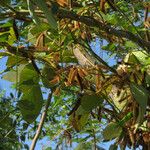
Calopogonium mucunoides
Calopo · Wild ground nut · Male-fern
Description
Source: leafsnapCalopogonium mucunoides, called calopo and wild ground nut, is a species of flowering plant in the family Fabaceae, native to the New World Tropics, and introduced as a forage crop and a green manure to the tropics of Africa, Madagascar, the Indian Subcontinent, Asia, Malesia, Papuasia, and Australia. In some locales it has become a serious invasive species.
Care Guide
💧 Water
Calopo thrives in tropical settings, where it enjoys consistent moisture and high humidity. Water it weekly to encourage lush growth, although it can withstand short dry spells. In regions with seasonal rains, adjust your watering schedule to avoid overwatering, particularly when it is grown outdoors in warm climates.
☀️ Light Full sun
Calopo prefers locations exposed to sunlight for the entire day. Few plants can tolerate such constant brightness, yet this is where it prospers. Continuous sun exposure fosters rapid growth and strong health. A lack of light can prevent calopo from reaching its full size, while too much rarely causes trouble.
🌡️ Temperature 20–37.8°C
Calopo is native to warm climates and grows best at temperatures of 68 to 100 °F (20 to 38 ℃). If temperatures drop below this preferred range, seasonal adjustments may be needed, possibly including moving calopo to a warmer environment.
What climate does Calopo thrive in?
Calopo is native to warmer climates and thrives particularly well in temperatures ranging from 68 to 100°F (20 to 38°C). It is extremely heat-loving and may require seasonal adjustments if temperatures drop below this preferred range. For instance, during the autumn, it's recommended to bring outdoor-grown Calopo indoors and place it near a bright window, albeit at a specific distance from heaters to ensure it's not exposed to cold temperatures that can cause harm. Maintaining temperatures above 20°C during winter is beneficial for the plant's growth, as any temperatures nearing 5°C can be detrimental.
How does low temperature affect Calopo and what are the solutions?
Calopo prefers warm temperatures and struggles in cooler environments. It thrives best when the temperature remains above 20°C. During winter, it should be kept in conditions above 5°C to avoid damage. Exposure to temperatures below 1°C can result in the leaves lightening in color, and following frost damage, they may turn brown or black. Wilting and drooping are also common symptoms of cold damage. To remedy this, trim off the frost-damaged parts and immediately move the plant indoors to a warm, sunny spot, ideally near a south-facing window. It's important to avoid placing the plant near heaters or air conditioning vents to prevent the air around it from becoming too dry.
How does high temperature affect Calopo and what solutions can mitigate damage?
During the summer, it's important to ensure that Calopo's environment doesn't exceed 38°C. Temperatures above 43°C can cause the plant's leaves to lighten in color and increase its susceptibility to sunburn. If such conditions occur, sunburned and dried-up parts of the plant should be trimmed away. To help the plant recover and prevent further damage, it's advisable to move it to a location that provides shade from the midday and afternoon sun. Additionally, watering the plant in the morning and evening can help to keep the soil sufficiently moist and protect the plant from high temperature stress.
💨 Humidity
🪴 Soil 5-6
🌱 Fertilizer
Calopo needs the greatest amount of fertilizer during its active growth period, which is mainly in spring, summer, and early autumn. Fertilizing is necessary to supply essential nutrients the soil may lack, encouraging strong root and stem growth and enhancing the plant’s attractive foliage, a key characteristic of this species.
🪴 Pot & Repot
✂️ Pruning
Calopo benefits from pruning in the early to late spring, which promotes healthy growth and helps control its spread. It's best to perform regular, light trimmings rather than heavy pruning. Consistent maintenance not only improves the plant's appearance but also prevents overcrowding. To reduce the risk of disease, always use clean, sharp tools.
🌿 Propagating
🐛 Diseases & pets
☠️ Toxicity
Characteristics
- Plant Type
- Herb, Vine
- Life Cycle
- Perennial
- Genus
- Calopogonium
- Family
- Fabaceae
- Hardiness Zone
- 10-12
- Mature Height
- 4.88 m
- Mature Spread
- 0.91 m to 2.13 m
- Leaf Color
- Dark Green
- Leaf Type
- Deciduous
- Flower Color
- Purple
- Flower Size
- 20.32 cm
- Bloom Time
- Summer, Early fall, Mid fall
- Planting Time
- Spring, Summer, Autumn
- Harvest Time
- Late summer, Fall, Early winter
- Native Area
- Belize, Honduras, Mexico, Guatemala, Peru, Dominican Republic, Trinidad and Tobago, Panama, Jamaica, Colombia, Cuba, Argentina, Haiti, Bolivia, Venezuela, Brazil, Guyana, El Salvador, Nicaragua, Ecuador, Suriname, Costa Rica