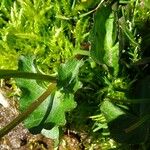
Caltha palustris
Marsh Marigold · Cowflock · Cowslip · Meadow-bright · Kingcup
Description
Source: leafsnapCaltha palustris, known as marsh-marigold and kingcup, is a small to medium size perennial herbaceous plant of the buttercup family, native to marshes, fens, ditches and wet woodland in temperate regions of the Northern Hemisphere. It flowers between April and August, dependent on altitude and latitude, but occasional flowers may occur at other times.
🌳 Yellow marsh marigold functions as an indicator species in wetland habitats, its presence indicating a healthy ecosystem. It has also been used in folk art, to dye textiles, and as a natural pigment in early paintings.
🎭 The riches and authority of kings
Care Guide
💧 Water Every week
The yellow marsh marigold flourishes in moist soil, which reflects its wetland origins. To keep the soil sufficiently damp, it needs watering every week. This plant is often cultivated in rain gardens, where it demonstrates its ability to withstand occasional flooding and thrive in water-rich environments.
How should I water my Yellow marsh marigold?
To properly care for the Yellow marsh marigold, use filtered water at room temperature. Tap water can contain harmful particles, so filtered water is best. It is important to use room temperature or slightly warmer water because this plant comes from a warm environment and cold water can be a shock to it. Avoid overhead watering to prevent foliage complications. Instead, apply filtered room temperature water directly to the soil until it is completely soaked. This helps moisten the roots and allows them to spread through the soil and collect necessary nutrients.
What should I do if I give too much or too little water to my Yellow marsh marigold?
Both overwatering and underwatering can harm the health of your Yellow marsh marigold, but overwatering is more common. When this plant gets too much water, its stems and leaves may wilt and turn yellow. Overwatering for a long time can also cause diseases like root rot, mold, and mildew, which can kill your plant. Underwatering is less common because the Yellow marsh marigold is somewhat drought-tolerant. But it can still happen, and you'll notice brittle, brown leaves if it does. It's vital to recognize signs of overwatering early. Some diseases from overwatering, like root rot, can't be fixed if you wait too long. If you see early signs of overwatering, reduce watering right away. Check the soil quality too. If it drains poorly, replace it with a loose, well-draining potting mix. Conversely, if you see signs of under-watering, water more regularly until the signs go away.
How often should I give water to my Yellow marsh marigold?
To determine if your Yellow marsh marigold needs water, it's best to check the soil. If your plant is in a pot, simply stick your finger into the soil. If the top two to three inches are dry, it's time to water. The same method can be used if you're growing the plant outdoors in the ground. Again, if the top few inches of soil are dry, it's time to water. In the spring and early fall, watering about once a week should be sufficient. However, during extremely hot weather, you may need to water more frequently, around twice a week or even more. It's worth mentioning that mature, well-established Yellow marsh marigolds are quite resilient and can tolerate drought conditions.
How much water does my Yellow marsh marigold require?
To properly water your Yellow marsh marigold, make sure to give it a generous amount of water. When the top layer of soil is about two to three inches dry, it's time for a thorough watering. Ensure that the soil is completely soaked by providing enough water, and allow any excess water to drain through the holes at the bottom of the pot. If you don't observe any excess water draining, it means you haven't watered enough. However, be cautious not to let water accumulate in the soil as it can harm the plant. On the other hand, if water doesn't drain well through the pot, this suggests that the soil doesn't drain properly, which is detrimental to the plant's health. In outdoor settings, the plant typically requires about 1 inch of rainfall per week.
How should I water my Yellow marsh marigold as it grows?
The water needs of the Yellow marsh marigold can vary depending on its growth stages. When the plant is in its early years or has been recently transplanted, it requires more water than usual. This is because it invests a lot of energy in developing new roots that will support its future growth. These roots perform best when they receive additional moisture. As the plant matures, it will require less water. Another stage during which the Yellow marsh marigold may need more water is during the bloom period. Flower development requires a significant amount of moisture, so providing extra water at this time may be necessary.
☀️ Light Full sun
The yellow marsh marigold grows best with plenty of sunlight, which supports healthy growth and development. In its natural environments it is typically exposed to abundant daylight. Although it favors ample sun, it can tolerate some light shade. Still, too little light can limit its growth, and too much can be harmful.
What are the sunlight requirements for yellow marsh marigold?
Yellow marsh marigold thrives best in conditions that provide substantial exposure to sunlight. It requires full sun, which means it needs more than 6 hours of sunlight daily, but it can also tolerate partial sun, receiving about 3-6 hours of sunlight. It's essential to watch how sunlight moves through your garden to ensure the yellow marsh marigold is placed in spots that provide a perfect balance of light and shade, allowing for optimal growth and development. However, too much shade or an overabundance of sunlight can negatively affect the plant's health.
How does artificial lighting affect the growth of indoor yellow marsh marigolds?
Indoor yellow marsh marigolds require adequate lighting for optimal growth, especially when natural sunlight is insufficient, such as during winter or in less sunny spaces. Artificial lights, particularly LEDs that can be customized to the specific wavelengths plants need, offer a crucial solution. For full sun plants like the yellow marsh marigold, 30-50W per square foot of artificial light is recommended. The light source should be placed 12-36 inches above the plant, mimicking natural sunlight conditions, and provided for 8-12 hours per day to promote faster, healthier growth.
What are some common symptoms of inappropriate lighting conditions for yellow marsh marigolds?
Yellow marsh marigolds can exhibit several symptoms when exposed to insufficient or excessive light. Common symptoms of light deficiency include smaller new leaves, leggy or sparse growth, faster leaf drop, slower or no new growth, and lighter-colored new leaves, indicating a lack of chlorophyll and essential nutrients. On the other hand, symptoms of excessive sunlight exposure include chlorosis, or loss of leaf greenness, sunscald, leaf curling, wilting, and leaf scorching, with dry, brown patches on leaves. These symptoms highlight the importance of providing the right amount of sunlight for healthy plant growth.
What solutions can be applied to resolve lighting problems for yellow marsh marigolds?
To address lighting problems for yellow marsh marigolds, several strategies can be employed, depending on whether the plant is grown indoors or outdoors. Indoors, gradually moving the plant to a sunnier location each week, using a south-facing window, and considering artificial lighting if necessary, can help achieve the desired 6 hours of direct sunlight daily. Outdoors, similar gradual relocation to sunnier spots can prevent sunburn. Additionally, reducing obstructions like pruning trees or transplanting to sunnier locations can improve sunlight access. It's crucial to ensure that new growth has adequate light even if parts of the plant affected by poor lighting may not fully recover.
🌡️ Temperature 0–32.2°C
Yellow marsh marigold prefers temperatures from 32 ℉ (0 ℃) to 90 ℉ (32 ℃). It is typically found in wet habitats like marshes, bogs, and swamps. In summer, provide partial shade and steady moisture to prevent heat stress.
What is the preferred temperature range for Yellow marsh marigold?
The Yellow marsh marigold, also known as Caltha palustris, thrives in a temperature range from 32°F (0°C) to 90°F (32°C). It is well-suited for wet environments like marshes, bogs, and swamps. To protect the plant from heat stress during the summer, it's advisable to provide it with partial shade and maintain constant moisture. Remarkably, this plant is highly tolerant of cold temperatures and doesn't necessitate additional frost protection in winter. However, to assure the soil remains moist and enters a frozen state which is beneficial for the plant, it's recommended to water it generously before the first autumn freeze.
How does Yellow marsh marigold react to low temperatures?
The Yellow marsh marigold is exceptionally cold-tolerant. However, during winter, it's important to ensure the temperature does not fall below the plant's minimum growth threshold. If the temperature drops below this limit, you might not notice any immediate changes, but there could be a resultant decrease in sprouting or a complete lack of sprouting come spring. To mitigate this issue, any non-sprouting parts should be removed in spring as a solution to encourage healthy growth.
What should I do if Yellow marsh marigold is exposed to high temperatures?
Yellow marsh marigold struggles in high temperatures. Once the temperature exceeds its maximum tolerance limit, the plant's growth can halt, and it may become more prone to rot. In such conditions, sunburned and dried-up parts of the plant should be trimmed off. Relocating the plant to a cooler spot or providing shade with a cloth can also help shield it from excessive sun, especially during midday and afternoon hours. Additionally, watering the plant during cooler times of the day, such as morning and evening, will help keep the soil adequately moist and support the plant's health.
💨 Humidity
🪴 Soil 6-7
🌱 Fertilizer
One fertilizer application in spring is generally sufficient for Yellow marsh marigold, though multiple feedings can optimize growth. Fertilize every month to every month and a half. Feeding improves the leaves' appearance and function, helping maintain uniform color and a healthy texture. It also promotes root development and nutrient uptake for the plant's long-term health.
Why do I have to put fertilizer on my Yellow marsh marigold?
The leaves of the Yellow marsh marigold are essential to its overall structure. Fertilization is a highly effective way to ensure that these leaves not only look great, but also function properly. Proper fertilization promotes consistent leaf color and a healthy texture. It also benefits the plant beneath the soil surface by promoting the growth of new roots and maintaining existing ones. This means that fertilization not only supports the health of the plant currently, but also improves its ability to absorb soil nutrients in the future.
When should I put fertilizer on my Yellow marsh marigold?
To ensure proper growth of your Yellow marsh marigold, observe the emergence of new leaves in early spring, signaling the ideal time to start fertilization. While a single application may suffice for satisfactory performance, multiple feedings throughout the spring and early summer can optimize growth. In this case, consider feeding your Yellow marsh marigold approximately every month to a month and a half.
When is it not a good idea to fertilize my Yellow marsh marigold plant?
During the late fall and winter, your Yellow marsh marigold will go into a dormant phase and stop growing. It is important to not use fertilizer during this time. In the spring and summer, if you choose to fertilize, you should gradually decrease how much you use as summer approaches because the growth rate of your Yellow marsh marigold will slow down. In general, it is not recommended to fertilize your Yellow marsh marigold when the weather is very hot or the soil is extremely dry. Doing so can put stress on the plant and cause it to die early.
What kind of plant food does my Yellow marsh marigold need?
Choosing the best fertilizer for a Yellow marsh marigold is actually quite simple. These plants thrive on a general-purpose garden fertilizer that contains equal levels of nitrogen, phosphorus, and potassium. A fertilizer with a 10-10-10 ratio or similar will work well. It's best to avoid fertilizers with high nitrogen content when in doubt. Most suitable fertilizers for the Yellow marsh marigold can be found in granular form. These slow-release fertilizers are easy to apply to the soil. Additionally, feeding your Yellow marsh marigold with organic soil amendments like compost can be beneficial.
How should I fertilize my Yellow marsh marigold?
To care for your Yellow marsh marigold, start in early spring when you notice the first leaves emerging from the soil. Apply a granular slow-release fertilizer with a balanced formula to the soil surrounding the base of the plant. You can repeat this process later in the season if desired. When applying fertilizer, make sure to target the soil at the base of the plant, not the plant itself. You may need to gently move some leaves aside to access the soil above the roots. It is also recommended to water your Yellow marsh marigold before and after fertilizing.
🪴 Pot & Repot Every 12 months
✂️ Pruning
Yellow marsh marigold is distinguished by its bright yellow flowers and flourishes in moist environments. To improve its shape, encourage a more vibrant display of flowers, and boost air circulation—which in turn reduces the risk of diseases—prune the plant in early to late spring. During pruning, remove any dead stems and thin out overcrowded areas. For more detailed care instructions, consult horticultural guides.
🌿 Propagating
🐛 Diseases & pets
☠️ Toxicity
Characteristics
- Plant Type
- Herb
- Life Cycle
- Perennial
- Genus
- Caltha
- Family
- Ranunculaceae
- Hardiness Zone
- 3-7
- Mature Height
- 10 cm to 76 cm
- Mature Spread
- 30 cm to 46 cm
- Leaf Color
- Green
- Leaf Type
- Deciduous
- Flower Color
- Yellow, White, Gold
- Flower Size
- 4.06 cm
- Bloom Time
- Mid spring, Late spring
- Planting Time
- Spring
- Harvest Time
- Late spring, Early summer
- Native Area
- Turkey, Sweden, Austria, Slovakia, Montenegro, Slovenia, Croatia, Belarus, Russia, Iraq, Germany, Iceland, Estonia, Koppen, Romania, Latvia, South Korea, Belgium, Portugal, Nepal, Netherlands, France, Czech Republic, Bulgaria, Armenia, Poland, Greece, Ukraine, Serbia, China, Lithuania, Norway, Italy, Kazakhstan, Spain, Switzerland, Denmark, Japan, Mongolia, Finland, Iran, Albania, Ireland, United Kingdom, Hungary, Azerbaijan