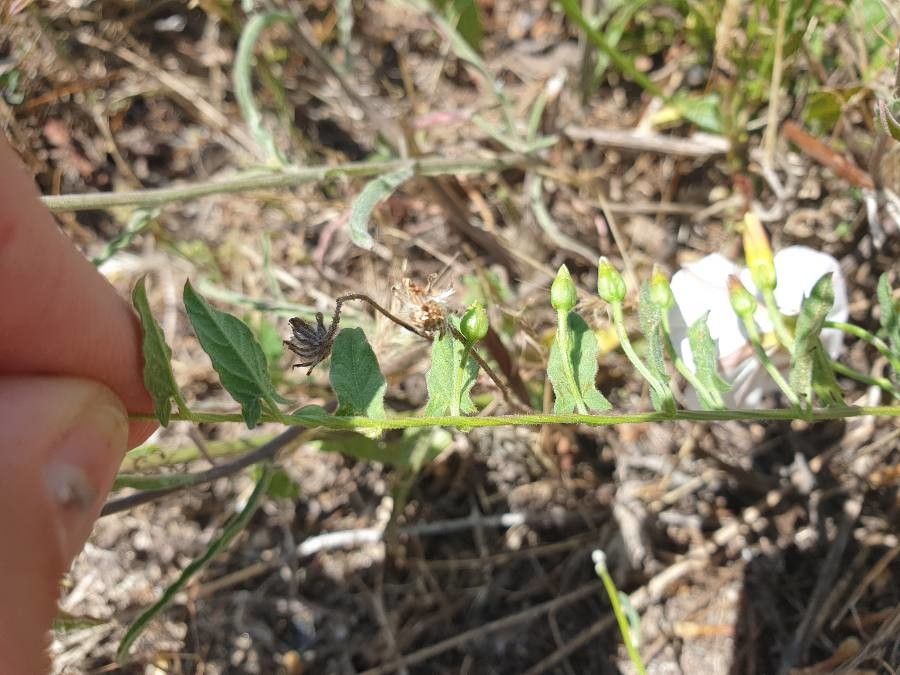
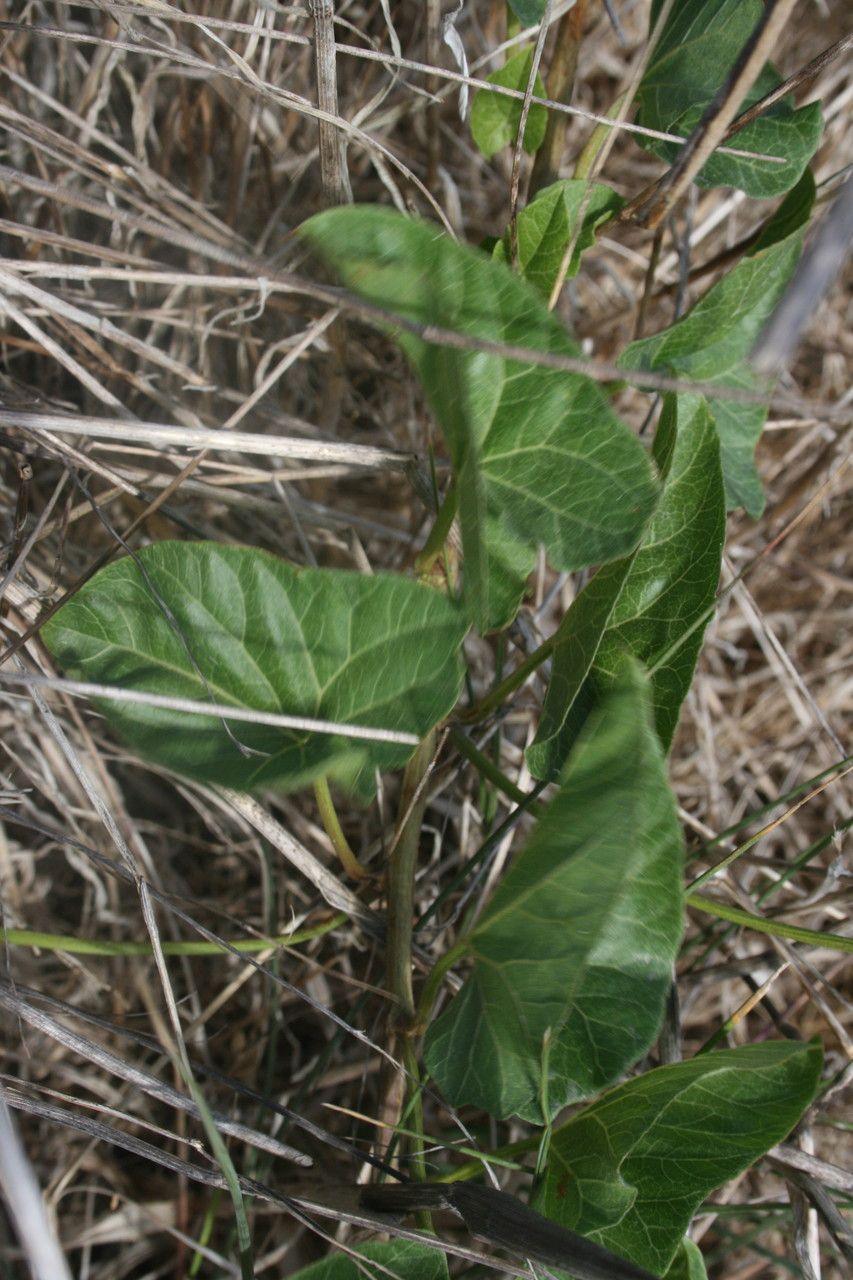
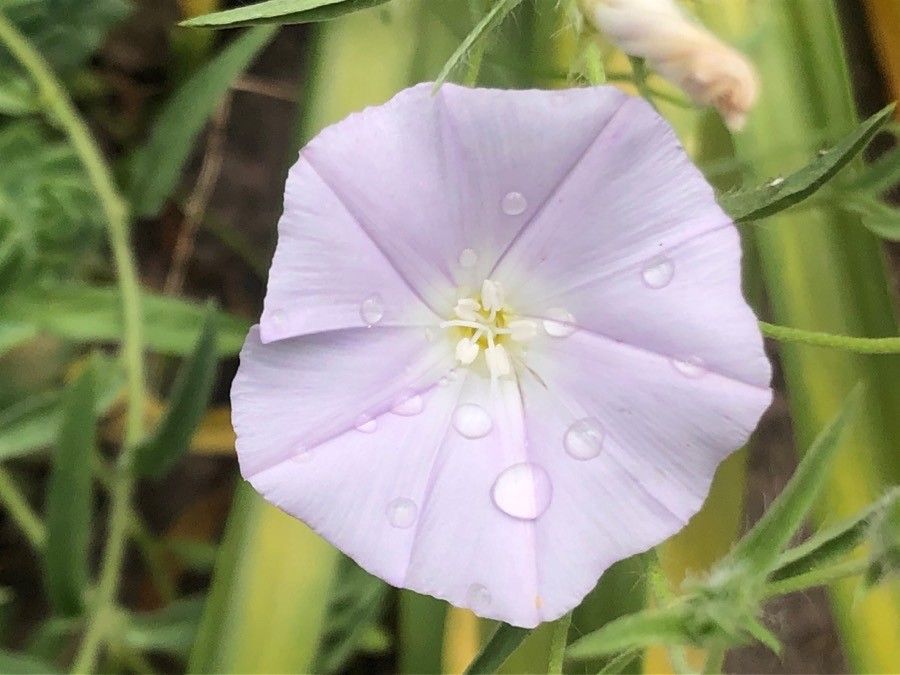
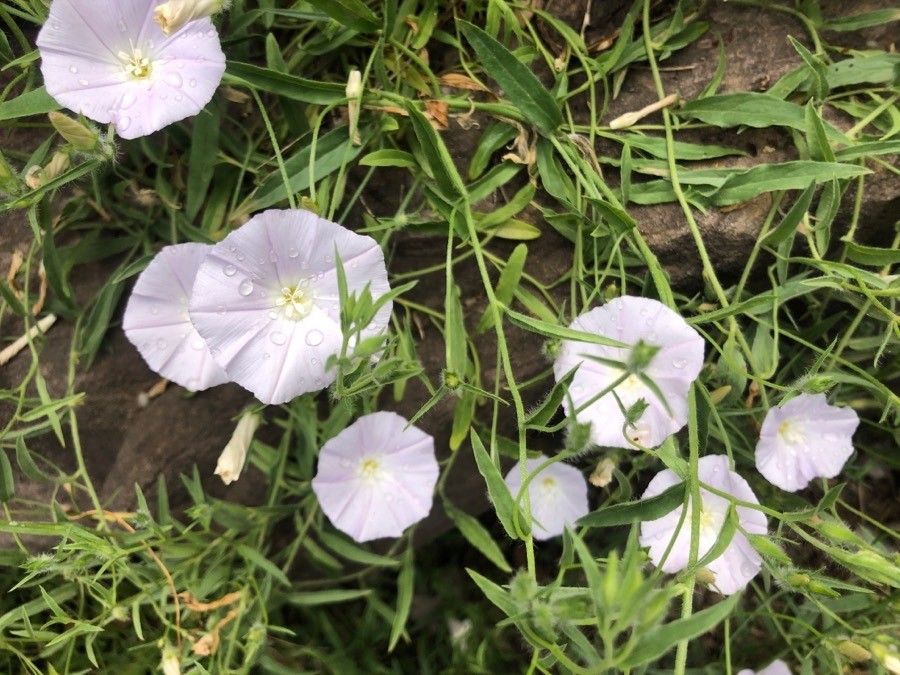
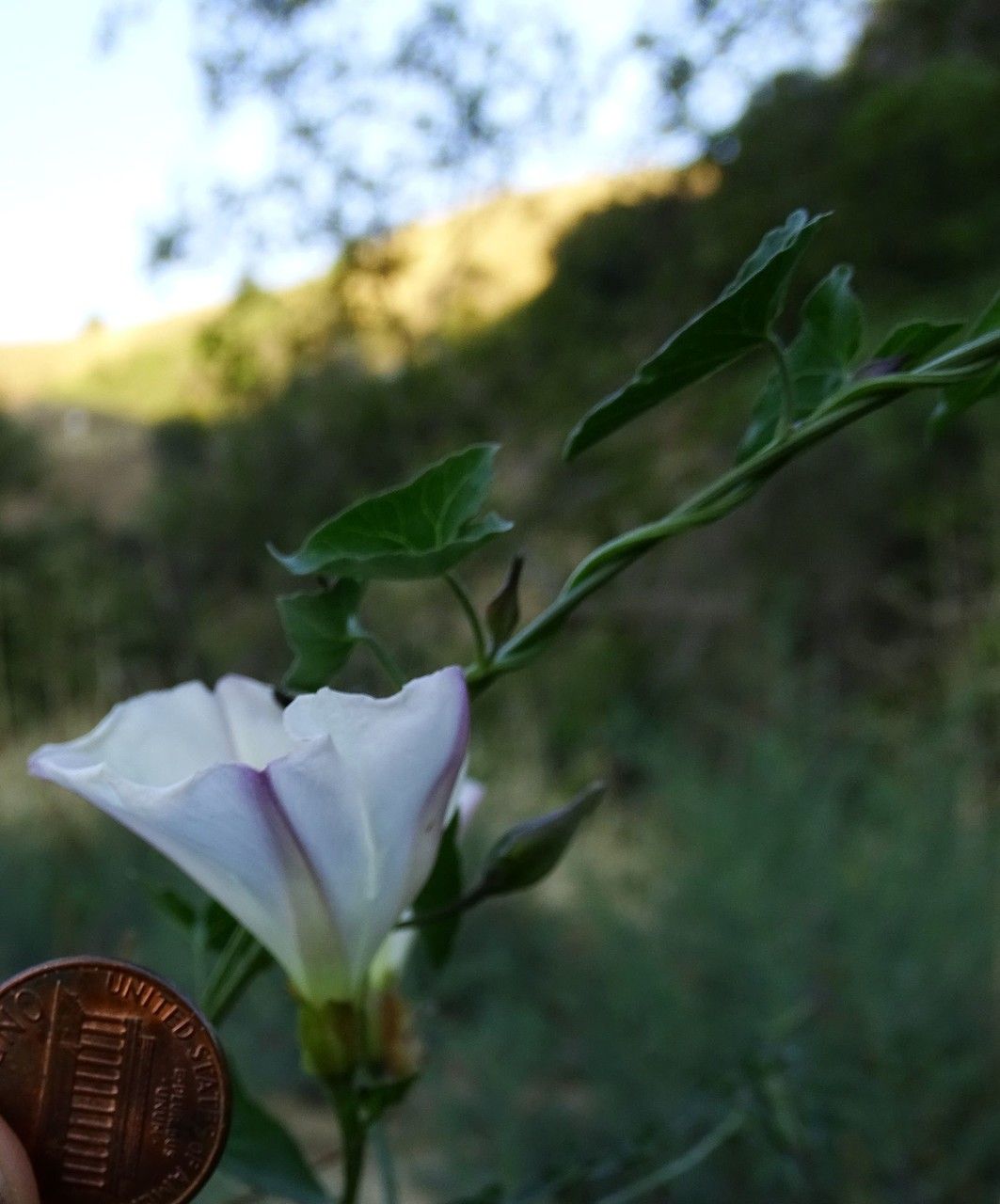
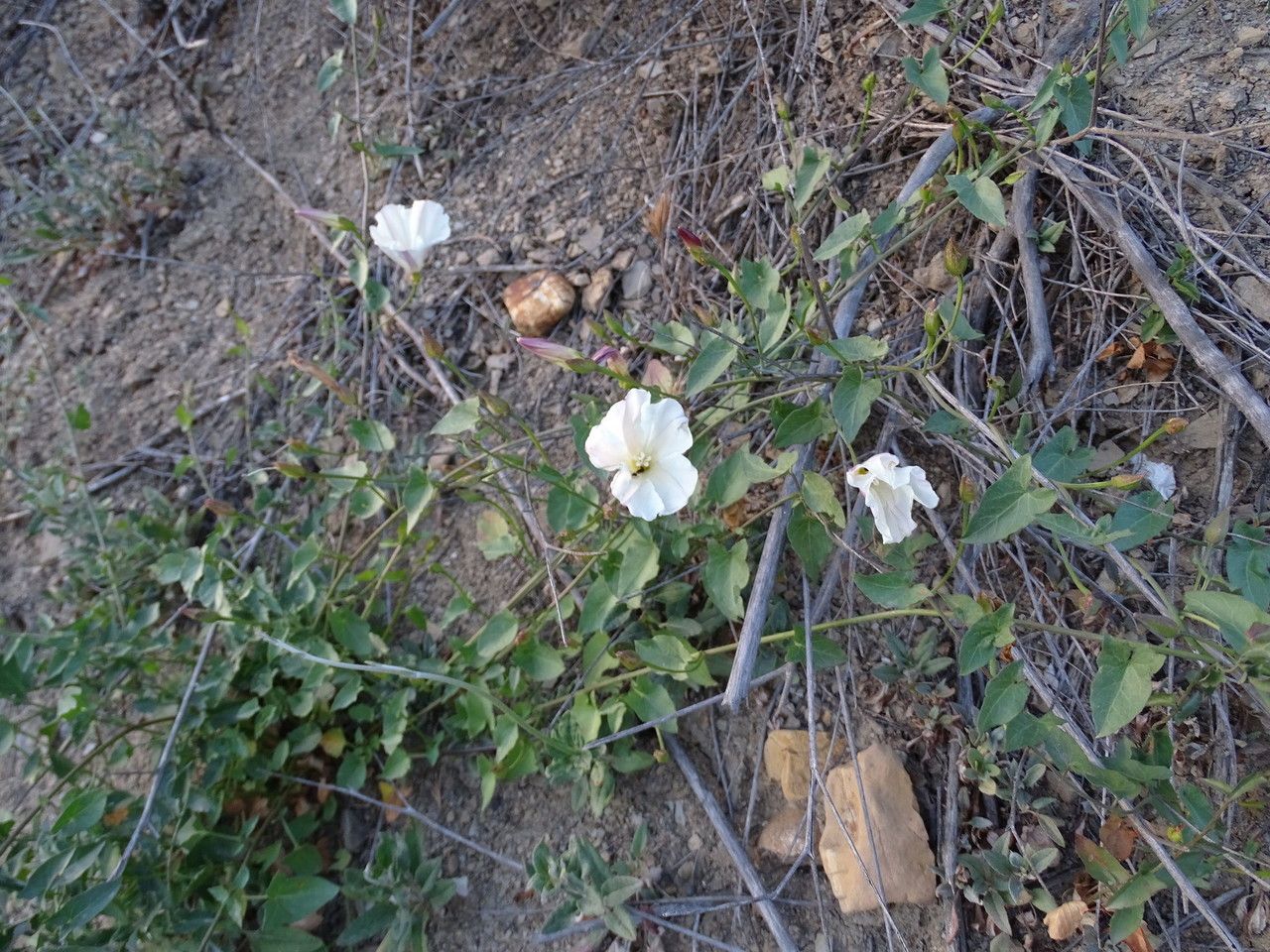
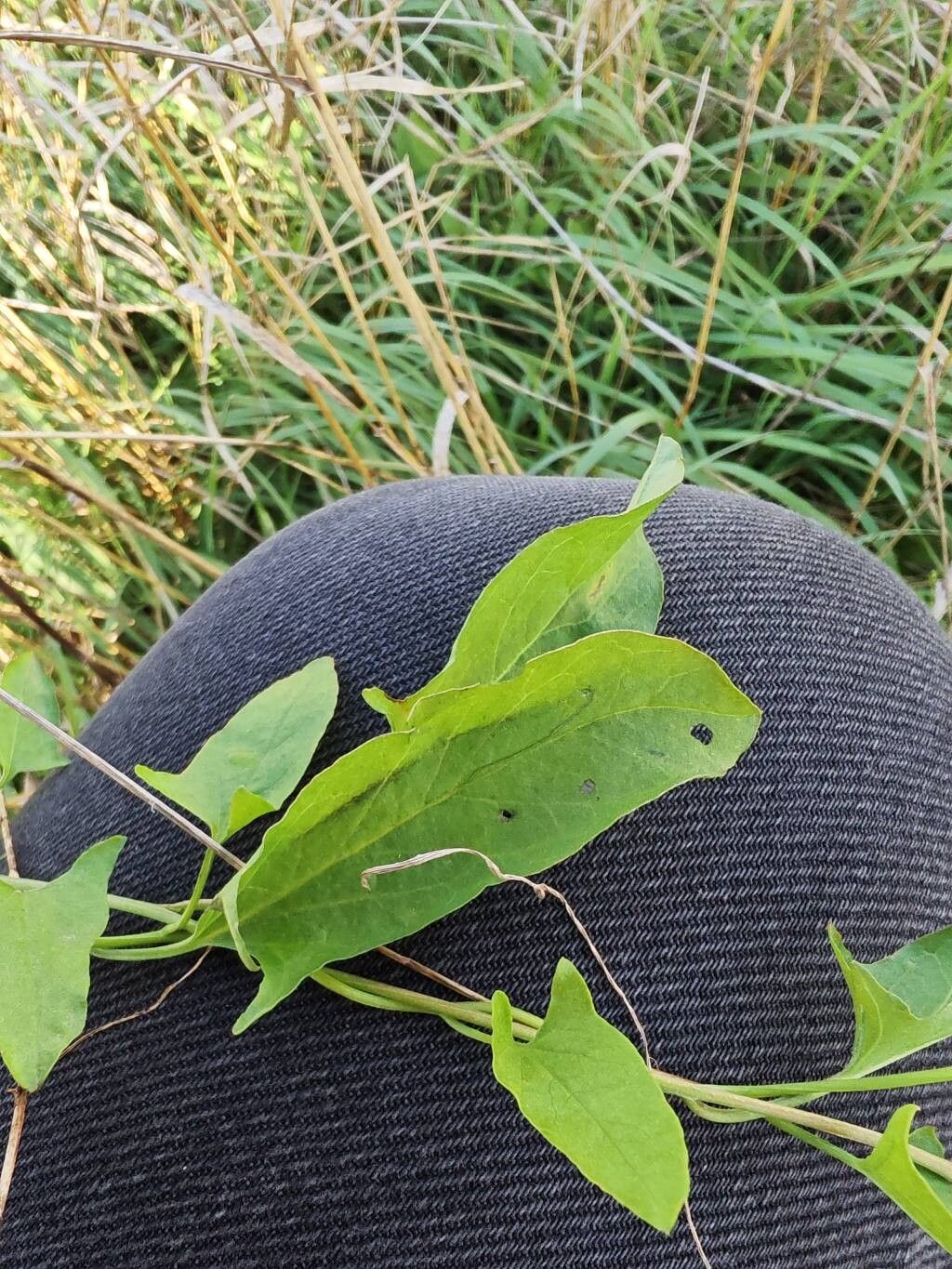
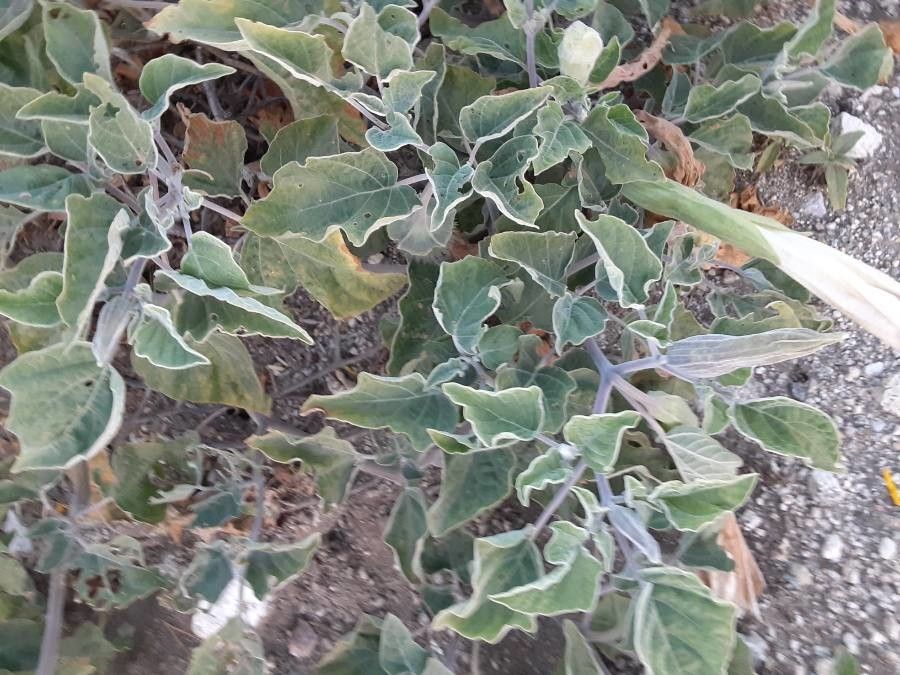
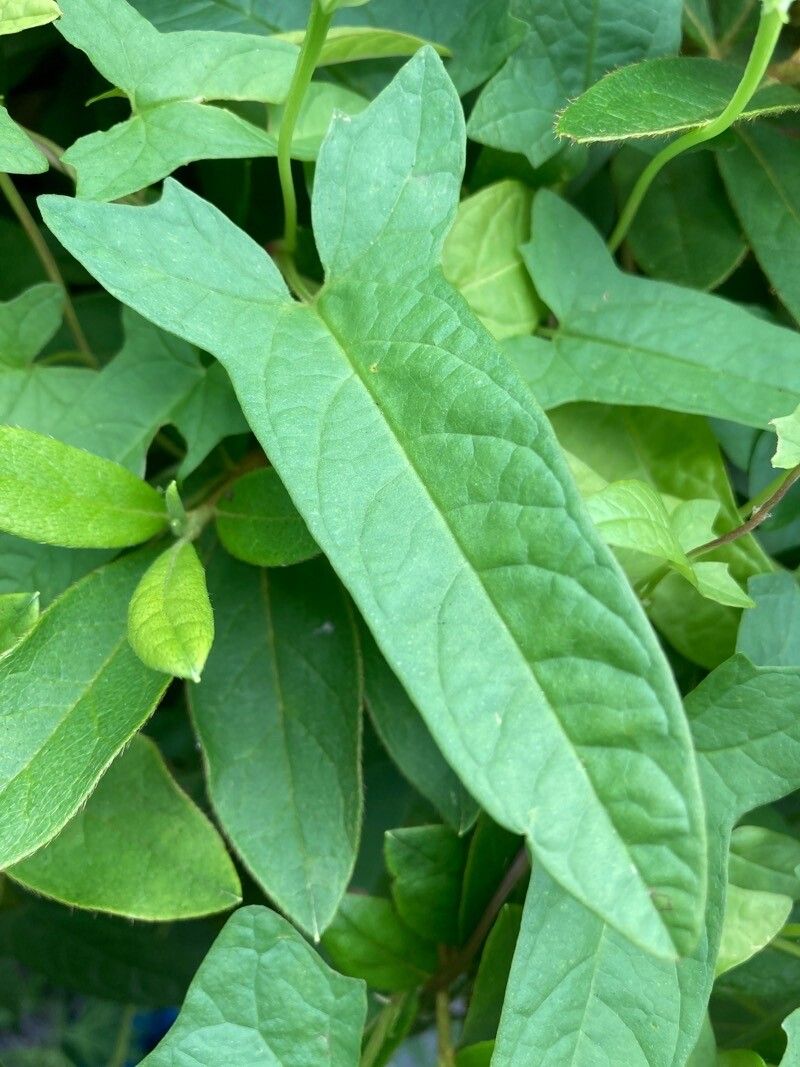
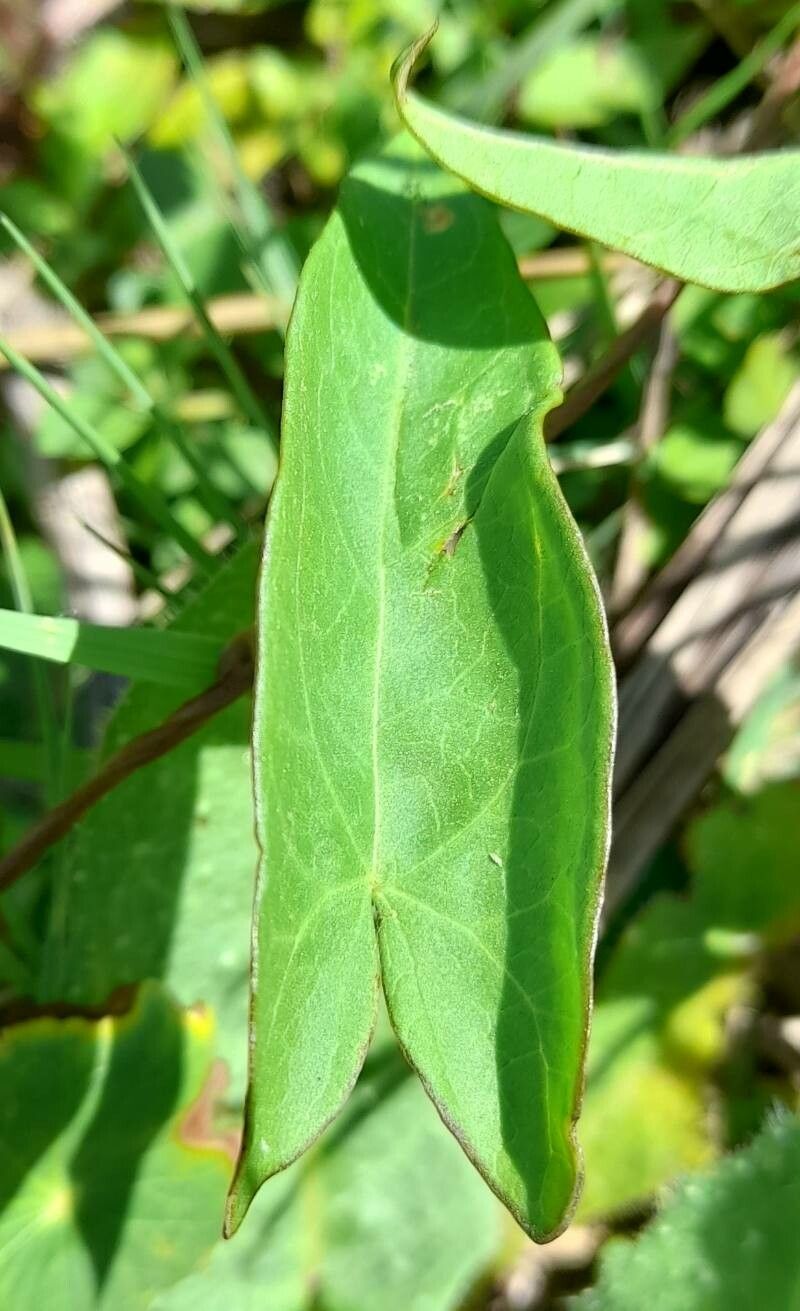
Calystegia macrostegia, commonly known as the Island False Bindweed, is a perennial vine native to the western coast of North America. Belonging to the Convolvulaceae family, this plant can grow up to 10 feet in length. It features heart-shaped, glossy green leaves and trumpet-shaped flowers that bloom in shades of white or pink from May through September. This vine thrives in full sun or partial shade with well-drained soil. It is commonly found in various habitats, including coastal bluffs, chaparral slopes, and open woodlands. Island False Bindweed serves as an important food source for pollinators such as bees and butterflies. Historically, indigenous people have used Calystegia macrostegia for its anti-inflammatory properties. However, it is important to note that some parts of the plant are toxic if ingested. In summary, Calystegia macrostegia is a beautiful native vine with significant ecological and medicinal importance. Despite its benefits, caution is advised due to its potential toxicity to humans and animals if ingested.
Island false bindweed is fairly disease-resistant and is typically not prone to illnesses. However, it can be vulnerable to pests and diseases present in its environment. These problems are usually mild. For care, the plant requires moderate maintenance. It should be pruned regularly to maintain a neat appearance and healthy growth. Applying fertilizer can also encourage flowering. Island false bindweed is suitable for anyone with an outdoor area, such as a garden or patio, and does not demand extensive gardening experience. It may need more attention if grown indoors.
How to keep Calystegia Macrostegia.
Light
The Island false bindweed, island false bindweed, thrives in places where it is consistently exposed to ample sunlight. It can also survive satisfactorily with moderate sun exposure, though that is not the optimal condition for healthy growth. Excessive shade, however, can hinder its development or lead to negative effects on its health. Different stages of its growth similarly exhibit a preference for abundant sunlight.
Water
Island false bindweed thrives in environments with moderate moisture. It needs watering once a week, but be careful not to overwater it. This outdoor plant benefits from rainwater and can adapt to seasonal changes in precipitation. Its growth cycle is closely linked to water availability, which is essential for its vigorous climbing habit.
Temperature
Island false bindweed occurs naturally in temperate regions, which influences its preference for temperatures between 59 to 95 °F (15 to 35 ℃). Depending on the season, slight temperature adjustments may benefit its growth.
Fertilizer
The best time to fertilize Island false bindweed is in early spring, as it is coming out of dormancy and starting active growth. Fertilization supplies essential nutrients needed for healthy development. Although Island false bindweed has fairly low fertilizer requirements, applying fertilizer once a year can improve its survival and encourage better, longer-lasting flowers.
Pruning
Island false bindweed is a perennial vine that benefits from pruning between early spring and late winter. Regularly trimming dead stems helps manage growth, improves air circulation, and prevents fungal diseases. This practice encourages a longer and more abundant flowering season, resulting in vigorous blooms and an overall healthier plant.
Botanical profile.
- Plant Type
- Herb
- Life Cycle
- Perennial
- Genus
- Calystegia
- Family
- Convolvulaceae
- Hardiness Zone
- 7-10
- Mature Height
- 9.14 m
- Mature Spread
- 4.57 m to 9.14 m
- Leaf Color
- Green, Dark Green
- Leaf Type
- Evergreen
- Flower Color
- White, Pink
- Flower Size
- 2.03 cm to 6.35 cm
- Bloom Time
- Mid spring, Late spring, Summer, Early fall
- Planting Time
- Spring, Autumn
- Harvest Time
- Summer, Fall
Other names.
Reader questions.
How should I water my Island false bindweed?
To properly water the Island false bindweed, it is best to use filtered water that is at room temperature. Tap water may contain harmful particles, so filtered water is preferable. Since the plant is native to warm environments, it is important to avoid using cold water as it can shock the plant. Additionally, overhead watering should be avoided to prevent issues with the foliage. Instead, water the plant by applying filtered room temperature water directly to the soil until it is thoroughly soaked. This allows the roots to absorb moisture and spread throughout the soil to gather necessary nutrients.
Why do I have to put fertilizer on my Island false bindweed?
Fertilization plays a crucial role in the growth of Island false bindweed and other plants. It provides essential nutrients that contribute to both above and below ground growth. Although the fertilization needs of Island false bindweed are generally low, annual fertilization can greatly benefit the plant. It helps ensure the plant's survival and promotes the production of long-lasting, vibrant flowers. Therefore, for those wishing to enhance the appearance of their Island false bindweed, regular annual fertilization is recommended.
What are the sunlight requirements for Island false bindweed?
Island false bindweed, or Calystegia macrostegia, thrives in environments with ample sunlight, requiring full sun exposure of above 6 hours of sunlight daily for optimal growth. It can also tolerate partial sun conditions, which means about 3-6 hours of sunlight each day. However, it's worth noting that excessive shade can impede its growth or cause adverse health effects. It's essential to observe how sunlight moves through your garden to ensure that your Island false bindweed is planted in a location that offers a good balance of light and shade.
What is the ideal temperature range for Island false bindweed?
Island false bindweed flourishes in temperate regions and prefers temperatures between 59 to 95°F (15 to 35°C). While it has a robust cold resistance, making special frost protection measures unnecessary for most of the winter, it's important to be vigilant when temperatures are forecasted to drop below -15°C. During such cold spells, protecting the plant with soil or straw and ensuring the soil is moist before the first freeze in autumn can help it thrive by preventing drought and water scarcity throughout the colder months.
What should I do if I give too much or too little water to my Island false bindweed?
Overwatering and underwatering can both harm your Island false bindweed, but overwatering is more common. Too much water can cause wilting and yellowing of the stems and leaves. Over time, overwatering can lead to diseases like root rot, mold, and mildew, which can be fatal for your plant. Underwatering is less common because the Island false bindweed can tolerate drought, but it can still happen. In this case, the leaves will become brittle and brown. It's important to recognize the signs of overwatering early on. Some diseases, like root rot, can't be reversed if you wait too long. If you notice early signs of overwatering, reduce your watering schedule immediately. Check the soil quality where your plant is growing. If it doesn't drain well, replace it with loose, well-draining potting mix. If you see signs of underwatering, simply increase your watering frequency until the signs go away.
When should I fertilize my Island false bindweed for the best results?
The best time to fertilize an Island false bindweed is in late winter to early spring when it is coming out of its dormant phase and starting to grow actively. Fertilizing during this time promotes healthy growth and sets the plant up for a great season. While early spring is generally the most beneficial time, it is also okay to fertilize in the fall. However, it is not recommended to fertilize the plant during summer or winter.
How can artificial lighting support the growth of Island false bindweed?
When natural sunlight is insufficient, especially during winter or in spaces that don't receive enough sunlight, artificial lighting can be a crucial solution for indoor plants like Island false bindweed. Indoor plants benefit significantly from proper lighting, which promotes faster and healthier growth. LED lights are particularly recommended because they can be tailored to provide specific wavelengths that plants need. The requirements for artificial light intensity vary depending on the plant's sunlight needs: full sun plants require 30-50 watts per square foot, partial sun plants need 20-30 watts per square foot, and full shade plants require 10-20 watts per square foot. The light source should be placed 12-36 inches above the plant to mimic natural sunlight, and the duration of exposure should match the natural daylight hours, typically between 8-12 hours per day.
How does Island false bindweed react to low temperatures and how should it be cared for in cold weather?
Despite its cold tolerance, maintaining the Island false bindweed's environment above -10°C during winter is crucial. If temperatures plummet below -15°C, the plant might not display immediate distress but can struggle with sprouting or fail to sprout come spring. To assist its recovery and encourage growth, removing any parts that haven't sprouted in the spring is recommended.
How much water does my Island false bindweed need?
If your Island false bindweed is in a pot, the most precise way to determine if it needs watering is by checking the soil with your finger. If the top two to three inches of soil are dry, then it's time to water it. If you have the plant outdoors in the ground, you can use the same method to test the soil. When you find that the top few inches of soil have dried out, it's time to water. In the spring and early fall, you'll probably need to water this plant about once a week using this method. However, if it gets very hot, you may need to increase watering to twice a week or more. It's worth noting that mature Island false bindweed plants that are well-established can actually handle periods of drought quite well.
When is the best time to not fertilize my Island false bindweed?
To properly care for your Island false bindweed, it is best to fertilize only during late winter and early spring. This plant does not require frequent fertilization, and a single annual feeding is typically sufficient. Fertilizing throughout the rest of the year – spring, summer, and fall – can easily lead to overfertilization and its associated issues. However, if you missed fertilizing in the spring, it is acceptable to feed the plant in the fall. It is important to note that this plant does not need fertilization during the winter, as it enters a dormant growth phase where new growth does not occur. Therefore, fertilizing during most of the winter is not recommended.
What are the symptoms of inadequate light exposure in Island false bindweed?
When Island false bindweed does not receive enough light, it may exhibit several symptoms: new leaves may grow smaller than mature ones; the plant might have leggy or sparse growth due to elongated spaces between leaves or stems; it may drop older leaves early to conserve resources, leading to faster leaf loss; growth can slow down or stop entirely in poor light conditions; new leaves could develop lighter colors or irregular patterns, indicating a lack of chlorophyll; chlorosis, the loss of green leaf color, may occur; sunscald can damage leaves and stems with intense sunlight exposure; leaves might curl or twist as a defense against extreme sunlight; wilting can happen due to increased water loss; and leaf scorching, characterized by brown, dry, and crispy leaf edges, can be caused by excessive sunlight.
What should be done if Island false bindweed is exposed to high temperatures?
Island false bindweed is best kept below 35°C during summer. Exposure to temperatures above 41°C can cause the leaves to lighten in color, curl, become susceptible to sunburn, or the plant might even wilt and dry out entirely in extreme cases. Counteract these effects by trimming away the sunburned and dried sections. Moving the plant to a shadier location or employing a shade cloth can protect it from harsh midday and afternoon sun. Additionally, watering the plant in the morning and evening will help keep the soil moist and support plant health.