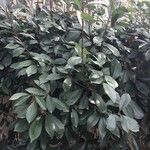
Camellia oleifera
Tea-oil-plant · Tea-oil plant · Himalayan camellia
Description
Source: leafsnapCamellia oleifera is an evergreen shrub or small tree belonging to the family Theaceae. Native to China, it can grow up to 20 meters tall. This plant features glossy, dark green leaves that measure 5-10 cm in length and 2-5 cm in width, with serrated edges. One of the notable aspects of Camellia oleifera is its oil-rich seeds, which are used to produce tea seed oil. This oil, prized for its high smoke point and mild flavor, is ideal for cooking and frying. The plant blooms in late fall or early winter, producing fragrant white flowers with yellow centers. Each flower has five petals and can reach up to 8 cm in diameter. Camellia oleifera thrives in well-drained soil with partial shade or full sun exposure. It is hardy in USDA zones 7-9 but can also be grown indoors in other regions. Beyond its culinary applications, Camellia oleifera is used medicinally for its anti-inflammatory properties and to treat skin conditions such as eczema. Its leaves can be brewed into tea, which contains antioxidants known as catechins that may help reduce the risk of certain diseases, including cancer. In summary, Camellia oleifera is a versatile plant with numerous culinary and medicinal uses. It also offers ornamental value with its beautiful blooms during the winter months when few other plants are in flower.
🌳 Tea-oil camellia, a plant with many abilities, goes beyond what is expected of a typical tea crop. Its seeds yield an oil used in a variety of products such as cosmetics, cooking oils, and even biodiesel. With a notable oil content of more than 40% from dry seeds, tea-oil camellia attracts attention as a sustainable biofuel option. Additionally, it serves as an important food source for pollinators, helping to support ecosystem health and food stability.
🎭 Riches White: You’re charming, perfected loveliness General: Gratitude, Perfection Red: Unassuming excellence, you are a fire in my heart. Pink: Yearning for you
Care Guide
💧 Water Every 7 days
Tea-oil camellia, which originates from the humid regions of China, thrives best in subtropical climates and can tolerate moderate drought. To keep the plant healthy, water it every 1 to 2 weeks, ensuring the soil remains moist and well-drained. As an evergreen plant, it is essential to provide adequate water to maintain its glossy leaves, especially during temperature changes.
☀️ Light Partial sun
Tea-oil camellia does well in moderate sunlight and is also tolerant of both strong sun and deep shade. Native to environments with changing light conditions, its general health and growth are not greatly harmed by too much or too little light. Nevertheless, very extreme light levels can influence its optimal activity.
🌡️ Temperature 15–35°C
The tea-oil camellia is native to temperate regions and can tolerate temperatures from 59 to 95 ℉ (15 to 35 ℃). It prefers warmer conditions during the growing season and cooler conditions while dormant. To accommodate seasonal changes, keep the plant in a cool spot in autumn and winter and move it to a warmer area in spring and summer.
What is the native climate for Tea-oil camellia?
The Tea-oil camellia plant, botanically known as Camellia oleifera, is native to regions that enjoy a temperate climate. It thrives in temperatures ranging between 59 to 95°F (15 to 35°C), favoring warmer conditions during its growing season and cooler temperatures in its dormancy period. To cope with the changing seasons, it's advisable to position the plant in a cooler spot during autumn and winter, then move it to a warmer location throughout the spring and summer months.
How can Tea-oil camellia tolerate winter temperatures?
Tea-oil camellia has a decent tolerance to cold, generally withstanding conditions as long as temperatures stay above -5°C without needing extra protection. If temperatures are forecasted to plunge below -5°C, protective measures become necessary to shield the plant from the cold. This can include wrapping it in plastic film, fabric, or other suitable materials to keep it warm. Once the colder conditions subside and temperatures rise again, it's important to remove any protective coverings promptly to avoid damage to the plant.
What should be done if Tea-oil camellia is exposed to temperatures below -10°C?
Exposure to temperatures below -10°C can harm the Tea-oil camellia, causing leaves to droop and, in severe instances, wilt and fall off. If the plant endures mild frost damage, it's recommended to trim off the frost-damaged parts. To prepare for future cold spells, wrapping the plant with non-woven fabric or cloth and setting up a wind barrier can protect it from chilly winds, thus preventing further damage.
How does high temperature affect Tea-oil camellia and what are the remedies?
During the hotter months, it's crucial to keep Tea-oil camellia below 35°C to prevent heat stress. Temperatures surpassing 41°C can lead to lighter leaf colors, dry and withered leaf tips, curled leaves, and increased susceptibility to sunburn. Remedial actions include trimming away the sun-damaged and dried parts of the plant. Relocating the plant to a shaded area during the intense midday and afternoon sun, or using a shade cloth, can protect it. Additionally, watering the plant in the morning and evening helps keep the soil adequately moist.
💨 Humidity normal (40-60%)
This plant will thrive in moderate humidity, which is probably the level in your home. However, misting it a few times a week can be very beneficial. Make sure the room has good ventilation.
🪴 Soil 5-6
🌱 Fertilizer
Fertilize your Tea-oil camellia in early spring to promote healthy growth. Regular fertilization improves overall health, leading to vigorous growth, greater resilience to challenging conditions, and enhanced resistance to pests and diseases. Keep a consistent fertilization schedule for your Tea-oil camellia to maintain vibrant, deeply colored foliage and a lush appearance.
🪴 Pot & Repot 2-3 years
When repotting Tea-oil camellia, select a pot 1-2 inches (2.5–5.1 cm) larger that offers good drainage. Use a potting mix that drains well. Repot in spring or fall, making sure the root ball sits slightly below the rim of the flower pot. Water thoroughly after repotting and place the plant in a warm spot with indirect sunlight.
✂️ Pruning
To help tea-oil camellia thrive, it is important to prune it in early spring. Focus on removing dead branches and thinning out dense inner growth to promote healthy development and good airflow. Regular annual pruning enhances both blooms and fruit yield. By timing the pruning carefully, you can also prevent winter damage, ensuring that the plant maintains its vigor and shape.
🌿 Propagating
🐛 Diseases & pets
☠️ Toxicity
The nectar, seed oil and other parts of Camellia oleifera have all no deleterious effect on humans. Toxic effects in dogs include vomiting, agitation, tachycardia, cardiac arrhythmia, hyperthermia, tremors, and seizures.
Characteristics
- Plant Type
- Shrub
- Life Cycle
- Perennial
- Genus
- Camellia
- Family
- Theaceae
- Hardiness Zone
- 8-10
- Mature Height
- 0.91 m to 7.92 m
- Mature Spread
- 3.05 m to 3.66 m
- Leaf Color
- Green
- Leaf Type
- Evergreen
- Flower Color
- White, Pink
- Flower Size
- 2.54 cm to 7.62 cm
- Bloom Time
- Mid summer, Late summer, Early fall
- Planting Time
- Spring, Autumn
- Harvest Time
- Spring, Late summer, Fall, Winter
- Native Area
- Vietnam, Japan, Myanmar, Laos, China