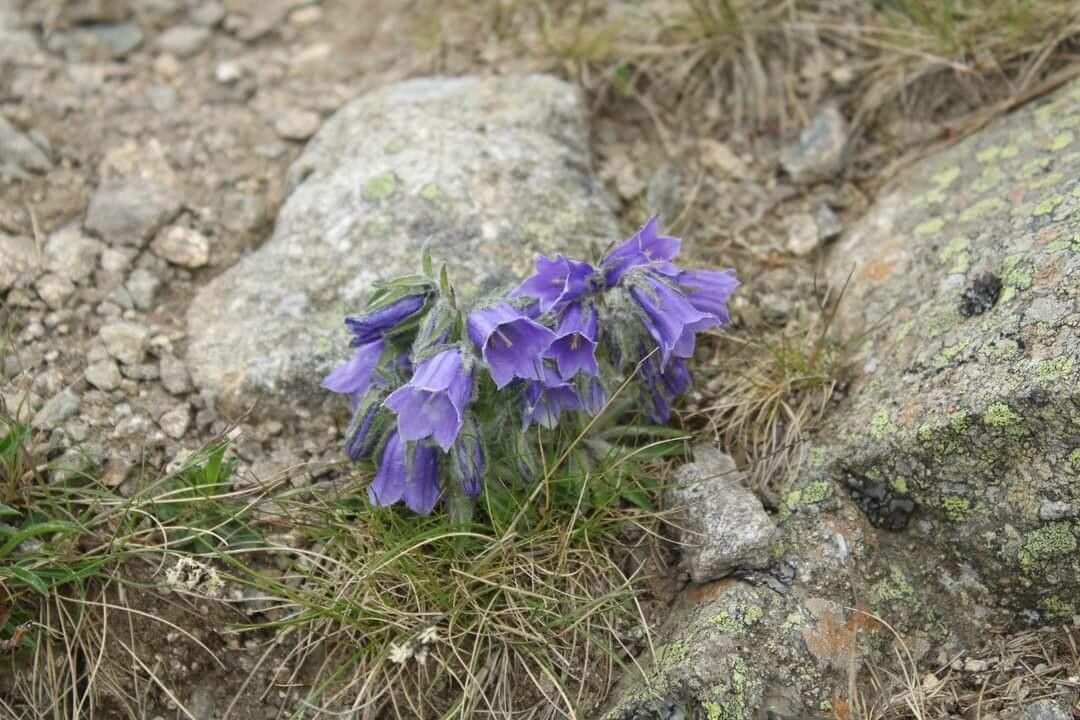
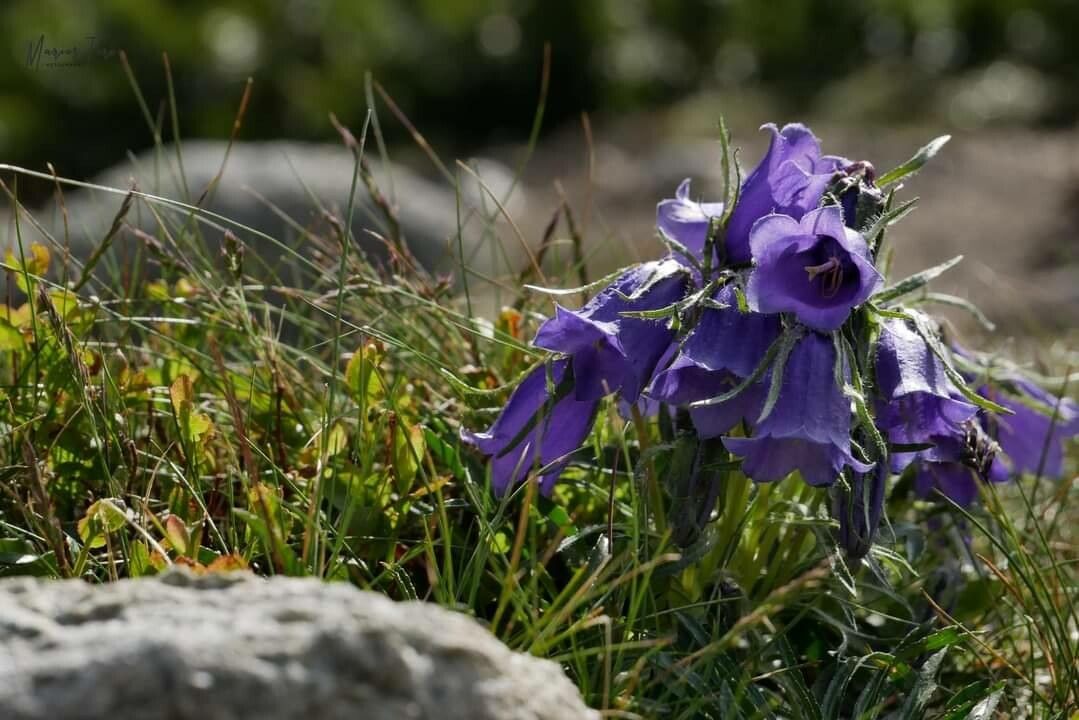
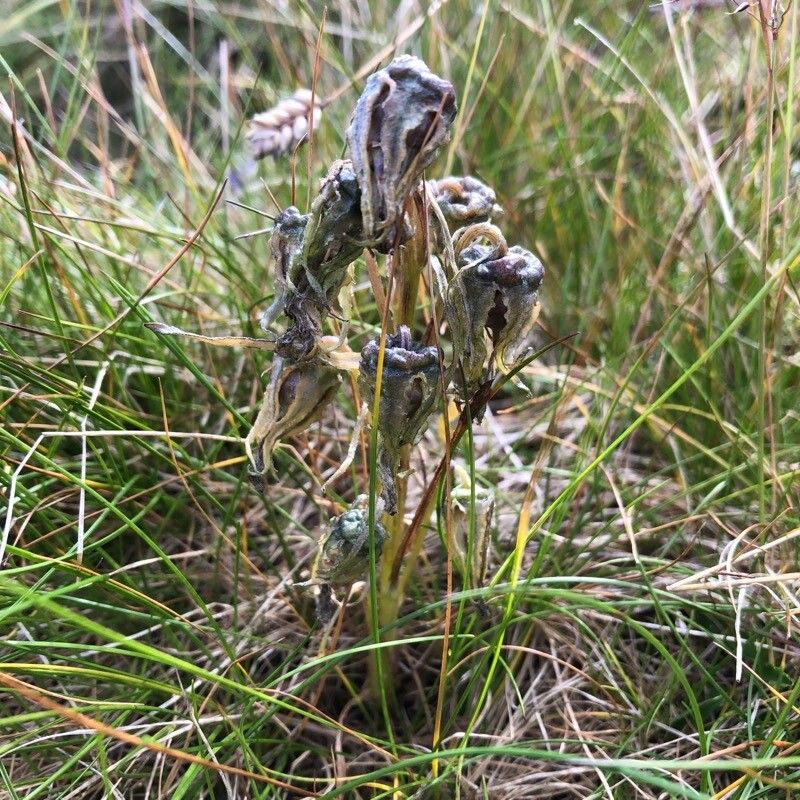
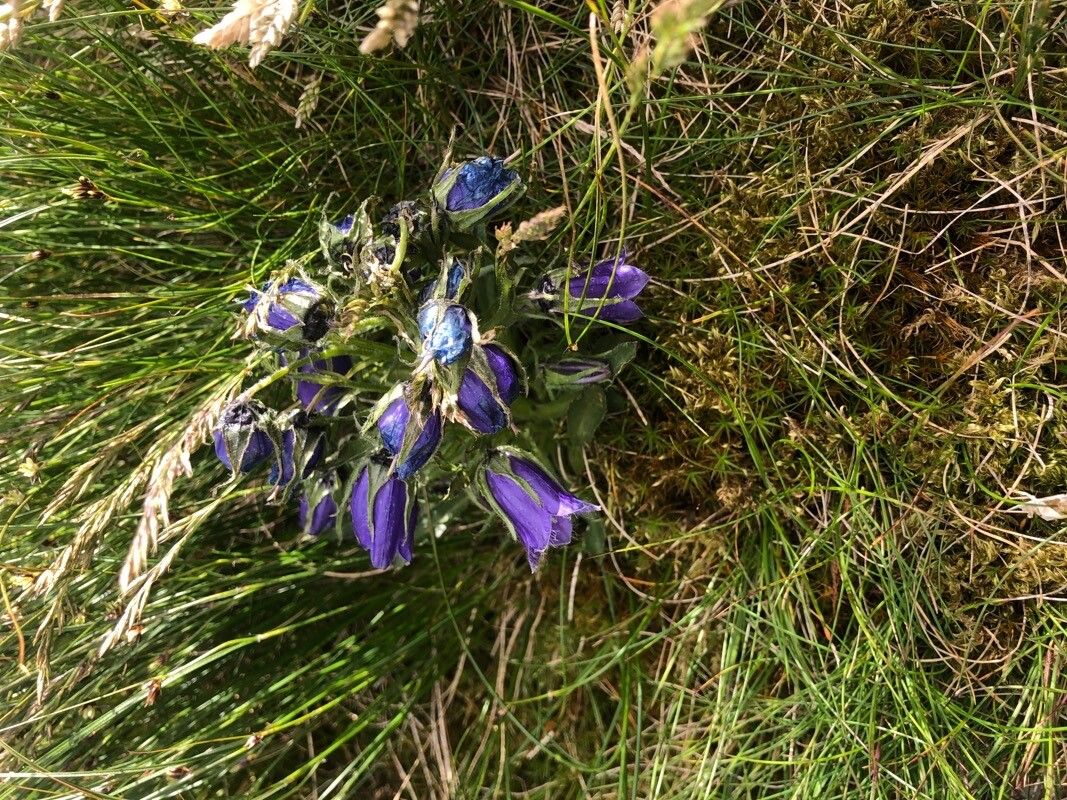
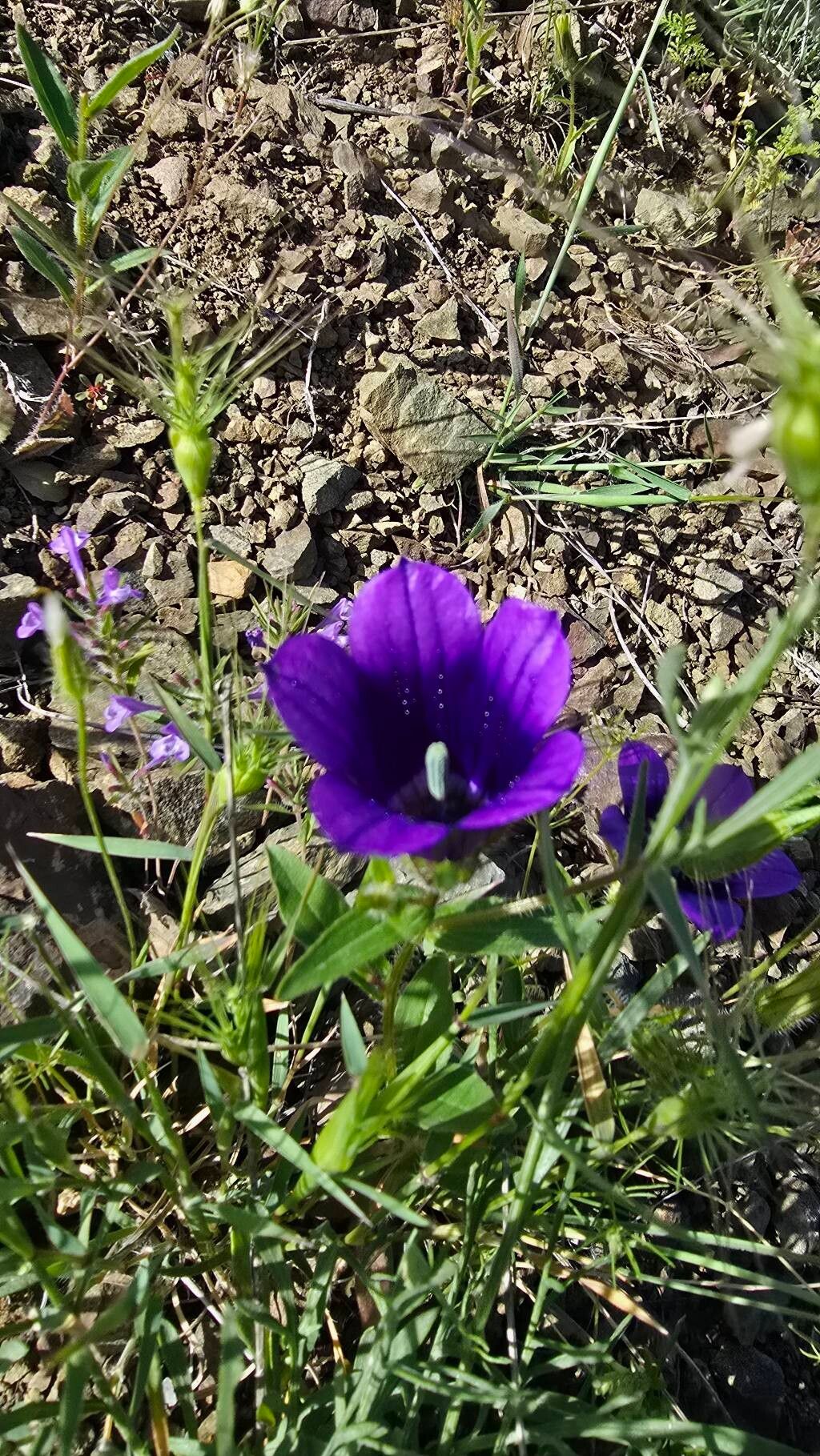
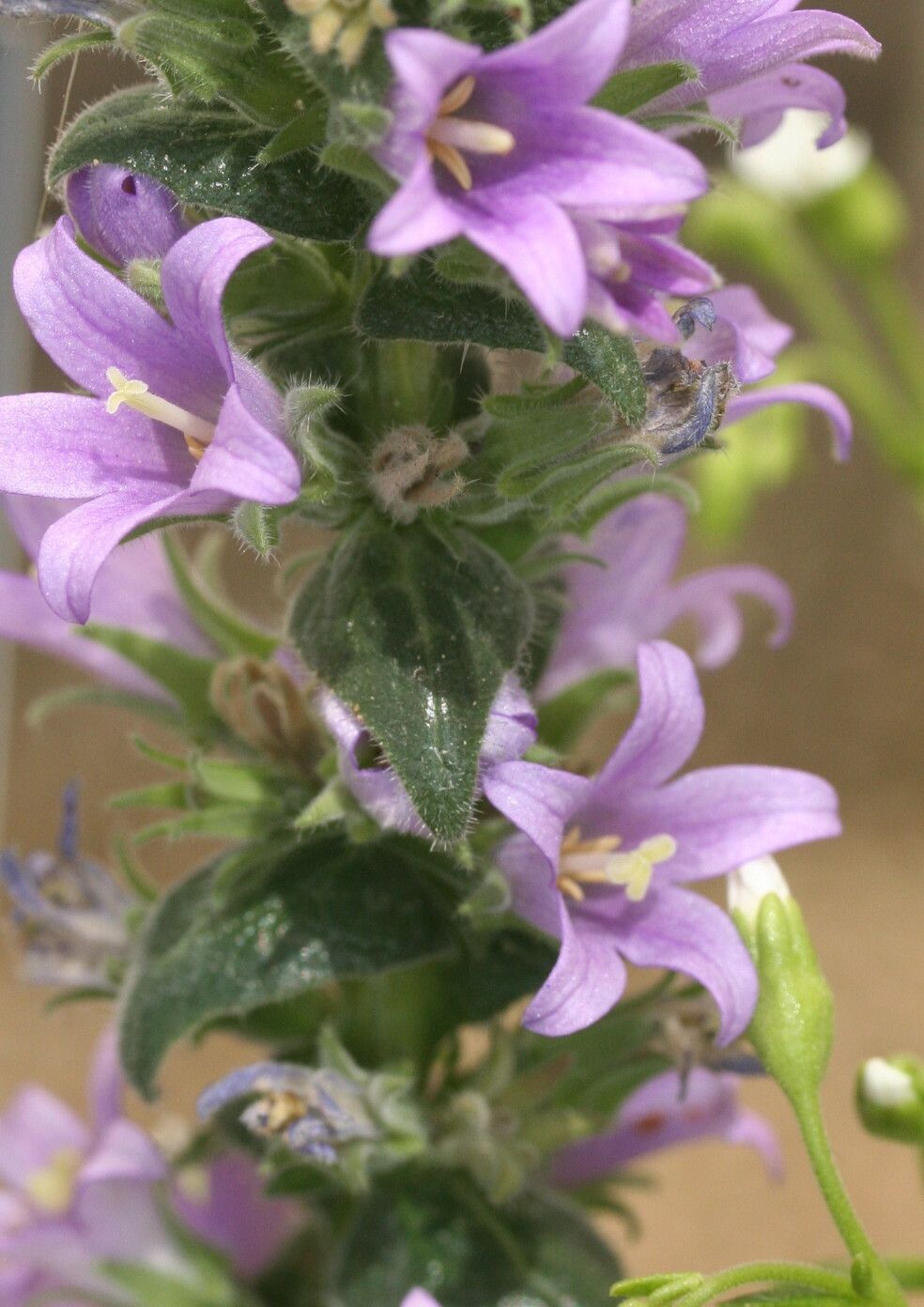
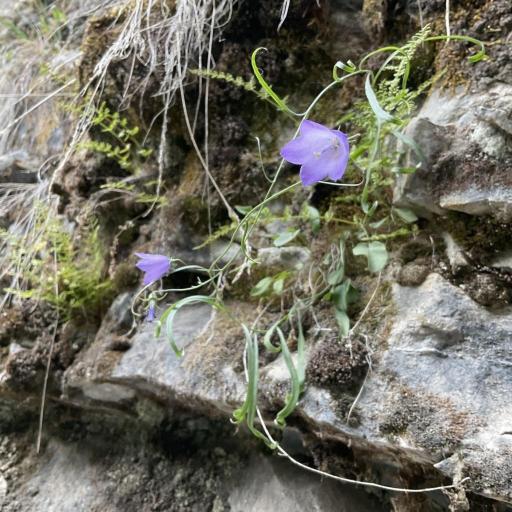
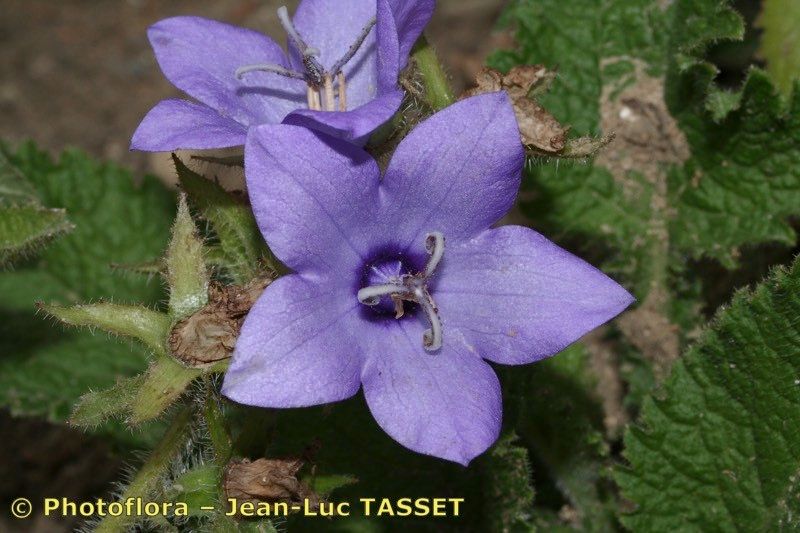
Campanula alpina is a species of perennial bellflower found in the Eastern Alps, Carpathian Mountains and the Balkans. It comprises two subspecies: subsp. alpina found in the Eastern Alps and Carpathians, and subsp. orbelica found in the Balkans.
The alpine bellflower has strong disease resistance and is generally not vulnerable to illnesses. However, it can be affected by pests and diseases present in its environment. Such infections are typically mild. Regarding care, this plant requires moderate attention. It should be pruned regularly to maintain a neat appearance and healthy growth. Applying fertilizer can also encourage flowering. The alpine bellflower is suitable for anyone with outdoor areas like a garden or patio and does not demand extensive gardening experience. It may need extra care when grown indoors.
How to keep Campanula Alpina.
Light
The alpine bellflower is a perennial herbaceous plant that favors sunny conditions and comes from open habitats, commonly flourishing in meadows and grasslands. It prefers full sun but can also tolerate partial sun conditions.
Water
The alpine bellflower requires plenty of water to thrive and bloom, particularly in warm climates. Generally, you should water it twice a week. However, always check the soil moisture first. The soil should feel slightly moist—avoid it being either waterlogged or dry.
Fertilizer
For Alpine bellflower, the main time to apply fertilizer is in early spring when the flowers are forming. The appropriate fertilizer promotes better blooms and helps the Alpine bellflower produce attractive flowers. Fertilizing in early spring ensures strong flowers throughout the season and supplies energy for dormant growth phases.
Pruning
The Alpine bellflower is a resilient perennial known for its bell-shaped flowers. To promote healthy growth, prune the plant in early to late spring by removing any dead stems. After the blooming period, cut back the flowering stems to encourage vigorous growth and the possibility of a second round of blooms. To maintain its appearance and prevent overcrowding, regularly remove spent flowers.
Botanical profile.
- Plant Type
- Herb
- Life Cycle
- Perennial
- Genus
- Campanula
- Family
- Campanulaceae
- Hardiness Zone
- 3-7
- Mature Height
- 10 cm to 30 cm
- Mature Spread
- 15 cm to 25 cm
- Leaf Color
- Green, Dark Green
- Leaf Type
- Semi-evergreen
- Flower Color
- Blue, Purple
- Flower Size
- 2.03 cm to 3.05 cm
- Bloom Time
- Early summer, Mid summer
- Planting Time
- Spring, Summer
- Harvest Time
- Late summer, Early fall
- Native Area
- Germany, Austria, Italy, Slovakia, Poland, Romania, Slovenia, Ukraine
Other names.
Reader questions.
What are the sunlight requirements for growing Alpine bellflower?
The Alpine bellflower, known botanically as Campanula alpina, thrives in conditions that meet its sunlight requirements. It requires 'Full sun,' which means it needs above 6 hours of sunlight daily to flourish. Alternatively, it can also grow in 'Partial sun,' needing about 3-6 hours of sunlight each day. It's essential to observe how sunlight moves through your garden throughout the day. Choosing the right spots that provide a perfect balance of light and shade will ensure the happiness and health of your Alpine bellflower.
What is the Alpine bellflower?
The Alpine bellflower, known botanically as Campanula alpina, is a plant species. There is no additional information provided about its essentials or symptoms.