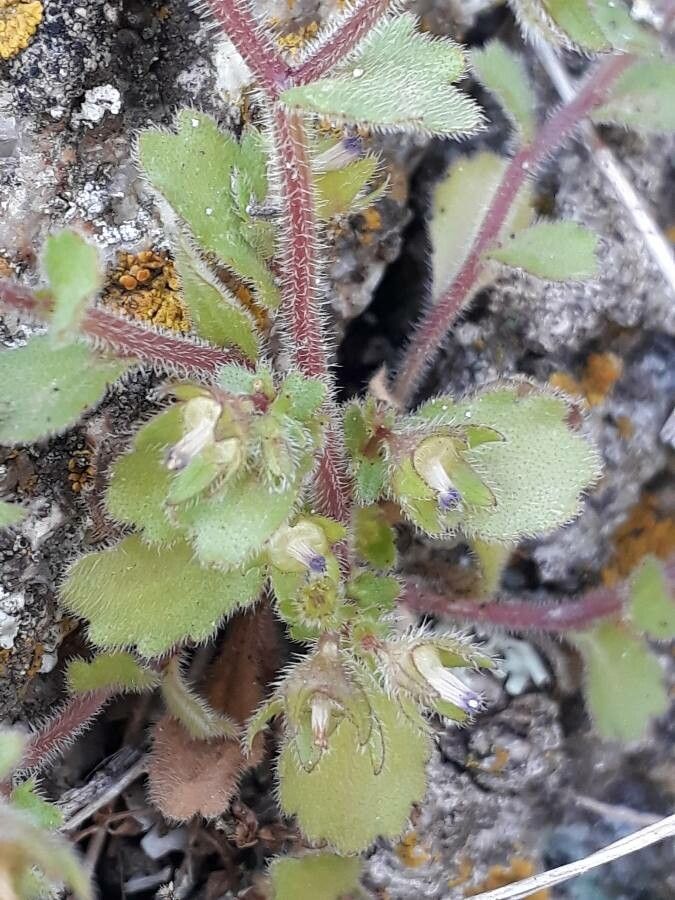
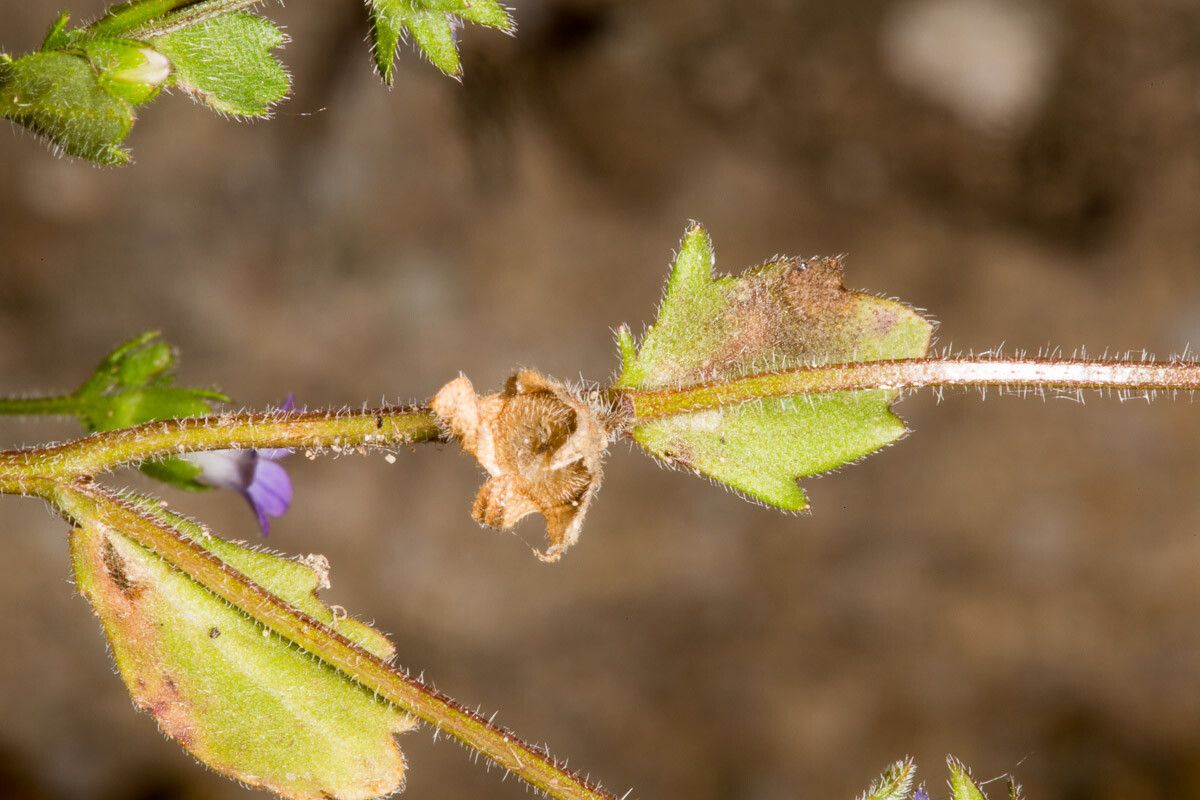
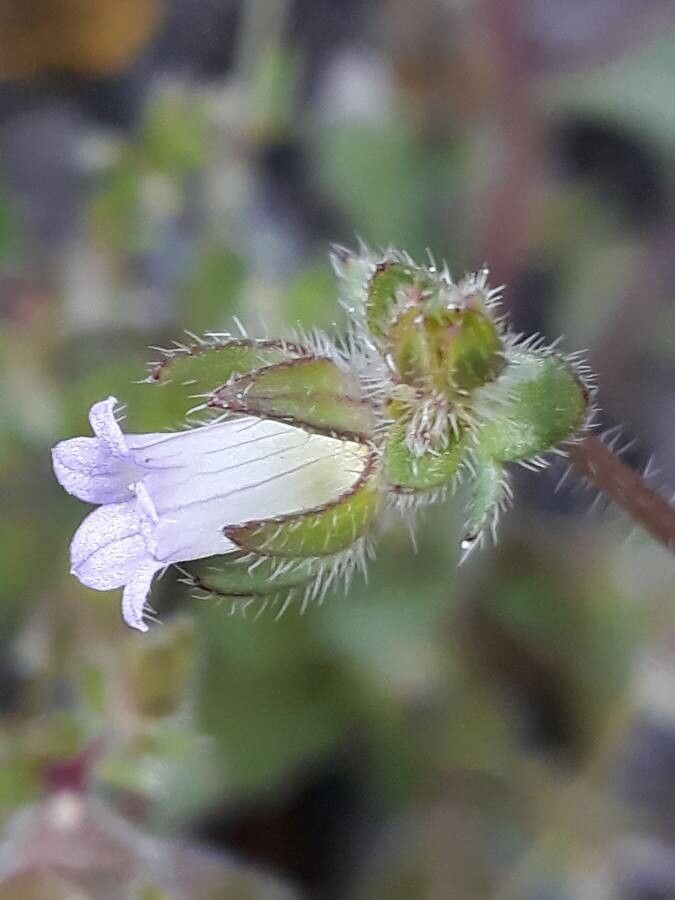
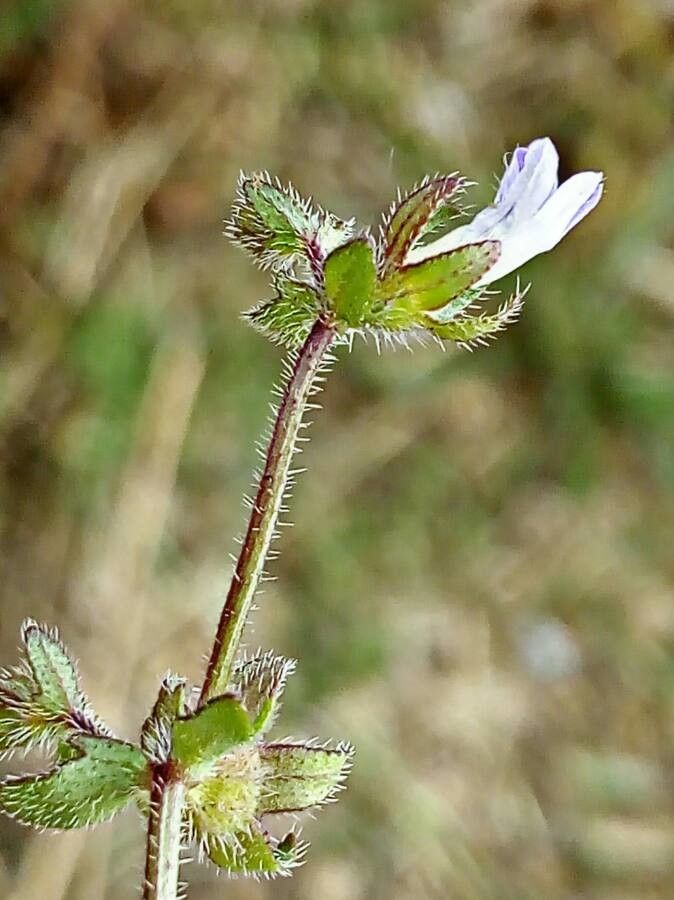
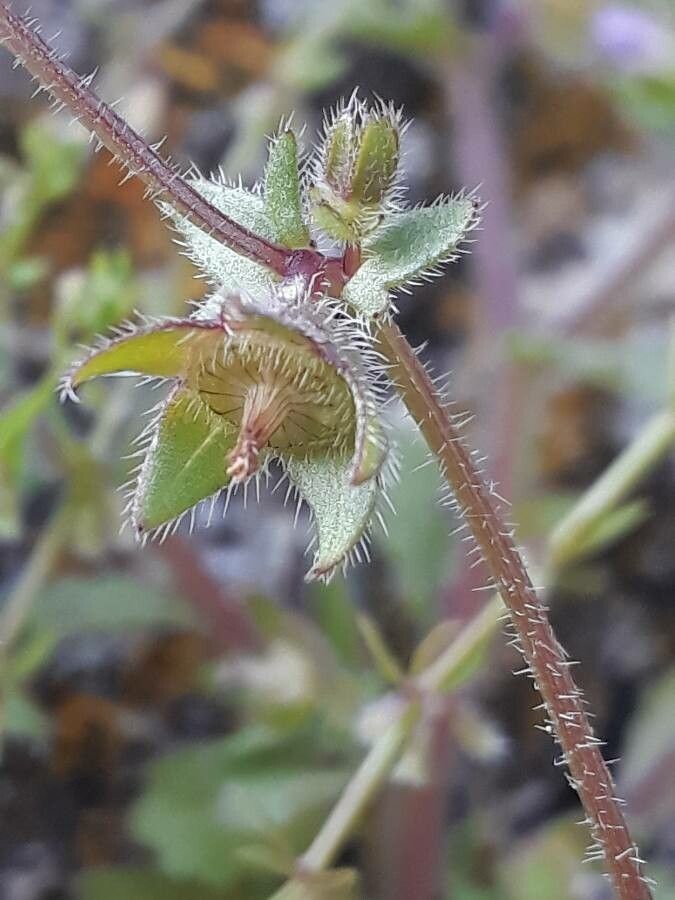
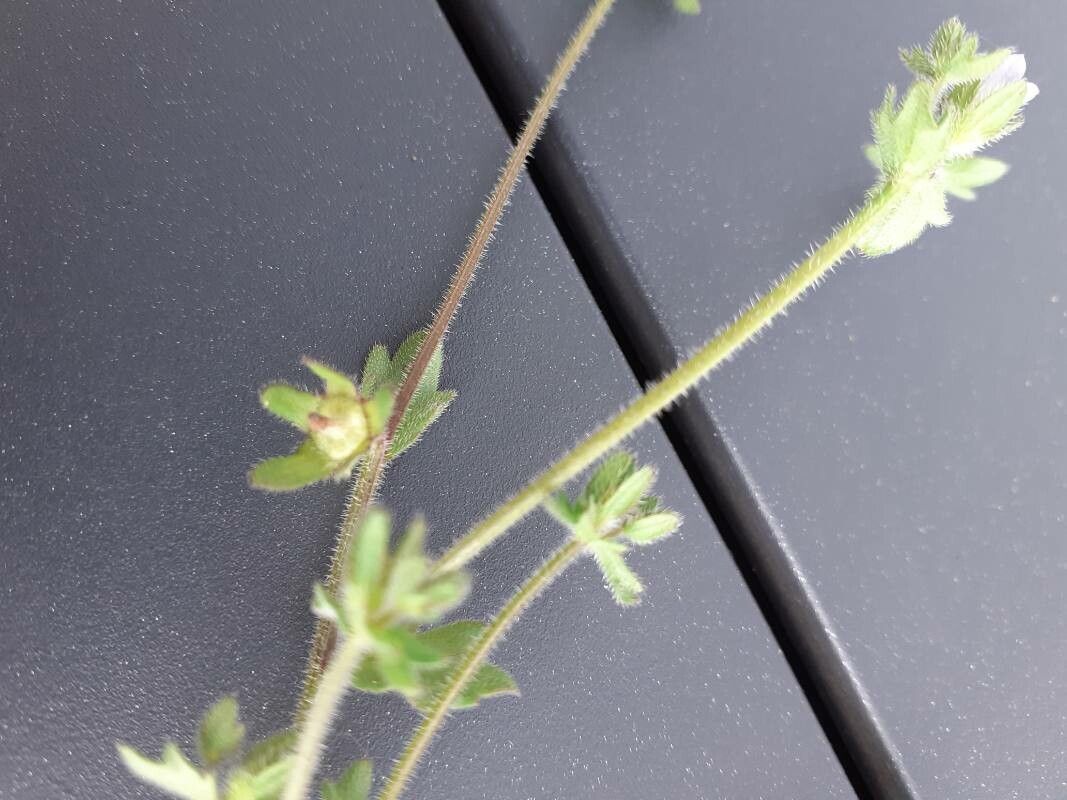
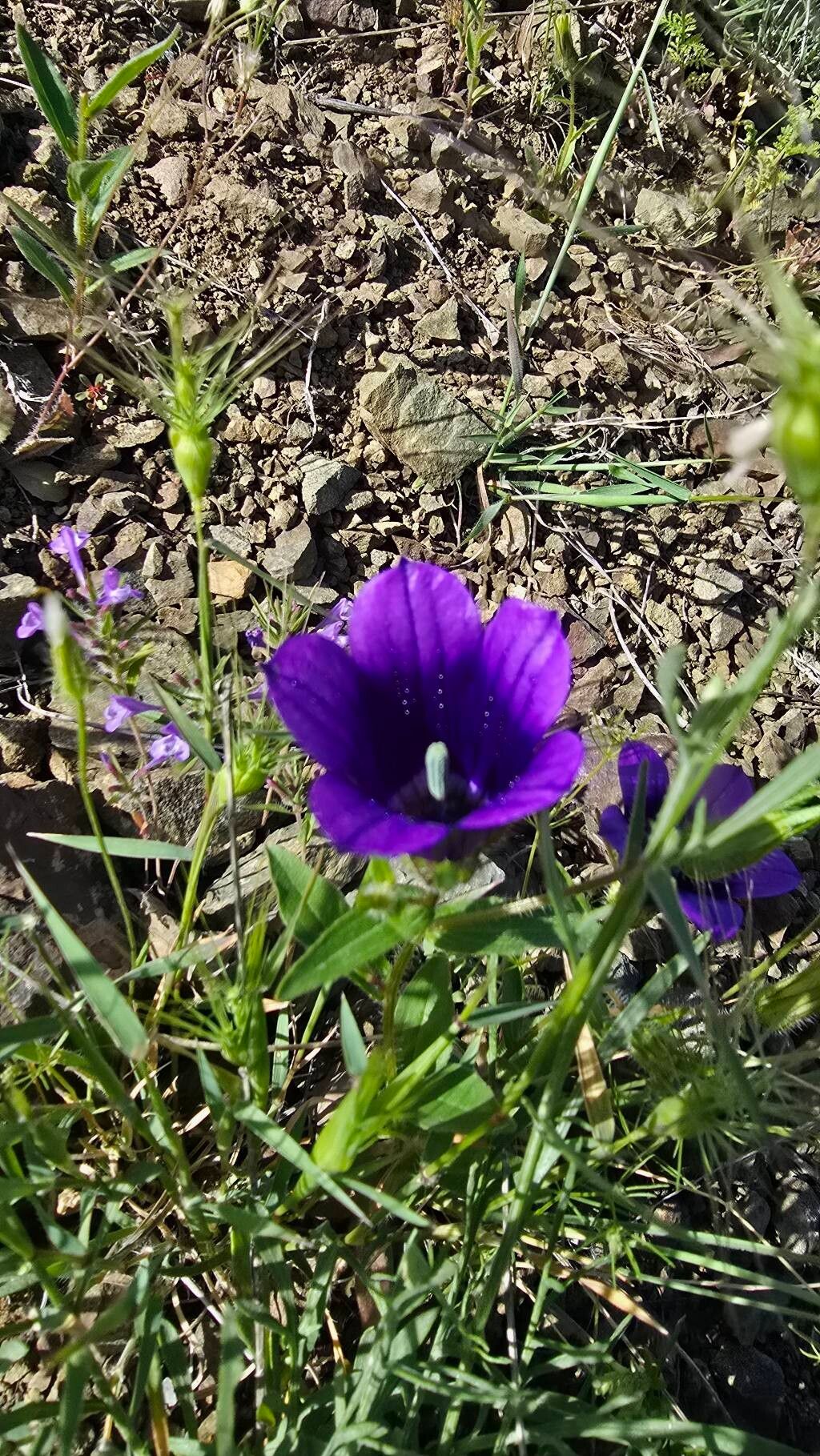
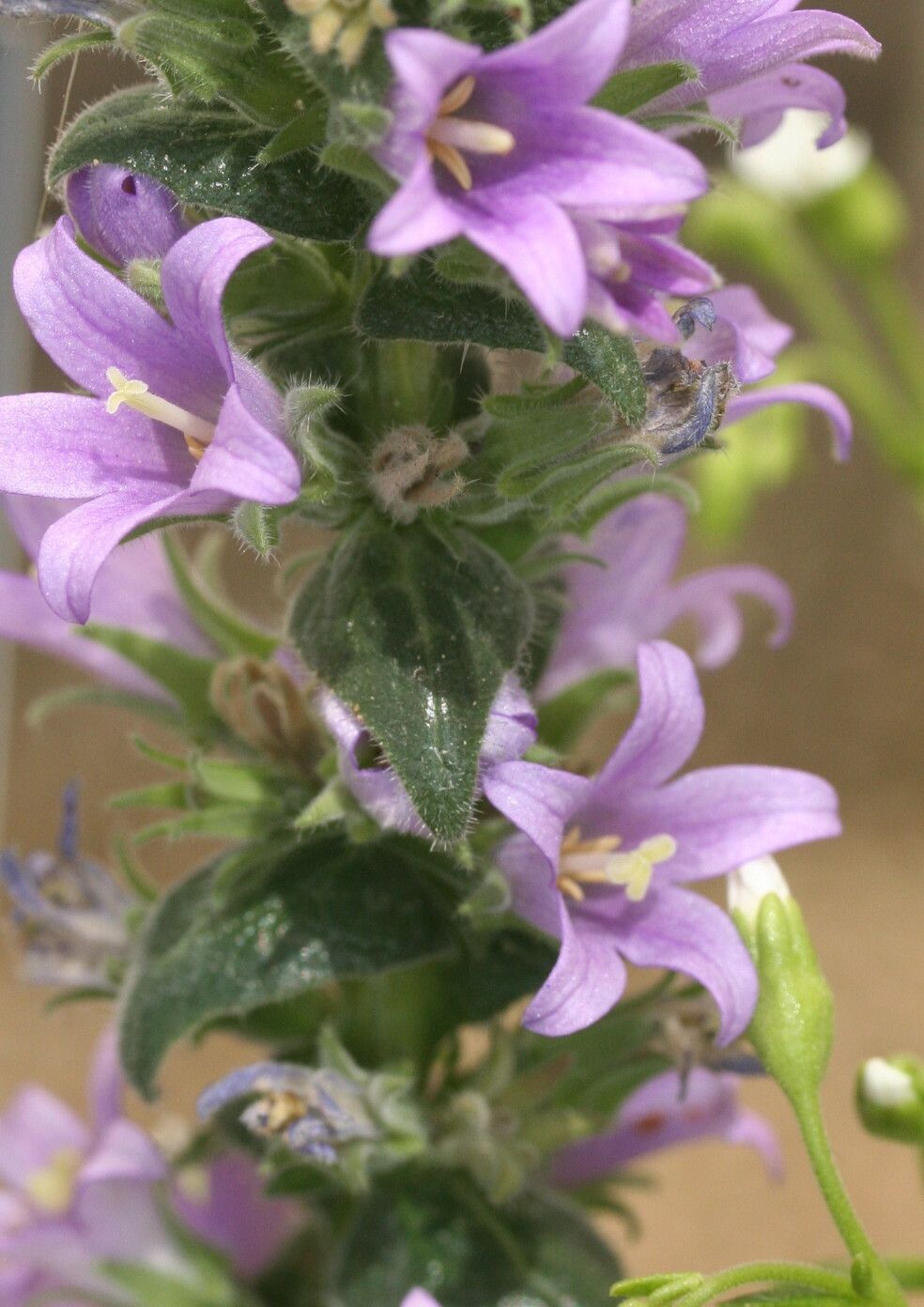
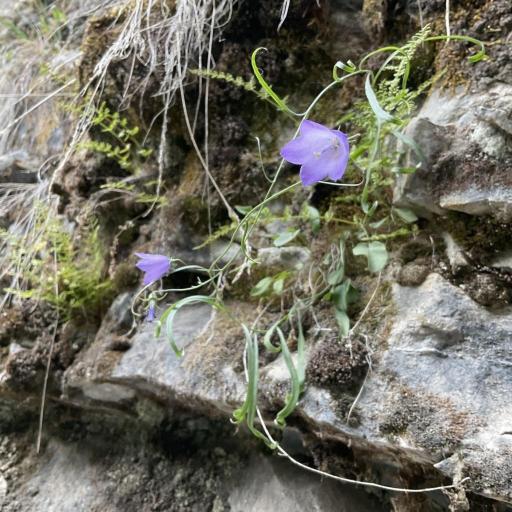
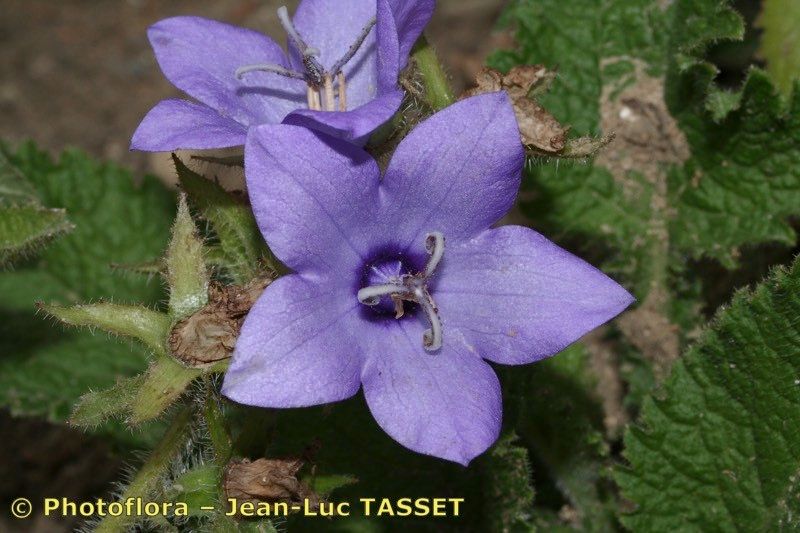
Campanula erinus is a species of annual herb in the genus Campanula (bellflowers). They have a self-supporting growth form. Individuals can grow to 11 cm tall.
Elatine bellflower has strong resistance to disease and is generally unlikely to develop illnesses. Still, it can be affected by pests and diseases present in its environment. Such infections are typically mild. As for care, this plant needs moderate maintenance. It should be pruned regularly to preserve a good appearance and support healthy growth. Fertilizing can also help encourage flowering. Elatine bellflower is appropriate for anyone with outdoor space, like a garden or patio, and does not require extensive care experience. It may need more attention when grown indoors.
How to keep Campanula Erinus.
Light
Elatine bellflower is native to habitats with dappled sunlight, like forest understories or rocky sites that offer natural shade. It grows best in partial sun but can also tolerate full sun conditions.
Water
Elatine bellflower flourishes with regular watering, typically once a week. It thrives in consistently moist conditions, avoiding both drought and overly humid environments. When grown indoors, elatine bellflower needs well-draining soil to protect its delicate roots from waterlogging. This is crucial for maintaining its vitality throughout its growth cycles.
Temperature
Elatine bellflower can tolerate a wide range of temperatures, yet its distribution may still be limited by different combinations of moisture and heat. It does best in warm summer climates with adequate rainfall or watering. Long stretches of cloudy, rainy weather or extended high temperatures can raise the likelihood of the Elatine bellflower dying. In winter, proper protection from cold can increase the plant's survival rate.
Fertilizer
When most of Elatine bellflower's blooms have opened to full size, resume fertilizing. Around the time blooms are at peak output, apply fertilizer every three to four weeks, as weather permits. Then, once Elatine bellflower begins producing fewer new blooms, cease fertilizing; there's no need to fertilize when the plant can't produce any more blooms.
Pruning
To help your Elatine bellflower flourish, prune it from early to late spring. Begin by removing any dead stems to stimulate growth and improve blooming. Light pruning will help maintain the plant's shape, encourage continuous flowering, and enhance air circulation. Be sure to use clean, sharp tools to minimize stress on the plant and achieve the best results.
Botanical profile.
- Plant Type
- Herb
- Life Cycle
- Annual
- Genus
- Campanula
- Family
- Campanulaceae
- Hardiness Zone
- 3-9
- Mature Height
- 3 cm to 30 cm
- Mature Spread
- 15 cm to 25 cm
- Leaf Color
- Light Green
- Leaf Type
- Evergreen
- Flower Color
- Lavender
- Flower Size
- 0.25 cm to 0.51 cm
- Bloom Time
- Mid spring, Late spring, Early summer
- Planting Time
- Spring, Summer
- Harvest Time
- Summer
- Native Area
- Saudi Arabia, Libya, Egypt, Turkey, Tunisia, Sudan, Montenegro, Eritrea, Cyprus, Armenia, Greece, Croatia, Morocco, Lebanon, Russia, Serbia, Iraq, Syria, Italy, Spain, France, Iran, Ethiopia, Albania, Azerbaijan, Algeria, Portugal
Other names.
Reader questions.
How should I water my Elatine bellflower?
There are several ways to water Elatine bellflower, including using a garden hose with a spray nozzle, a watering can, or any other common watering tool. This plant is not too picky about the type of water it receives, as it can survive on rainwater, tap water, or filtered water. However, it is best to avoid watering this plant from overhead as it can damage the leaves and flowers and may cause disease. A drip irrigation system is often the most effective method to water Elatine bellflower, as it provides even and direct watering to the soil. If you have a container-grown Elatine bellflower, you can use a cup, watering can, or tap water to water it directly into the soil.
What are the sunlight requirements for Elatine bellflower (Campanula erinus)?
The Elatine bellflower, also known as Campanula erinus, thrives in conditions where it can receive ample sunlight. Specifically, it requires 'full sun' conditions, which means it needs more than 6 hours of sunlight each day. However, it can also adapt to 'partial sun' conditions, where it would receive about 3-6 hours of sunlight daily. It's important to observe the patterns of sunlight moving through your garden to find the ideal spots that offer the right balance of light and shade. This careful observation ensures the plants are happy and healthy, taking into consideration the gentle warning to watch how sunlight gracefully moves through your garden, allowing for an environment that supports the well-being of your Elatine bellflower.
What is the Elatine bellflower?
The Elatine bellflower, botanically known as Campanula erinus, is a plant species whose specific characteristics were not detailed in the information provided. Further details regarding its essentials, such as growth conditions or care, and its symptoms, possibly in relation to its health or cultivation issues, were not included.
What should I do if I give too much or too little water to my Elatine bellflower?
The solution for underwatering Elatine bellflower is quite simple. When you observe that your plant lacks moisture, start watering it more frequently. On the other hand, overwatering can be a more serious issue if not detected early. When an Elatine bellflower is overwatered, it can develop diseases that lead to its decline and death. To prevent this, choose a suitable location for growth that gets ample sunlight to dry out the soil and has good drainage to avoid waterlogged soil. If you have overwatered a potted Elatine bellflower, consider transferring it to a new pot. The previous container may have had poor soil drainage or lacking drainage holes. When repotting, use loose soil and ensure the new pot has efficient drainage.
How often do I need to water my Elatine bellflower?
To keep your Elatine bellflower healthy, it requires regular watering throughout the growing season. In the spring, water it once a week. As the season progresses and it gets warmer, you may need to water it two to three times a week. However, be careful not to exceed this frequency as it can harm the plant. Regardless of the watering schedule, make sure the soil remains moist but not overly wet. If your Elatine bellflower is in a pot, you'll need to water it more frequently. Potted soil tends to dry out faster than ground soil, so aim to water it a few times a week instead of just once like an in-ground plant.
How much water does my Elatine bellflower require?
Determining how much water to give your Elatine bellflower can be done in a few ways. Some gardeners rely on checking the soil moisture by feeling it, indicating that watering should continue until the top six inches of soil are moist. Another option is to use a specific measurement, such as giving your plant around two gallons of water per week, taking into account factors like heat and soil dryness. However, keep in mind that following strict guidelines like this can lead to overwatering if your plant doesn't require that much. For container-grown Elatine bellflowers, a different approach is needed. The goal is to moisten all dry soil layers, which can be tested by sticking your finger in the soil or watering until there is a slight excess of water draining from the pot's holes.
How do I know if I'm giving enough water to my Elatine bellflower?
Caring for Elatine bellflower can be a bit tricky when it comes to watering. On one hand, their deep roots need the soil to be moistened weekly. However, these plants are very prone to root rot, which can cause browning. While underwatering is less of a concern, as these plants can tolerate some dryness, if you wait too long to water them, they may start to wilt and develop dry leaves.
How can I water my Elatine bellflower throughout the year?
As the season progresses, your Elatine bellflower's water needs will increase. In the spring, watering once a week is sufficient. However, as summer approaches and temperatures rise, you may need to water your bellflower more frequently, up to three times a week. This is especially important for bellflowers in containers, as the soil can dry out faster in warmer weather. In the autumn, when the temperature cools down and the sun is less intense, your bellflower may require less water while still blooming.
How should I water my Elatine bellflower as it grows?
Throughout the year, Elatine bellflower goes through different growth stages that require varying amounts of water. When starting with seeds, it is recommended to provide more water during the germination stage, maintaining consistent soil moisture by watering frequently. After a few weeks, as the plant grows above the soil, it will need slightly less water. Once mature, a regular watering frequency of about once per week is sufficient. During flower development, a slightly increased amount of water may be necessary.
What is the difference between watering Elatine bellflower inside and outside?
Most Elatine bellflower prefer to grow outdoors rather than indoors for several reasons. One reason is that these plants tend to grow tall, making it difficult to accommodate them indoors. Additionally, Elatine bellflower require more daily sunlight than most indoor locations can offer. If you do manage to create an appropriate indoor growing space, you may need to water your Elatine bellflower more frequently compared to outdoor growing. This is because indoor environments are often drier due to HVAC systems, and container soil tends to dry out quickly.