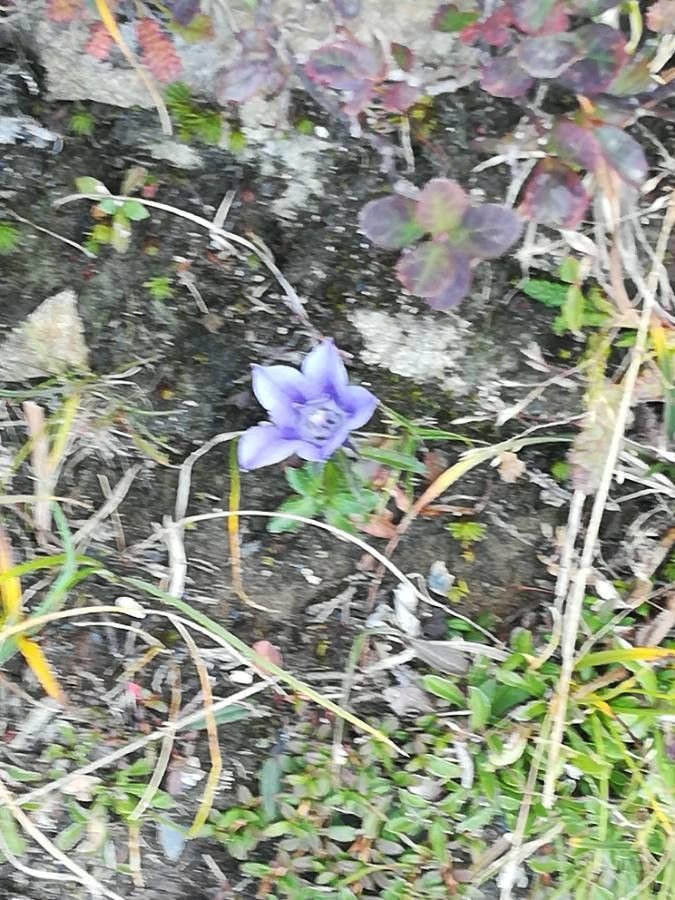
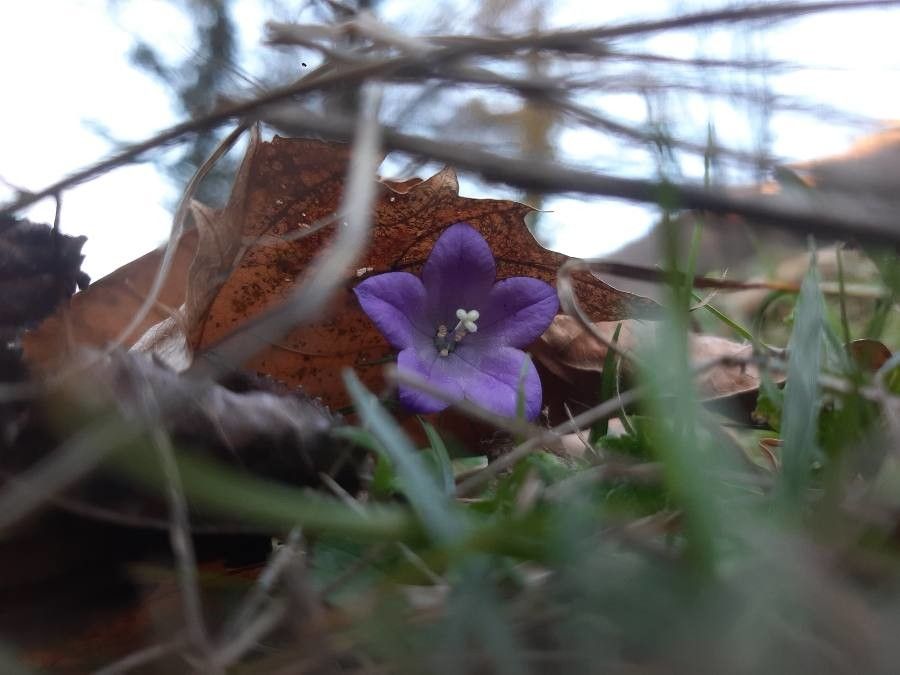
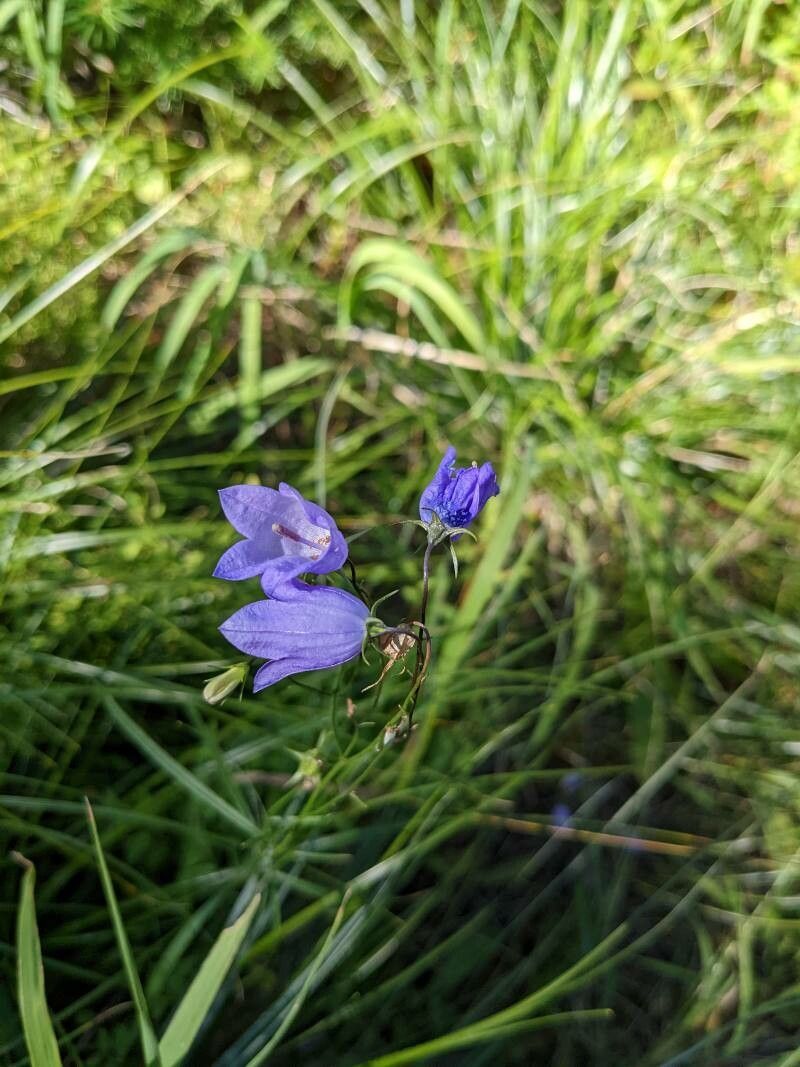
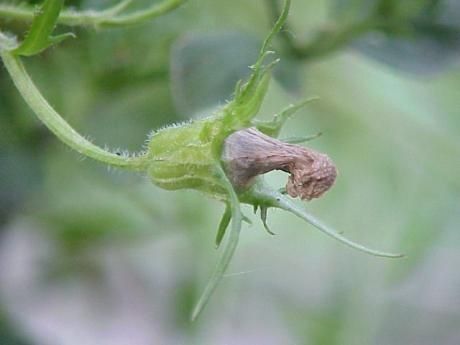
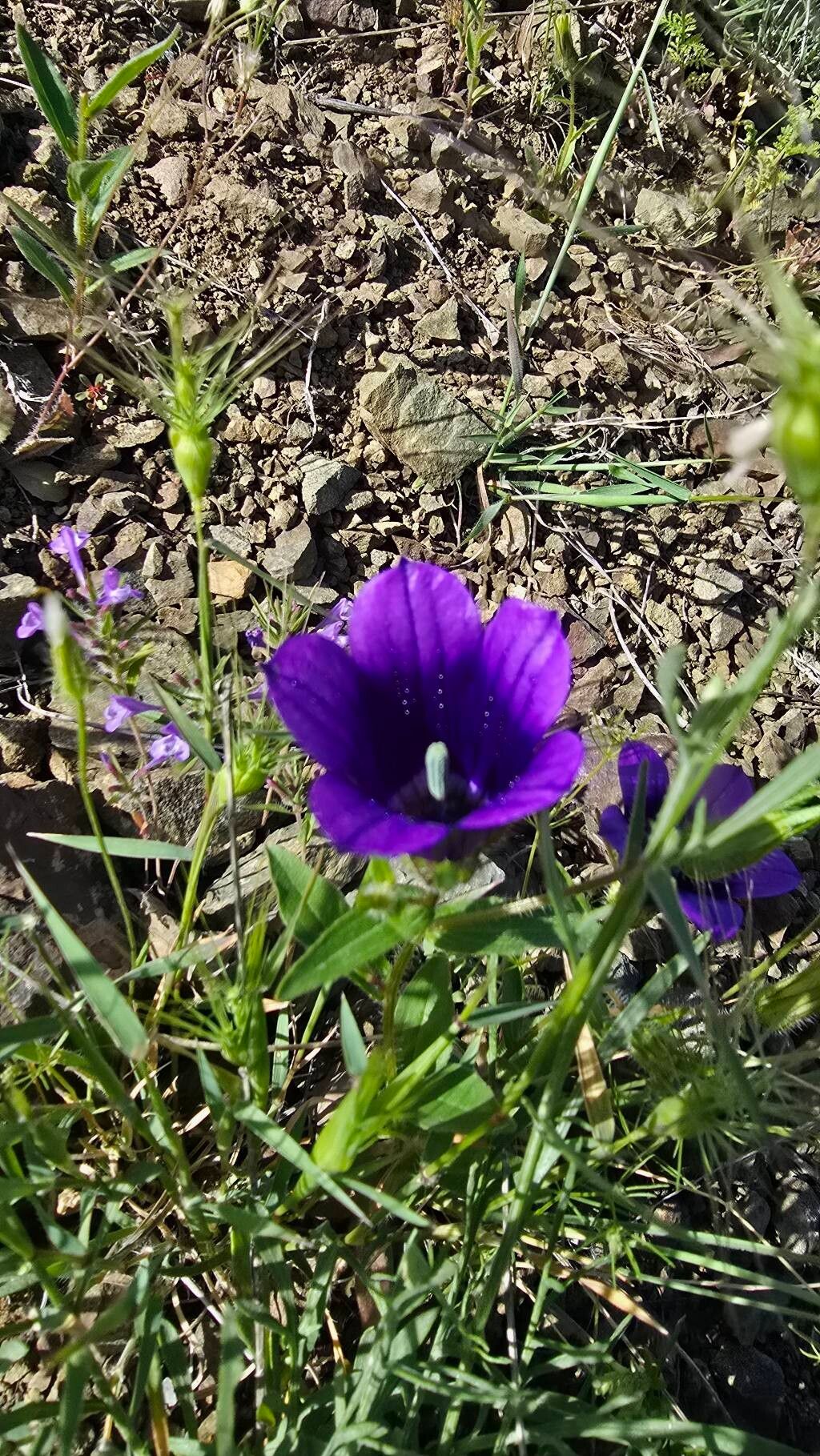
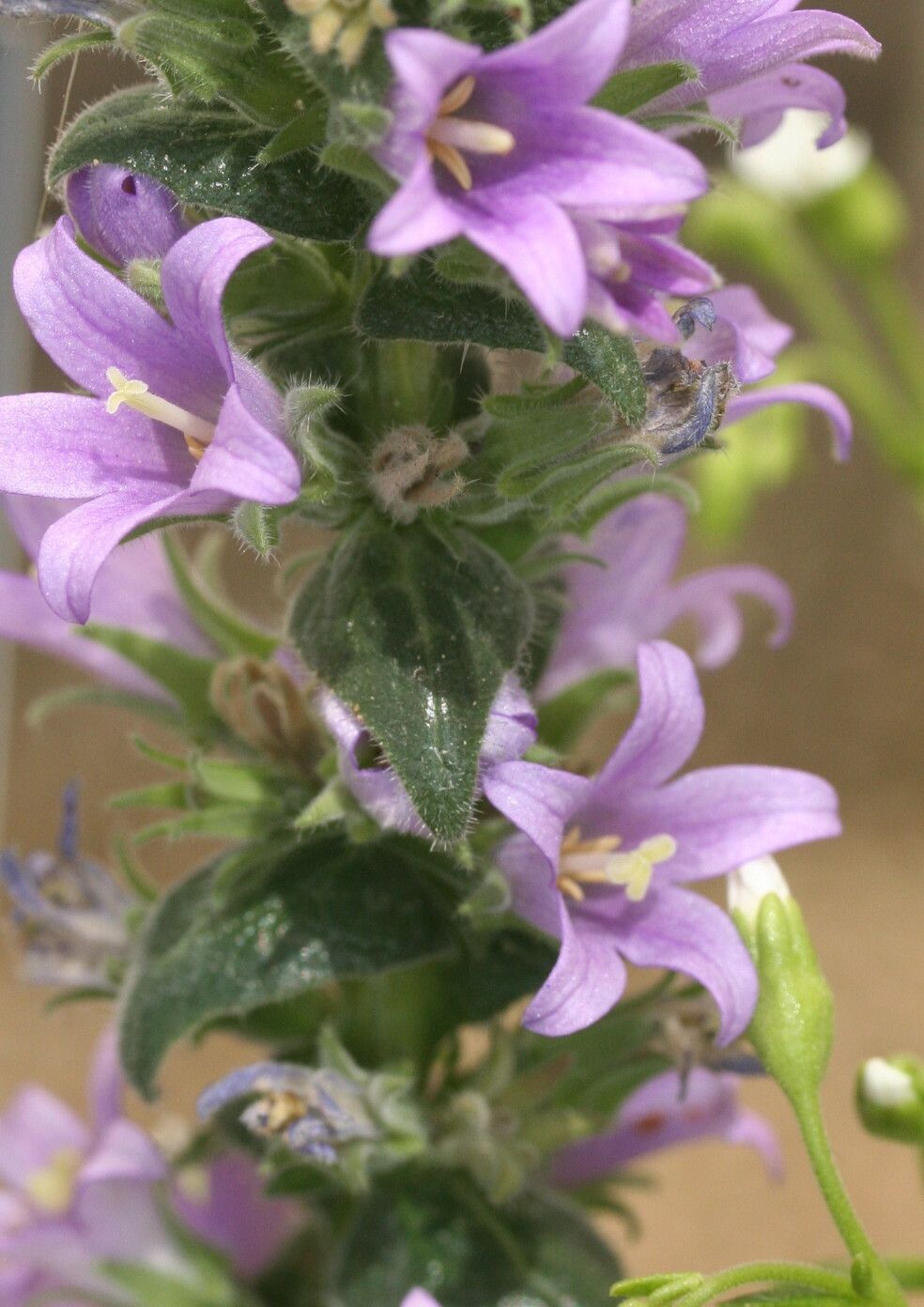
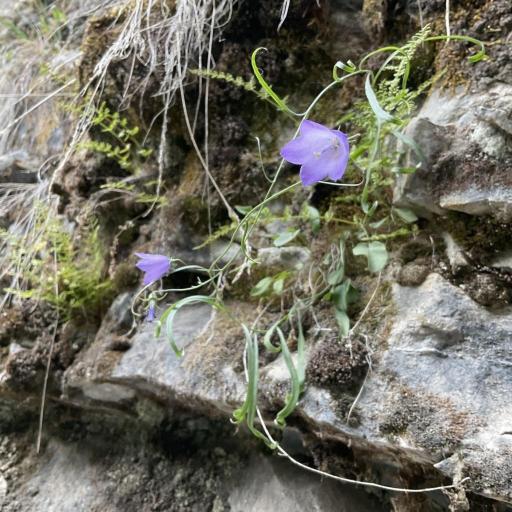
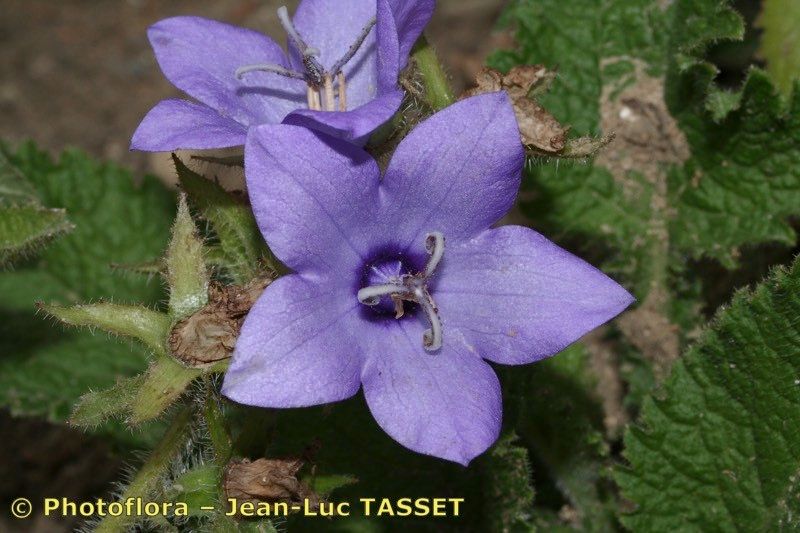
Campanula lasiocarpa, also known as the mountain harebell or Alaska harebell, is a plant native to the northwestern portion of North America including the US states of Alaska and Washington, as well as the Canadian provinces of Alberta, British Columbia, the Northwest Territories, and the Yukon.
Mountain harebell is fairly disease-resistant and generally not affected by many illnesses. Nonetheless, it can be vulnerable to pests and diseases present in its surroundings, though such infections tend to be mild. For care, this plant requires moderate maintenance. It should be pruned regularly to preserve a neat appearance and support healthy growth. Fertilizing can also encourage flowering. Mountain harebell is suitable for anyone with an outdoor area, like a garden or patio, and does not demand extensive care experience. It may need more attention when cultivated indoors.
How to keep Campanula Lasiocarpa.
Light
Mountain harebell is a sun-loving perennial herbaceous plant native to open habitats, often flourishing in meadows and grasslands. It prefers full sun but can also tolerate partial sun conditions.
Water
The mountain harebell thrives in alpine regions, favoring moist conditions but can tolerate short dry spells. It needs well-drained soil and moderate humidity, with regular weekly watering. Usually grown outdoors, the mountain harebell prefers cooler temperatures, which influence its water absorption and retention.
Temperature
Mountain harebell is native to temperate climates, growing well in temperatures between 41 and 89.6 °F (5 to 32 °C). It prefers cooler conditions, so in hotter seasons consider providing shade. Adjust watering during cold weather to prevent freeze damage.
Fertilizer
For Mountain harebell, the primary time to fertilize is in early spring when the flowers are developing. The proper fertilizer encourages stronger blooms and helps Mountain harebell produce attractive flowers. Fertilizing in early spring ensures excellent flowering during the season and provides energy for dormant growth stages.
Pruning
The mountain harebell is a plant known for its bell-shaped blue flowers, thriving in alpine environments. To encourage healthy growth, enhance bushiness, and improve air circulation, it’s important to prune the plant by deadheading and removing damaged stems. This should be done from early to late spring, using clean tools to prevent disease.
Botanical profile.
- Plant Type
- Herb
- Life Cycle
- Perennial
- Genus
- Campanula
- Family
- Campanulaceae
- Hardiness Zone
- 4-8
- Mature Height
- 3 cm to 18 cm
- Mature Spread
- 10 cm to 20 cm
- Leaf Color
- Green, Dark Green
- Leaf Type
- Deciduous
- Flower Color
- Purple, Blue
- Flower Size
- 2.54 cm
- Bloom Time
- Early summer, Mid summer
- Planting Time
- Spring, Summer, Autumn
- Harvest Time
- Late summer, Early fall
- Native Area
- Russia, Japan
Other names.
Reader questions.
What are the sunlight requirements for Mountain harebell?
Mountain harebell (Campanula lasiocarpa) thrives in conditions of partial sun, necessitating about 3-6 hours of sunlight daily. It's crucial to observe the movement of sunlight through your garden meticulously, aiming to locate areas that deliver an optimal blend of light and shade, thereby guaranteeing the well-being of your plants.
What is the botanical name of Mountain harebell?
The botanical name of Mountain harebell is Campanula lasiocarpa. This plant is indigenous to moderate climates and thrives in environments where the temperature ranges between 41 to 89.6 °F (5 to 32 °C). It prefers cooler climates and may require additional shade during the hotter seasons to maintain optimal growth conditions. Furthermore, adjusting watering practices in colder weather is necessary to prevent freeze damage, ensuring the plant's health and longevity.
What are the ideal growing conditions for Mountain harebell?
Mountain harebell flourishes in moderate climates, with ideal temperatures ranging from 41 to 89.6 °F (5 to 32 °C). It prefers cooler environments, which means providing shade during the hotter seasons might be necessary to simulate its natural habitat. Additionally, it's essential to adjust watering practices as the weather cools down to prevent the roots from freezing. These adjustments help maintain the health and beauty of the Mountain harebell.