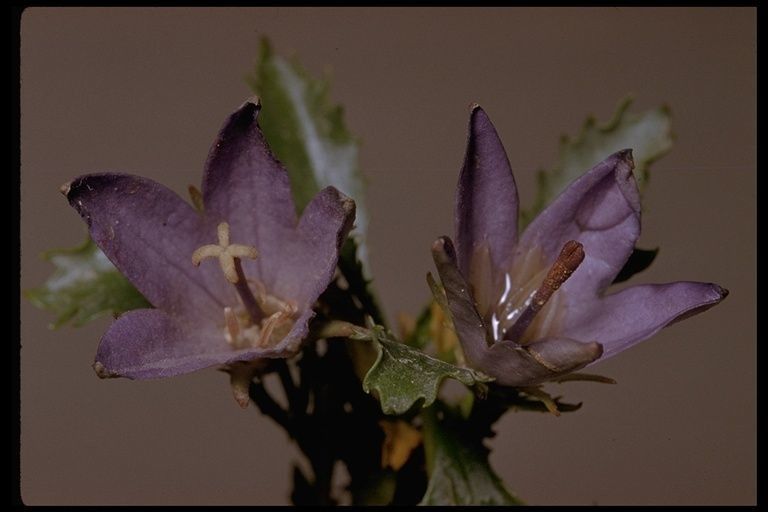
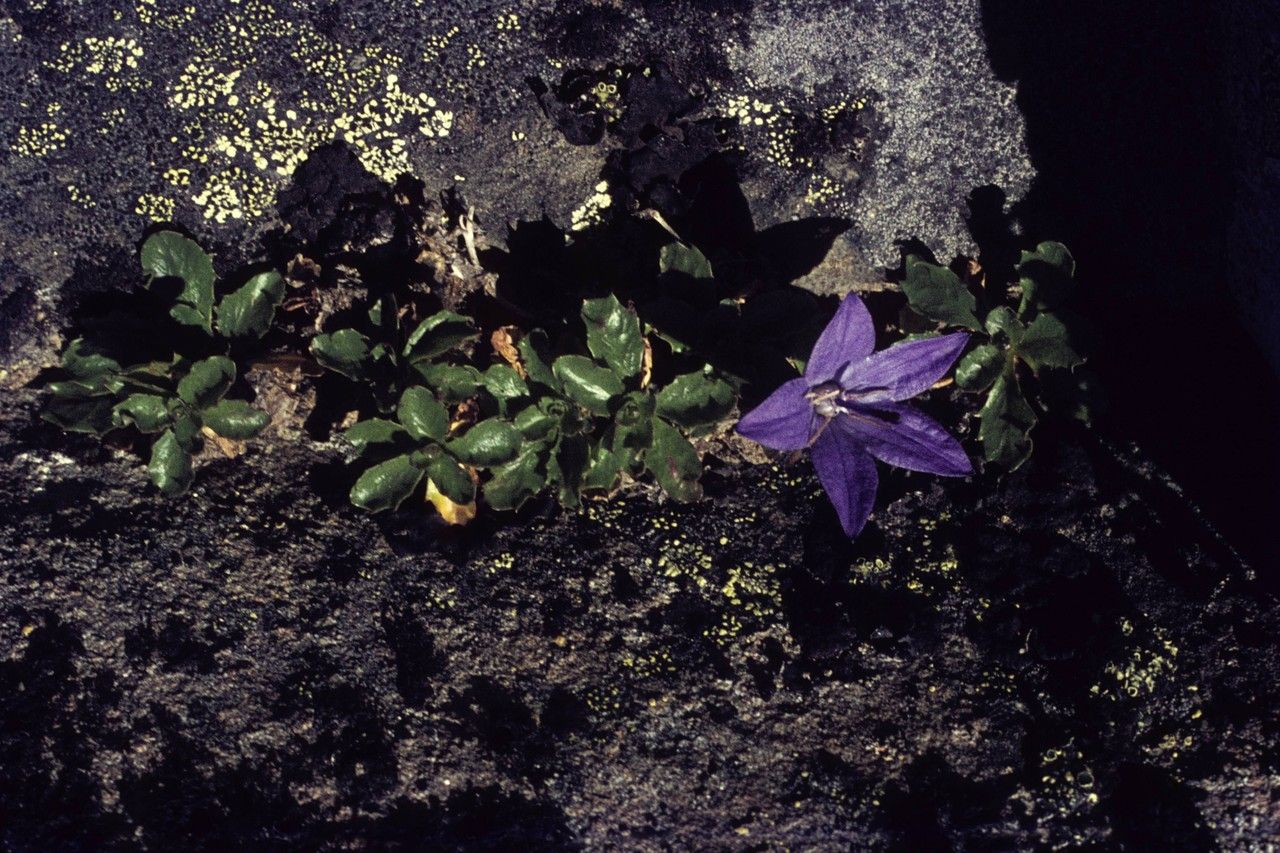
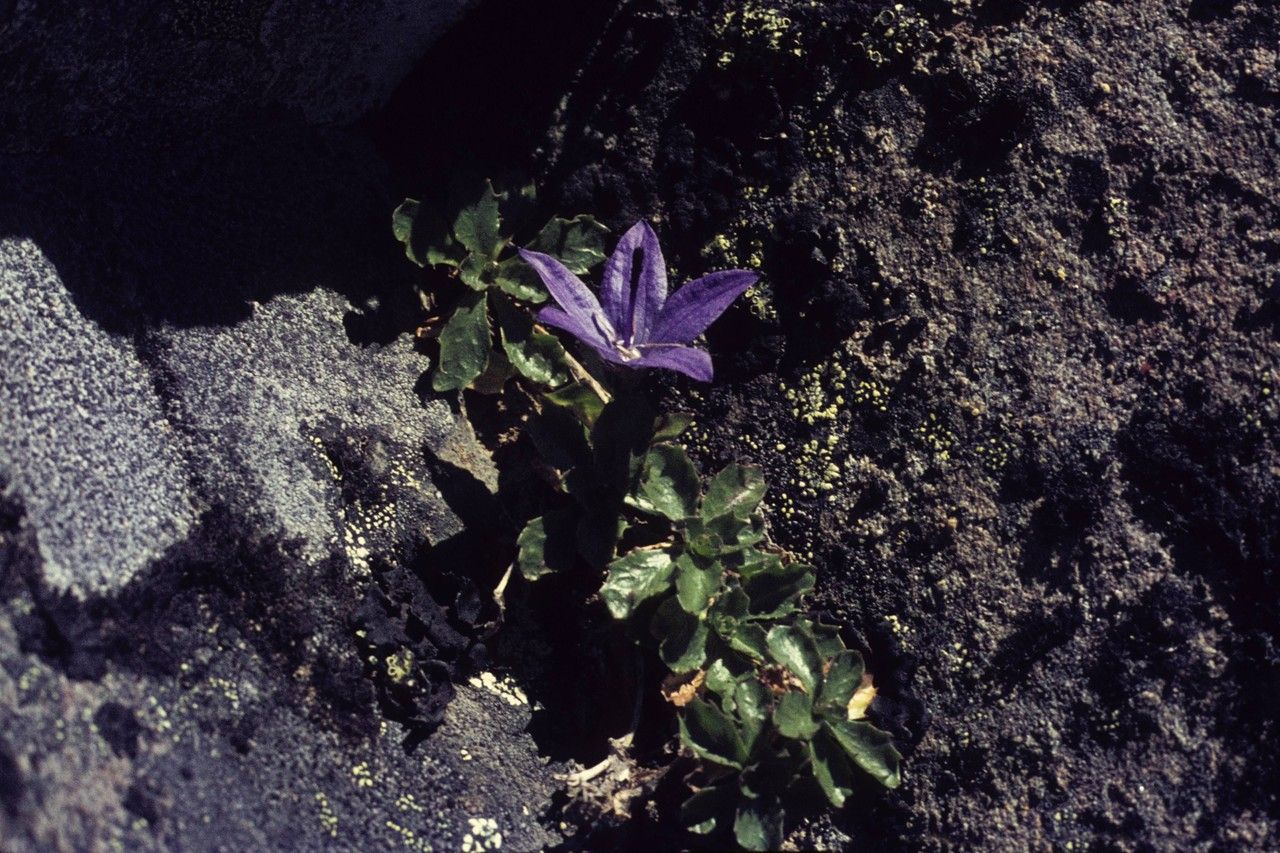
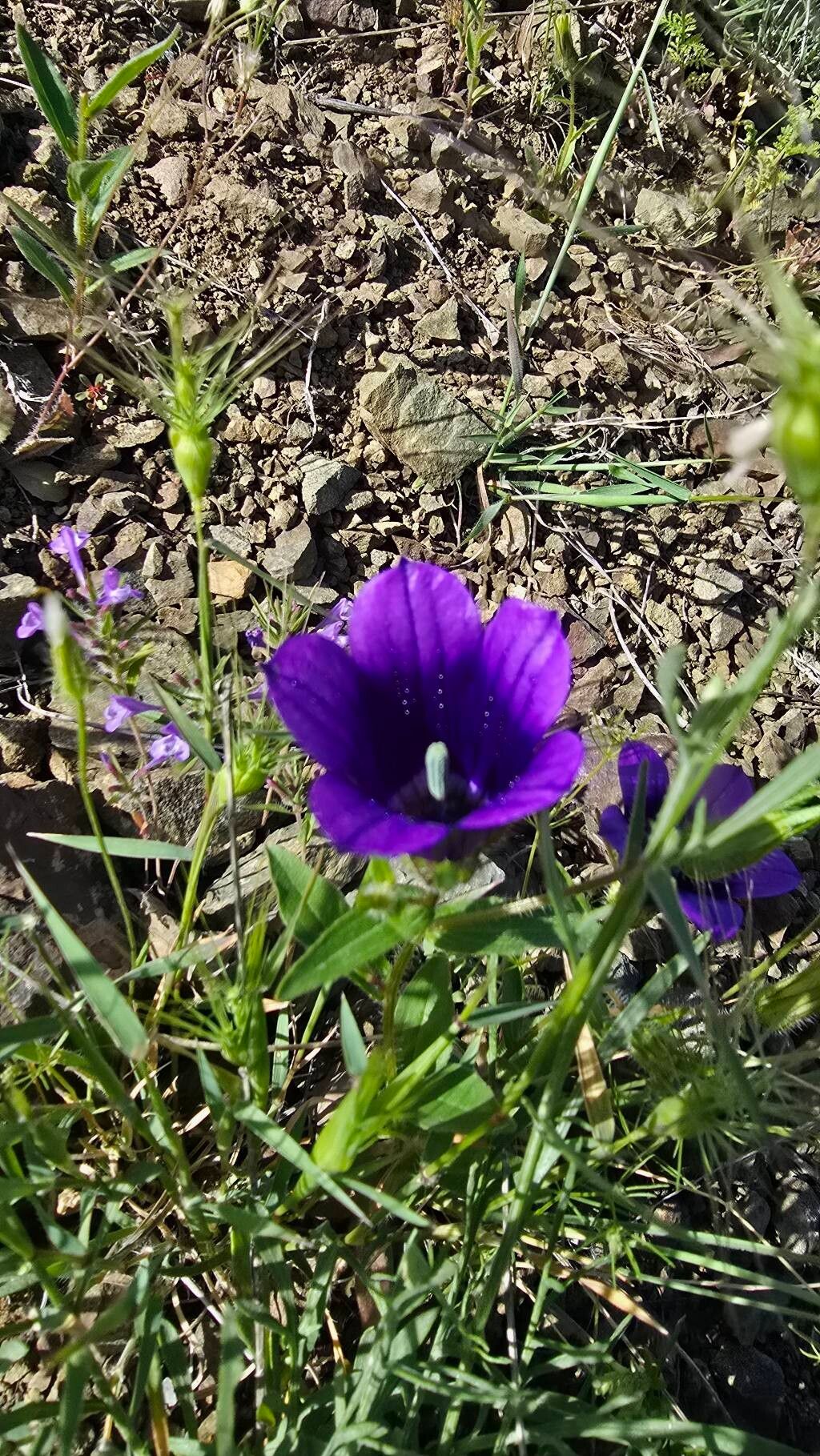
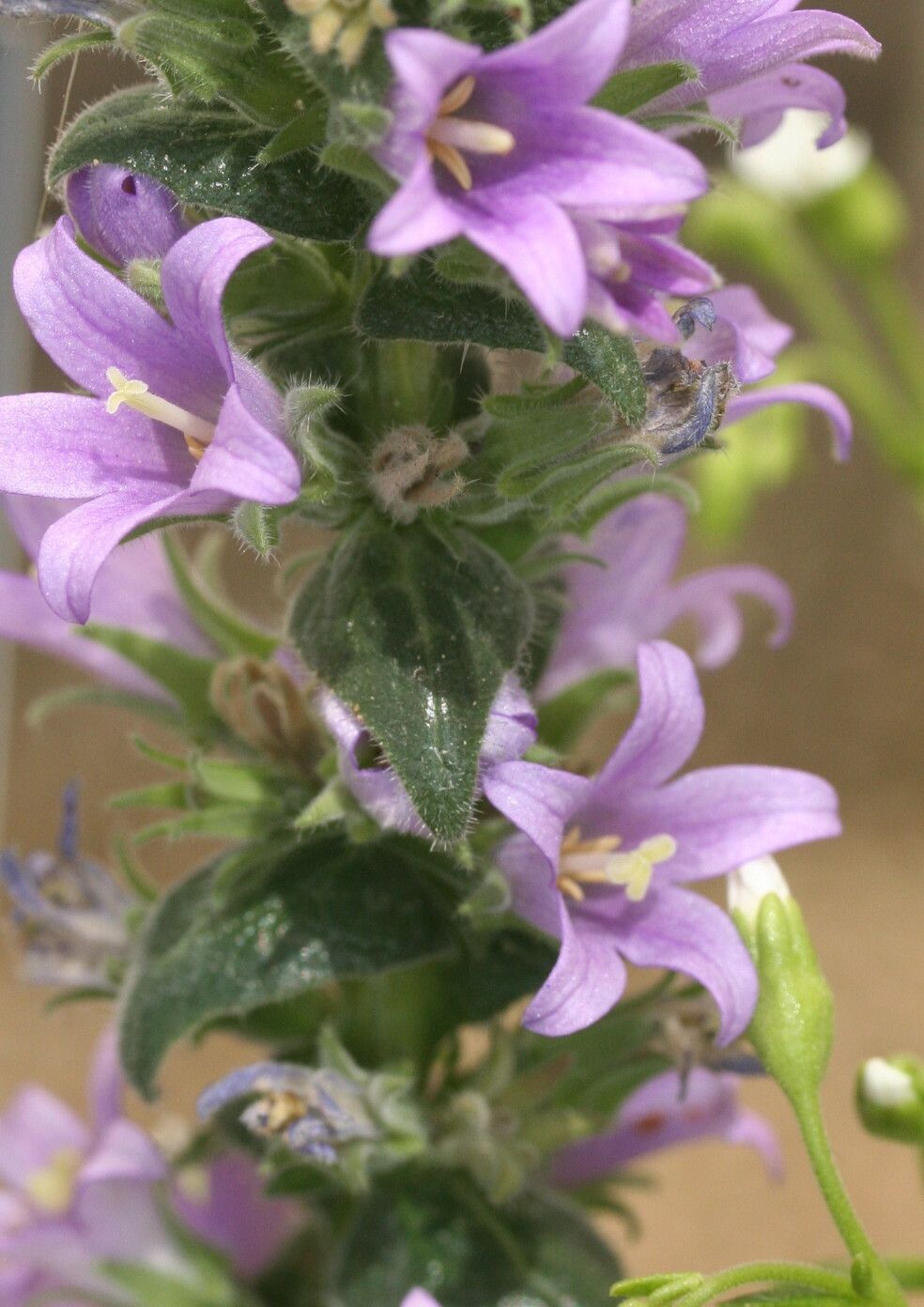
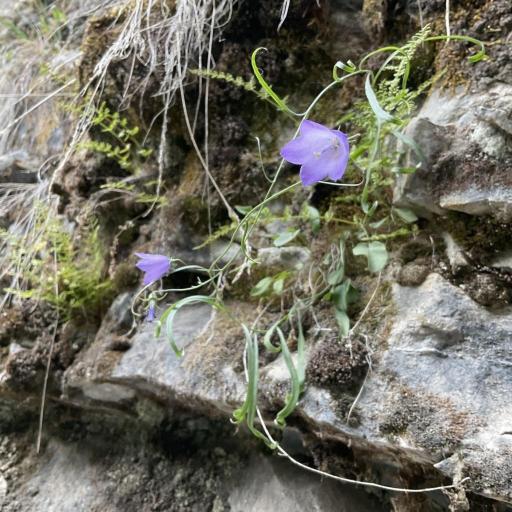
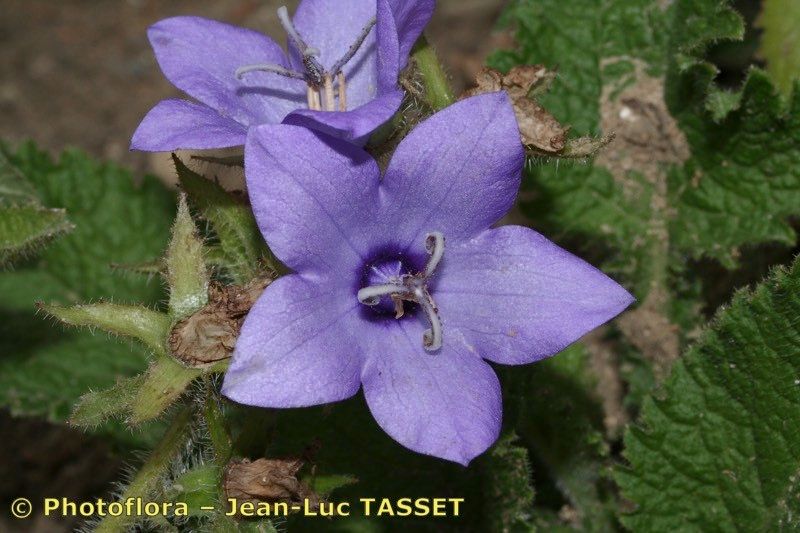
Campanula piperi (Olympic bellflower, Olympic harebell, Piper's bellflower) is a species of flowering plant in the bellflower family, Campanulaceae. It is native to the Olympic Mountains on the Olympic Peninsula in the U.S. state of Washington. It has also been noted on Vancouver Island, British Columbia.
The Olympic bellflower is fairly disease-resistant and typically remains free of serious illnesses. Still, it can be affected by pests and diseases present in its environment. Such infections tend to be mild. Regarding care, this plant is of moderate maintenance. It should be pruned regularly to keep a neat appearance and support healthy growth. Fertilizing can also encourage blooming. The Olympic bellflower is well suited to people who have outdoor space, like a garden or patio, and does not demand extensive care experience. When kept indoors, it may need more attention.
How to keep Campanula Piperi.
Water
The Olympic bellflower thrives in moist conditions. Although it prefers consistent moisture, it can tolerate moderate drought. To keep the plant healthy, water it weekly, and make the most of rainwater during the growing season to boost flowering.
Fertilizer
The optimal period to feed an Olympic bellflower is during the initial phase of spring, when it is transitioning from dormancy to active growth. Fertilization supplies vital nutrients for robust growth. Even though Olympic bellflower's fertilization requirements are fairly minimal, yearly fertilization can boost its longevity and stimulate improved, more durable blooms.
Pruning
The Olympic bellflower is known for its distinctive bell-shaped flowers and its low-growing, mat-like foliage. To encourage new growth and remove dead stems, it is best to prune in early spring. This improves air circulation and reduces the risk of disease. Use sharp, clean tools to make precise cuts, which will help maintain the plant’s health and appearance.
Botanical profile.
- Plant Type
- Herb
- Life Cycle
- Perennial
- Genus
- Campanula
- Family
- Campanulaceae
- Hardiness Zone
- 4-8
- Mature Height
- 3 cm to 10 cm
- Mature Spread
- 15 cm to 20 cm
- Leaf Color
- Green
- Leaf Type
- Deciduous
- Flower Color
- Lavender
- Flower Size
- 2.03 cm to 3.05 cm
- Bloom Time
- Early summer, Mid summer
- Planting Time
- Spring, Summer, Autumn
- Harvest Time
- Late summer, Early fall
Other names.
Reader questions.
What are the sunlight requirements for the Olympic Bellflower?
The Olympic Bellflower, also known by its botanical name Campanula piperi, thrives in varying amounts of sunlight. For optimal growth, areas that receive full sun, meaning above 6 hours of sunlight per day, are ideal. However, it can also flourish in partial sun, with about 3-6 hours of sunlight daily. It's important to observe the patterns of sunlight moving through your garden to find spots that offer the right mix of light and shade, ensuring that your Olympic Bellflower plants are healthy and happy.
What is the Olympic bellflower?
The Olympic bellflower, known botanically as Campanula piperi, is a plant species. Unfortunately, there is no additional information provided about its characteristics, essential details, or symptoms related to this plant.