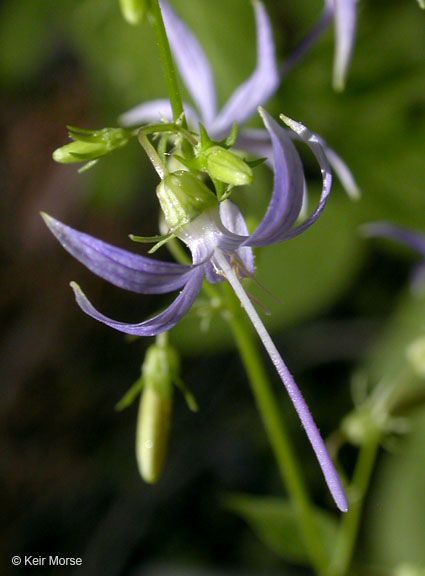
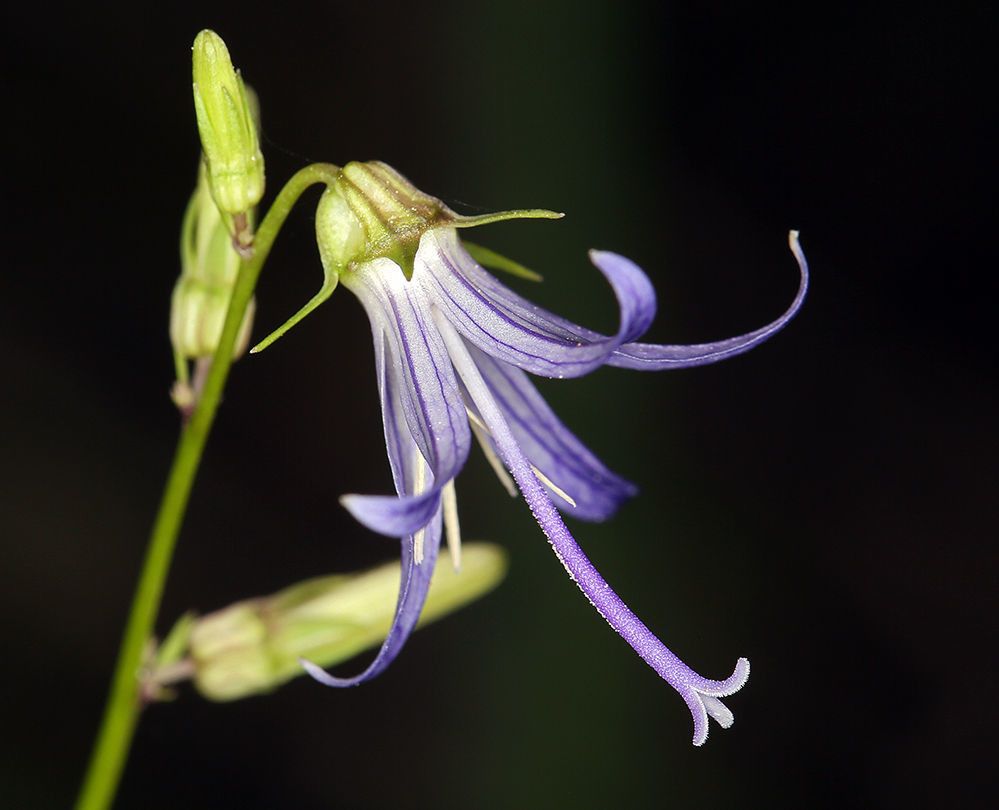
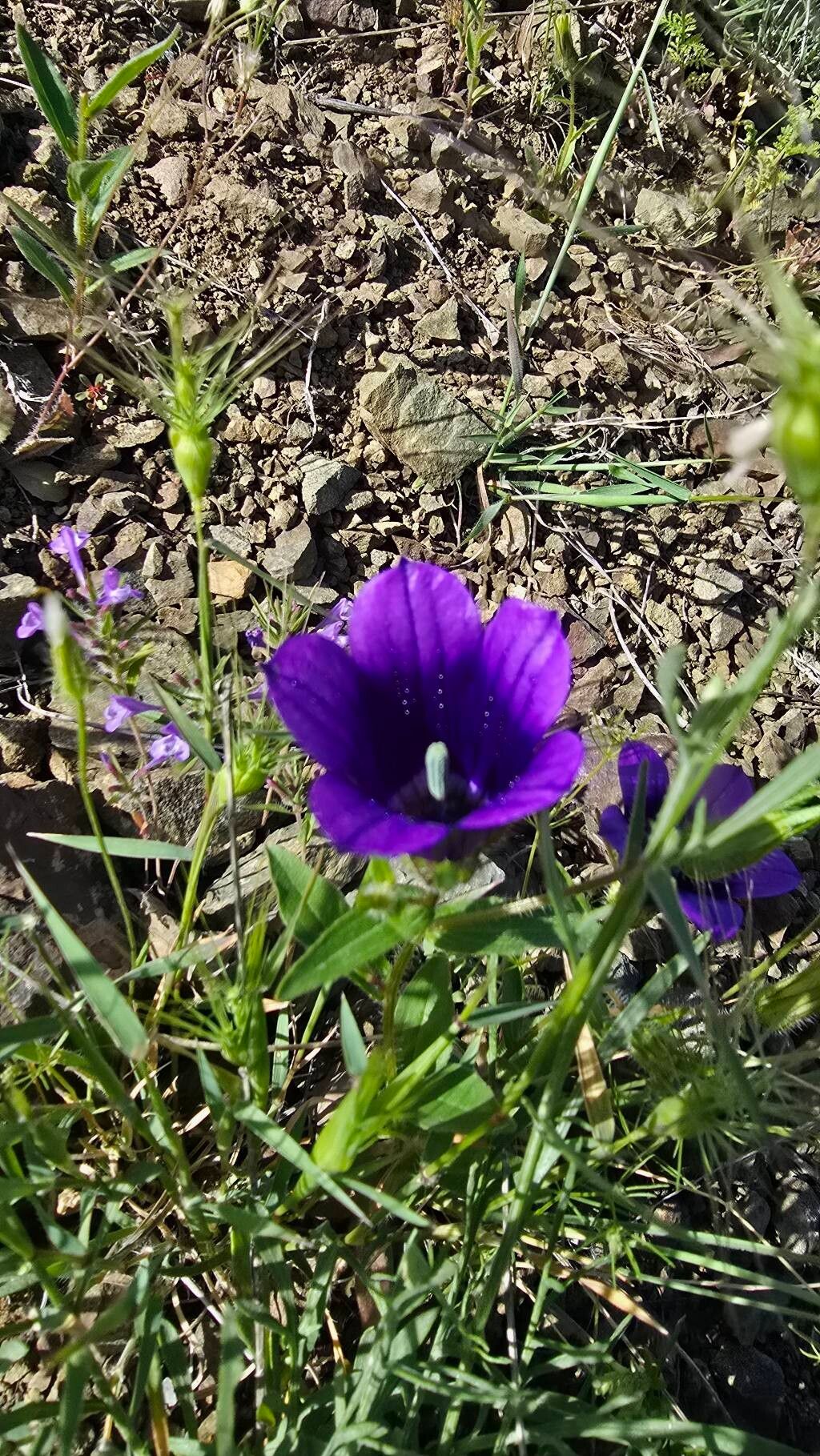
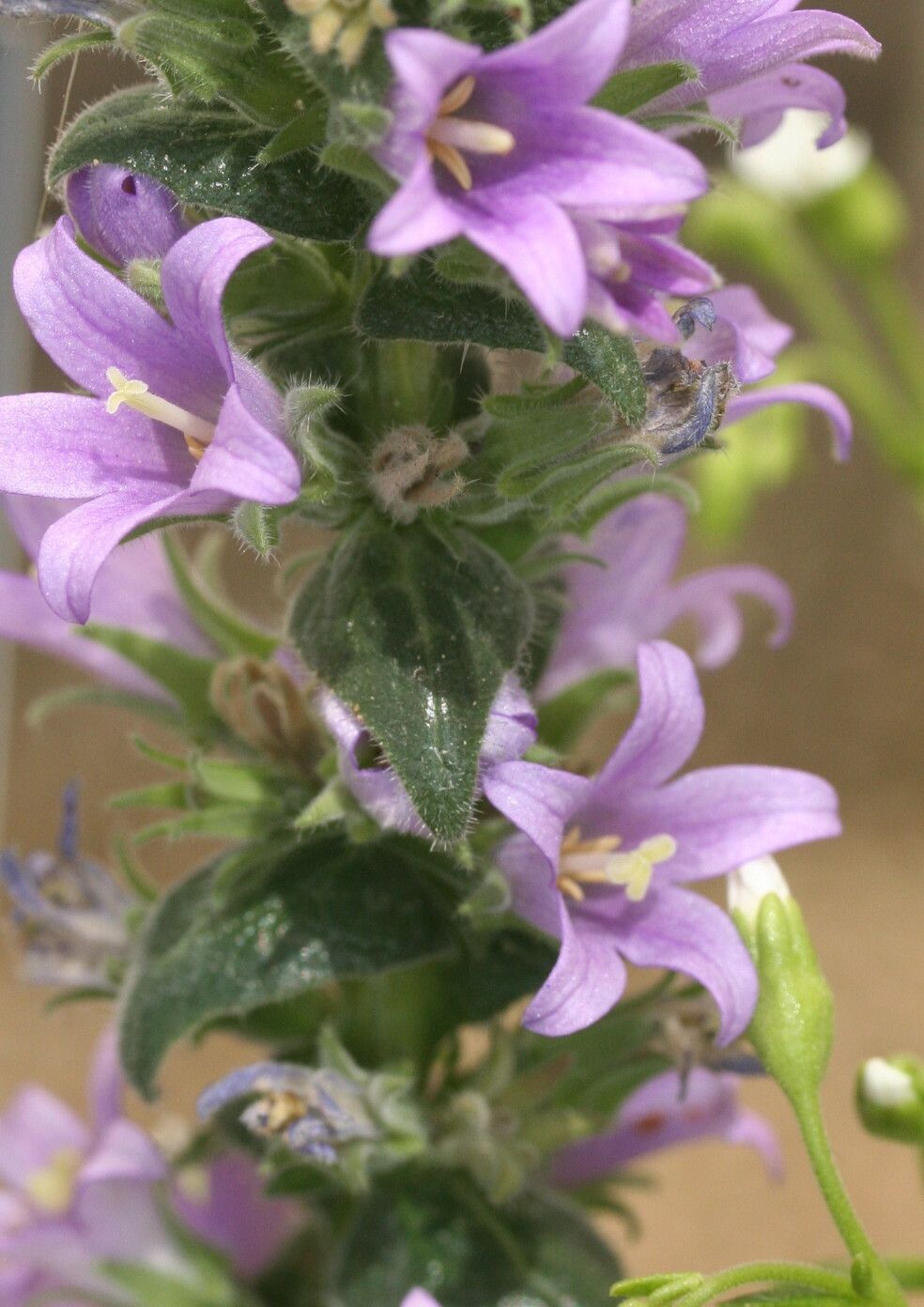
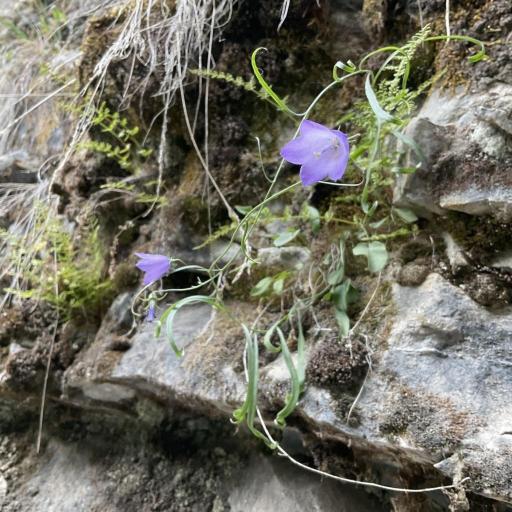
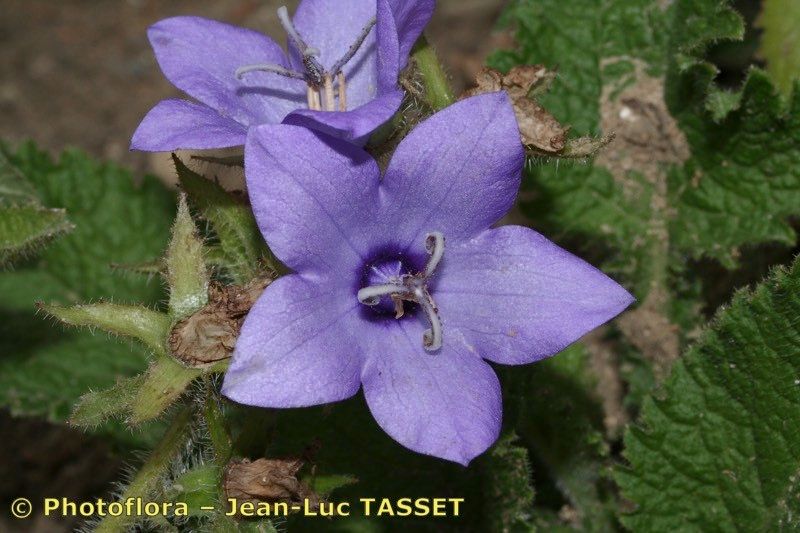
Smithiastrum prenanthoides, commonly known as the California harebell, is a perennial flowering plant in the Campanulaceae. It was formerly classified as a member of either Campanula or Asyneuma and was re-split following the discovery that genera in the family are polyphyletic. S. prenanthoides belongs to one of several small genera in the Campanulaceae native to California and grows in montane coniferous forests.
California harebell is fairly disease-resistant and generally not vulnerable to illnesses. However, it can be affected by pests and diseases present in the surrounding environment. Such infections are typically mild. In terms of care, this plant needs moderate maintenance. It should be pruned regularly to maintain an attractive appearance and healthy growth. Fertilizing can also encourage flowering. California harebell is suitable for anyone with an outdoor area, such as a garden or patio, and does not require extensive care experience. It may need more attention when grown indoors.
How to keep Campanula Prenanthoides.
Light
California harebell naturally occurs in habitats such as forest understories or rocky areas, where it grows in natural shade. It prefers partial sun but can adapt to full sun or full shade, demonstrating its versatile and hardy nature.
Temperature
California harebell can tolerate a wide range of temperatures, but its distribution may still be limited by specific combinations of moisture and heat. It performs best in warm summer climates with sufficient rainfall or watering. Extended stretches of cloudy, rainy weather, as well as prolonged high temperatures, raise the chance of California harebell dying. In winter, suitable protection from cold can improve the plant's survival rate.
Fertilizer
The best time to fertilize a California harebell is in early spring, as it is coming out of dormancy and beginning active growth. Fertilizing supplies essential nutrients for healthy development. Although California harebell has fairly low fertilizer requirements, an annual application can improve its survival and encourage better, longer-lasting flowers.
Pruning
The California harebell is known for its bell-shaped flowers and delicate stems. To promote better growth and more blooms, it is best to prune the plant in early spring. During pruning, remove any dead stems and thin out areas that are overcrowded. Additionally, lightly trimming spent flowers can help extend the blooming period. These practices are essential for maintaining the plant's health and improving its visual appeal throughout the flowering season.
Botanical profile.
- Plant Type
- Herb
- Life Cycle
- Perennial
- Genus
- Campanula
- Family
- Campanulaceae
- Hardiness Zone
- 4-8
- Mature Height
- 30 cm to 61 cm
- Mature Spread
- 20 cm to 30 cm
- Leaf Color
- Green, Dark Green
- Leaf Type
- Deciduous
- Flower Color
- Blue, Violet
- Flower Size
- 1.02 cm to 2.03 cm
- Bloom Time
- Summer
- Planting Time
- Spring, Summer
- Harvest Time
- Late summer, Early fall, Mid fall
Other names.
Reader questions.
What are the sunlight requirements for a California harebell?
California harebell, known botanically as Campanula prenanthoides, thrives in conditions where it can receive varying amounts of sunlight throughout the day. It requires full sun, defined as more than 6 hours of sunlight daily, to flourish. However, it can also tolerate partial sun, which means about 3-6 hours of sunlight each day. It's important to observe the way sunlight moves through your garden to choose the ideal location. This ensures your California harebell plants receive a perfect balance of light and shade, promoting their health and happiness.
What is the California harebell?
The California harebell, known botanically as Campanula prenanthoides, is a plant species. Unfortunately, there is no further detailed information provided about its essentials or symptoms related to its care or cultivation in the data provided.