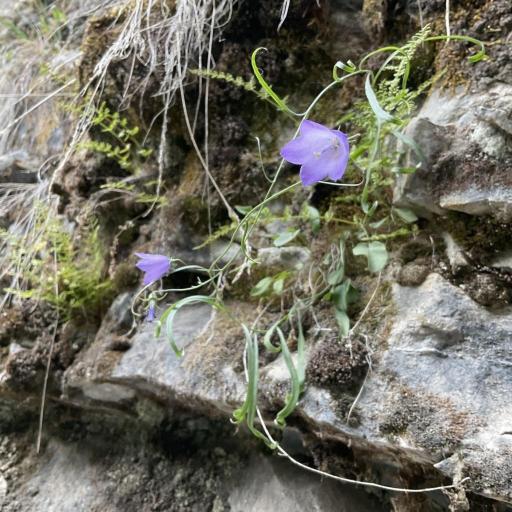
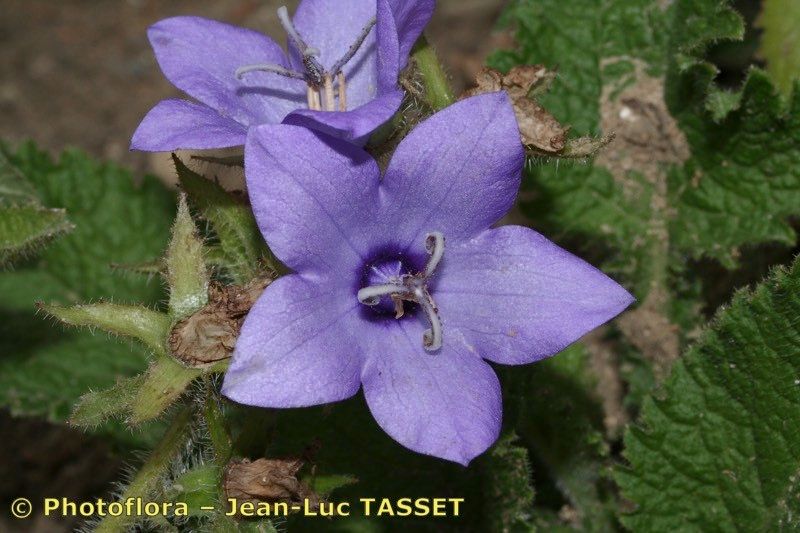
Campanula pyramidalis, commonly known as the Chimney Bellflower, is a perennial herbaceous plant belonging to the Campanulaceae family. This plant is native to the mountainous regions of Europe and Asia and can grow up to 1.5 meters tall.
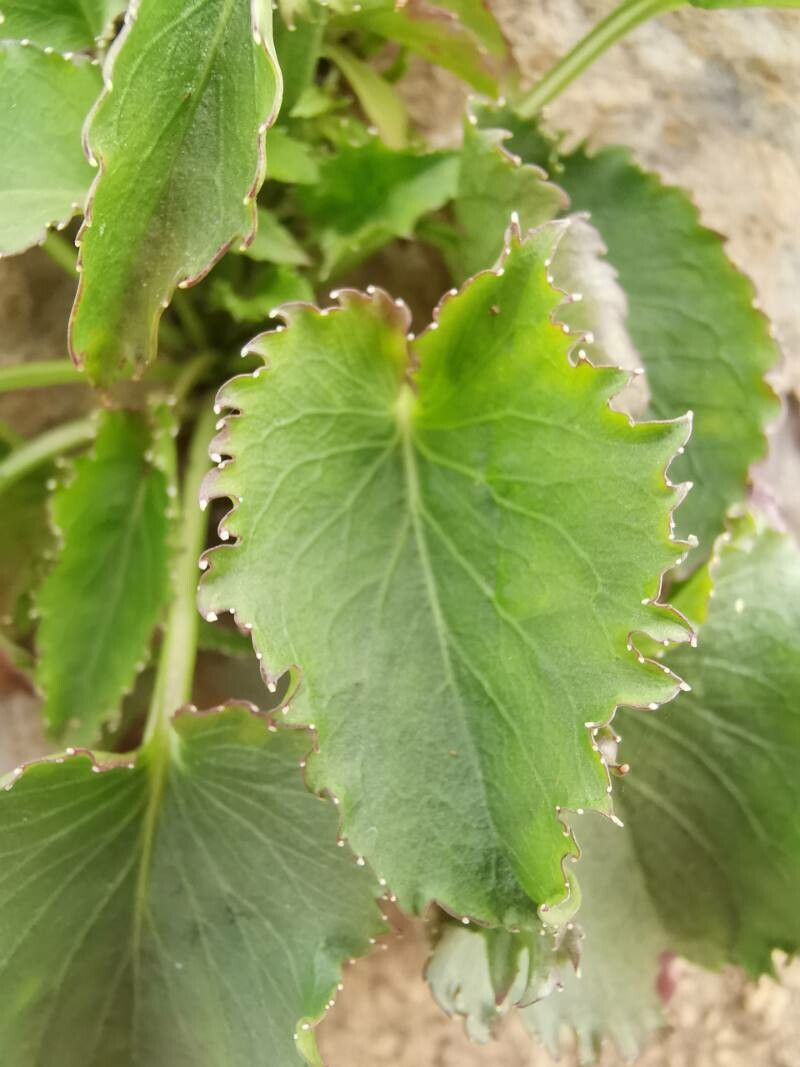
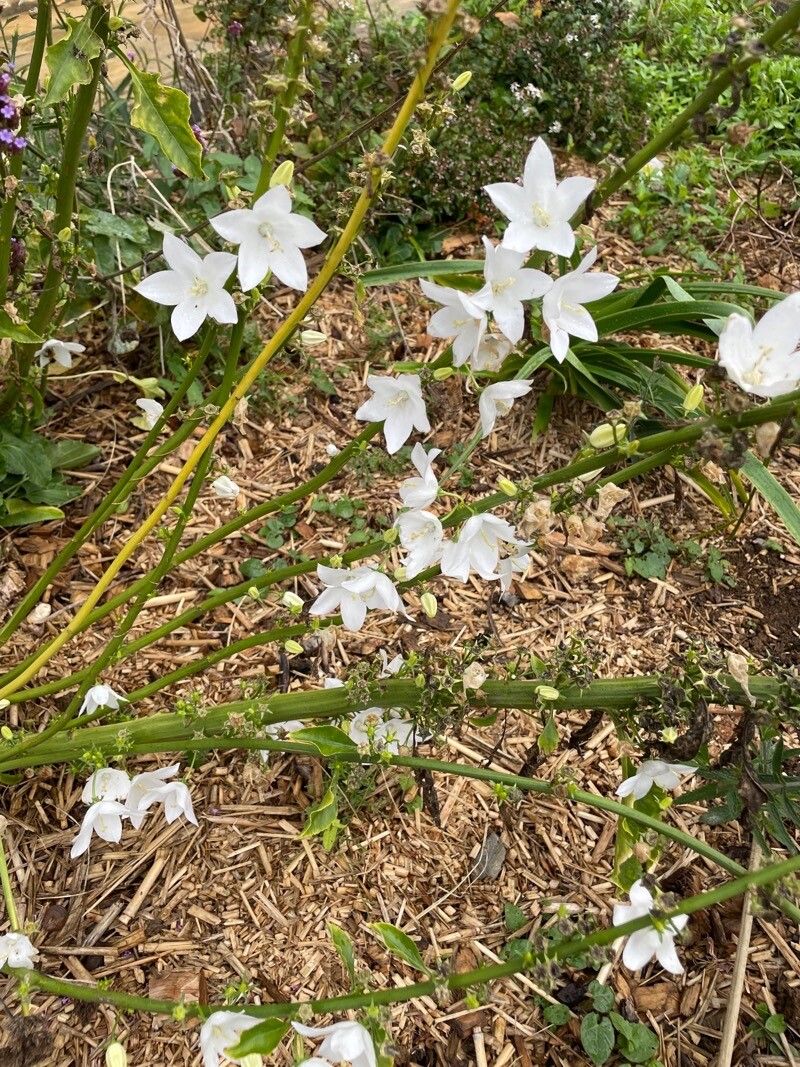
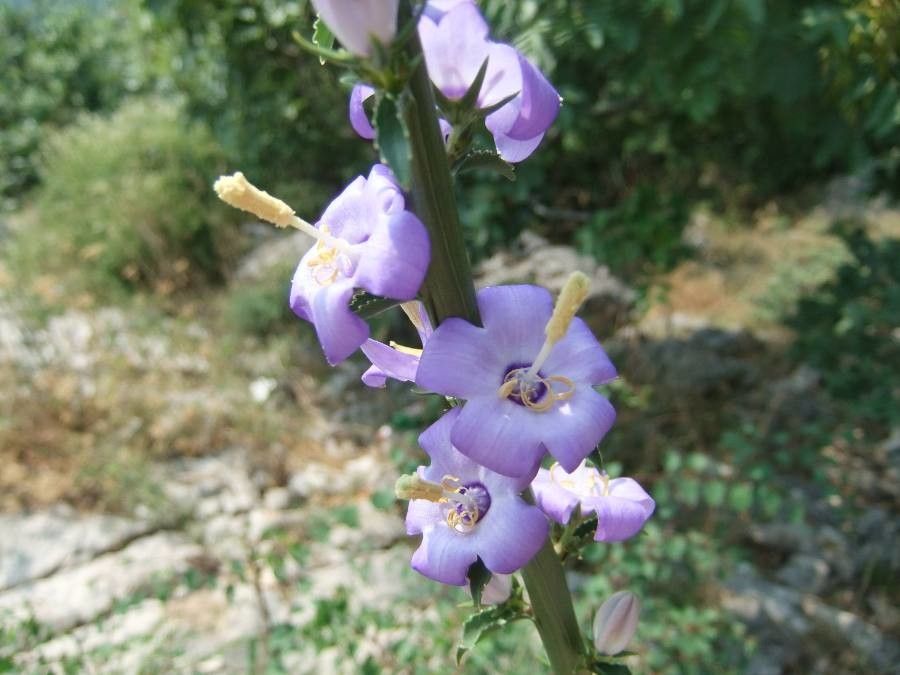
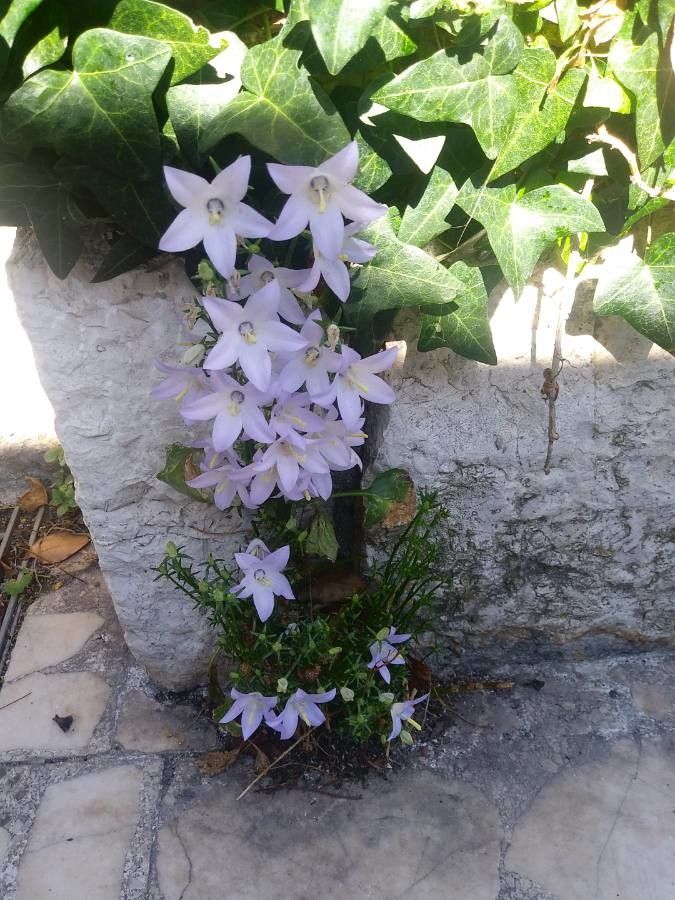
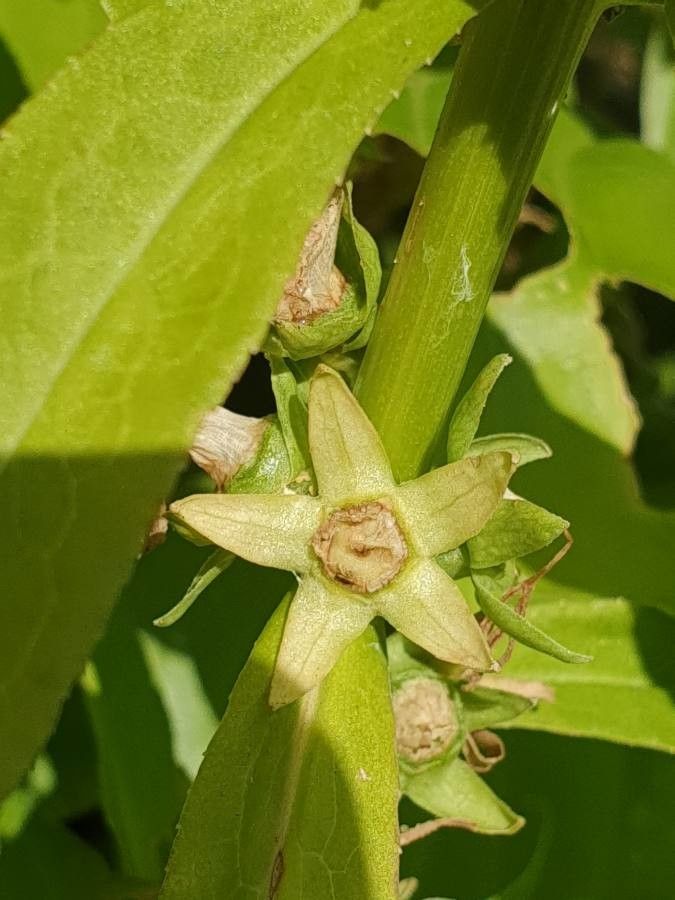
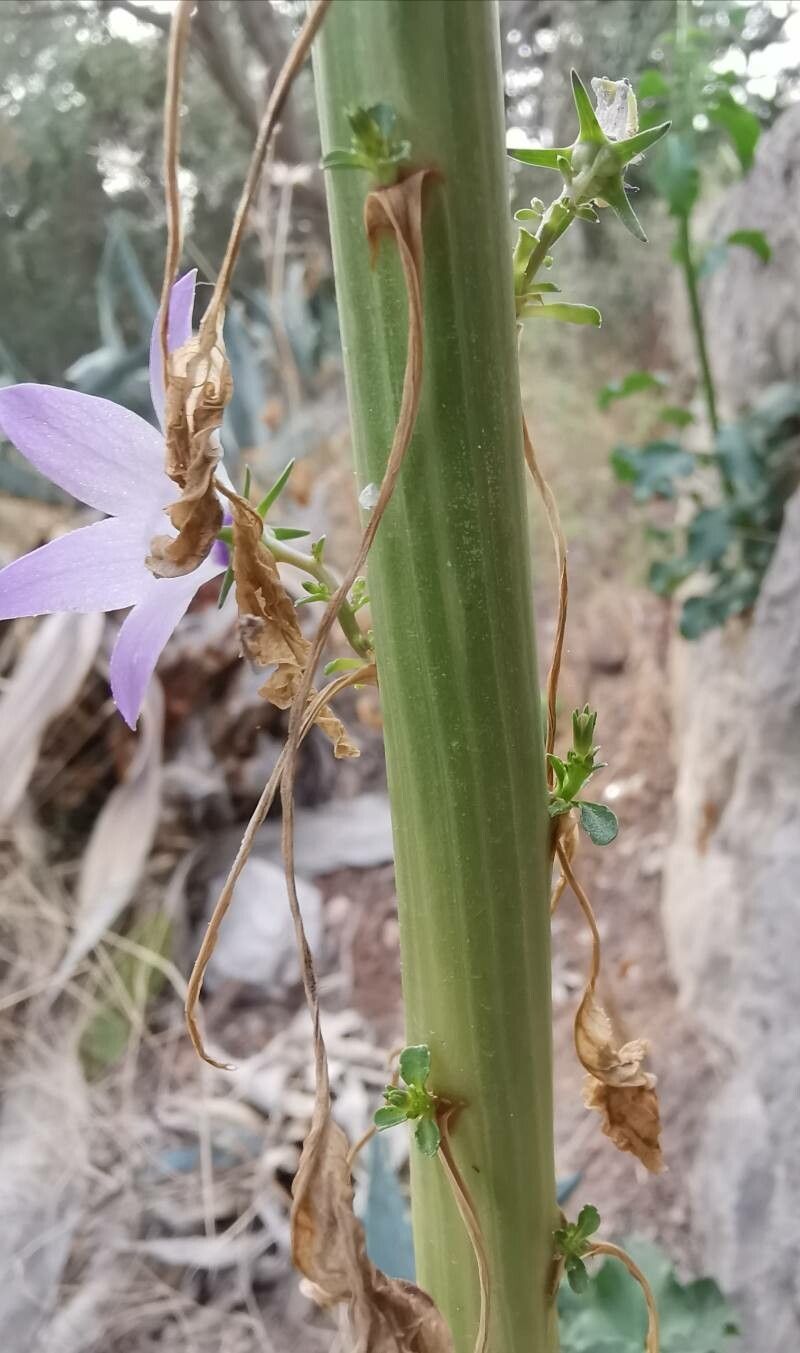
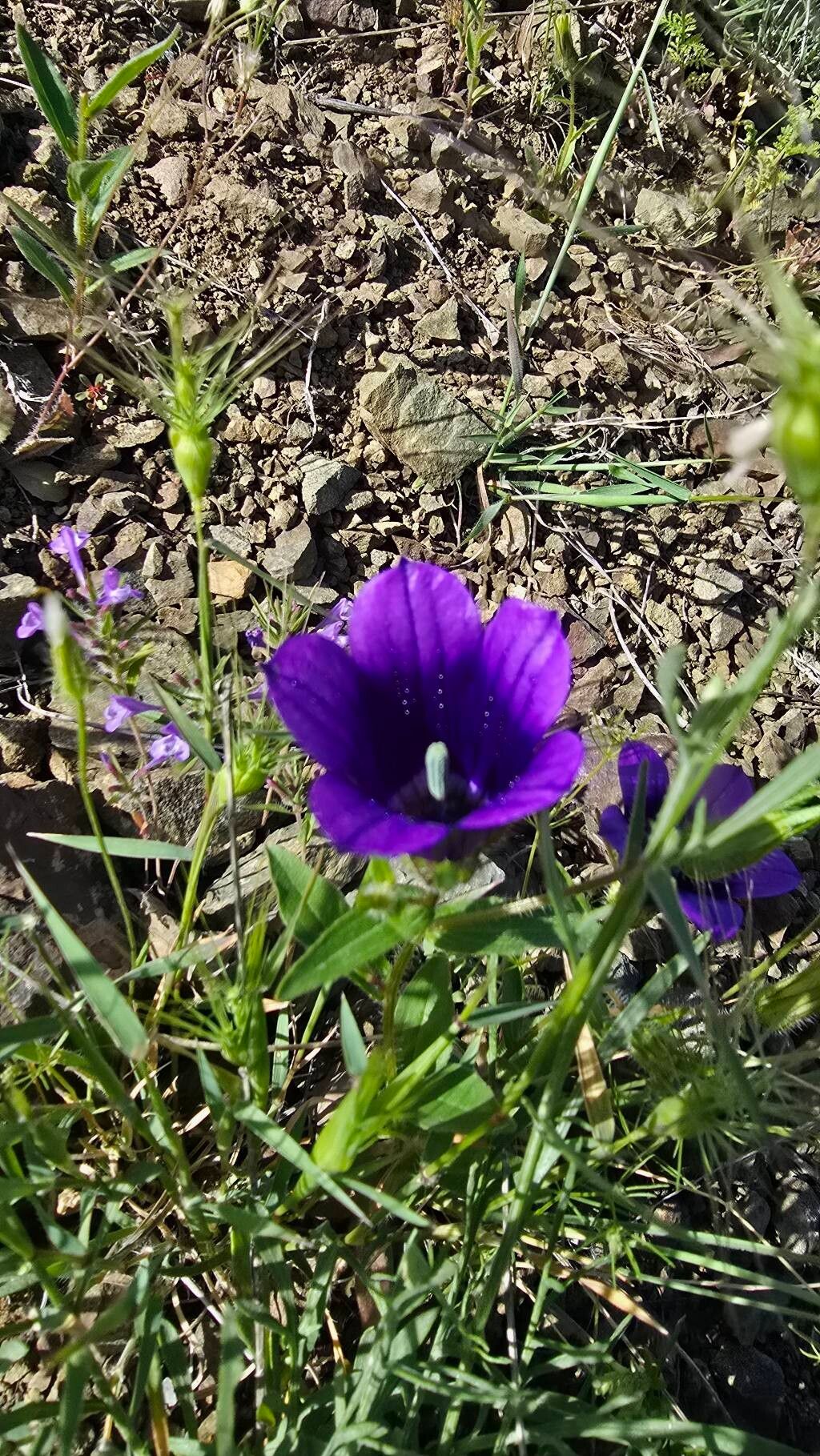
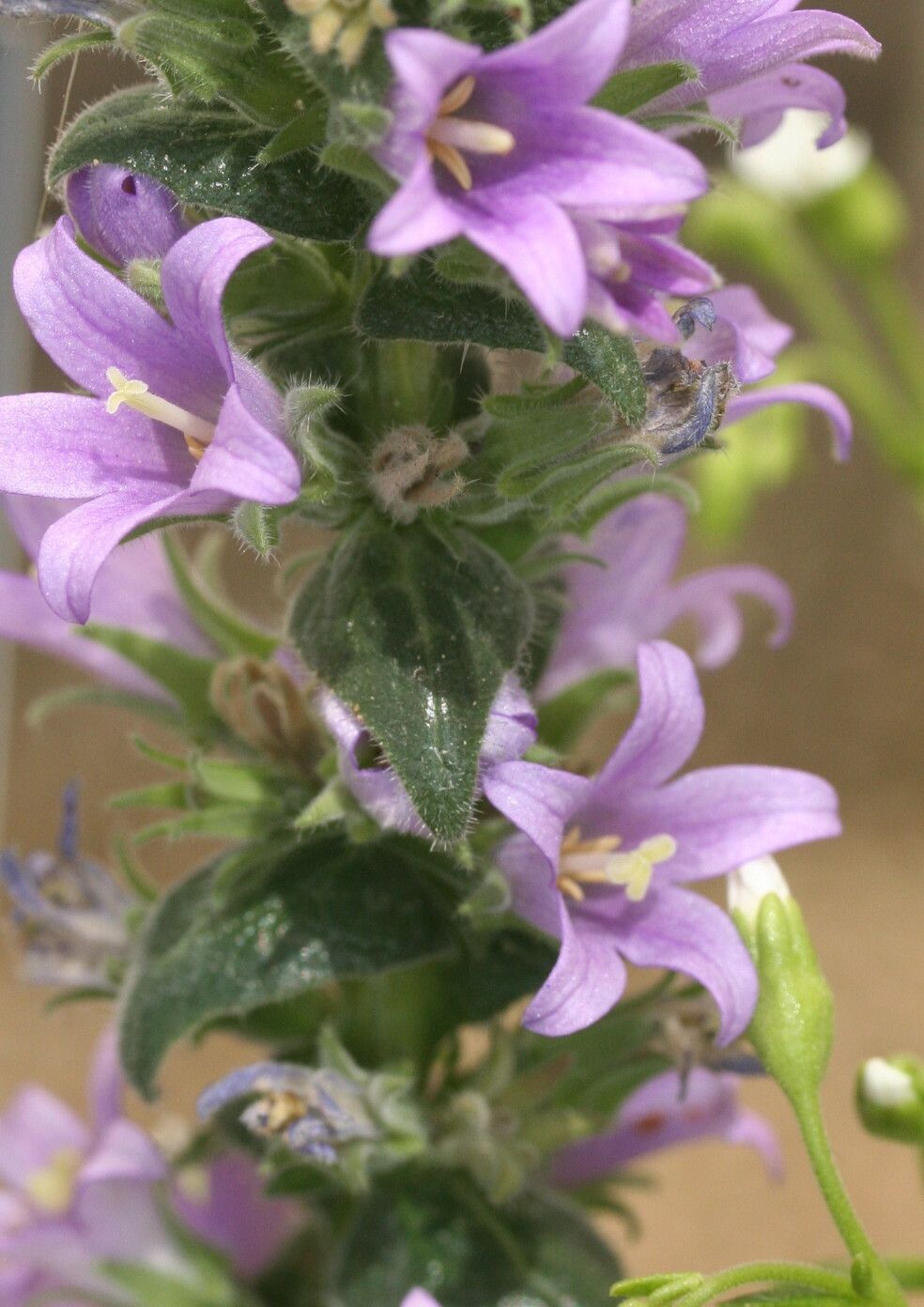
The plant exhibits a pyramidal shape with long stems adorned with small green leaves. Its bell-shaped flowers can be blue, purple, or white, each featuring five petals that form a star shape.
Campanula pyramidalis thrives in well-drained soil and prefers full sun or partial shade. It blooms from late spring to early summer, attracting bees, butterflies, and other pollinators.
Due to its attractive flowers, the Chimney Bellflower is often used as an ornamental plant in gardens, making it an excellent choice for borders or rock gardens. Additionally, it possesses medicinal properties, containing compounds such as saponins, which have anti-inflammatory effects.
Overall, Campanula pyramidalis is a stunning addition to any garden, offering both visual appeal and potential medicinal benefits.
Chimney bellflower is fairly disease-resistant and usually not prone to illnesses. However, it can be affected by pests and diseases found in its surroundings. These issues are typically not serious. Regarding care, this plant requires a moderate level of maintenance. It should be pruned regularly to maintain an attractive appearance and support healthy growth. Fertilizing can also help promote flowering. Chimney bellflower is suitable for anyone with an outdoor area, such as a garden or patio, and does not demand a great deal of care experience. It may need more attention when grown indoors.
How to keep Campanula Pyramidalis.
Light
Chimney bellflower is a sun-loving, perennial herbaceous plant that originates in open habitats and frequently thrives in meadows and grasslands. It prefers full sun but can also tolerate partial sun.
Water
The Chimney bellflower flourishes in European meadows that have consistent moisture. It benefits from weekly watering to achieve lush growth. While it can tolerate short dry spells, its striking blue flowers and adaptability to temperate climates make it an excellent choice for gardens. During its active growth phases, it requires more water to thrive.
Temperature
Chimney bellflower can adjust to a broad range of temperature conditions, but its distribution may still be limited by different combinations of water and heat. It grows best in warm summer climates with sufficient rainfall or watering. Extended periods of cloudy, rainy weather or prolonged high temperatures can raise the chance of Chimney bellflower dying. In winter, proper protection from cold can increase the plant's survival rate.
Fertilizer
The best time to fertilize a Chimney bellflower is in early spring, when it is coming out of dormancy and starting active growth. Fertilization supplies essential nutrients for healthy development. Although the Chimney bellflower has fairly low fertilizer requirements, applying fertilizer annually can boost its survival and encourage improved, longer-lasting blooms.
Pruning
To maintain a healthy and attractive chimney bellflower, regular pruning from early to late spring is key. This practice helps shape the plant into a pyramid, prevents it from becoming too tall and spindly, and encourages it to bloom again. Be sure to remove any weak or dead stems, as this will improve air circulation and reduce the risk of disease. Additionally, using clean tools is crucial to prevent infections and to ensure the plant's robust growth and long life.
Botanical profile.
- Plant Type
- Herb
- Life Cycle
- Perennial, Biennial, Annual
- Genus
- Campanula
- Family
- Campanulaceae
- Hardiness Zone
- 5-9
- Mature Height
- 2.13 m
- Mature Spread
- 61 cm
- Leaf Color
- Green
- Leaf Type
- Deciduous
- Flower Color
- Blue, Lavender
- Flower Size
- 2.03 cm to 3.05 cm
- Bloom Time
- Summer
- Planting Time
- Spring, Summer
- Harvest Time
- Late summer, Early fall, Mid fall
- Native Area
- Croatia, Italy
Other names.
Reader questions.
What are the sunlight requirements for Chimney bellflower (Campanula pyramidalis)?
Chimney bellflower, or Campanula pyramidalis, thrives in various sunlight conditions. For full sun exposure, it requires above 6 hours of sunlight daily. If the plant is in partial sun, about 3-6 hours of sunlight each day is adequate. It's important to observe how sunlight moves through your garden, selecting locations that offer a healthy balance of light and shade. This ensures your plants are happy and healthy, providing them with the ideal conditions to grow.