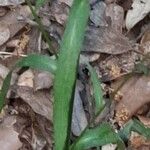
Campanula rapunculus
Rampion · Rampion bellflower · Pulkstenītes (LVL)
Description
Source: leafsnapCampanula rapunculus, common name rampion bellflower, rampion, rover bellflower, or rapunzel, is a species of bellflower (Campanula) in the family Campanulaceae.This species was once widely grown in Europe for its leaves, which were used like spinach, and its parsnip-like root, which was used like a radish. The Brothers Grimm's tale Rapunzel took its name from this plant.
🌳 Rampion’s capacity to take up certain heavy metals from soil could make it a valuable species in phytoremediation programs for polluted areas. Research has found that rampion can accumulate metals such as cadmium, potentially functioning as a bioindicator of soil condition and as a means for environmentally friendly soil restoration.
Care Guide
💧 Water
Rampion originates from temperate regions and thrives in consistently moist but well-drained conditions. It benefits from weekly watering and can withstand short dry spells. Typically grown outdoors, rampion relies on seasonal rainfall to help meet its hydration needs.
How should I water my Rampion plant?
The Rampion plant has specific requirements for watering, and it is important to follow them to prevent damage to your tomatoes. To properly water the Rampion, it is best to apply the water directly to the soil in a slow and gentle way. Avoid pouring all the water into the soil at once or using overhead watering. While watering slowly, make sure to water deeply to ensure that all the soil around the Rampion is adequately moist.
What should I do if I give my Rampion plant too much or too little water?
If you realize you have given too much water to your Rampion, causing concern about potential disease, it is important to take immediate action. The recommended solution for an overwatered Rampion is to remove it from its current location. After removing the plant from the ground, allow its roots to dry slightly before replanting it in a new area with well-draining soil. If you grow your Rampion in pots, you may also consider transferring it to a pot with more or larger drainage holes. On the other hand, if your Rampion is underwatered, simply increase the frequency of watering to ensure it receives enough moisture.
How frequently should I water my Rampion plant?
Rampion plants need a lot of water during their growing season. In the spring and summer, it is important to water them regularly, starting with once or twice a week. As the season goes on, increase the frequency to twice a day or more in hot weather. Once the plants have grown and matured, you can scale back watering to about once a week until the end of the growing season.
How much water does my Rampion plant need?
Rampion plants are highly popular, with both professional and amateur gardeners achieving successful growth. This popularity has given us valuable insights into their care requirements, including the optimal water volume. On average, a Rampion plant should receive around 1 - 1.5 inches of water per week, evenly distributed during your watering sessions. As the temperature rises, you might need to increase the water supply, but generally, aiming for two inches per week is a good starting point.
How can I know if I'm giving enough water to my Rampion?
Both underwatering and overwatering can pose problems for your Rampion plant, and they often present similar symptoms. For instance, both overwatering and underwatering can cause foliage discoloration and wilting. In the case of underwatering, you might observe curling and drooping leaves initially, followed by a decline in leaf vitality. Since your Rampion relies on a significant amount of water, underwatering can also result in stunted growth and overall poor development, affecting both the flowers and the plant itself. On the other hand, overwatering is more likely to lead to diseases like rot, and you may notice unpleasant odors emanating from the soil. Symptoms of underwatering tend to manifest faster than those of overwatering. Additionally, soil conditions can be indicative of overwatering, particularly if you observe excess water accumulation or waterlogged soils.
☀️ Light Full sun
Rampion thrives in locations that receive an optimal amount of sunshine. While it can tolerate areas with filtered light, it performs best under unobstructed sunlight. This tendency mirrors its native habitat, where sunlight is abundant. Both heavy shading and excessive sun exposure can result in reduced growth and health problems for the plant.
What are the sun requirements for Rampion?
Rampion requires specific sunlight conditions to thrive. It flourishes best in areas that receive full sun, defined as above 6 hours of sunlight per day, but can also grow in partial sun, which is about 3-6 hours of sunlight. It's important to observe how sunlight moves through your garden to choose spots that offer a balance of light and shade, ensuring the optimal growth and health of your plants. The plant’s ability to endure in places where sunlight is filtered exists, but for peak growth, unblocked rays are preferable. Excessive shading or overexposure, however, can impair the plant's growth and lead to health issues.
How does artificial lighting benefit indoor Rampion plants?
For indoor Rampion plants, when natural sunlight is not sufficient, especially during winter or in less sunny locations, artificial lighting can be a crucial factor in promoting optimal growth. Suitable types of artificial light include LED lights, which can be tailored to provide specific wavelengths necessary for the plant. Full sun plants require 30-50W/sq ft, partial sun plants need 20-30W/sq ft, and full shade plants benefit from 10-20W/sq ft of artificial light. It's essential to place the light source 12-36 inches above the plant, mimicking natural sunlight's distance, and ensure the plants receive 8-12 hours of light per day to simulate the natural daylight hours for your species.
What are the symptoms of light deficiency in Rampion?
When Rampion is grown indoors or under inadequate light, it may exhibit several symptoms indicating light deficiency. These include smaller new leaves, leggy or sparse growth, faster leaf drop, slower or halted new growth, lighter-colored or irregularly patterned new leaves. Conditions such as chlorosis, where leaves lose their green color and turn yellow, sunscald with damaged plant tissue, leaf curling as a defense mechanism against excessive sunlight, wilting from lost turgor pressure, and leaf scorching with brown, dry edges are all indicators of either too much or too little light. It’s crucial to monitor these symptoms as they help in diagnosing and adjusting the plant's exposure to light.
How can you manage sunlight exposure for Rampion?
Managing sunlight exposure for Rampion involves a few key strategies to ensure the plant receives adequate light whether indoors or outdoors. Indoors, gradually relocating the plant to sunnier spots each week until it gets at least 6 hours of direct sunlight by using a south-facing window or supplementing with artificial light for at least 8 hours daily is beneficial. Outdoors, similarly, gradually adapting the plant to sunnier conditions can prevent sunburn. Reducing obstructions like pruning trees or transplanting to sunnier locations with good drainage can also help. It's noted that parts of the plant that suffered from inadequate light may not recover, but new growth will be healthy with improved light conditions.
🌡️ Temperature 0–35°C
Rampion is a delicate plant native to temperate regions, preferring temperatures of 68 to 95 °F (20 to 35 ℃). In locations with harsh winters or extreme summers, seasonal temperature adjustments may be necessary.
What is the ideal temperature range for growing Rampion?
Rampion thrives best in moderate climates, with an ideal temperature range between 20°C to 35°C (68°F to 95°F). The plant is sensitive to temperature fluctuations, requiring seasonal adjustments especially in regions that experience harsh winters or extreme summers. During winter, it's important to maintain temperatures above 20°C to ensure healthy growth of the plant, while protecting it from temperatures below freezing to prevent damage.
How should Rampion be cared for during winter?
In winter, Rampion requires special care to protect it from cold damage. It's advisable to keep the plant's environment above the freezing point, and when temperatures approach -5°C (25°F), protective measures should be taken. This can include bringing Rampion indoors or setting up temporary protection, like a greenhouse or using plastic film or fabric to cover the plant, ensuring it is shielded from the harsh cold.
What are the symptoms of low temperature damage in Rampion, and how can it be treated?
Rampion shows moderate tolerance to low temperatures but requires protection when temperatures fall below -5°C, which can cause leaves to darken, leading to water-soaked necrosis, wilting, drooping, and eventually the leaves turning brown. To treat frost-damaged Rampion, trim away the affected parts and move the plant to a warm location, ideally near a south-facing window for adequate sunlight. If necessary, use supplemental lighting to compensate for the lack of natural sunlight.
How does high temperature affect Rampion, and what measures should be taken?
During summer, it's critical to ensure Rampion's temperature does not exceed 35°C, as higher temperatures can inhibit its growth, lighten the color of its leaves, and increase susceptibility to sunburn. If the plant experiences temperatures over 38°C, remove any sunburned or dried-up parts, relocate it to a shaded area particularly away from the intense afternoon sun, and maintain soil moisture by watering in the morning and evening.
💨 Humidity
🪴 Soil 5-6
🌱 Fertilizer
To optimize Rampion's yield and flavor, supply sufficient nitrogen throughout the entire growth cycle, including the pre-planting period and at harvest. Plants that are well watered and fertilized produce plentiful, healthy leaves and are less prone to bitterness. Before planting, enrich the soil with organic matter such as compost or manure, preferably 2 to 8 weeks beforehand.
Why should I put fertilizer on my Rampion plant?
Rampion, a plant grown for its edible leaves, requires specific nutrients to develop properly. Nitrogen, phosphorus, and potassium are essential nutrients for all plants, but for foliage, nitrogen is especially important. However, it can be challenging for Rampion to obtain enough nitrogen from the soil to produce a satisfying harvest. To address this, many gardeners choose to heavily feed Rampion with a supplemental nitrogen source.
What is the best time to fertilize my Rampion?
To ensure your Rampion thrives, there are several key moments throughout the growing season where fertilizer should be applied. First, when preparing the ground for planting, it is important to amend the soil with nutrient-rich organic material like compost or manure. This should be done 2 to 8 weeks prior to planting. Next, at the time of planting, it is recommended to amend the soil once again using the same method. Once your seedlings have emerged and grown to about 2 inches tall, it is time for the next round of fertilizer. From there, you can continue to regularly feed your Rampion with either rich organic matter or a commercial fertilizer. This should be done every two to three weeks until harvest. Additionally, it is beneficial to add a layer of compost or manure around the plant. This will provide a continuous supply of nutrients.
When is it not a good idea to fertilize my Rampion?
When choosing fertilizers, remember that nitrogen-rich ones are great for growing lush foliage. However, be cautious when applying them near other vegetable plants that need to prioritize fruit production rather than leaf growth. If you're not careful, you might end up with plants that have abundant leaves but produce very little vegetables. Avoid getting any type of fertilizer on the leaves of your Rampion as it can cause them to burn. It's better to apply the fertilizer a couple of inches away from the base of the plant. If your Rampion is already dealing with issues like disease, pests, drought, or other problems, hold off on fertilizing until those problems are resolved. Fertilizer can be beneficial for healthy plants, but it can actually harm a struggling one.
Which fertilizer should I use for my Rampion plant?
The best type of fertilizer for Rampion depends on factors such as the specific type of plant, environmental conditions, and the composition of the soil. However, since Rampion requires a lot of nitrogen, it is generally safe to use high-nitrogen fertilizers. It is best to amend the soil with manure or compost at the beginning of the growing season, and then use a dry or liquid fertilizer for the rest of the season. When the plant is in the seedling stage, feed it lightly, and gradually increase the feeding as it matures. Many people prefer using organic fertilizers for vegetables because they believe they result in a better taste, but chemical fertilizers can also be effective. Some popular organic options with high nitrogen include fish emulsion, soil meal, compost tea, alfalfa meal, blood meal, and chicken manure. If using chemical fertilizers, look for the NPK number, which indicates the proportion of nitrogen, phosphorus, and potassium in the mixture. For a high-nitrogen option, choose one with the highest first number, such as a 13-2-5 or even a 16-0-0 that contains only nitrogen.
How can I make my Rampion plant grow better?
To fertilize your Rampion, you have a few options depending on the type of fertilizer you have. If you need to amend the soil, start by digging at least 6 inches deep (preferably deeper), and then mix your amendment material with the soil at a 2:1 ratio. Make sure to mix them thoroughly. For granular or powder fertilizers, spread them around the base of the plant following the recommended amount from the retailer. It's a good idea to mix it into the top layer of soil to prevent it from washing or blowing away. Keep the fertilizer about 2 to 3 inches away from the plant to avoid fertilizer burn. After adding a dry fertilizer, make sure to water the soil thoroughly. If you have water-soluble chemical fertilizers, dissolve them in water and use the diluted mix to water your plants. This method is suitable only if you water your Rampion from a container, not through irrigation or other methods.
🪴 Pot & Repot
✂️ Pruning
Rampion is known for its bell-shaped, violet-blue flowers and edible roots. To promote growth and blooming, prune the plant in early to late spring. Remove dead stems and thin out crowded areas to improve air circulation. It’s important to use clean, sharp tools for precise cuts, which will help maximize the plant’s vigor and flowering potential.
🌿 Propagating
🐛 Diseases & pets
☠️ Toxicity
Campanula rapunculus has no toxic effects reported.
Characteristics
- Plant Type
- Herb
- Life Cycle
- Biennial, Perennial
- Genus
- Campanula
- Family
- Campanulaceae
- Hardiness Zone
- 3-9
- Mature Height
- 61 cm to 91 cm
- Mature Spread
- 91 cm
- Leaf Color
- Green
- Leaf Type
- Deciduous
- Flower Color
- Purple, Blue, Violet
- Flower Size
- 1.52 cm to 2.54 cm
- Bloom Time
- Late spring, Early summer, Mid summer
- Planting Time
- Spring, Summer
- Harvest Time
- Mid summer