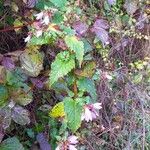
Campanula trachelium
گل استکانی شابیلی (FA) · Nettle-leaved Bellflower · Bats-in-the-belfry · Throatwort · Nettle-leaf bellflower
Description
Source: leafsnapCampanula trachelium, the nettle-leaved bellflower, is a species of bellflower. It is a Eurasian blue wildflower native to Denmark and England and now naturalized in southeast Ireland. It is also found southward through much of Europe into Africa.
🌳 Consider adding nettle-leaved bellflower to your garden borders, wildflower areas, or low-maintenance gardens. When planted in groups, the nodding, tubular blossoms in shades of blue or lilac offer an appealing touch of color to your landscape from late summer to early fall.
Care Guide
💧 Water
The nettle-leaved bellflower thrives in woodland settings, where it prefers moderate moisture and partial shade. To maintain its health, it requires consistently moist soil, including weekly watering during its growing season. This plant is ideal for outdoor cultivation as it balances drought tolerance with a need for humidity, making careful monitoring of its moisture levels essential.
How should I water my Nettle-leaved bellflower?
To properly water the Nettle-leaved bellflower, use filtered water at room temperature. Tap water may contain harmful particles, so filtered water is preferred. The water should be at room temperature or slightly warm since the plant is accustomed to a warm environment and cold water can be a shock. Avoid overhead watering as it can lead to foliage problems. Instead, water the soil directly and thoroughly until it is soaked. This will benefit the plant by moisturizing the roots and aiding in the absorption of nutrients.
What should I do if I give too much or too little water to my Nettle-leaved bellflower?
Overwatering poses a greater risk to the health of your Nettle-leaved bellflower compared to underwatering. When the plant gets too much water, its stems and leaves may wilt and turn yellow. Over time, overwatering can lead to diseases like root rot, mold, and mildew, which can be fatal for your plant. Underwatering is less common because the Nettle-leaved bellflower is moderately drought-tolerant. However, it can still happen, causing brittle and brown leaves. Recognizing the signs of overwatering early is crucial. Some diseases like root rot are irreversible if not addressed promptly. If you notice symptoms of overwatering, reduce watering immediately and check the soil's drainage. Poor drainage requires replacing the soil with a loose, well-draining potting mix. Conversely, if your Nettle-leaved bellflower lacks water, increase watering until the signs improve.
How much should I water my Nettle-leaved bellflower?
If your Nettle-leaved bellflower is in a pot, the most precise way to determine if it needs water is to check the soil by sticking your finger into it. If the top two to three inches of soil are dry, it's time to water it. If you have your Nettle-leaved bellflower planted in the ground outdoors, you can use the same method to test the soil. When the top few inches of soil have dried out, it's time to give it some water. Usually, during spring and early fall, you'll need to water this plant about once a week using this method. However, when it gets extremely hot, you might need to water it twice a week or even more frequently. It's worth noting that mature and well-established Nettle-leaved bellflowers are able to tolerate drought conditions well.
How much water does my Nettle-leaved bellflower need? -> How often should I water my Nettle-leaved bellflower plant?
When watering your Nettle-leaved bellflower, make sure to give it plenty of water. Check the first two to three inches of soil, and if they are dry, give the plant a thorough watering. Be sure to soak the soil completely, adding enough water for excess to drain out through the pot's drainage holes. If you don't see excess water draining, you may have not given enough water. However, be careful not to let water accumulate in the soil, as that can harm the plant. If there is no water draining, it could mean that the soil is not draining well, which is not good for the plant's health. For outdoor plants, 1 inch of rainfall per week should be enough.
How do I water my Nettle-leaved bellflower as it grows?
The water needs of the Nettle-leaved bellflower can vary depending on its growth stages. In the early years or after transplanting, more water should be given to support the growth of new roots. These roots are crucial for future development and require additional moisture. As the plant matures, less water is needed. During the bloom period, the flower development requires a significant amount of moisture, so it may be necessary to increase water supply at this time.
☀️ Light Partial sun
The nettle-leaved bellflower favors locations with ample morning sun and light shade in the afternoon. It can tolerate prolonged sun throughout the day, but flowers and foliage usually remain healthier if the plant is somewhat sheltered. Excessive sun exposure can lead to wilting or discoloration.
What are the sunlight requirements for plants?
Plants generally have varying sunlight requirements to thrive. Partial sun plants require about 3-6 hours of sunlight per day, whereas full sun plants need more than 6 hours of sunlight. It's essential to observe the movement of sunlight through your garden to choose locations that offer a good balance of light and shade, ensuring your plants grow happy and healthy.
How should nettle-leaved bellflower be cared for in terms of sunlight?
Nettle-leaved bellflower prefers areas that receive generous morning sun followed by light shade in the afternoon. While it can tolerate extended sun exposure, its flowering and foliage show better health when slightly sheltered. Excessive sunlight can lead to wilting or discoloration. It's crucial to find a sweet spot that provides it with the right amount of natural light, balancing between too much and too little exposure.
What about using artificial lighting for indoor plants?
When natural sunlight is insufficient, especially in winter or for indoor spaces with less exposure, artificial lighting can be a great alternative. It promotes faster and healthier growth by providing adequate lighting that mimics natural sunlight conditions. LED lights are a popular choice for indoor lighting, as they can be adjusted to provide the specific wavelengths needed by plants. Full sun plants require 30-50W/sq ft of artificial light, partial sun plants need 20-30W/sq ft, and shade plants need 10-20W/sq ft. The artificial light source should be placed 12-36 inches above the plant and kept on for 8-12 hours per day to mimic natural daylight hours.
What are the symptoms of light deficiency in nettle-leaved bellflower?
When nettle-leaved bellflower is grown indoors or under insufficient light, it may show symptoms such as smaller than usual leaves, leggy or sparse growth, premature leaf drop, halted or no new growth, pale or irregularly colored new leaves, and conditions like chlorosis, sunscald, leaf curling, wilting, and leaf scorching. These symptoms indicate the plant's struggle with poor lighting conditions, affecting its health and growth.
How can I address light deficiency symptoms in my plants?
To manage light deficiency, gradually acclimate your plants to more sunlight each week, providing them with 3-6 hours of direct sunlight per day. If moving the plant isn't feasible, especially for larger indoor plants, consider using artificial light sources like desk, ceiling lamps, or professional grow lights for at least 8 hours daily. For outdoor plants, it's crucial to move them to sunnier spots gradually to avoid sunburn. Additionally, reducing obstructions like pruning trees can help increase sunlight exposure. For smaller plants, consider transplanting during their dormant period to a location with better sunlight and drainage. Keep in mind that parts of the plant already affected by insufficient sunlight might not recover, but new growth should be healthy with improved light conditions.
🌡️ Temperature 0–35°C
Nettle-leaved bellflower grows well in its native temperate habitat, preferring temperatures between 68 to 95°F (20 to 35℃). It needs careful monitoring and adjustments during cooler seasons to keep it warm.
What is the optimal temperature range for growing Nettle-leaved bellflower?
Nettle-leaved bellflower thrives in its native temperate environment, with an optimal temperature range between 68 to 95°F (20 to 35°C). It requires careful monitoring and adjustment during cooler seasons to ensure it stays within this temperature range. Despite its strong cold resistance, during winter, when temperatures are forecasted to drop below -35°C, it's crucial to protect the plant from the cold by covering it with soil or straw, and watering it abundantly before the first freeze in autumn to maintain soil moisture.
How does low temperature affect Nettle-leaved bellflower and what are the solutions?
Nettle-leaved bellflower is cold-tolerant and performs best when temperatures are above 20°C, and it should be kept above 0°C during the winter. If temperatures fall below -35°C, you might not notice changes in the winter. However, in spring, there could be a decrease in sprouting or even no sprouting at all. The solution for springs following harsh winters is to remove any parts of the plant that have failed to sprout.
How does high temperature affect Nettle-leaved bellflower and what are the solutions?
During summer, it's important to keep the Nettle-leaved bellflower below 35°C. Temperatures exceeding 38°C can lead to leaves becoming lighter in color, prone to curling, susceptible to sunburn, and in severe cases, the entire plant may wilt and become dry. Solutions include trimming away the sunburned and dried-up parts, moving the plant to a shaded location or using a shade cloth to protect it from midday and afternoon sun, and watering the plant in the morning and evening to keep the soil moist.
💨 Humidity
🪴 Soil 6-7
🌱 Fertilizer
The ideal moment to fertilize a Nettle-leaved bellflower is in early spring, as it comes out of dormancy and begins active growth. Fertilization supplies essential nutrients for healthy development. Although the Nettle-leaved bellflower has relatively modest feeding requirements, applying fertilizer annually can improve its survival and encourage better, longer-lasting blooms.
Why is it necessary to fertilize my Nettle-leaved bellflower?
The main structure of the Nettle-leaved bellflower consists of its leaves. Fertilization is an important way to ensure that the leaves not only look great, but also function properly. Proper fertilization promotes consistent leaf color and a healthy texture. Fertilization also benefits the plant's root system by promoting the growth of new roots and maintaining existing roots. This not only keeps the plant healthy in the present, but also enhances its ability to absorb nutrients from the soil in the future.
When should I fertilize my Nettle-leaved bellflower plant?
If you are growing your Nettle-leaved bellflower outdoors, it will start growing new leaves in early spring. This is a sign that it's time to fertilize the plant for the year. Usually, one application of fertilizer in the spring is enough for the Nettle-leaved bellflower. But if you want it to grow more, you can fertilize it multiple times during spring and early summer. In this case, you can feed it every month to a month and a half.
When is the best time to not use fertilizer on my Nettle-leaved bellflower?
During the late fall and winter, your Nettle-leaved bellflower goes into a dormant phase and stops producing new growth. It is important to avoid fertilizing it during this time. However, in the spring and summer, you can fertilize multiple times, but be sure to reduce the amount of fertilizer as summer approaches because the growth rate of your Nettle-leaved bellflower will slow down. Overall, it is not recommended to fertilize your Nettle-leaved bellflower when the weather is extremely hot or the soil is excessively dry as it can stress the plant and cause it to die early.
What kind of fertilizer does my nettle-leaved bellflower plant require?
Choosing the best fertilizer for a Nettle-leaved bellflower is straightforward. These plants thrive on a general-purpose garden fertilizer with equal amounts of nitrogen, phosphorus, and potassium, such as a 10-10-10 ratio. Avoid fertilizers with high nitrogen levels. Granular slow-release fertilizers are usually effective and easy to apply. Additionally, feeding the bellflower with organic compost can be beneficial.
How can I feed my Nettle-leaved bellflower?
To ensure the successful growth of your Nettle-leaved bellflower, wait until early spring when its first leaves just emerge from the soil's surface. Once you see this, apply a balanced slow-release fertilizer around the base of the plant. If desired, you can repeat this process later in the season. When applying fertilizer again, make sure to target the soil at the base of the plant rather than the plant itself. Sometimes, you may need to move some leaves aside to access the soil above the roots. Additionally, it is recommended to water your Nettle-leaved bellflower before and after fertilizing.
🪴 Pot & Repot
✂️ Pruning
To ensure the nettle-leaved bellflower thrives, it needs pruning from early to late spring. Remove any dead or diseased stems to encourage healthy growth, and thin the plant to improve air circulation. Trim back spent flower stalks to encourage more blooms and maintain the plant's size and shape. These steps will help cultivate a vigorous and attractive plant.
🌿 Propagating
🐛 Diseases & pets
☠️ Toxicity
Campanula trachelium is not toxic to either pets or people.
Characteristics
- Plant Type
- Herb
- Life Cycle
- Perennial, Annual
- Genus
- Campanula
- Family
- Campanulaceae
- Hardiness Zone
- 3-9
- Mature Height
- 61 cm to 91 cm
- Mature Spread
- 30 cm to 40 cm
- Leaf Color
- Green
- Leaf Type
- Deciduous
- Flower Color
- Purple, Lavender, Blue
- Flower Size
- 2.54 cm to 5.08 cm
- Bloom Time
- Early summer, Mid summer
- Planting Time
- Spring
- Harvest Time
- Mid summer