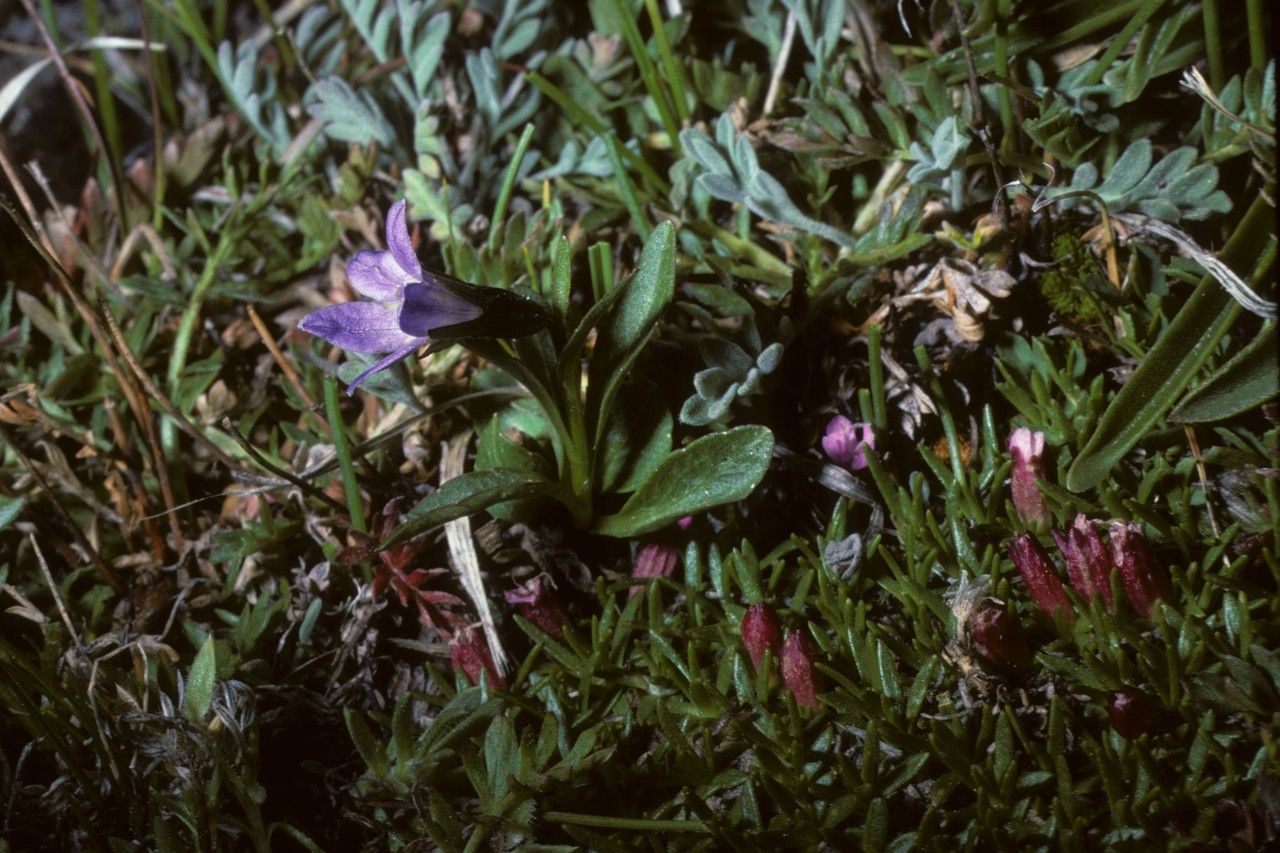
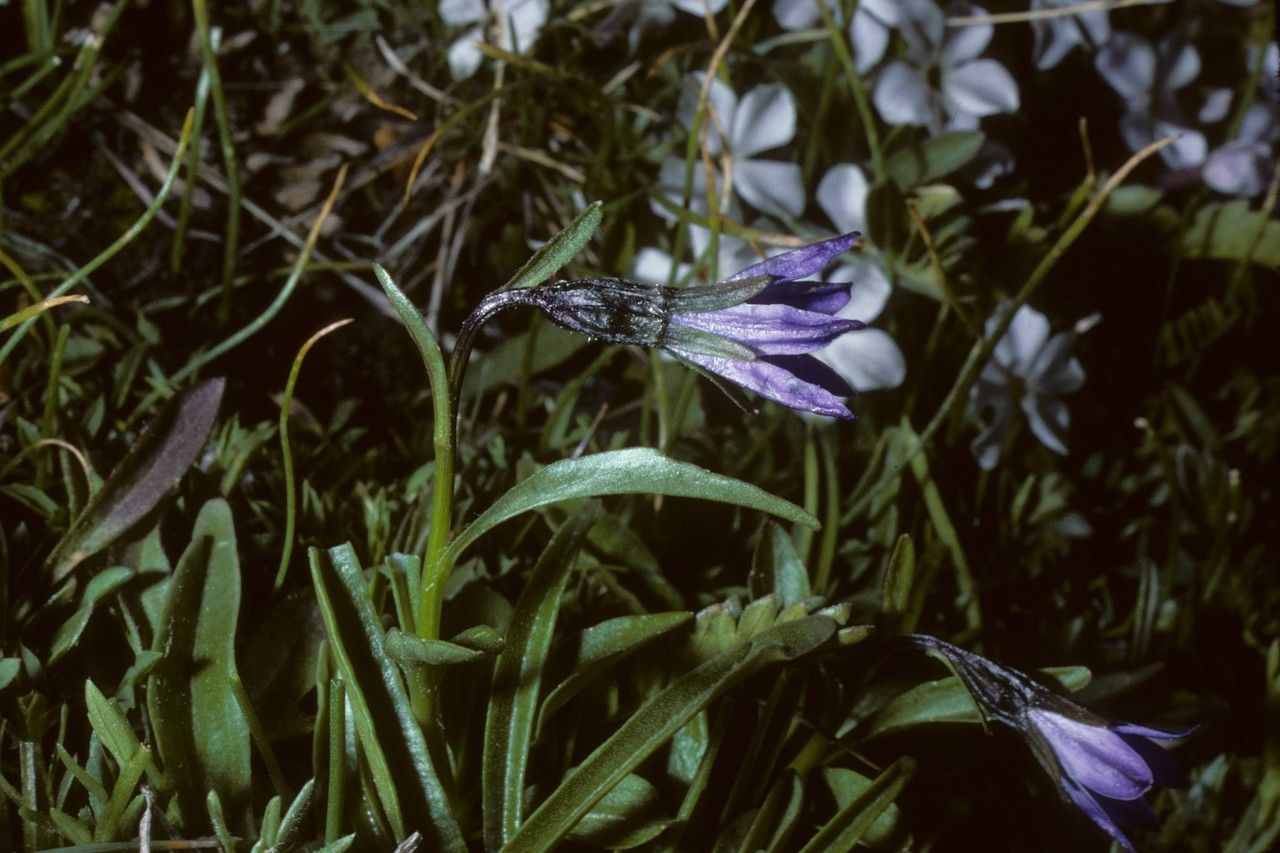
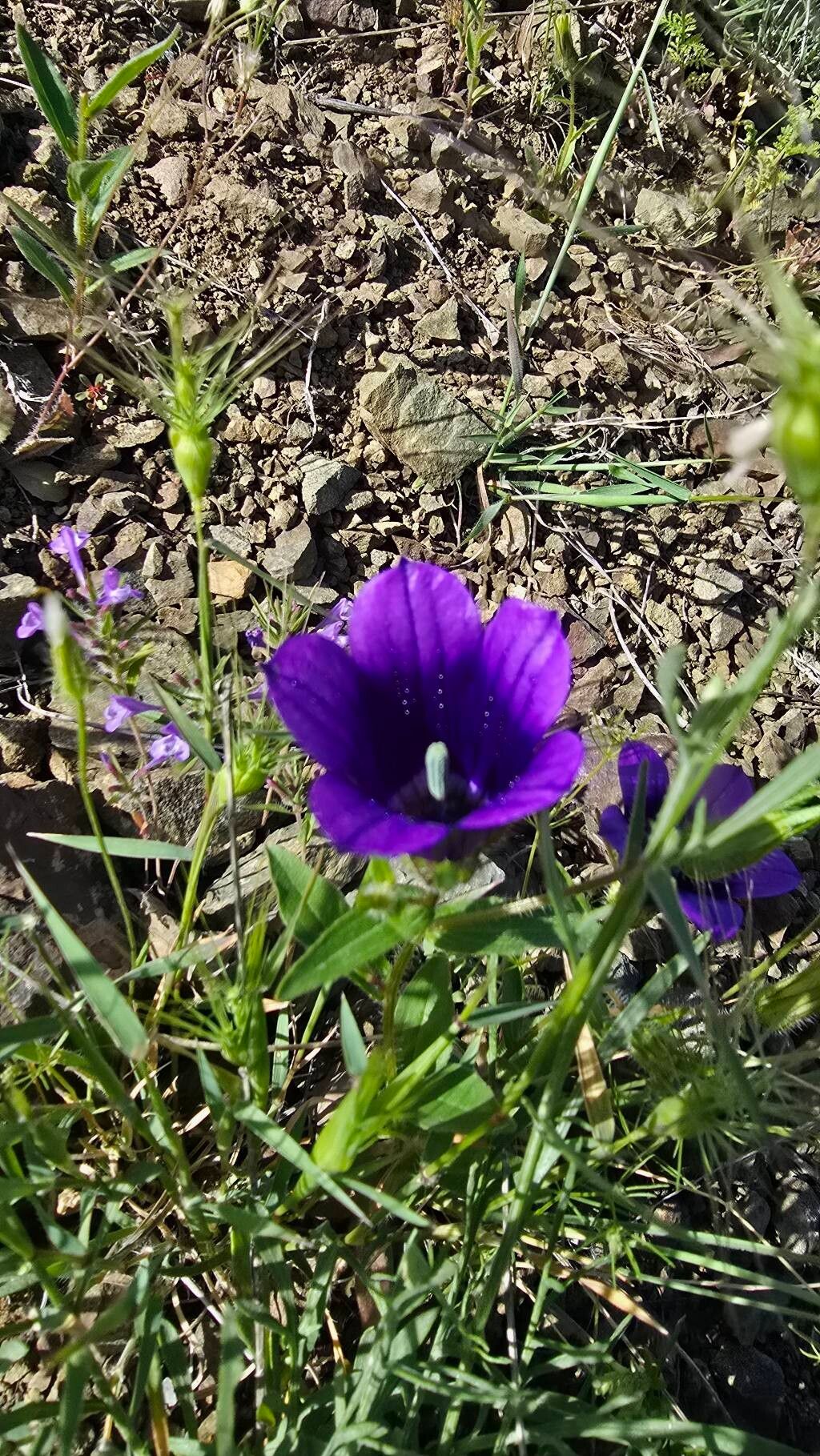
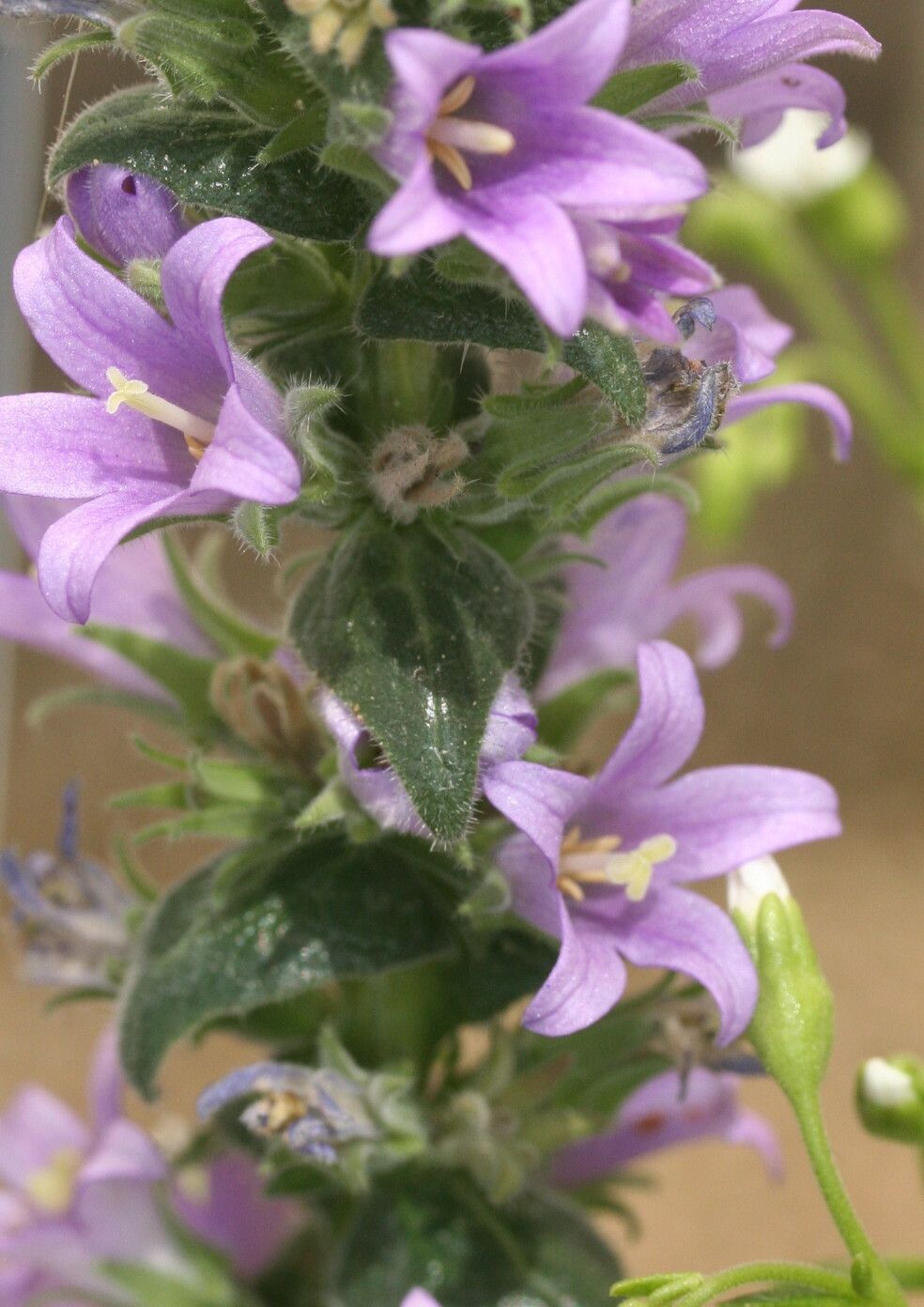
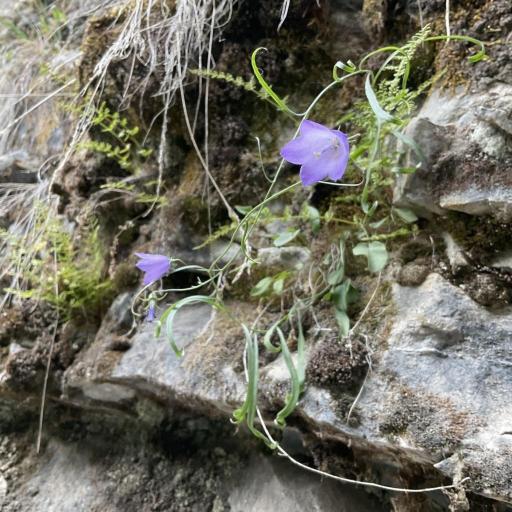
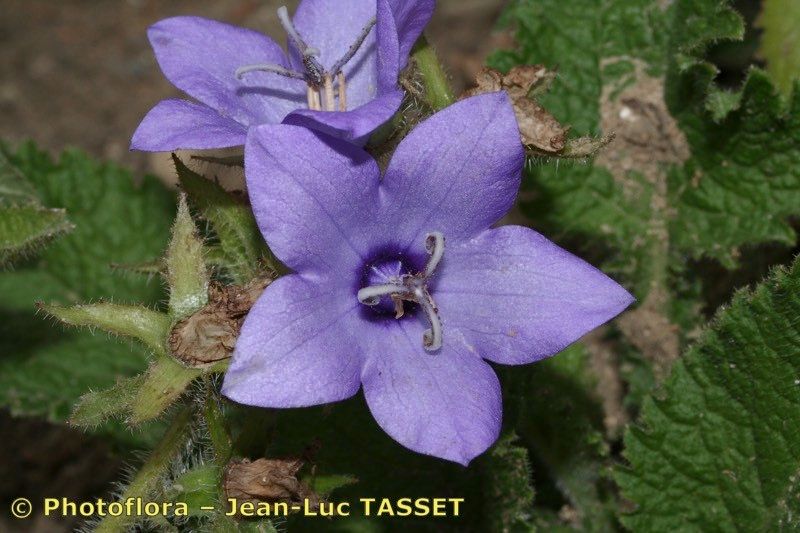
Campanula uniflora, known commonly as arctic bellflower and arctic harebell, is a short and slender rhizomatous perennial in the bellflower family Campanulaceae. It is distributed in arctic North America, including the Rocky Mountains and Greenland, in the Asian part of Beringia and in Iceland, Svalbard, the Scandes Mountains and Novaja Zemlja. The species was first discovered by Linnaeus on his 1732 expedition to Lapland and described in his Flora Lapponica (1737).In Iceland, Campanula uniflora is a host of the common pathogenic fungus Pleospora herbarum.
Arctic bellflower has strong disease resistance and is typically not susceptible to illnesses. Still, it can be affected by pests and diseases present in its environment. Such infections are generally mild. Regarding care, this plant needs moderate maintenance. It should be pruned regularly to keep a tidy appearance and support healthy growth. Applying fertilizer can also encourage blooming. Arctic bellflower is appropriate for anyone with outdoor space, like a garden or patio, and does not demand extensive horticultural experience. It may need extra attention when cultivated indoors.
How to keep Campanula Uniflora.
Water
The Arctic bellflower flourishes with regular watering, particularly in warm climates. It needs to be hydrated twice a week. To encourage its vibrant, bell-shaped blooms, keep the soil slightly moist, but avoid waterlogging or letting it dry out.
Humidity
This plant will thrive in moderate humidity, which is probably the level in your home. However, misting it a few times a week can be very beneficial. Make sure the room has good ventilation.
Fertilizer
Applying fertilizer once during spring is typically enough for the Arctic bellflower, though several applications can optimize its growth. Fertilize every four to six weeks. Fertilization improves the look and performance of the leaves, sustaining a uniform color and robust texture. It also boosts the growth of roots and the plant's ability to absorb nutrients, contributing to the plant's health over an extended period.
Pruning
The Arctic bellflower is known for its beautiful bell-shaped blooms and thrives when pruned in early spring. By removing dead stems, you can encourage healthy growth and vibrant flowers while reducing stress on the plant. To enhance growth and prevent disease, make your cuts at a 45-degree angle just above a bud. Be sure to adjust your care routine based on the specific needs of the Arctic bellflower and your local climate conditions.
Botanical profile.
- Plant Type
- Herb
- Life Cycle
- Perennial
- Genus
- Campanula
- Family
- Campanulaceae
- Hardiness Zone
- 3-10
Other names.
Reader questions.
What are the sunlight requirements for an Arctic bellflower?
The Arctic bellflower, or Campanula uniflora, thrives in various sunlight conditions. For full sun exposure, it requires more than 6 hours of sunlight daily, ensuring vibrant growth and health. In cases of partial sun, about 3-6 hours of sunlight is sufficient. It is important to observe the way sunlight moves through your garden, finding areas that offer a harmonious balance of light and shade to accommodate the needs of your Arctic bellflower, promoting its wellbeing and flourishing.
What is the botanic name of the Arctic bellflower?
The botanic name of the Arctic bellflower is Campanula uniflora.