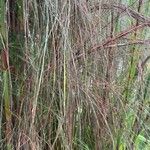
Cannomois virgata
Bell reed · Rekoala
Care Guide
💧 Water
☀️ Light Partial sun
Bell reed occurs naturally in habitats like forest understories and rocky sites, where it encounters natural shade. It favors partial sun but can tolerate full sun or full shade, showing its hardy and adaptable nature.
🌡️ Temperature 20–37.8°C
Bell reed can tolerate a wide range of temperatures, but its range may still be constrained by particular combinations of moisture and heat. It grows best in warm summer climates when there is sufficient rain or irrigation. Extended stretches of overcast, wet weather or prolonged high temperatures raise the risk of Bell reed dying. During winter, protecting it from cold can help increase its chances of survival.
💨 Humidity
🪴 Soil 6-7
🌱 Fertilizer
Bell reed needs extra nutrients to encourage healthy new growth. In spring, applying compost around the base of the plant will effectively supply the nutrition it requires. Fertilizing helps support vigorous growth and enables the plant to resist diseases and pests.
🪴 Pot & Repot
✂️ Pruning
Bell reed is a hardy, clump-forming plant that benefits from early spring pruning. By cutting back old stems, you encourage new growth and help maintain the plant's vigor. Regular pruning also helps prevent overcrowding. To minimize the risk of disease and ensure robust growth throughout the growing season, always use clean tools.
🌿 Propagating
🐛 Diseases & pets
☠️ Toxicity
Characteristics
- Plant Type
- Grass
- Life Cycle
- Perennial
- Genus
- Cannomois
- Family
- Restionaceae
- Hardiness Zone
- 9-11
- Mature Height
- 1.52 m to 2.44 m
- Mature Spread
- 49 cm to 91 cm
- Leaf Color
- Dark Green
- Leaf Type
- Evergreen
- Planting Time
- Spring, Summer, Autumn
- Native Area
- South Africa