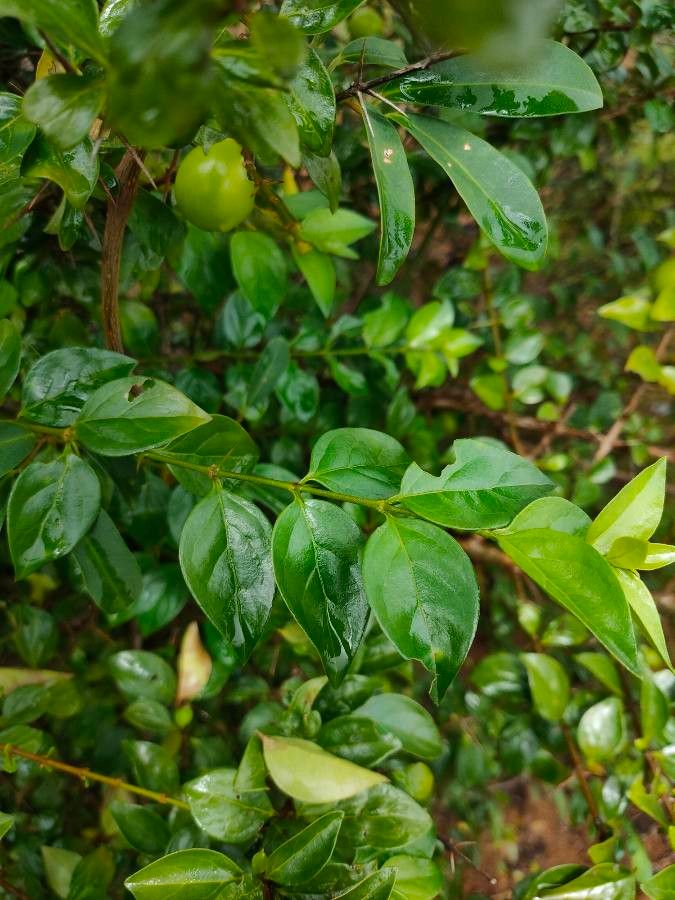
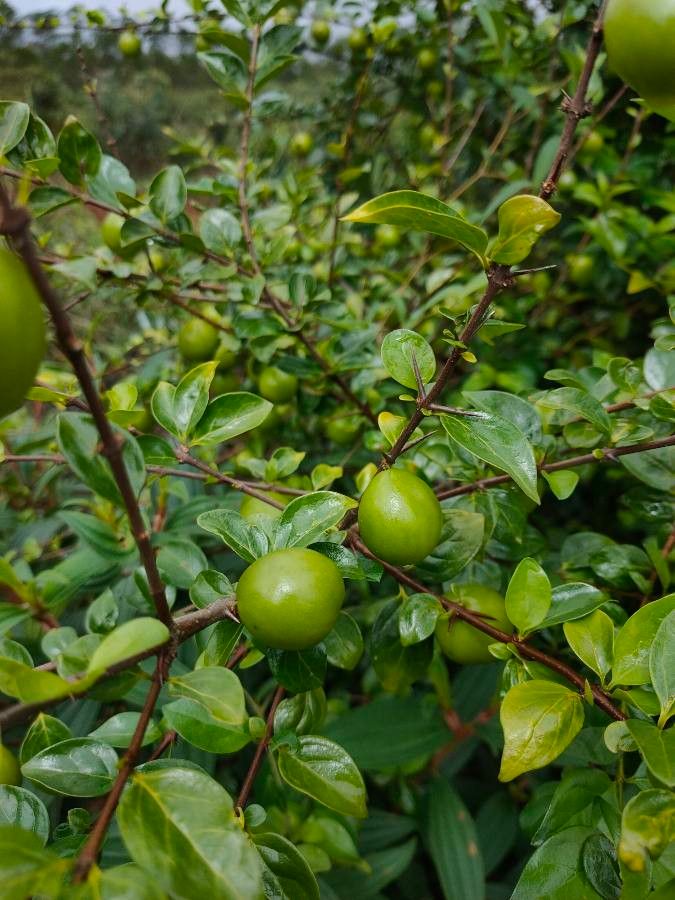
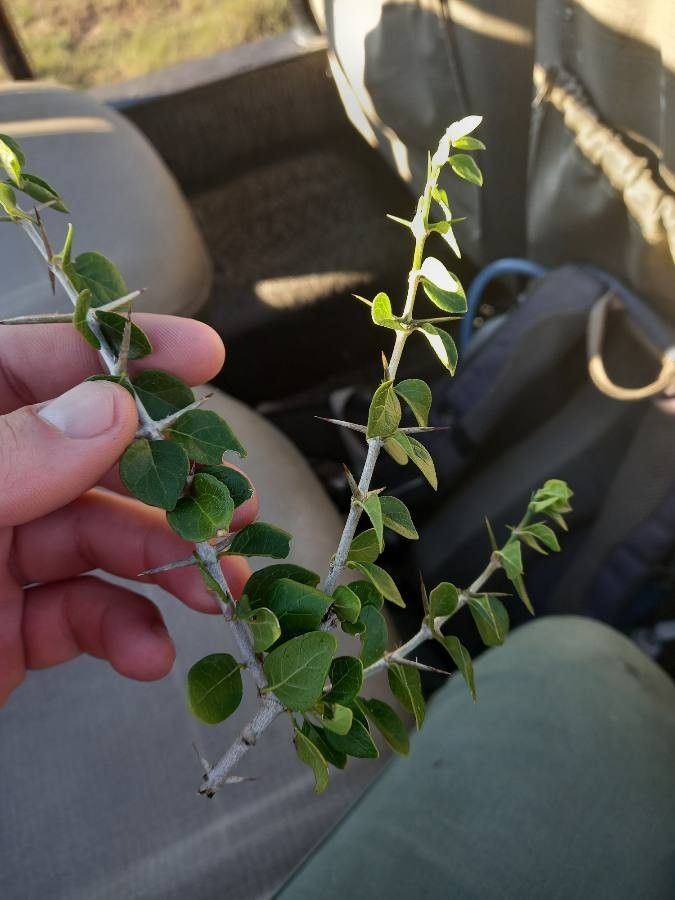
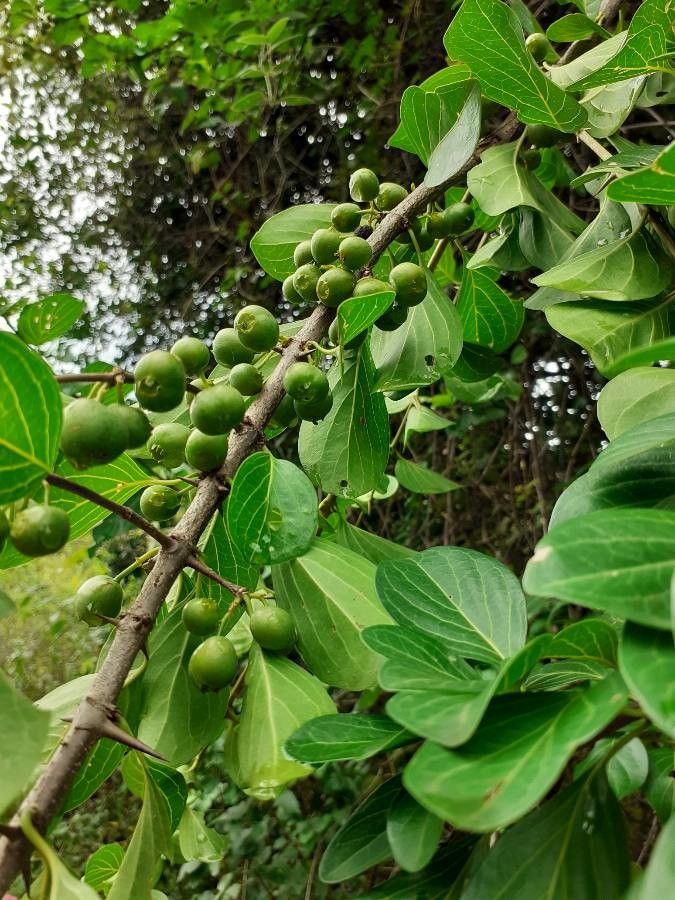
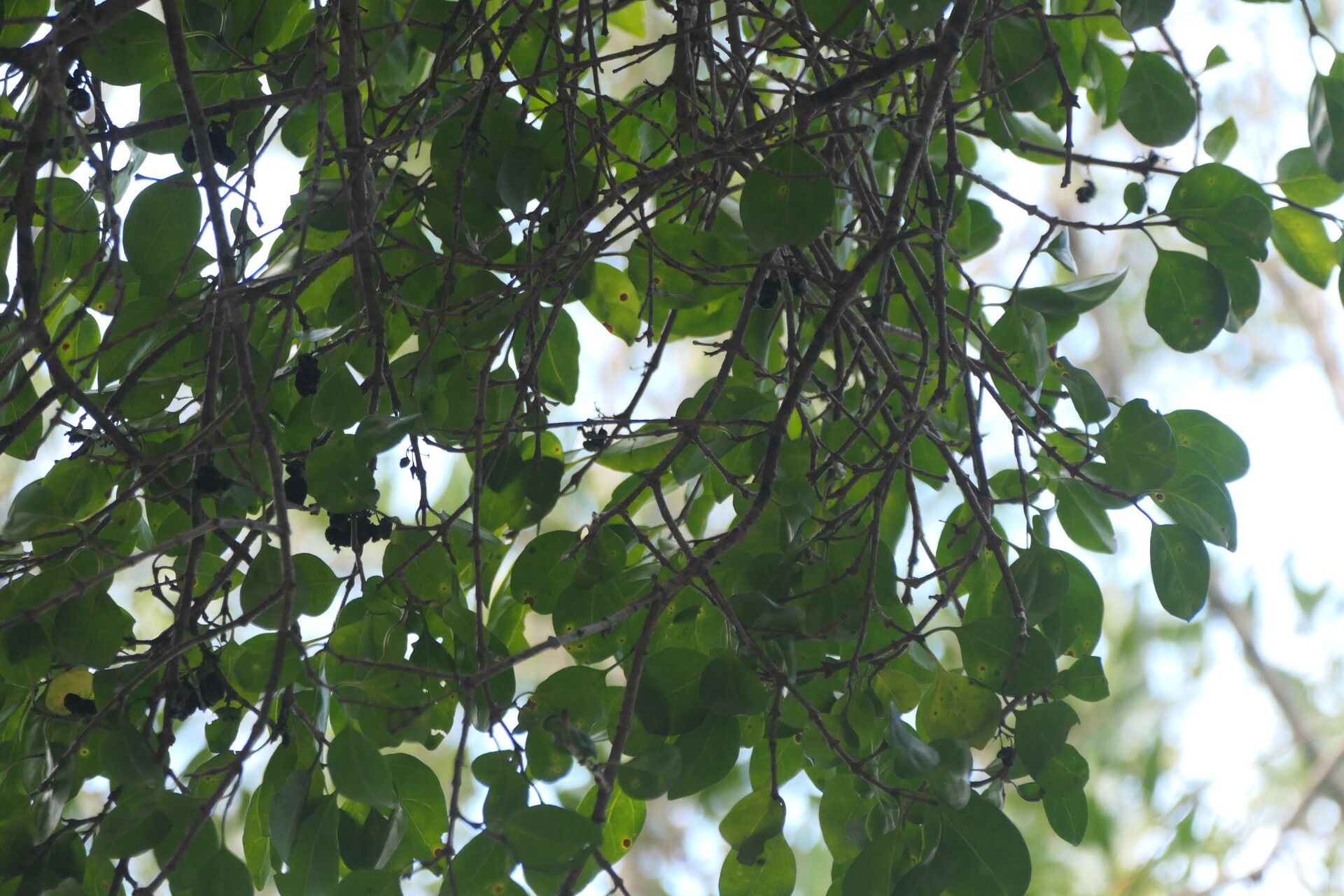
Barsik has strong resistance to disease and is typically not susceptible to illnesses. With respect to maintenance, this plant is fairly low-care. When grown outdoors it needs little watering, and larger plants usually do not require pruning. However, smaller plants ought to be trimmed after they have finished blooming. Barsikt is appropriate for anyone who has an outdoor space, such as a garden or deck, and it does not demand much care experience.
How to keep Canthium Horridum.
Light
Barsik is native to open spaces like bright meadows and edges of forests where there is plenteous light. It flourishes in complete sun exposure, though it can also withstand semi-sun environments, demonstrating a good adaptability to different levels of sunlight.
Water
Barsik is native to arid regions and demonstrates excellent drought tolerance, thriving with minimal water. To avoid over-saturation, water it every 2-3 weeks. It is ideal for outdoor settings and well-suited for xeriscaping, which reduces the need for supplemental watering.
Temperature
Barsik is native to tropical climates where the weather is usually hot and moist, which makes it quite tolerant to high heat and moisture levels. It isn't fond of drastic temperature shifts and prefers steady indoor temperatures, avoiding inconsistent temperature changes. Generally, it does not fare well in cool climates and needs warmer conditions to grow. If the temperature falls excessively, there's a possibility that the growth of the plant might stop or it could even perish.
Fertilizer
It's essential to fertilize Barsik regularly to ensure its well-being. Providing nourishment consistently during the growth period maintains vitality for attractive foliage and promotes overall development. Lack of fertilization can lead to poor leaf health, reduced decorative attractiveness, and inhibited or frail growth that's susceptible to damage.
Pruning
Prune Barsik in early spring by first removing any dead or diseased wood. Next, thin out crowded branches to improve air circulation and light exposure. Be careful not to over-prune, as this can cause stress to the plant. Regular maintenance encourages healthier growth, reduces the risk of disease, and enhances the plant's appearance, resulting in a strong and well-shaped Barsik.
Botanical profile.
- Plant Type
- Tree, Shrub
- Life Cycle
- Perennial
- Genus
- Canthium
- Family
- Rubiaceae
- Hardiness Zone
- 10-12
- Mature Height
- 2.13 m to 3.05 m
- Mature Spread
- 1.52 m to 3.05 m
- Leaf Color
- Dark Green
- Leaf Type
- Semi-evergreen
- Flower Color
- White
- Flower Size
- 0.51 cm to 1.02 cm
- Bloom Time
- Late spring, Early summer, Mid summer
- Planting Time
- Summer, Autumn
- Harvest Time
- Mid summer, Late summer, Early fall
- Native Area
- India, Malaysia, Indonesia, Vietnam, Myanmar, Philippines, Singapore, Bangladesh, Brunei, Thailand, China
Reader questions.
What are the sunlight requirements for Barsik (Canthium horridum)?
Barsik, scientifically known as Canthium horridum, necessitates a specific amount of sunlight to thrive optimally. Ideally, it prefers being in places that emulate its natural habitat, such as sunny meadows or forest edges, thus requiring full sun, which translates to more than 6 hours of direct sunlight daily. However, it can also adapt and grow well under partial sun conditions, meaning it can tolerate sunlight exposure ranging from about 3 to 6 hours a day. Observing the movement of sunlight through your garden and choosing locations that offer the right mix of light and shade are crucial for ensuring your Barsik's health and happiness.
How does artificial lighting affect Barsik's growth?
Artificial lighting plays a pivotal role in Barsik's growth, especially when natural sunlight is insufficient. During winter or in less sunlit areas indoors, artificial lights can compensate for the lack of sunlight. They promote faster and healthier growth by providing the necessary wavelengths of light. For optimal growth under artificial light, full sun plants like Barsik would require 30-50 Watts per square foot, while the right placement (12-36 inches above the plant) and duration (mimicking natural daylight hours, typically 8-12 hours a day) of artificial light exposure are crucial to mimic natural sunlight conditions as closely as possible.
What are some common symptoms of light deficiency in Barsik?
When Barsik receives insufficient light, several symptoms may manifest, indicating stress and suboptimal growing conditions. Some common symptoms include the development of smaller than usual new leaves, leggy or sparse growth due to elongated spaces between leaves or stems, and a general appearance that may become weak and prone to breaking. Barsik may also exhibit faster leaf drop as it conserves resources under low light, slower or halted growth as it enters survival mode, lighter-colored or irregularly patterned new leaves indicating chlorophyll and nutrient deficiency. In contrast, chlorosis, or the yellowing of leaves due to excessive light, alongside signs like sunscald, leaf curling, wilting, and leaf scorching, may indicate too much direct sunlight.
How can you address light-related issues in Barsik?
To combat light-related stress in Barsik, adjusting its light exposure gradually is key. If indoors, gradually shifting your Barsik to a sunnier spot or utilizing artificial lighting, such as desk or ceiling lamps or specialized plant grow lights for at least 8 hours a day, can help. Ensure the plant receives a minimum of 6 hours of direct sunlight by positioning it near a south-facing window. Outdoors, it's crucial to acclimatize your plant to increasing sunlight gradually, to prevent sunburn. Addressing light obstruction by pruning nearby trees or transplanting smaller plants during their dormant period to sunnier locations with ample drainage can significantly improve light access.