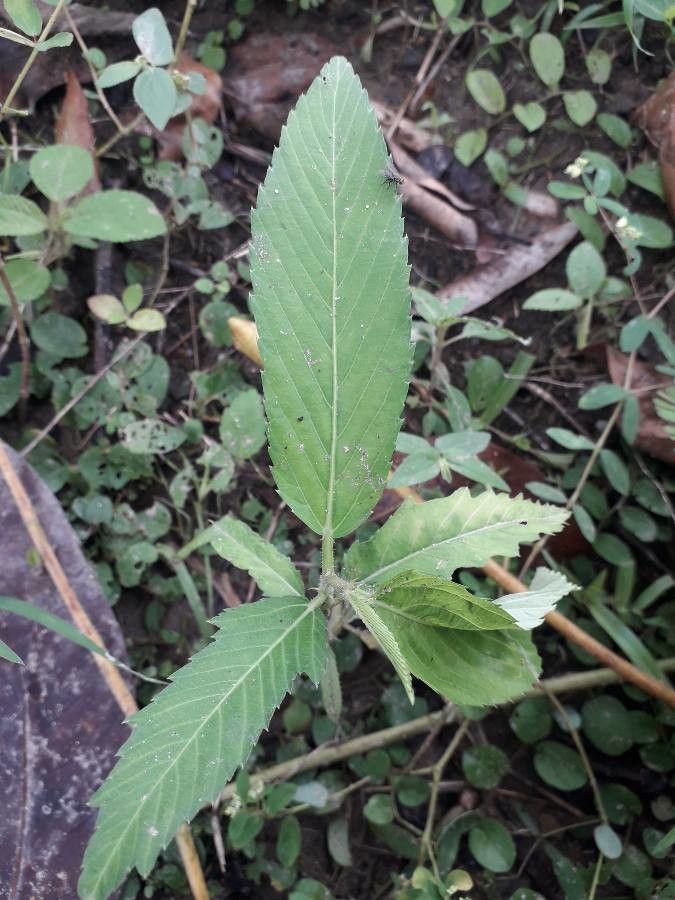
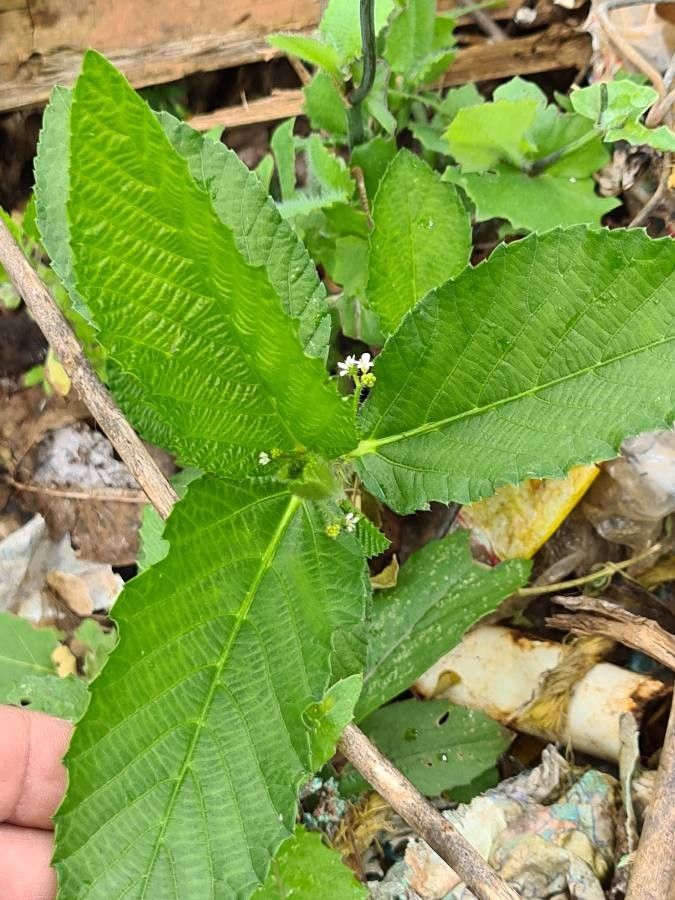
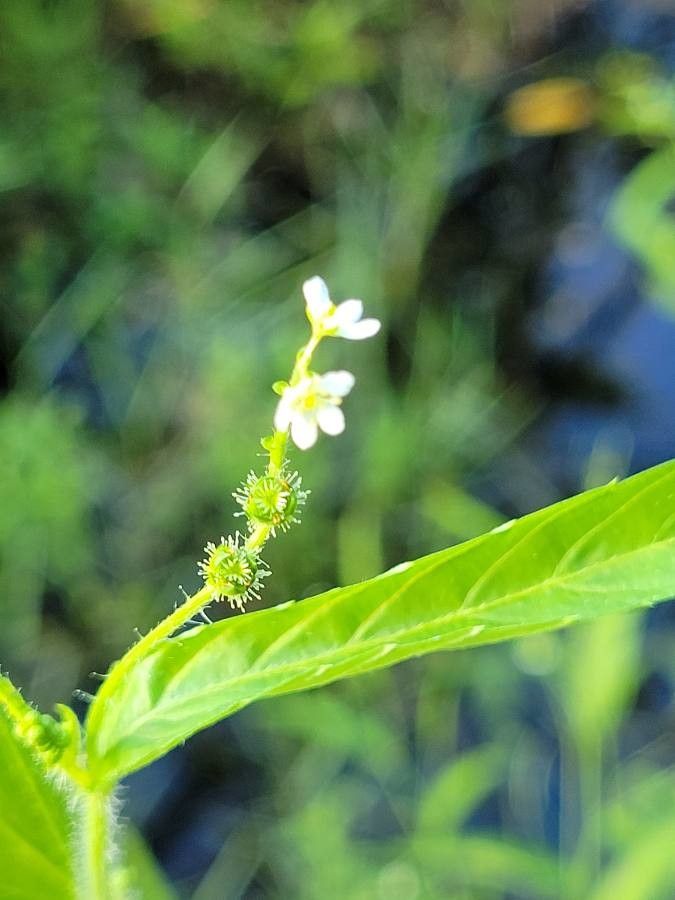
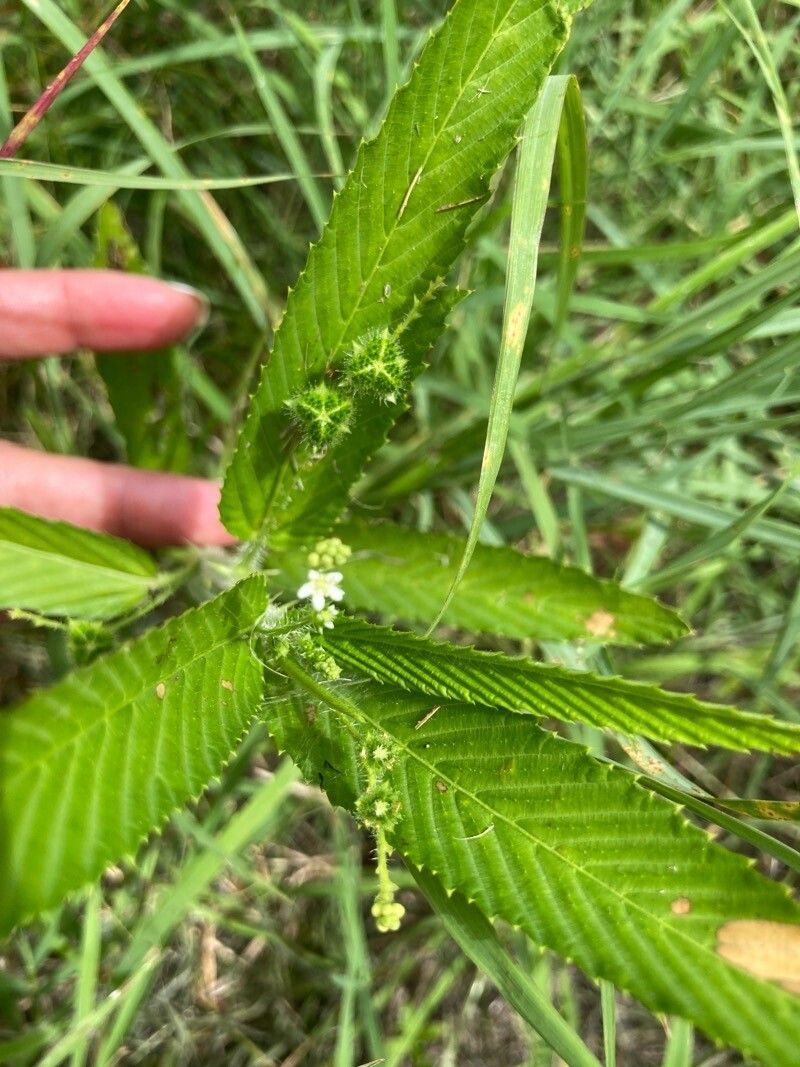
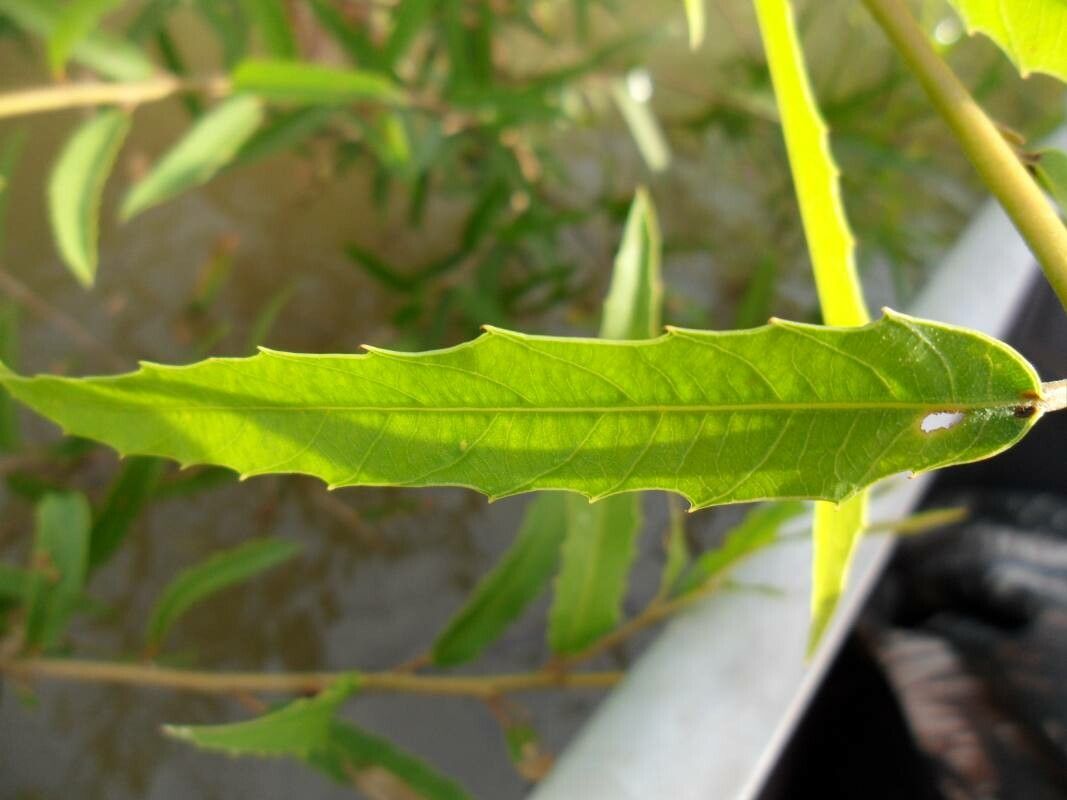
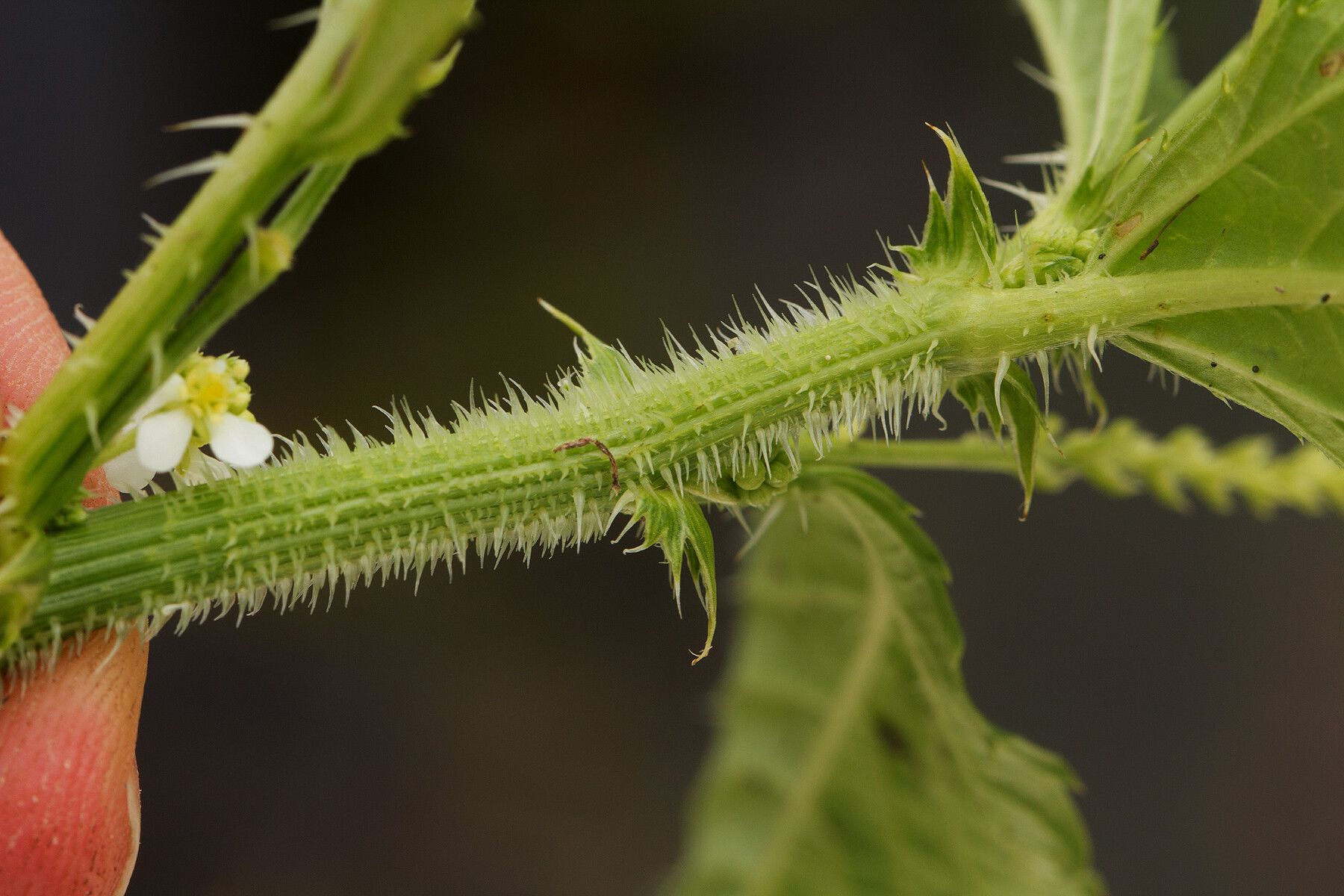
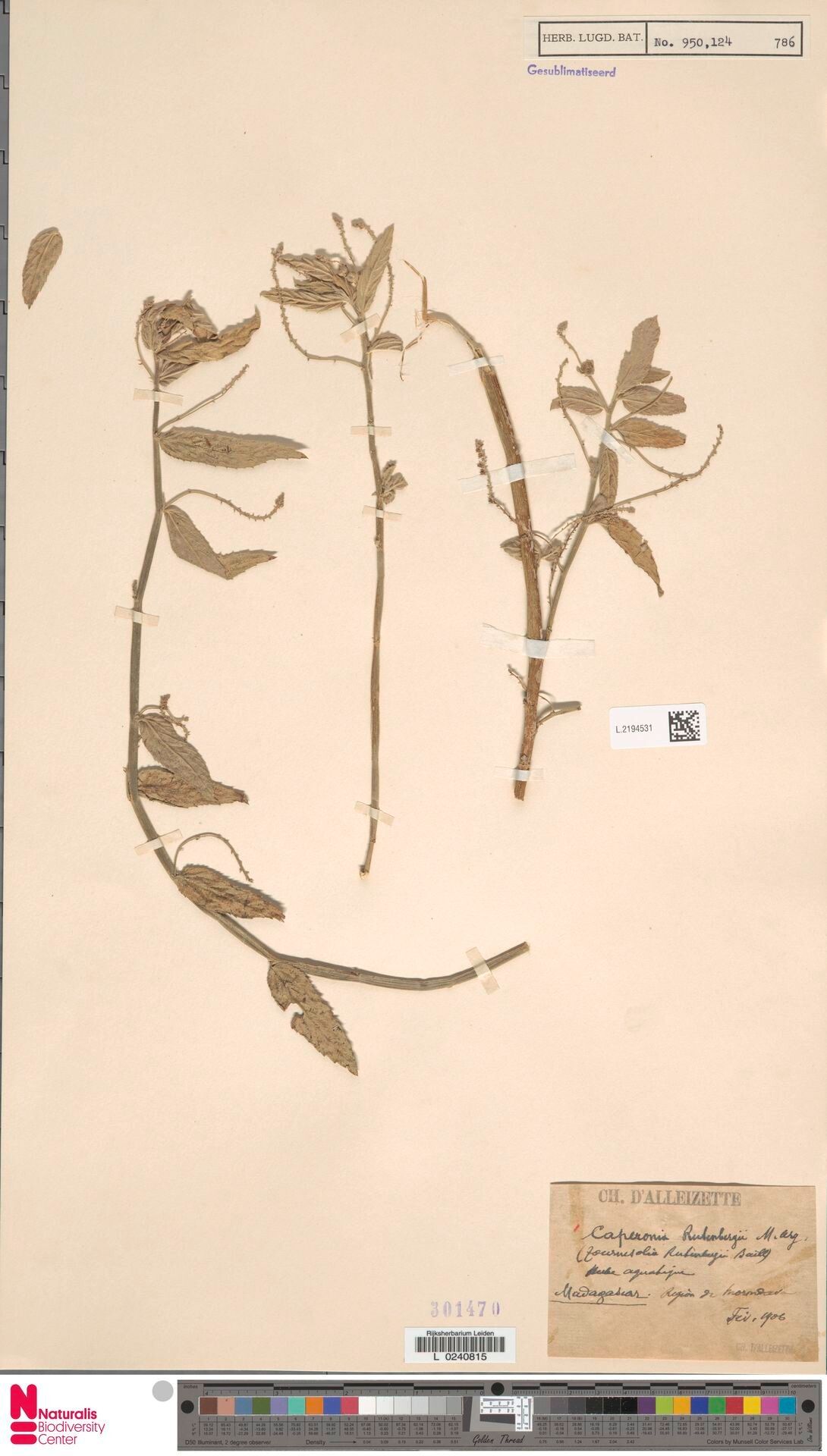
Caperonia palustris is a species of plant, belonging to the genus Caperonia. It is native to tropical and subtropical America and Africa.
Sacatrapo has strong resistance to disease and is generally not prone to illnesses. Nevertheless, it can be affected by pests and diseases that exist in its environment. These problems tend to be minor. Regarding care, this plant needs a moderate level of attention. It should be pruned on a regular basis to preserve a neat appearance and encourage healthy growth. Applying fertilizer can also aid in boosting flowering. Sacatrapo is appropriate for anyone who has an outdoor area, like a garden or patio, and does not demand extensive gardening experience. It may call for more care when cultivated indoors.
How to keep Caperonia Palustris.
Light
Sacatrapo comes from bright, open environments and does best in full sun. It can tolerate partial sun but prefers direct sunlight for optimal growth. This plant, which can be annual or biennial, is noted for its sun-loving nature.
Water
Sacatrapo is native to wetland areas and thrives in consistently moist conditions. It should be watered twice a week, although it can withstand brief periods of dryness. The plant's growth cycle depends on water availability, so using rainwater is crucial for its development.
Temperature
Sacatrapo comes from tropical areas, where the climate is generally warm and humid. Because of that, it is adapted to high temperatures and humidity. It does not tolerate sudden temperature shifts and prefers a steady temperature, so avoiding indoor temperature fluctuations is important. It usually cannot endure cold conditions and requires warmer temperatures for growth. If the surrounding temperature falls too low, the plant may stop growing or even die.
Fertilizer
Sacatrapo benefits from regular, light applications of fertilizer to encourage healthy leaf growth. You should feed Sacatrapo about once a month during the summer. Nitrogen is important for foliage, and adding nitrogen-rich fertilizer helps Sacatrapo do well.
Pruning
Sacatrapo thrives in moist conditions and has broad leaves. To encourage new growth and improve air circulation, it's best to prune it between early and late spring. Regular pruning helps maintain its shape and prevents diseases. Always ensure your tools are sanitized to minimize the risk of spreading pathogens.
Botanical profile.
- Plant Type
- Herb
- Life Cycle
- Annual
- Genus
- Caperonia
- Family
- Euphorbiaceae
- Hardiness Zone
- 9-11
- Mature Height
- 30 cm to 91 cm
- Mature Spread
- 30 cm to 61 cm
- Leaf Color
- Green, Dark Green
- Leaf Type
- Evergreen
- Flower Color
- White, Pink
- Flower Size
- 0.25 cm to 0.51 cm
- Bloom Time
- Summer, Fall
- Planting Time
- Spring, Summer, Autumn
- Harvest Time
- Late summer, Fall, Early winter
- Native Area
- Colombia, Belize, Cuba, Honduras, Mexico, Bolivia, Venezuela, Peru, Guyana, Brazil, Nicaragua, Ecuador
Other names.
Reader questions.
What is Sacatrapo?
Sacatrapo, known scientifically as Caperonia palustris, does not have detailed information provided regarding its essentials and symptoms. Further research may be needed to gather comprehensive data about its uses and characteristics.