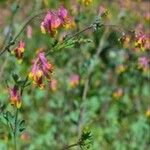
Capnoides sempervirens
Rock harlequin · Pale-corydalis · Pink-corydalis · Harlequin Flower · Pink And Yellow Corydalis
Description
Source: leafsnapCapnoides sempervirens, the harlequin corydalis, rock harlequin, pale corydalis or pink corydalis, is an annual or biennial plant native to rocky woodland and burned or disturbed places in northern North America. Capnoides sempervirens is the only species in the genus Capnoides. Name(s) brought to synonymy Capnoides elegans Kuntze, a synonym for Corydalis elegans
Care Guide
💧 Water
Rock harlequin thrives in consistently moist conditions and requires watering every week for optimal growth. Although it can tolerate short dry spells, using well-draining soil that mimics its natural habitat helps it flourish, especially in temperate regions where natural rainfall meets its hydration needs.
How should I water my Rock harlequin plant?
To properly water the Rock harlequin, it is recommended to use filtered water at room temperature. Tap water may contain harmful particles, so filtered water is best. The water should be at room temperature or slightly warmer, as the Rock harlequin is used to a warm environment and cold water can shock it. Overhead watering should be avoided as it can cause foliage issues. Instead, water the soil directly until it is completely soaked. This helps to keep the roots moist and allows them to spread and absorb necessary nutrients.
What should I do if I give my Rock harlequin plant too much or too little water?
Overwatering is a common issue that can harm the health of your Rock harlequin. When this happens, the stems and leaves may wilt and turn from green to yellow. Over time, it can lead to diseases like root rot, mold, and mildew, which can be fatal for the plant. On the other hand, underwatering is less common for the Rock harlequin due to its drought tolerance. However, it is still possible, and when it occurs, the leaves may become brittle and brown. To care for your Rock harlequin, it is important to recognize the signs of overwatering and take action promptly. Diseases caused by overwatering may become irreversible if not dealt with quickly. If you notice early signs of overwatering, reduce your watering schedule and consider using well-draining potting mix if the soil is not draining properly. Conversely, if your Rock harlequin is not receiving enough water, simply increase the watering frequency until the signs of dehydration subside.
How frequently should I water my Rock harlequin?
If your Rock harlequin plant is in a pot, the most precise way to determine if it needs water is by checking the soil with your finger. If the top two to three inches of soil feels dry, it's time to water it. If you're growing your Rock harlequin outdoors in the ground, you can use a similar method to test the soil. Once again, if the first few inches of soil have dried out, it's time to water. Typically, during spring and early fall, you'll need to water this plant about once a week using this method. However, during extremely hot weather, you may need to increase the watering frequency to about twice or more per week. However, it's worth noting that mature, well-established Rock harlequin plants are known for their ability to withstand drought.
How much water does my rock harlequin require?
To properly water your Rock harlequin plant, don't hesitate to give it a generous amount of water. Make sure the top two to three inches of soil are dry before watering. It's important to fully saturate the soil, allowing excess water to flow through the drainage holes at the bottom of the pot. If you don't see any water draining, it means you haven't watered enough. Avoid letting water accumulate in the soil, as this can harm the plant. Additionally, if water doesn't drain properly, it may indicate poorly draining soil, which is harmful to the plant's health. For outdoor plants, one inch of rain per week is sufficient.
How do I water my Rock harlequin at different stages of growth?
The water needs of the Rock harlequin can vary depending on its growth stages. In the first few years of its life and when it's newly transplanted, it will require extra water. During these stages, the plant focuses on developing new roots to support future growth, and these roots need more moisture. As the Rock harlequin matures, it will require less water. Another stage that may require increased watering is during the bloom period, as the plant utilizes more moisture for flower development.
☀️ Light Full sun
Rock harlequin thrives when exposed to abundant sunlight, which is essential for its optimal growth and vigor. It can tolerate dappled sun, but excessive shade inhibits proper development. Its native habitat is in areas with plentiful sunlight. Both overexposure and insufficient sunlight can adversely affect its health and survival.
What are the sunlight requirements for Rock Harlequin?
Rock Harlequin (Capnoides sempervirens) thrives in environments that are bathed in copious amounts of sunlight, which is essential for its optimal growth and vitality. While it can tolerate sun-dabbled settings, excess shade can impede its proper development. This plant's native habitat is in locations abundant with sunlight, and it requires full sun, defined as above 6 hours of sunlight per day, or partial sun, which amounts to about 3-6 hours of sunlight per day. Insufficient or excessive sunlight can negatively affect the plant's health and survival.
How can artificial lighting be used for indoor Rock Harlequin plants?
Indoor Rock Harlequin plants require adequate lighting for optimal growth, particularly when natural sunlight is insufficient. Artificial lights can offer a vital solution, promoting faster, healthier growth. LED lights, which can be customized to provide the specific wavelengths of light your plants need, are a popular choice. Full sun plants need 30-50W/sq ft of artificial light, partial sun plants need 20-30W/sq ft, and full shade plants need 10-20W/sq ft. The light source should be placed 12-36 inches above the plant to mimic natural sunlight, and most plants need 8-12 hours of light per day.
What symptoms indicate light deficiency or overexposure in Rock Harlequin?
When Rock Harlequin is grown indoors with inadequate light, it may exhibit symptoms indicating light deficiency such as smaller new leaves, leggy or sparse growth, faster leaf drop, slower or no new growth, and lighter-colored new leaves. Chlorosis, or the yellowing of leaves, can occur due to excessive sunlight, leading to the breakdown of chlorophyll. Other symptoms of overexposure include sunscald, leaf curling, wilting, and leaf scorching. These symptoms can greatly affect the plant's ability to perform photosynthesis, thus reducing its overall health.
What solutions can improve Rock Harlequin's growth in terms of sunlight?
To ensure optimal growth for Rock Harlequin, gradually moving the plant to sunnier locations to receive at least 6 hours of direct sunlight daily is recommended. For indoor plants, using a south-facing window or providing additional light with artificial sources like desk or ceiling lamps for at least 8 hours daily can be helpful. Outdoor plants should be moved to better sunlight spots gradually to avoid sunburn. If sunlight is blocked, consider pruning trees or transplanting smaller plants to areas with ample sunlight and good drainage. Remember, parts of the plant damaged by insufficient sunlight may not recover, but new growth will be healthy after adjusting light exposure.
🌡️ Temperature 5–25°C
Rock harlequin is a plant native to habitats that commonly experience temperatures of about 68 to 95 ℉ (20 to 35 ℃). It flourishes at these temperatures and might need temperature adjustments in winter to prevent stress.
What are the ideal temperature conditions for Rock Harlequin?
Rock Harlequin (Capnoides sempervirens) is a plant that thrives in environments experiencing regular temperatures ranging between 68 to 95°F (20 to 35°C). It is highly cold-tolerant and does not require additional frost protection measures during winter. However, to prepare for winter, it's recommended to water the plant generously before the first freeze in autumn to ensure the soil remains moist and enters winter in a frozen state, which helps prevent drought and water scarcity during winter and early spring.
How does Rock Harlequin react to low temperatures?
Rock Harlequin is extremely tolerant of cold temperatures, able to withstand conditions down to -25°C. While there may not be any noticeable changes in the plant during winter at these temperatures, a decline in or absence of sprouting can occur in spring if temperatures fall below this threshold. To mitigate this, it is advised to remove any parts of the plant in spring that have failed to sprout as a result of the cold.
What should I do if Rock Harlequin experiences high temperatures?
Rock Harlequin is not tolerant of high temperatures. Growth can halt and the plant becomes prone to rot if temperatures exceed 35°C. To protect the plant under these conditions, trim away any sunburned or dried-up parts. Move the plant to a shaded location or use a shade cloth to protect it from the midday and afternoon sun. Additionally, watering the plant in the morning and evening will help keep the soil moist, aiding in its overall health and resilience against heat.
💨 Humidity
🪴 Soil 6-7
🌱 Fertilizer
Rock harlequin requires regular fertilization to encourage flowering but does not tolerate excess. It needs light amounts of fertilizer applied frequently throughout its entire life cycle, especially during peak active growth and while it is flowering. You will feed your Rock harlequin until it stops blooming.
Why should I fertilize my Rock harlequin?
Rock harlequin plants are known for their colorful, leafy foliage, which requires nitrogen and potassium for rapid growth. These nutrients also help with root development to anchor the plants into the soil. Additionally, nitrogen promotes taller and fuller plants.
When should I fertilize my Rock harlequin?
Rock harlequin are heavy feeders that require a lot of nutrients due to their fast growth, large leaves, and high water content. To ensure optimal growth, they should be fertilized throughout the entire growing season, from germination to senescence. Neglecting fertilizer application can lead to deficiency symptoms and stunted growth. In the past, there was a belief that as Rock harlequin changed colors in the fall, their nutrient requirements significantly decreased, allowing for a reduction or cessation of fertilizer use. However, recent research has shown that providing small amounts of nitrogen fertilizer after maturity is beneficial. This supplementation does not significantly impact coloration but helps prevent yellowing and leaf drop on the lower parts of the plant.
When is it not a good idea to fertilize my Rock harlequin?
Fertilizer can sometimes harm Rock harlequin instead of help it, especially if the plant is already stressed. If the plant is struggling with diseases or insect problems, like leaf spot, black rot, blackleg, aphids, spider mites, or whiteflies, it's best to avoid fertilizing. Adding fertilizer can weaken the plant's defenses, making it more susceptible to other pest problems or diseases. Additionally, you should refrain from fertilizing if the soil surface has become hardened or too dry. This situation puts the plants at a higher risk of experiencing fertilizer burn on their roots. To avoid this, make sure to water the potting soil until it is slightly moist before applying fertilizer.
What kind of fertilizer does my Rock harlequin require?
Rock harlequin requires certain essential nutrients for growth, including nitrogen, potassium, and phosphorus, as well as iron, manganese, and zinc. A balanced fertilizer, like one with a 10-10-10 NPK ratio, is ideal for Rock harlequin. Natural options such as blood meal or worm castings are also effective fertilizers. Alternatively, if promoting leaf growth is your main objective for the plant, using a nitrogen-rich fertilizer like fish fertilizer would be beneficial. Consider your purpose in growing the plant before providing excessive supplements for flowers or seeds.
How do I give fertilizer to my Rock harlequin?
If you are growing plants in containers with potting soil that already has slow-release fertilizer, you don't need to add any extra fertilizer when planting the seeds. The initial fertilizer and the nutrients in the seed's endosperm will be enough for the first few weeks. However, if your potting soil doesn't have fertilizer, you should mix a small amount of a slow-release starter fertilizer into the potting mix before filling the containers. Once the plants are around four weeks old, you should start fertilizing them every two weeks, using one-third to one-half of the recommended rate mentioned on the fertilizer product label. Keep up this schedule until the Rock harlequin plants reach full maturity. At that point, you can reduce the frequency of fertilization to once every three to four weeks, using the same diluted strength as before, or fertilize at one-quarter of the recommended rate every two weeks.
🪴 Pot & Repot
When repotting Rock harlequin, choose a pot that is 1–2 inches (2.5–5.1 cm) larger in diameter and has good drainage. Use a well-draining potting mix, and consider adding perlite for extra drainage. Repot in spring or early summer, then water thoroughly and place in a shady spot at first.
✂️ Pruning
Rock harlequin features delicate foliage and vibrant flowers. To promote healthy growth and fuller leaves, prune the plant after it finishes blooming, typically in early to late spring. This timing supports robust blooms for the next season, improves airflow, and reduces the risk of disease. Make sure to use clean, sharp tools for effective pruning.
🌿 Propagating
🐛 Diseases & pets
☠️ Toxicity
Characteristics
- Plant Type
- Herb
- Life Cycle
- Biennial, Perennial, Annual
- Genus
- Capnoides
- Family
- Papaveraceae
- Hardiness Zone
- 5
- Mature Height
- 0.3 m to 1.07 m
- Mature Spread
- 49 cm
- Leaf Color
- Green, Blue, Gray
- Leaf Type
- Evergreen
- Flower Color
- Pink
- Flower Size
- 2.54 cm
- Bloom Time
- Mid spring, Late spring, Early summer, Mid summer
- Planting Time
- Spring, Summer, Autumn
- Harvest Time
- Summer, Early fall