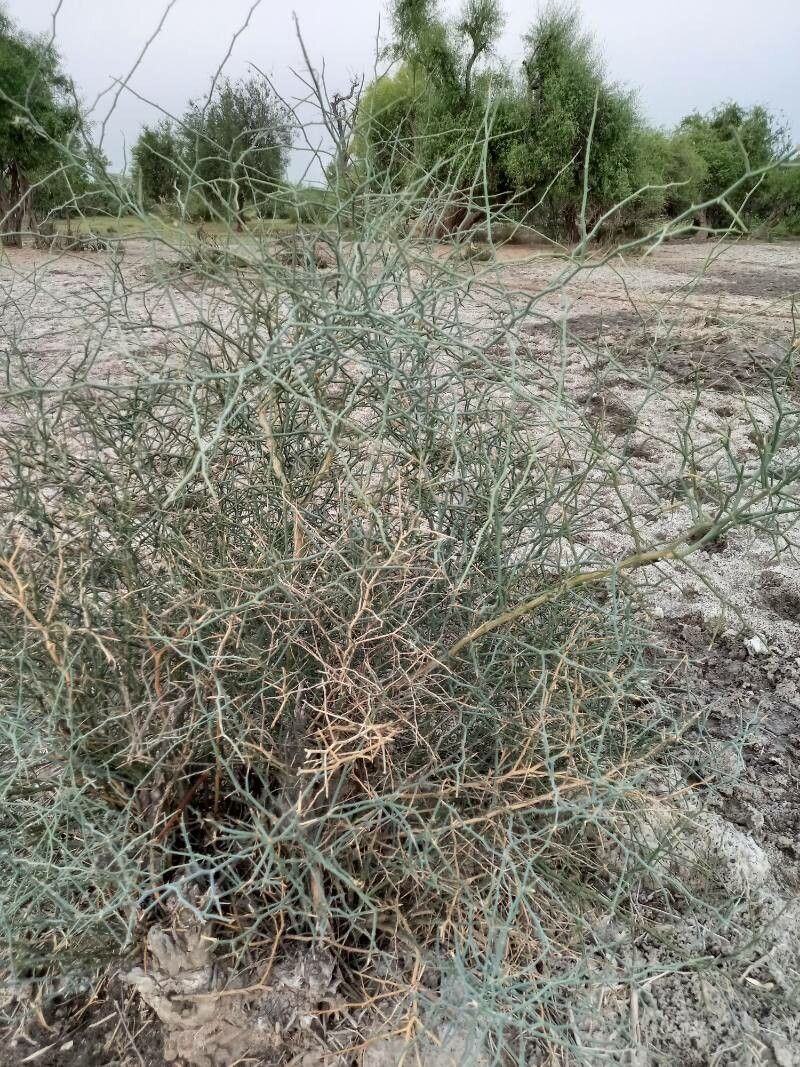
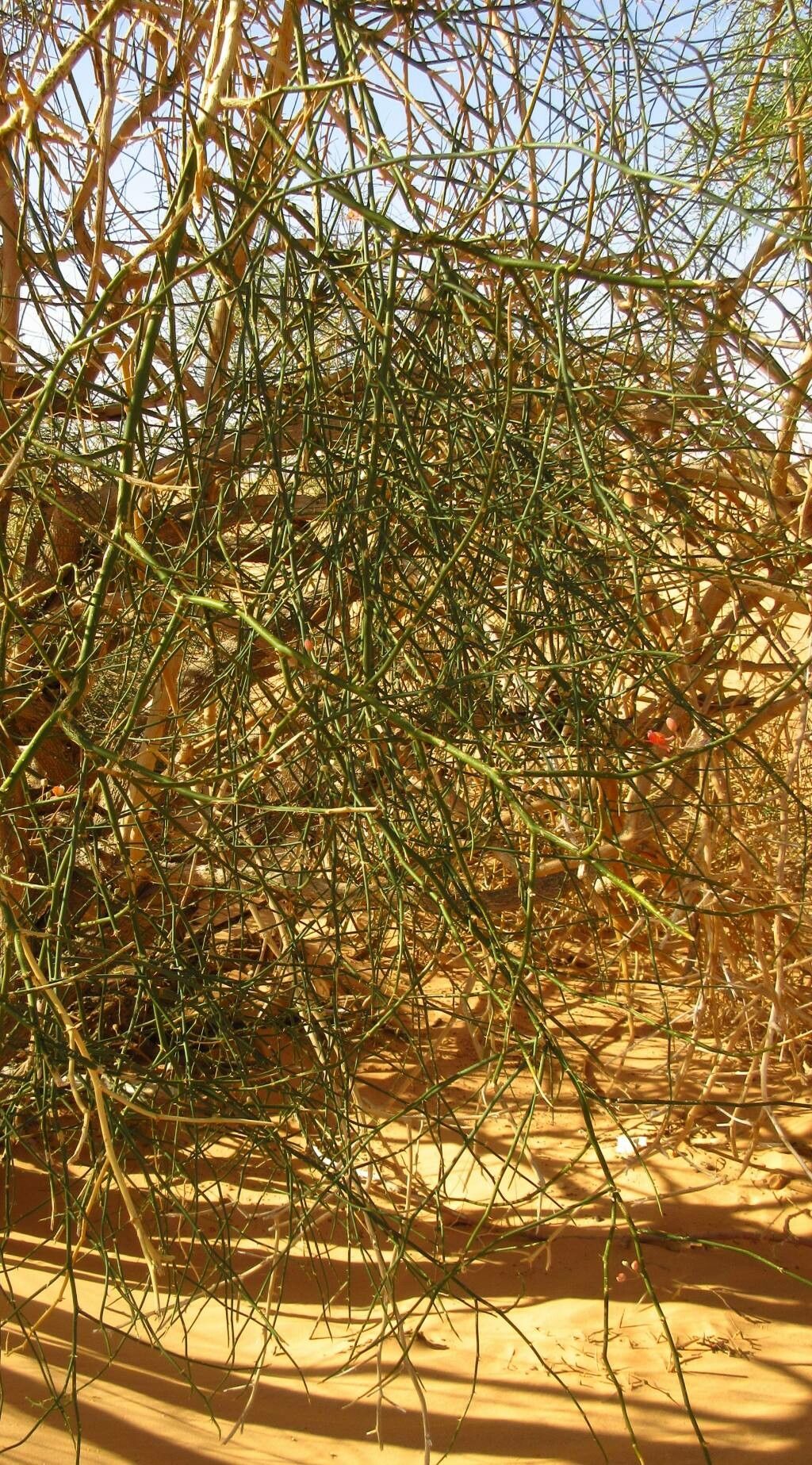
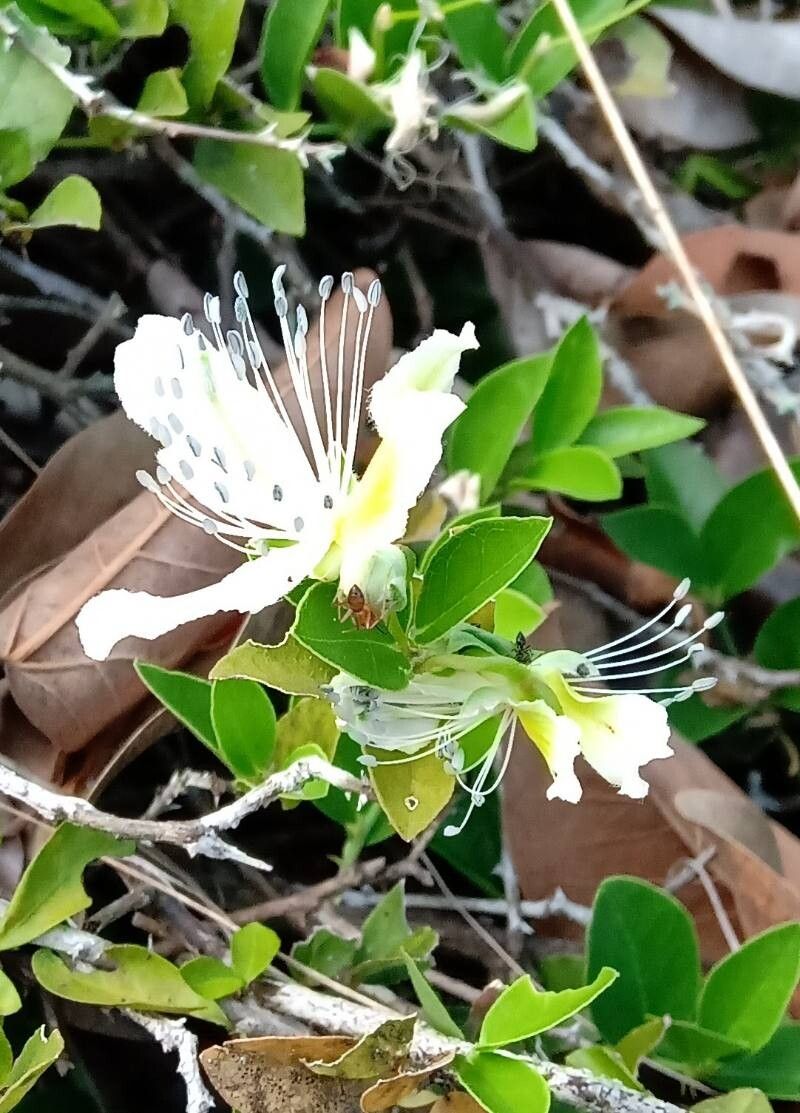
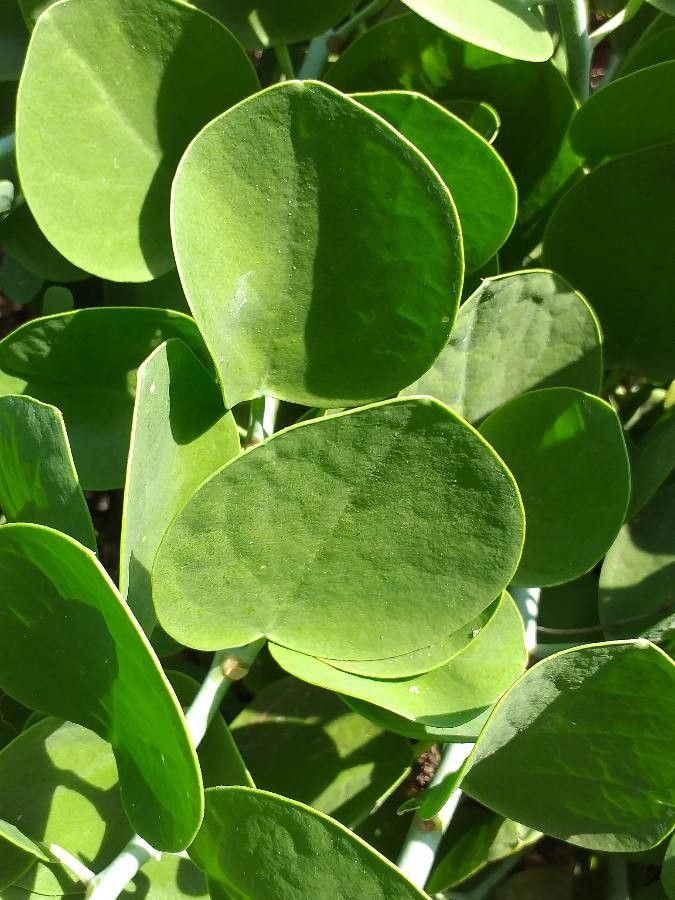
Capparis decidua, commonly known as karira, is a useful plant in its marginal habitat.
Retama caper is resistant to disease and generally does not tend to get sick. In terms of care, this plant is fairly low-maintenance. Planted outdoors, it needs only minimal watering, and larger plants typically do not need pruning. Smaller plants, however, should be pruned after they have finished blooming. Retama capert is suitable for anyone with an outdoor area, such as a garden or a deck, and does not require extensive care experience.
How to keep Capparis Decidua.
Light
Retama caper comes from open habitats, such as sunny meadows and forest edges, that provide abundant light. It does best in Full Sun but will also tolerate Partial Sun, adapting well to a range of sunlight conditions.
Water
Retama caper thrives in arid conditions due to its remarkable drought tolerance. To mimic its natural environment, water it twice a week, allowing the soil to dry out between waterings. It prefers well-drained soil and is usually grown outdoors, where its adaptability can help prevent root rot.
Temperature
Retama caper originates from habitats with temperatures between 68 and 100 °F (20 to 38 ℃). It prefers moderate to warm conditions, so seasonal adjustments might be needed to keep growth conditions ideal.
Fertilizer
The best time to fertilize a Retama caper is in early spring, when it breaks dormancy. This encourages overall growth and the development of flowers. Fertilizing improves the foliage, stems, and branches, while encouraging large, vivid, and long-lasting blooms. It helps transfer nutrients from the roots to the flowers and enhances the plant’s health and resistance to disease.
Pruning
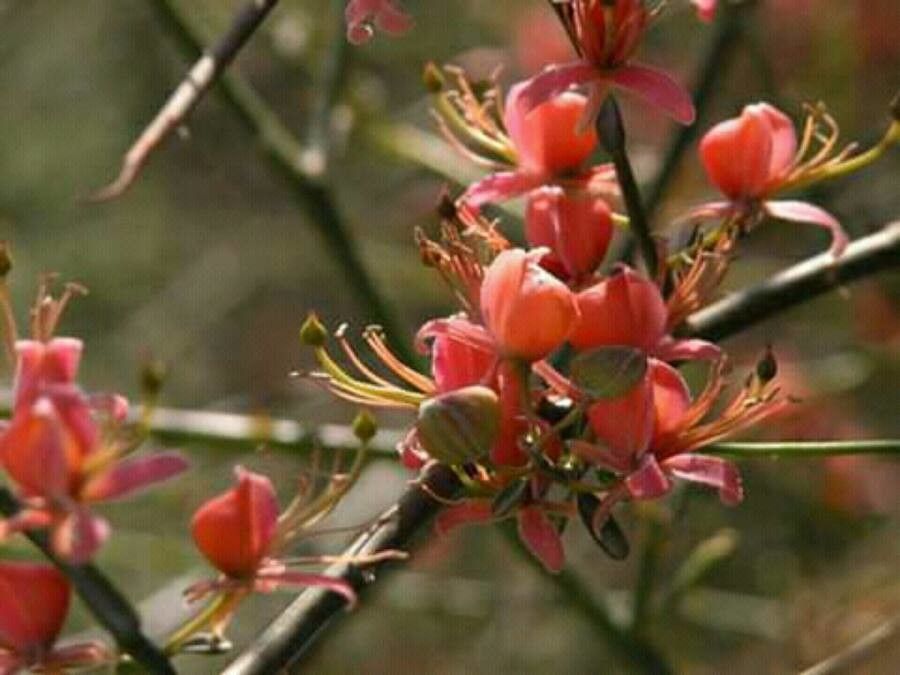
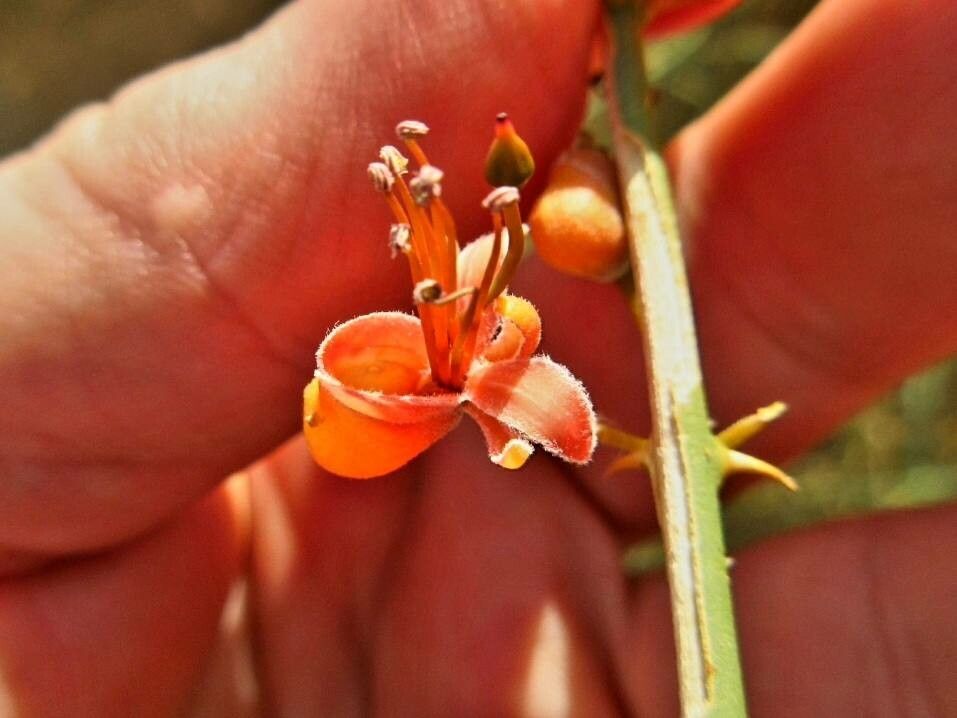
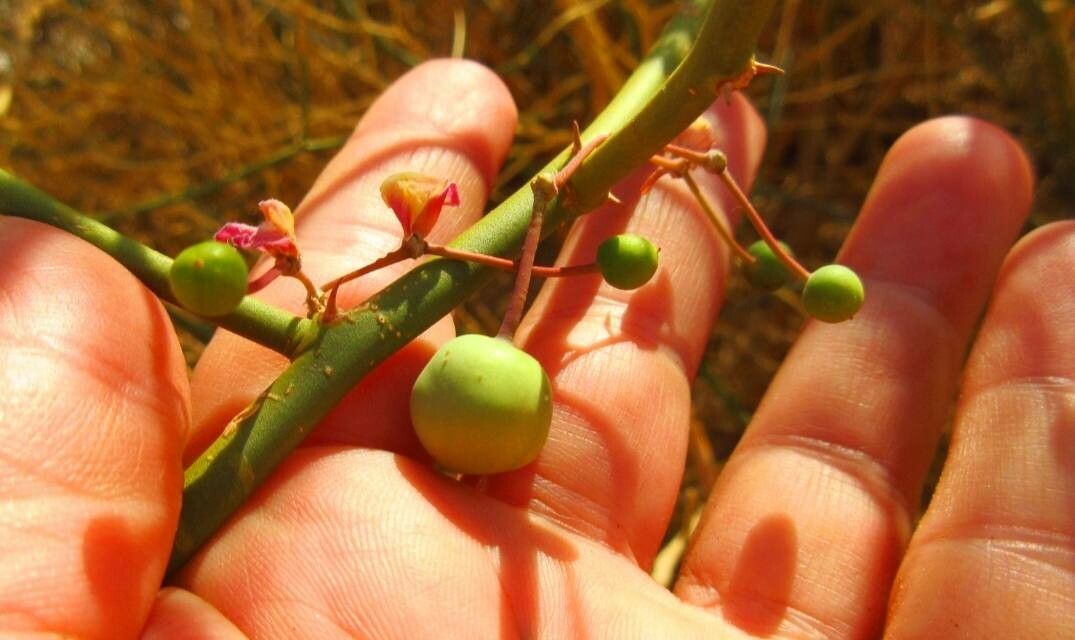
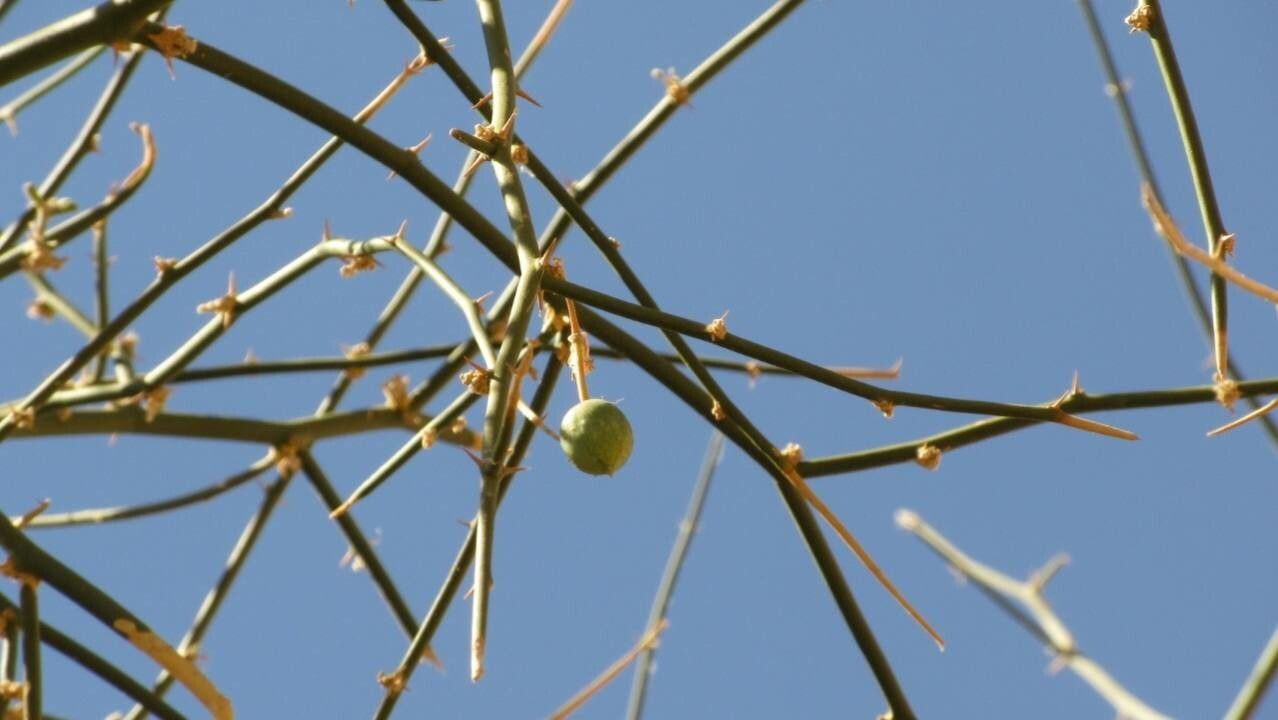
Retama caper is characterized by its slender, thorny branches and small red flowers. To prevent disrupting its blooms, it should be pruned in early spring. During pruning, remove weak branches to improve air circulation and promote growth. Regular inspections and pruning are essential for maintaining the plant's size, shape, and overall vitality, which ultimately leads to healthier flowering.
Botanical profile.
- Plant Type
- Tree, Shrub
- Life Cycle
- Perennial
- Genus
- Capparis
- Family
- Capparaceae
- Hardiness Zone
- 10-11
- Mature Height
- 4.88 m
- Mature Spread
- 2.13 m to 3.96 m
- Leaf Color
- Green
- Leaf Type
- Deciduous
- Flower Color
- Pink, White
- Flower Size
- 1.02 cm
- Bloom Time
- Late spring, Summer
- Planting Time
- Spring, Summer, Autumn
- Harvest Time
- Late summer, Fall
- Native Area
- Saudi Arabia, Libya, Egypt, India, Sudan, Mauritania, Eritrea, Pakistan, Nigeria, Morocco, Yemen, Niger, Chad, Senegal, Oman, Iran, Ethiopia, Algeria
Other names.
Reader questions.
How much sunlight does Retama caper require?
Retama caper, botanically known as Capparis decidua, requires specific sunlight conditions to thrive. For full sun exposure, it needs above 6 hours of sunlight daily. In case of partial sun, about 3-6 hours of sunlight is sufficient. It's important to observe the movement of sunlight through your garden to choose spots that offer the ideal balance of light and shade, ensuring the plants remain healthy and happy.
What is the Retama caper's preferred temperature range for growth?
The Retama caper, also known as Capparis decidua, thrives in environments where the temperature ranges between 68 to 100 °F (20 to 38 °C). This preference for moderate to hot temperatures means that seasonal adjustments might be necessary to ensure the plant maintains optimal growth conditions.