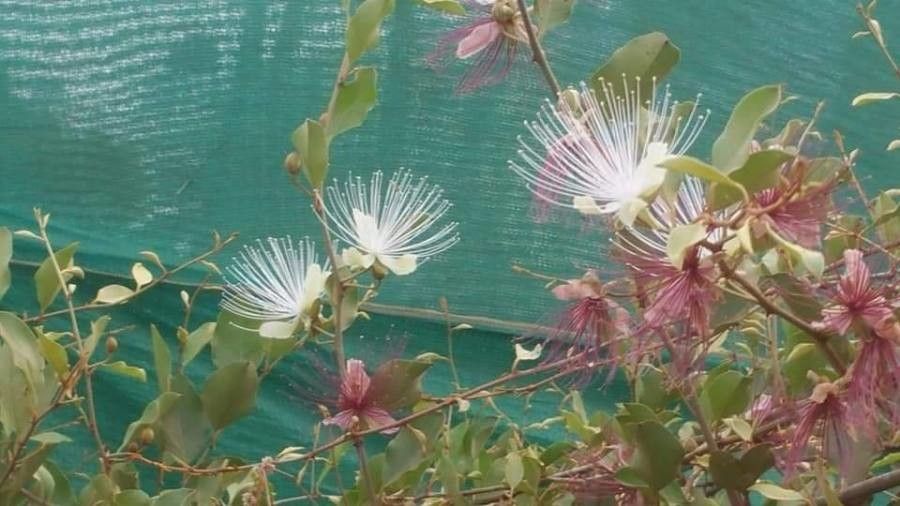
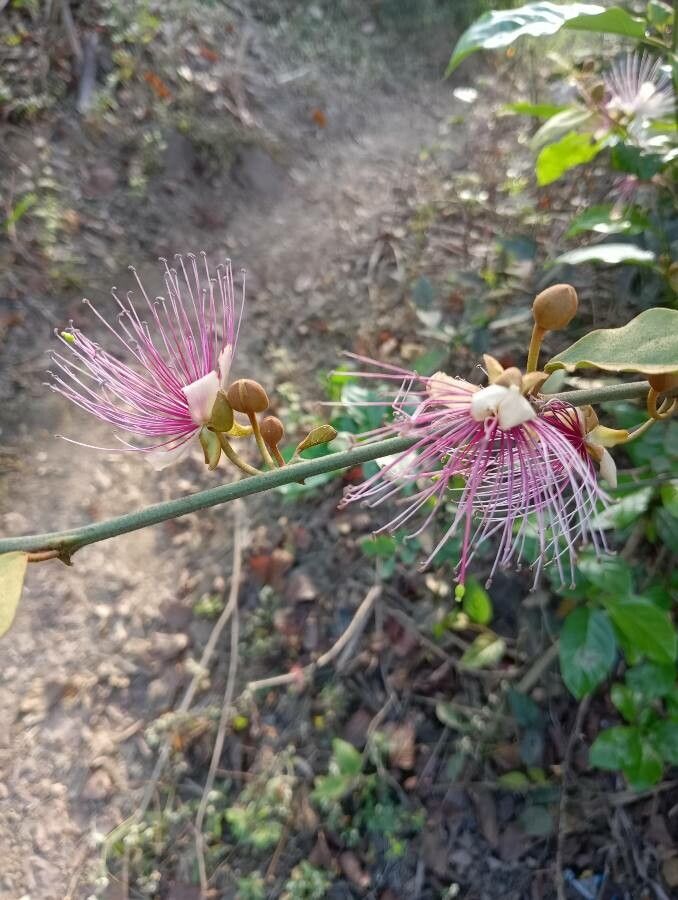
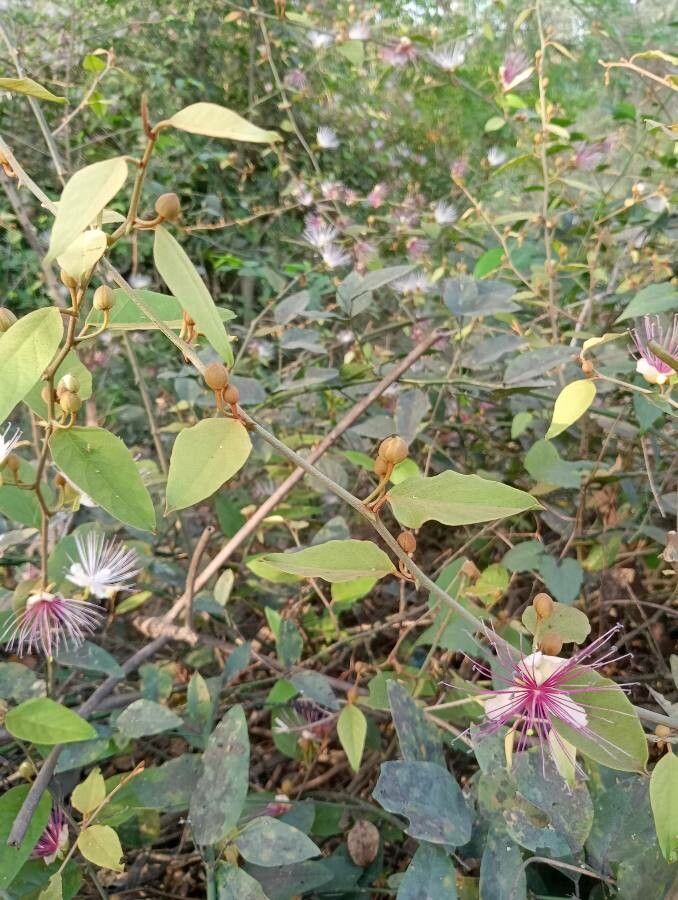
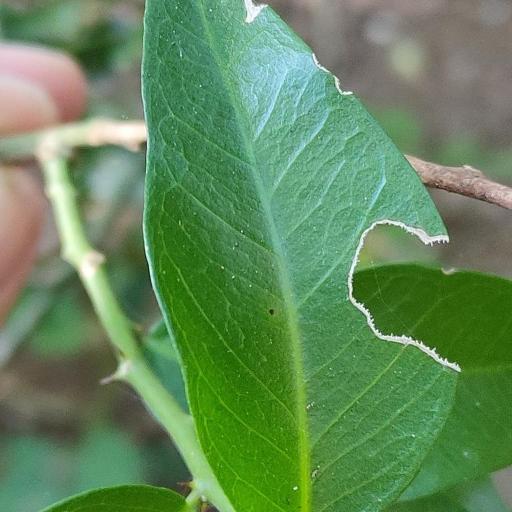
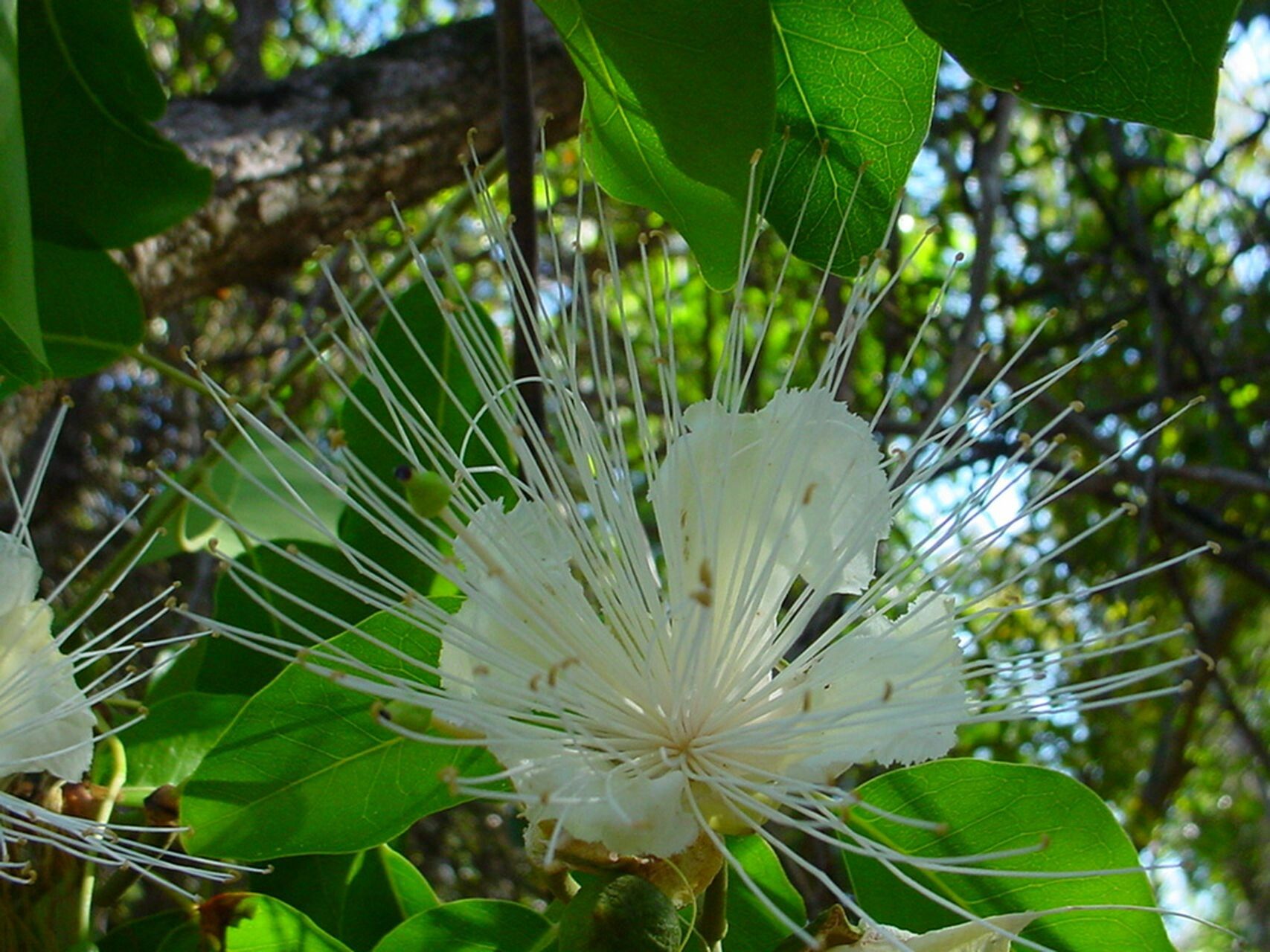
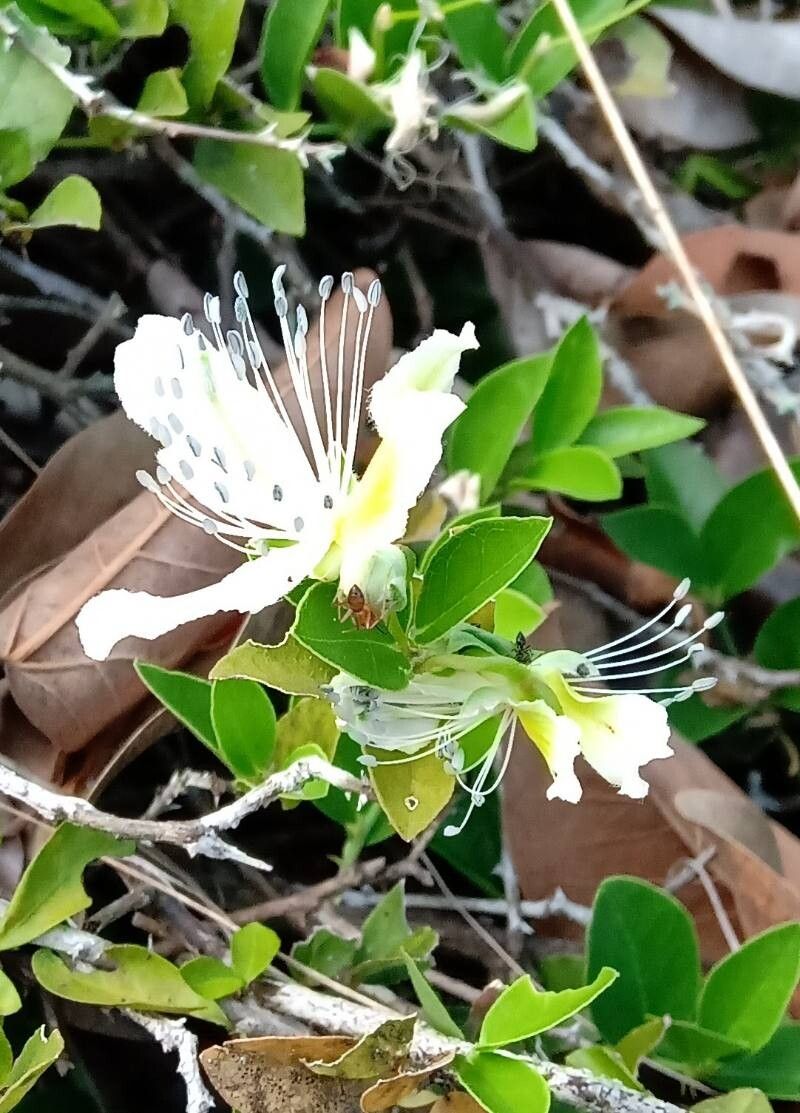
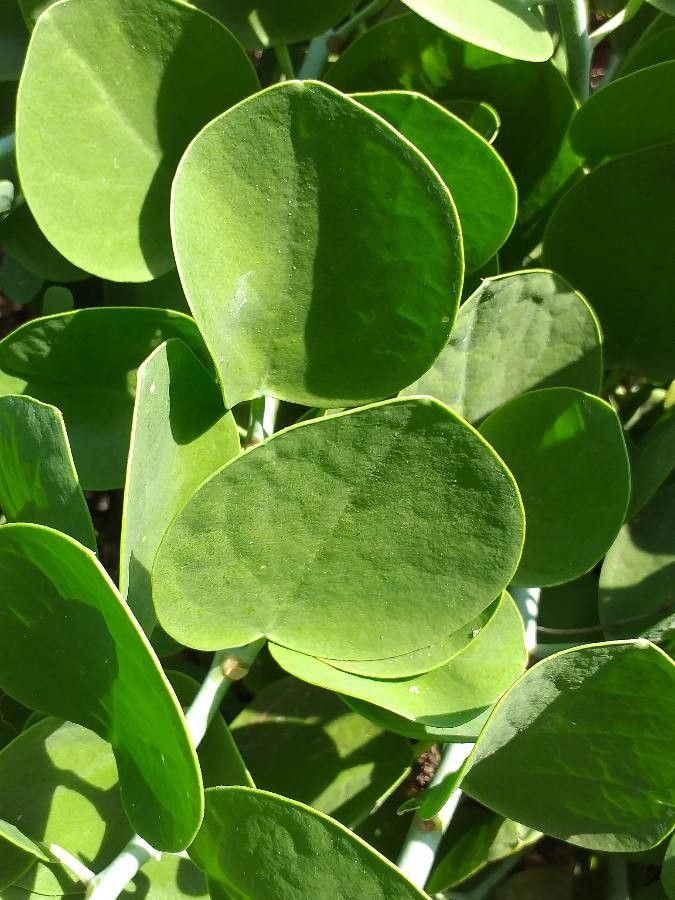
Capparis zeylanica is a climbing shrub common in the forests of the Indian subcontinent, Indo-China, China and Malesia; no subspecies are listed in the Catalogue of Life. Several species of Lepidopteran larvae feed on its leaves.
Ceylon caper has strong resistance to diseases and is usually not susceptible to them. As for maintenance, this plant is fairly low-maintenance. Planted outdoors, it needs only light watering, and larger specimens generally do not require pruning. Smaller plants, however, should be pruned after they finish blooming. Ceylon capert is appropriate for anyone with outdoor space, such as a garden or deck, and does not need extensive care experience.
How to keep Capparis Zeylanica.
Light
Ceylon caper comes from open habitats, such as sunny meadows and forest margins, which supply ample light. It thrives in Full Sun but can also tolerate Partial Sun, adapting well to various sunlight conditions.
Temperature
The Ceylon caper is native to habitats that meet its preferred temperature range of 68 to 100 °F (20 to 38 ℃). For optimal growth, temperatures must be adjusted as the seasons change.
Fertilizer
The best time to fertilize a Ceylon caper is in early spring as it breaks dormancy. This encourages overall growth and flower development. Fertilizing improves the foliage, stems, and branches, and supports flowers that are larger, more vivid, and longer-lasting. It assists in moving nutrients from the roots to the flowers and enhances the plant’s health and resistance to disease.
Pruning
Pruning Ceylon caper in early spring promotes its health and appearance. By removing dead or damaged stems and thinning crowded branches, you improve air circulation. This practice encourages growth and flowering, helps manage the plant's size and shape, enhances its aesthetic appeal, and ensures a quick recovery during the new growth phase.
Botanical profile.
- Plant Type
- Vine, Shrub
- Life Cycle
- Perennial
- Genus
- Capparis
- Family
- Capparaceae
- Hardiness Zone
- 10-11
- Mature Height
- 2.13 m to 4.88 m
- Mature Spread
- 1.52 m to 3.05 m
- Leaf Color
- Green
- Leaf Type
- Semi-evergreen
- Flower Color
- White, Purple
- Flower Size
- 4.06 cm to 5.08 cm
- Bloom Time
- Late spring, Summer, Early fall, Mid fall
- Planting Time
- Spring, Summer, Autumn
- Harvest Time
- Late summer, Fall, Early winter
- Native Area
- Nepal, Sri Lanka, India, Indonesia, Cambodia, Vietnam, Myanmar, Philippines, Bangladesh, Pakistan, Laos, Thailand, China
Other names.
Reader questions.
What are the sunlight requirements for Ceylon caper (Capparis zeylanica)?
Ceylon caper, or Capparis zeylanica, thrives under specific sunlight conditions. For plants to flourish, a location that receives full sun, which is defined as above 6 hours of sunlight, is ideal. However, they can also tolerate partial sun, receiving about 3-6 hours of sunlight. It's important to observe the way sunlight moves through your garden to ensure that you plant your Ceylon caper in a spot that offers a good balance of light and shade, guaranteeing the plant's health and happiness.
What is the indigenous environment of the Ceylon caper?
The Ceylon caper, botanically known as Capparis zeylanica, thrives in environments that can maintain temperature preferences ranging between 68 to 100 °F (20 to 38 °C). To ensure optimal growth, it is necessary to adjust temperatures during seasonal changes to align with these preferences.