Capsicum annuum
فلفل · Peppers · Chili · Bell Pepper · Jalapeño
Description
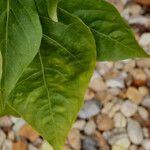
Source: leafsnapCapsicum annuum, commonly known as the chili pepper, is a species of flowering plant in the nightshade family Solanaceae. Native to Central and South America, it has been cultivated for thousands of years for its spicy fruit. The plant grows as a small shrub or herbaceous annual, reaching up to 1 meter in height. The leaves are green, either ovate or lanceolate in shape, and have a smooth texture. The fruit of Capsicum annuum varies widely in size, shape, color, flavor intensity, and heat level depending on the cultivar. While green when unripe, the fruit turns red or yellow upon maturation. It contains capsaicin, which gives it its characteristic pungency. Capsicum annuum is widely used as a spice around the world due to its unique flavor profile, which ranges from mild sweetness to intense heat, depending on the variety. It is also valued for medicinal purposes due to its high content of vitamins A and C. The plant thrives in warm temperatures between 20-30°C (68-86°F) and requires well-drained soil with good fertility levels for optimal growth. It can be grown both indoors and outdoors but necessitates full sun exposure. Overall, Capsicum annuum is an important crop with significant economic value worldwide. Its culinary uses and medicinal properties make it an essential part of many cultures around the globe today.
🌳 Aside from their culinary uses, peppers have a range of alternative applications. One lesser-known use is as an organic pesticide. Home gardeners and farmers both use the peppers' fiery properties to make a natural spray that deters insects, caterpillars, and rabbits without harming the environment, demonstrating their versatility beyond kitchen spice racks.
🎭 Eagerness, recovery, purification, longing
Care Guide
💧 Water Every 7 days
Pepper plants thrive in warm, humid environments that reflect their tropical origins. They prefer consistent moisture and generally do best when watered twice a week. These plants are better suited for indoor cultivation, where maintaining ambient humidity is crucial for optimal growth. It's important to pay attention to both soil moisture and humidity, especially during the growing season.
When Should I Water My Pepper?
Proper and timely watering is vital for the health and development of pepper plants, contributing to their optimal growth, fruit production, and disease resistance. You should water your pepper when the soil moisture level decreases, which can be determined by inserting your finger into the soil about 1-2 inches deep. If it feels dry, it means it's time to water your plant. Other indicators include wilting or limp leaves, dull or yellowish leaves, a lighter pot weight, and the absence of water runoff. It's also critical to provide consistent moisture during the flower formation stage to ensure a good fruit yield. However, beware of the risks associated with overwatering, such as root rot, and underwatering, which can lead to reduced fruit production and plant stress.
How Should I Water My Pepper?
Watering your pepper correctly is key to preventing diseases and ensuring healthy growth. Pepper plants, being native to subtropical regions, prefer well-drained soil that remains consistently moist but are at risk of fungal diseases if overwatered. Techniques like bottom-watering encourage roots to draw water up, effectively maintaining moisture without over-saturation. Using a watering can with a long, narrow spout helps target water at the base, avoiding leaf wetness that can lead to fungal issues. A moisture meter can be useful for monitoring soil moisture levels accurately. Focus your watering efforts on the root zone and avoid getting foliage wet to prevent fungal diseases.
How Much Water Does Pepper Really Need?
Peppers, hailing from subtropical regions with ample rainfall, require consistent soil moisture to thrive. The amount of water needed varies depending on several factors, such as pot size, root depth, and plant size, but generally, the soil should be moistened to about 1-2 inches deep, allowing the top 1-2 inches to dry out before the next watering. Considerations for pot size, root depth, and plant size should guide how much water to use. Proper hydration is indicated by healthy, sturdy stems, lush leaves, and vibrant plant appearance. Both overwatering and underwatering carry risks, including root rot from too much water and stunted growth from too little.
What Kind of Water is Best for Pepper?
The best type of water for pepper plants is one that matches its environment needs, including mist water for humidity, rainwater for a natural nutrient balance, or distilled/filtered water to avoid soil buildup. Tap water is generally acceptable if it's been left to stand for a day to allow chlorine to evaporate, as peppers are sensitive to chlorine. Fluoride is tolerated in low quantities, but excessive exposure can cause growth issues. If your tap water is high in minerals, consider using filtered or rainwater. Room temperature water is ideal for peppers to avoid shocking the plant or damaging its roots.
How Do Pepper's Watering Needs Change with the Seasons?
Pepper's watering needs vary throughout the year. In spring, as peppers enter their growing season, ensure the soil remains moist to support growth, adjusting water levels according to rainfall. Summer brings higher temperatures and increased fruit production, requiring soil to stay consistently damp to accommodate quick evaporation. Autumn sees a reduction in peppers' water needs as temperatures drop and growth slows, warranting only enough water to keep the soil lightly moist. In winter, watering should be minimal, focusing on preventing the soil from becoming too dry, especially in heated indoor environments. Adjust watering frequency based on actual weather conditions in each season.
☀️ Light Full sun
Pepper performs best with a plentiful, continuous supply of sunlight, though it can still survive on a moderate amount. The plant's natural habitat offers prolonged sun exposure, which is required for optimal health. However, too much or too little sunlight can cause stressed growth. Sufficient sun encourages fruit set and enhances yield.
What are the sunlight requirements for growing pepper plants?
Pepper plants thrive best with a continuous supply of sunshine. They require full sun, which means they need above 6 hours of sunlight per day, although they can still survive in partial sun with about 3-6 hours of sunlight. Adequate sunlight is essential for the plant's optimal health, stimulating fruit set and improving yield. However, it's important to observe how sunlight moves through your garden to ensure spots chosen for your plants provide the ideal balance of light and shade.
How can artificial lighting be used for pepper plants?
When natural sunlight is insufficient, especially during winter or in less sunny spaces, artificial lighting can be a vital solution for indoor pepper plants. LED lights, customizable to provide specific wavelengths of light needed by plants, are a popular choice. Full sun plants require 30-50W/sq ft, partial sun plants need 20-30W/sq ft, and full shade plants need 10-20W/sq ft of artificial light. The light source should be placed 12-36 inches above the plant to mimic natural sunlight, and most plants benefit from 8-12 hours of light daily.
What are symptoms of light deficiency in pepper plants?
Pepper plants displaying light deficiency may show symptoms like leggy or sparse growth, making the plant appear thin and stretched. This condition results from longer spaces between the leaves or stems. Other signs include slower or no new growth, as the plant enters survival mode. Insufficient sunlight might not produce obvious abnormalities initially but can lead to issues with flowering and fruiting. Additionally, plants may experience chlorosis, sunscald, leaf curling, wilting, and leaf scorching due to excessive sunlight or improper exposure.
What are the solutions for pepper plants suffering from insufficient sunlight?
To address insufficient sunlight, gradually move indoor plants to sunnier locations to ensure they receive at least 6 hours of direct sunlight daily. Consider using artificial lights, such as desk lamps or professional grow lights, for at least 8 hours daily if plants are large or not easily movable. For outdoor plants, avoid sudden changes in light intensity and move them gradually to sunnier spots. Minimize obstacles blocking sunlight by pruning obstructive branches. For smaller plants, consider transplanting during the dormant period to locations with ample sunlight and good drainage.
🌡️ Temperature 15–37.8°C
Pepper is generally adapted to a native growing climate with temperatures between 68–100 °F (20–38 ℃). It favors warmer conditions; changes during cooler seasons may be required for optimal growth.
What is the optimal growth temperature for Pepper (Capsicum annuum)?
Pepper, scientifically known as Capsicum annuum, thrives in a native growth climate with temperatures ranging between 68-100°F (20-38°C). It is accustomed to warmer temperatures, hence the importance of making adjustments during cooler seasons to maintain optimal growth conditions. To support its growth during winter, it is beneficial to keep the environment above 20°C, ensuring that the minimum temperature stays above freezing point to prevent damage. Specifically, when outdoor temperatures approach -5°C (25°F) during winter, it's advisable to bring Pepper indoors or provide protection by setting up a temporary greenhouse or using materials such as plastic film or fabric to cover the plant.
How does low temperature affect Pepper, and what are the solutions?
Pepper has a moderate tolerance to low temperatures, thriving best between 20°C and 38°C. It's critical to keep it above 0°C during winter since exposure to temperatures below -15°C can cause the leaves to darken in color. Severe cold exposure may lead to symptoms such as water-soaked necrosis, wilting, and drooping, with leaves gradually turning brown. To counteract frost damage, trim away the frost-damaged parts and immediately move the plant to a warm environment indoors or set up a makeshift greenhouse for cold protection. If placing the plant indoors, ensure it is near a south-facing window to guarantee ample sunlight. For additional lighting needs, consider using supplemental lighting.
What effects do high temperatures have on Pepper, and how can they be mitigated?
During the summer, it is crucial to keep Pepper below 38°C, as temperatures exceeding 43°C can slow down its growth, cause the leaves' color to lighten, and increase susceptibility to sunburn. To mitigate damage from high temperatures, trim away the sunburned and dried parts of the plant. Relocate the plant to a shaded location, ideally shielded from the afternoon sun, and water it in the morning and evening to maintain soil moisture. These measures can help prevent further stress from high temperatures and protect the plant's overall health.
💨 Humidity normal (40-60%)
This plant will thrive in moderate humidity, which is probably the level in your home. However, misting it a few times a week can be very beneficial. Make sure the room has good ventilation.
🪴 Soil 6-7
🌱 Fertilizer
To feed Pepper, apply a natural or commercial fertilizer high in nitrogen for leaf development, phosphorus for roots and flowers, and potassium for photosynthesis and maximum fruit production. Plant in spring, enrich the soil with compost or manure, and fertilize seedlings when they reach a height of 2-4 inches. Insufficient macronutrients result in slow growth, wilting, and problems with fruit quality.
Why should I add plant food to my Pepper?
When growing Pepper for its fruit, it is important to supplement the soil with additional nutrients to ensure a bountiful harvest. Each macronutrient plays a different role in supporting plant growth. Phosphorus, in particular, is crucial for promoting the formation of flowers and fruit. However, a plant also requires a proper root system and healthy leaves to absorb sunlight in order to produce flowers and fruit. Thus, it is necessary to provide all the necessary macronutrients to ensure plants have enough vitality to grow at a healthy pace and prevent wilting. Additionally, lacking these essential macronutrients can greatly impact a plant's ability to flower and fruit, resulting in visibly deficient fruits.
When should I fertilize my Pepper plant?
To successfully grow peppers, it's important to follow these steps. First, make sure to plant the specific variety of pepper in the spring for a summer harvest. Pepper plants thrive in rich soil, so before planting, mix compost or manure into the soil. This will provide valuable nutrients and improve drainage. After planting, transplants can be fertilized right away, but seedlings should reach a height of 2 to 4 inches before their first fertilization. For established plants, feed them every 3 to 4 weeks until the first frost or when they stop producing. It's also essential to choose the appropriate fertilizer type and adjust the fertilization schedule based on the specific pepper variety. If you're unsure, it's better to use less fertilizer.
When is it not a good time to put fertilizer on my Pepper plant?
To ensure healthy growth and abundant blooms and fruits, it is important to be cautious about the nitrogen content in the fertilizer you use for Pepper. Higher levels of nitrogen can result in excessive leaf development but fewer blooms or fruits. It is advisable to opt for a fertilizer that has a lower nitrogen content compared to other nutrients. Additionally, avoid fertilizing Pepper plants during times of high temperatures or dry conditions. This is because during such periods, the fertilizer may simply wash through the soil without being absorbed effectively. Moreover, plants have a diminished ability to absorb nutrients in hot weather, which can cause the fertilizer to remain in the soil and impede water uptake by the plants. This situation can be particularly harmful during a drought or heatwave.
What kind of fertilizer should I use for my Pepper?
To determine the right fertilizer for your Pepper plant, start by assessing the nutrients present in your soil. Conducting a soil test can provide valuable insights into the soil composition, although some gardeners have found success with trial and error. While there are specialized fertilizers available for different Pepper varieties, it's not necessary to buy a separate one for each vegetable you grow. By understanding the basic needs of your plants and the existing nutrients in your soil, you can use the same fertilizer for multiple plants. Many gardeners prefer using a high-phosphorus fertilizer that promotes flowering and fruit development. Such fertilizers have a higher middle number in the NPK ratio, like 8-32-16 or 10-30-10. However, some prefer the simplicity of a balanced fertilizer like 10-10-10 for all their garden plants.
How should I add nutrients to my pepper plants?
There are different types of fertilizer, each with their own instructions. Some may need to be diluted or measured carefully. It's important to follow these instructions and do your research to avoid over fertilizing your garden. If you have pepper plants in a row, you can use the side-dressing method. This means mixing the fertilizer into the soil along the rows, about 3 to 4 inches away from the base of the plant. Water will then wash the nutrients down to the roots without touching the plant. If side-dressing doesn't work for your garden, you can apply fertilizer around the plant, again staying about 3 to 4 inches away. Granular fertilizers can be scattered and lightly mixed into the soil. Water the plants thoroughly after applying dry fertilizers. Liquid fertilizers are mixed in a watering can and used to water and fertilize the plants at the same time. Alternatively, foliar feeding involves spraying the leaves with a specialized fertilizer mix instead of putting nutrients into the soil.
🪴 Pot & Repot Every 12 months
When repotting Pepper, choose a pot that is 1–2 inches (2.5–5.1 cm) larger in diameter and ensure it has good drainage. Use a well-draining potting mix and consider adding perlite for extra drainage. Repot in spring or early summer, water thoroughly afterward, and place it in a shady location at first.
✂️ Pruning
Pruning pepper plants in mid-spring can significantly improve fruit production and airflow. To achieve the best results, focus on a few key techniques: remove the lower leaves, pinch off early buds, and trim back any leggy growth. Using clean, sharp tools is essential, as this prevents stress and minimizes the risk of infection, allowing the plant to direct its energy toward producing fruit instead of unnecessary foliage.
🌿 Propagating
🐛 Diseases & pets
☠️ Toxicity
The ornamental peppers themselves are edible; however, their leaves are toxic to humans and pets. It can cause gastrointestinal ulcers, seizures, respiratory problems, and shock when ingested.
Characteristics
- Plant Type
- Herb
- Life Cycle
- Annual, Perennial, Biennial
- Genus
- Capsicum
- Family
- Solanaceae
- Hardiness Zone
- 7-11
- Mature Height
- 20 cm to 91 cm
- Mature Spread
- 15 cm to 30 cm
- Leaf Color
- Green, Purple
- Leaf Type
- Deciduous
- Flower Color
- White
- Flower Size
- 1.02 cm to 2.03 cm
- Bloom Time
- Late spring, Summer
- Planting Time
- Spring, Summer
- Harvest Time
- Summer, Early fall
- Native Area
- Belize, Mexico, Guatemala, Cuba, Haiti, Venezuela, Brazil, Honduras, Peru, Panama, Colombia, Bahamas, Italy, Bolivia, Guyana, El Salvador, Nicaragua, Ecuador, Costa Rica