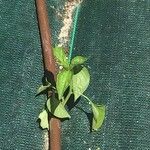
Capsicum chinense
فلفل چینی تند · Habanero · Carolina Reaper · Scotch bonnet · Yellow squash pepper
Description
Source: leafsnapCapsicum chinense, commonly known as the "Scotch Bonnet" or "Habanero" pepper, is a species of chili pepper native to Central and South America. This perennial plant can grow up to 1.5 meters tall and produces small, lantern-shaped fruits that change color from green to yellow, orange, or red when ripe. The Capsicum chinense plant thrives in warm temperatures and requires plenty of sunlight. It prefers well-drained soil with a pH range of 5.5 to 7.0 and needs regular watering during the growing season. The fruits of Capsicum chinense are renowned for their intense heat levels, ranging from 100,000 to 350,000 Scoville Heat Units (SHU). They are a staple in Caribbean cuisine, valued for their unique flavor profile, which includes fruity notes with hints of smokiness. Capsaicin, the active compound responsible for the heat in Capsicum chinense peppers, has been shown to offer numerous health benefits, including pain relief and anti-inflammatory properties. Overall, Capsicum chinense is an important crop both economically and culturally. Its unique flavor profile and medicinal properties make it a significant plant species worldwide.
💡 The fruits of Capsicum annuum var. conoides are exquisite and diverse. They grow above the leaves, creating a striking appearance. When Columbus discovered the Americas in 1493, this variety was brought back to Spain. It reached Central Europe approximately a century later and was introduced to China through the Western Regions during the late Ming Dynasty.
Care Guide
💧 Water Every 7 days
The Yellow Lantern Chili is native to warm, humid areas and thrives with consistent moisture and high humidity. To ensure healthy growth, it's important to water the plant every week, keeping the soil moist without causing waterlogging. Although typically grown outdoors, these chilis benefit from mulching during their active growing season, which helps retain soil moisture.
☀️ Light Full sun
Scotch Bonnet Pepper comes from areas with abundant sunlight, such as open fields and sunny meadows. It prefers full sun but can also tolerate partial sun.
🌡️ Temperature 20–37.8°C
Scotch Bonnet Pepper does best in warm climates, reflecting its native tropical habitat and preferring temperatures of 68 to 100°F (20 to 38°C). To encourage optimal growth, keep the environment within this temperature range during cooler seasons.
💨 Humidity
🪴 Soil 6-7
🌱 Fertilizer
To feed Scotch Bonnet pepper, use a natural or commercial fertilizer high in nitrogen for leaf development, phosphorus for root growth and flowering, and potassium for photosynthesis and maximum fruit production. Plant in spring, enrich the soil with compost or manure, and fertilize seedlings when they reach a height of 2-4 inches. Not getting enough macronutrients results in slow growth, wilting, and poor fruit quality.
🪴 Pot & Repot Every 12 months
You can cultivate yellow lantern chili either in pots or directly in the ground, which provides flexibility to suit various gardening styles and spaces.
✂️ Pruning
The Yellow Lantern chili plant, famous for its vibrant yellow peppers, benefits greatly from pruning in mid-spring. Pruning helps to improve the plant's health and increase its yield. Start by removing any dead or crossing branches to enhance airflow. Additionally, trim the plant back by one-third of its height to encourage bushier growth. Ensure your tools are clean and sharp to prevent disease and promote better fruit production.
🌿 Propagating
🐛 Diseases & pets
☠️ Toxicity
One of the hottest edible peppers in the world is the Carolina Reaper. The main hazards of consuming these peppers are localized symptoms like tongue burning, mouth numbness, and even vomiting; however, recent case reports have revealed more significant side effects of these strong foods.
Characteristics
- Plant Type
- Herb, Shrub
- Life Cycle
- Perennial, Annual
- Genus
- Capsicum
- Family
- Solanaceae
- Hardiness Zone
- 10-12
- Mature Height
- 0 cm to 80 cm
- Mature Spread
- 49 cm to 91 cm
- Leaf Color
- Green
- Leaf Type
- Evergreen
- Flower Color
- White
- Flower Size
- 1.02 cm to 2.03 cm
- Bloom Time
- Summer, Early fall, Mid fall
- Planting Time
- Spring, Summer
- Harvest Time
- Late summer, Fall, Early winter
- Native Area
- United States of America