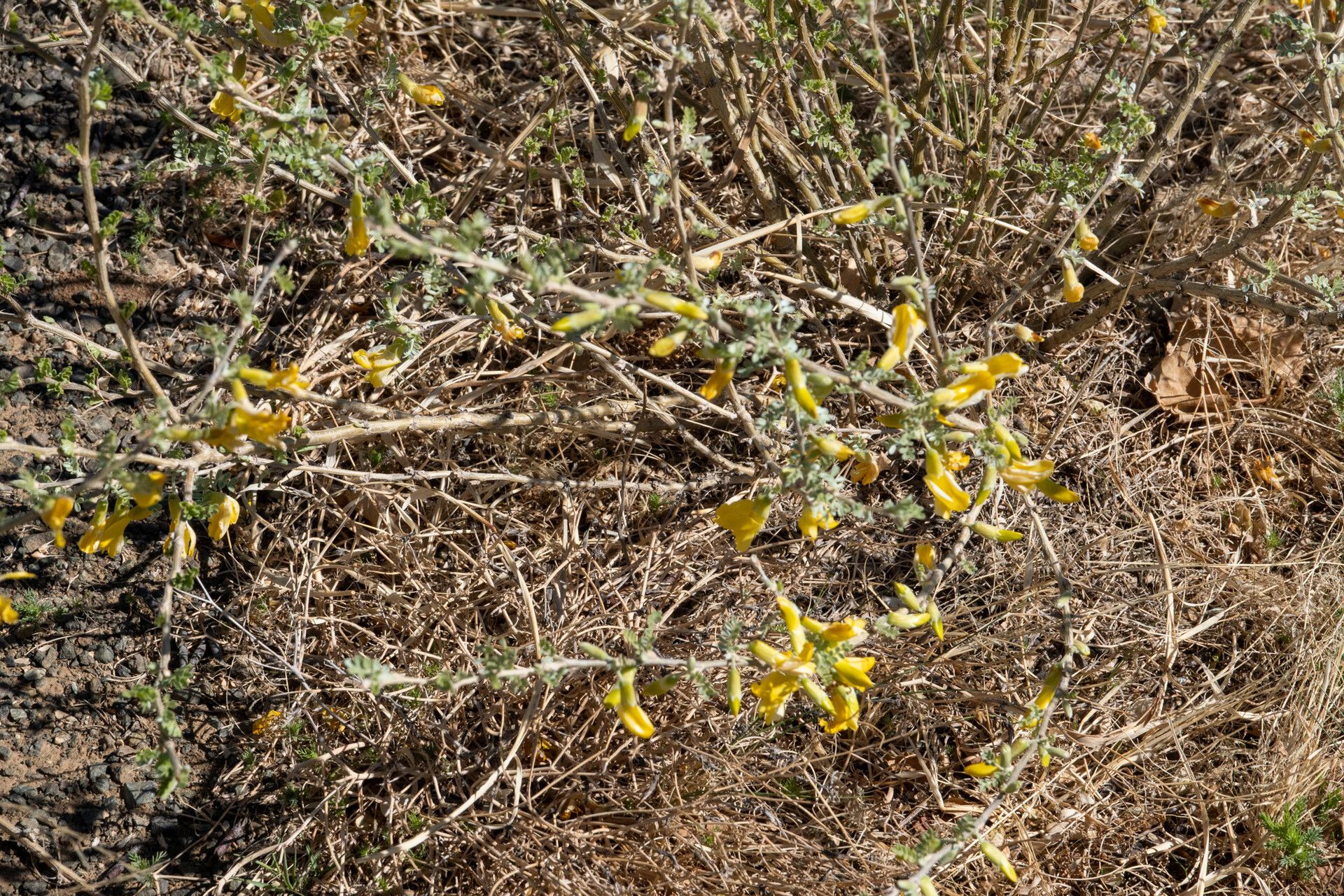
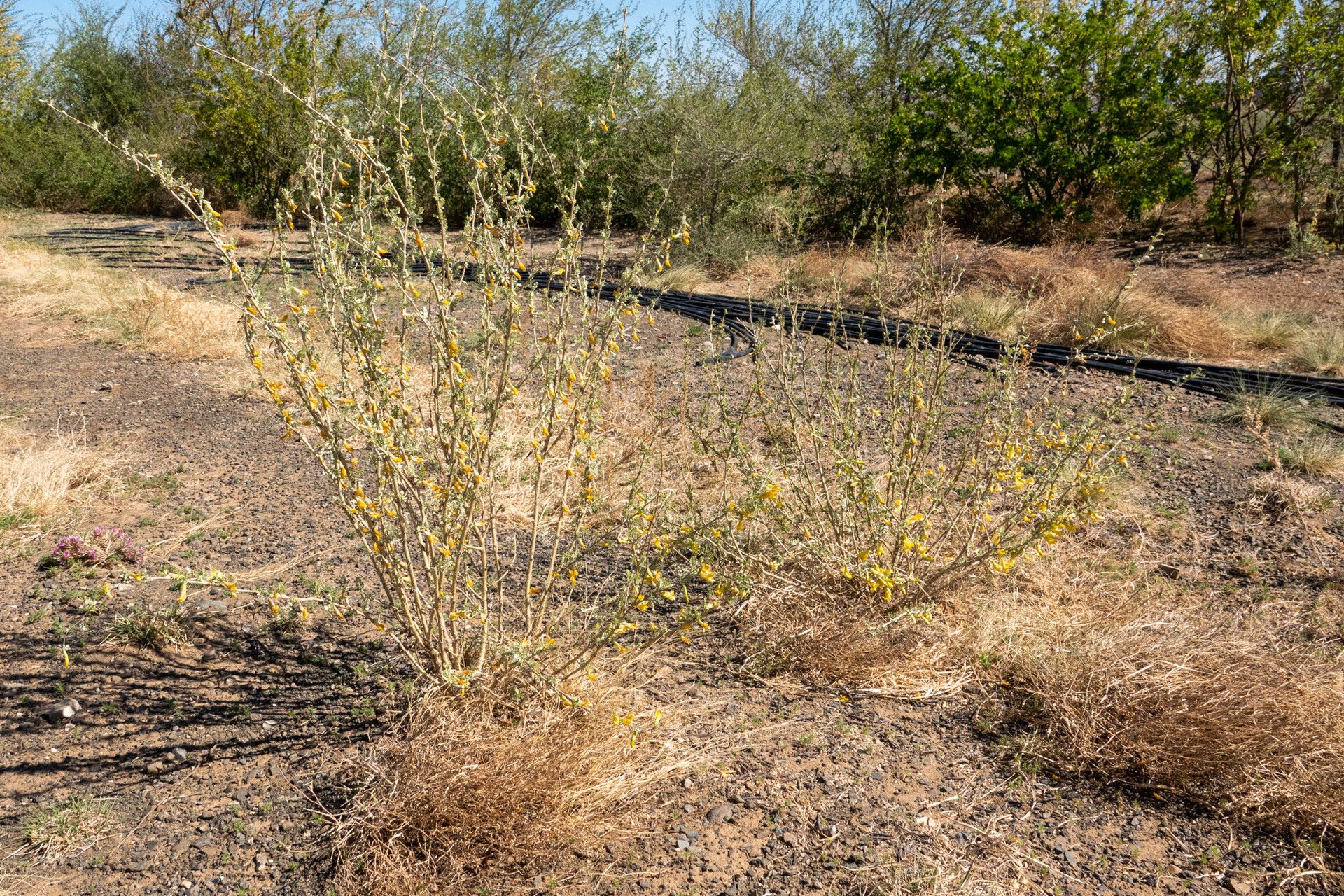
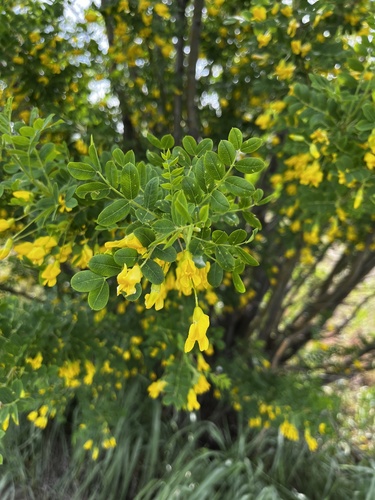
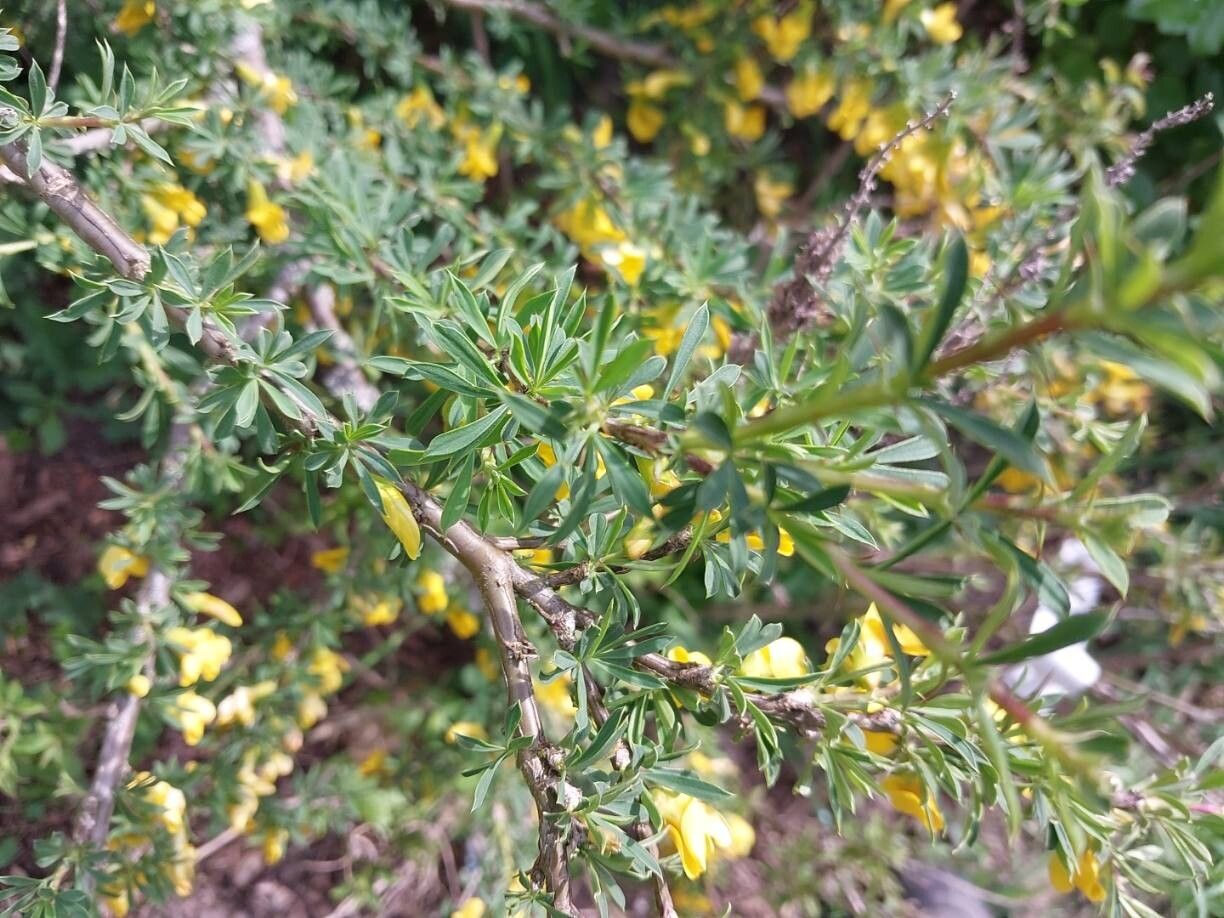
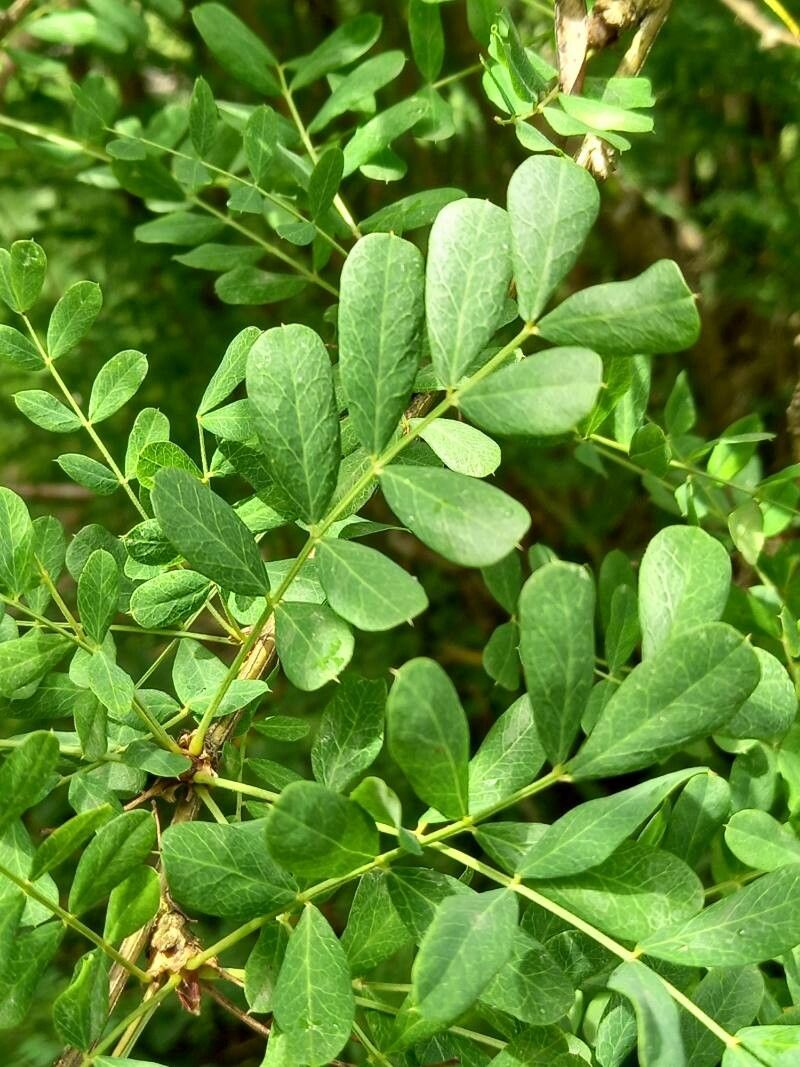
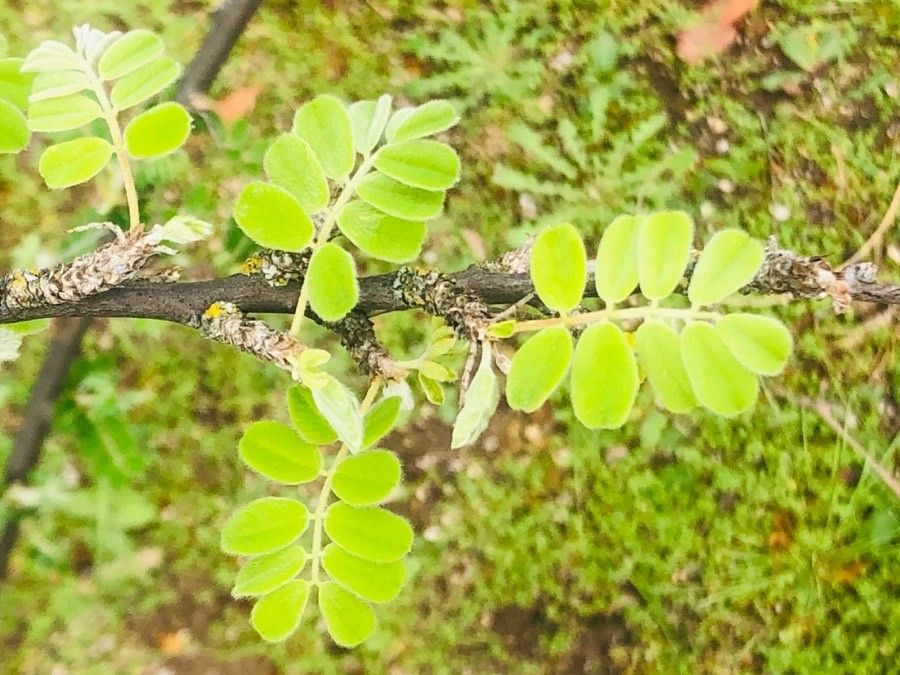
Littleleaf peashrub has strong resistance to disease and is generally not susceptible to illnesses. In terms of care, this plant is fairly low-maintenance. When planted outdoors it needs little watering, and larger plants typically do not require pruning. Smaller plants, however, should be pruned after they finish blooming. Littleleaf peashrubt is appropriate for anyone with outdoor space, such as a garden or a deck, and does not demand extensive care experience.
How to keep Caragana Microphylla.
Light
The littleleaf peashrub flourishes best in an environment where it can absorb consistent sunlight throughout the day. Its original habitat - the vast, sun-drenched steppes, supports this characteristic. Excessive or surplus sunlight exposure could cause possible harm or inhibit growth.
Temperature
The littleleaf peashrub exhibits remarkable versatility in adapting to diverse weather conditions, from sizzling summers to freezing winters. Nonetheless, there's an ideal temperature range it prefers for growth. When the temperature rises too much, the plant is likely to suffer from heat and humidity stress, which could lead to its death. In areas where the temperatures drop close to the plant's cold tolerance limit, it becomes necessary to take steps to insulate the plant to shield it.
Fertilizer
For the Littleleaf peashrub, the timing of fertilization is essential. Begin fertilizing in the early stages of spring and continue on a monthly basis until the start of summer. Fertilizer aids in the creation of beautiful flowers and offers energy during periods of dormancy and active growth.
Botanical profile.
- Plant Type
- Shrub
- Life Cycle
- Perennial
- Hardiness Zone
- 3-7
- Mature Height
- 0.91 m to 3.05 m
- Mature Spread
- 1.52 m to 2.44 m
- Leaf Color
- Green, Olive Drab
- Leaf Type
- Deciduous
- Flower Color
- Yellow
- Flower Size
- 1.52 cm to 2.03 cm
- Bloom Time
- Mid spring, Late spring
- Planting Time
- Spring, Autumn
- Harvest Time
- Summer
- Native Area
- Koppen, Mongolia, China
Other names.